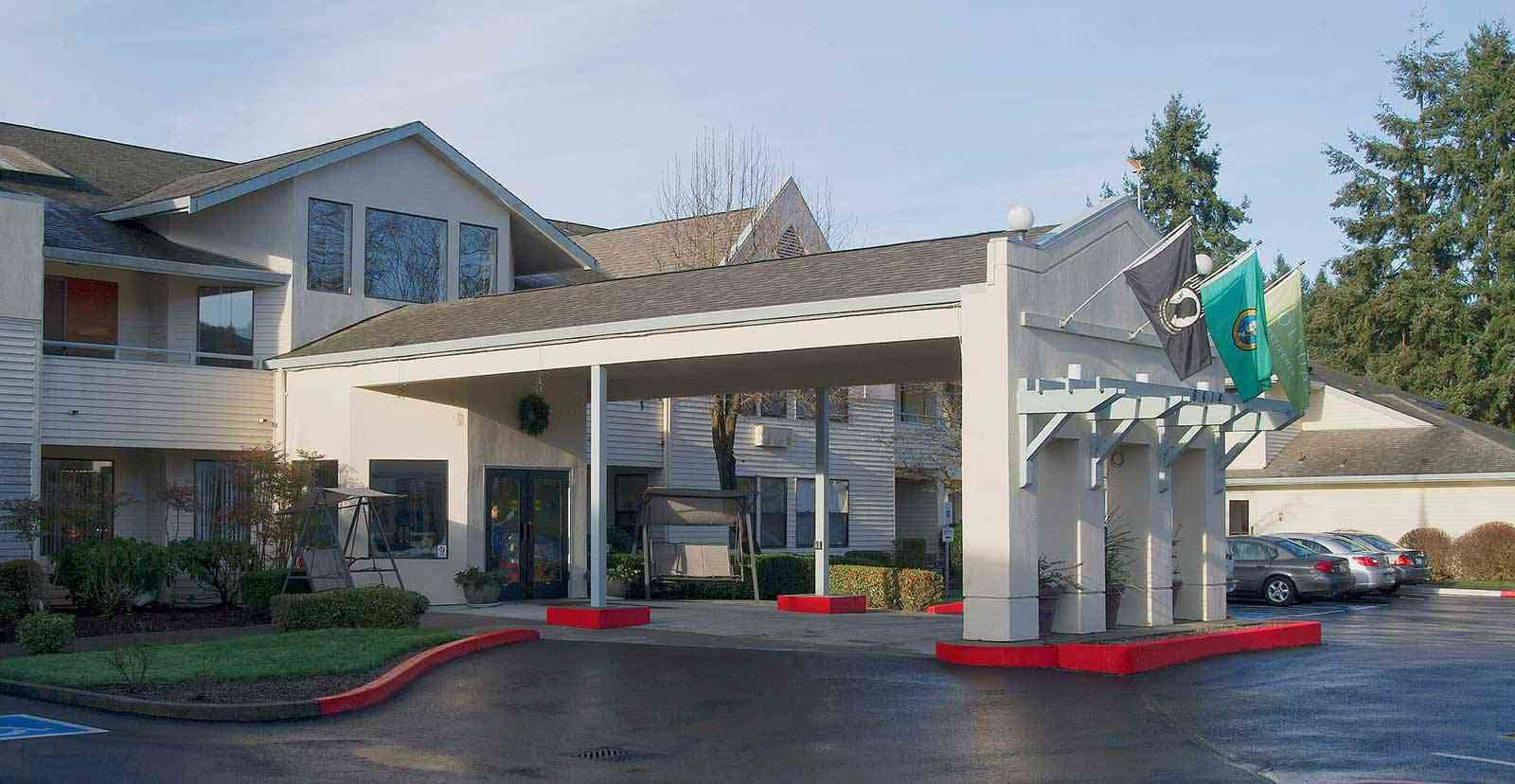
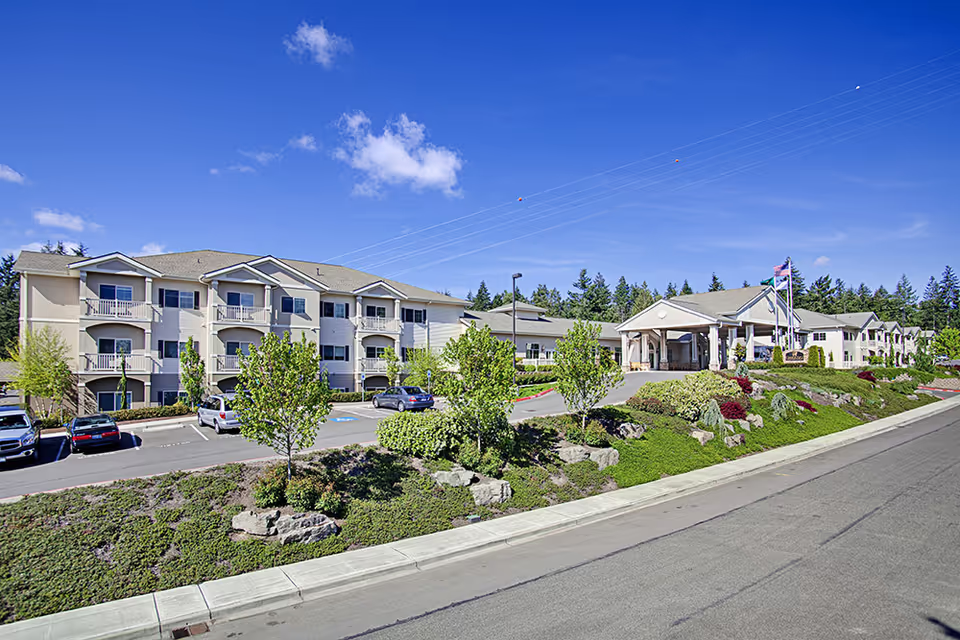
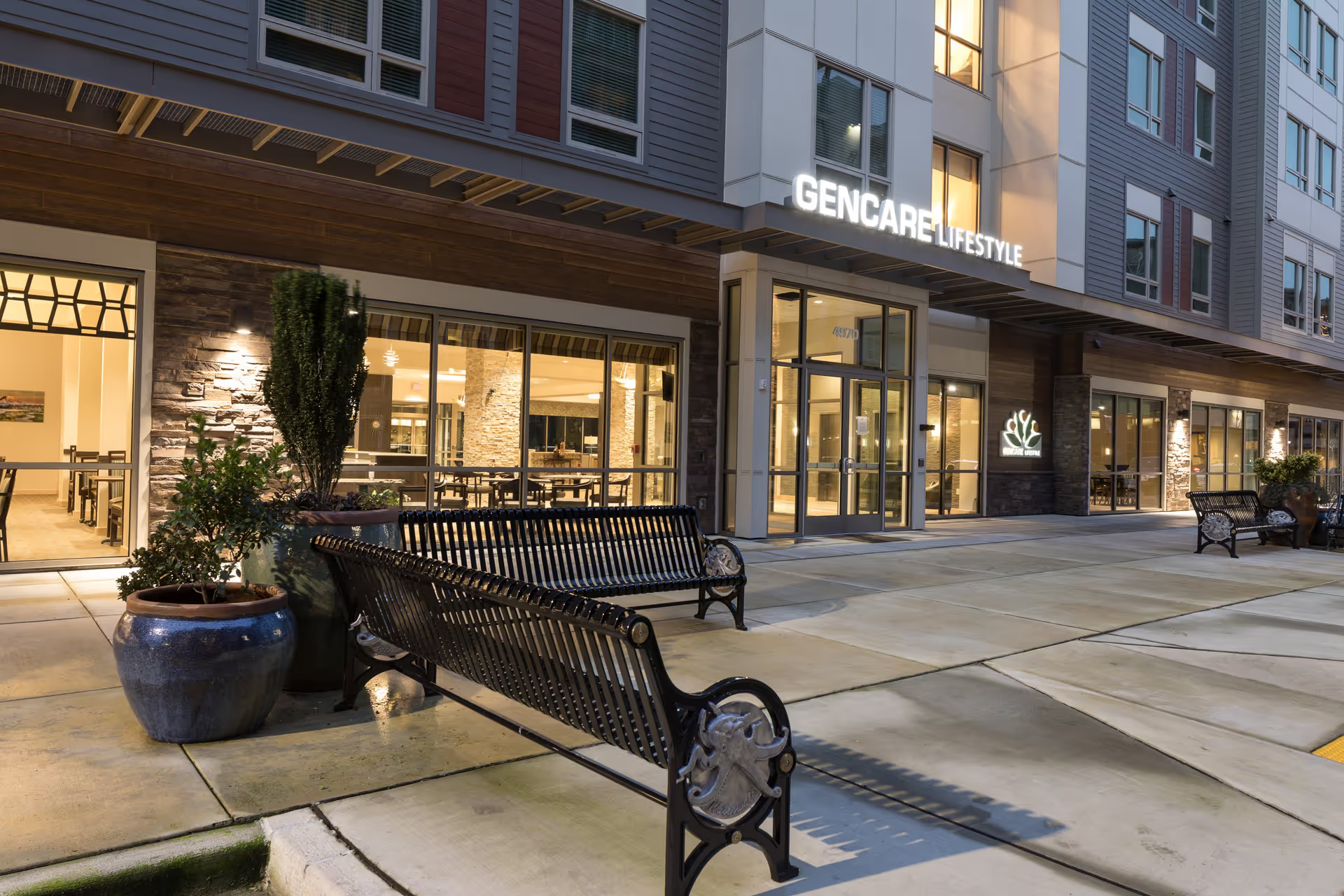
Brookdale Harbor Bay is presented across reviews as a small, memory-care–focused community with many strengths alongside some operational inconsistencies. The facility’s apparent strengths are concentrated in direct resident care: reviewers frequently describe caring, long-tenured caregivers who create a family-like atmosphere, prompt nursing communication when health status changes, and staff who engage residents in social interaction. Many families noted that the community’s specialization in memory care aligns with resident needs, and that staff provide attentive, dignity-preserving care including hospice support when appropriate.
Dining and social programming are commonly cited positives. Meals are described as homemade-like and adaptable to individual preferences, with a chef willing to accommodate special requests. The community organizes themed family events (barbecues, teas, luaus), daily posted activities, craft and music classes, and bus outings. These opportunities, together with an intimate dining room and courtyard, contribute to a social environment in which many residents participate and report improved mood and engagement. The site’s pet-friendly approach and visiting animals are additional social enhancers for residents.
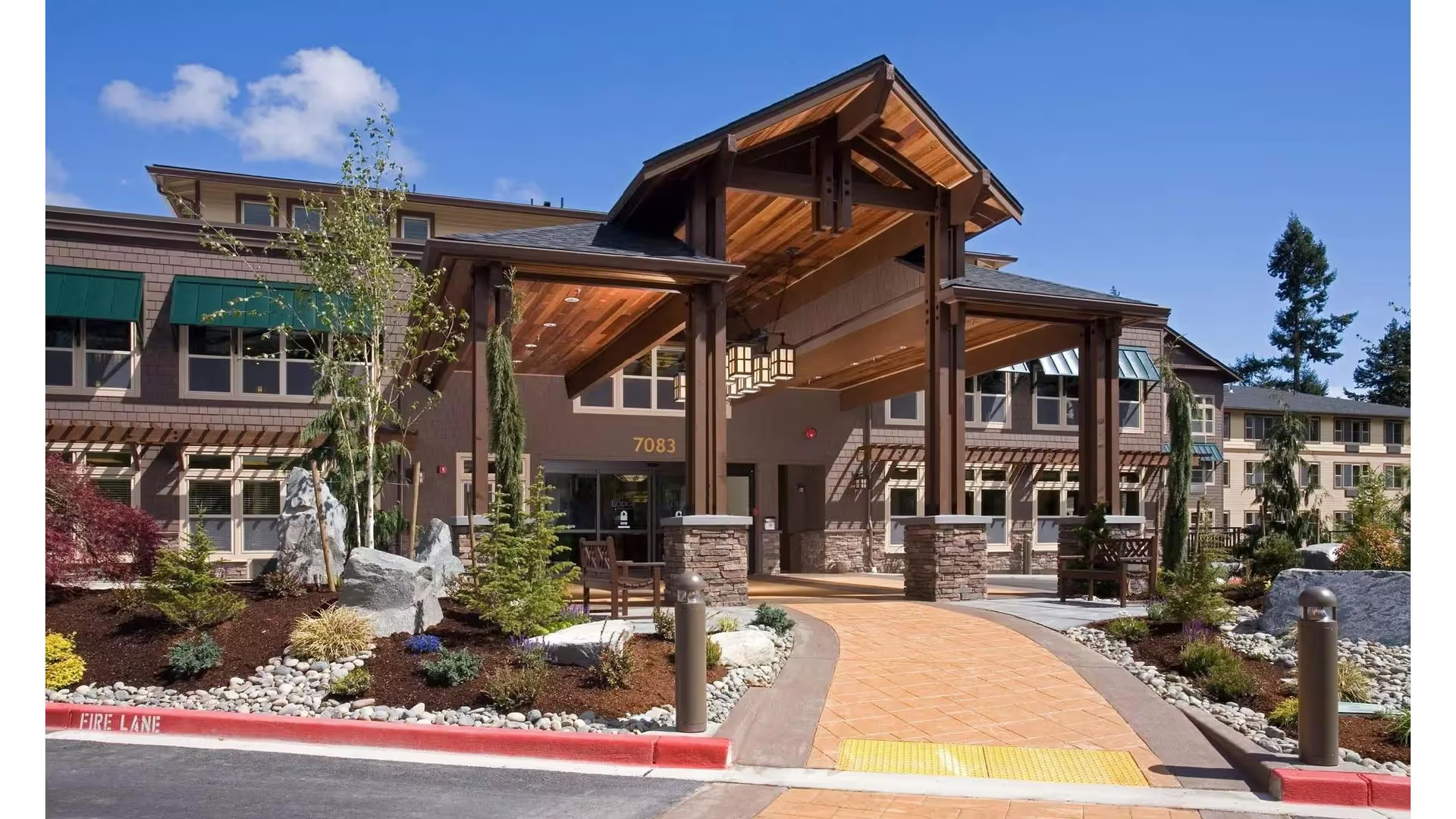
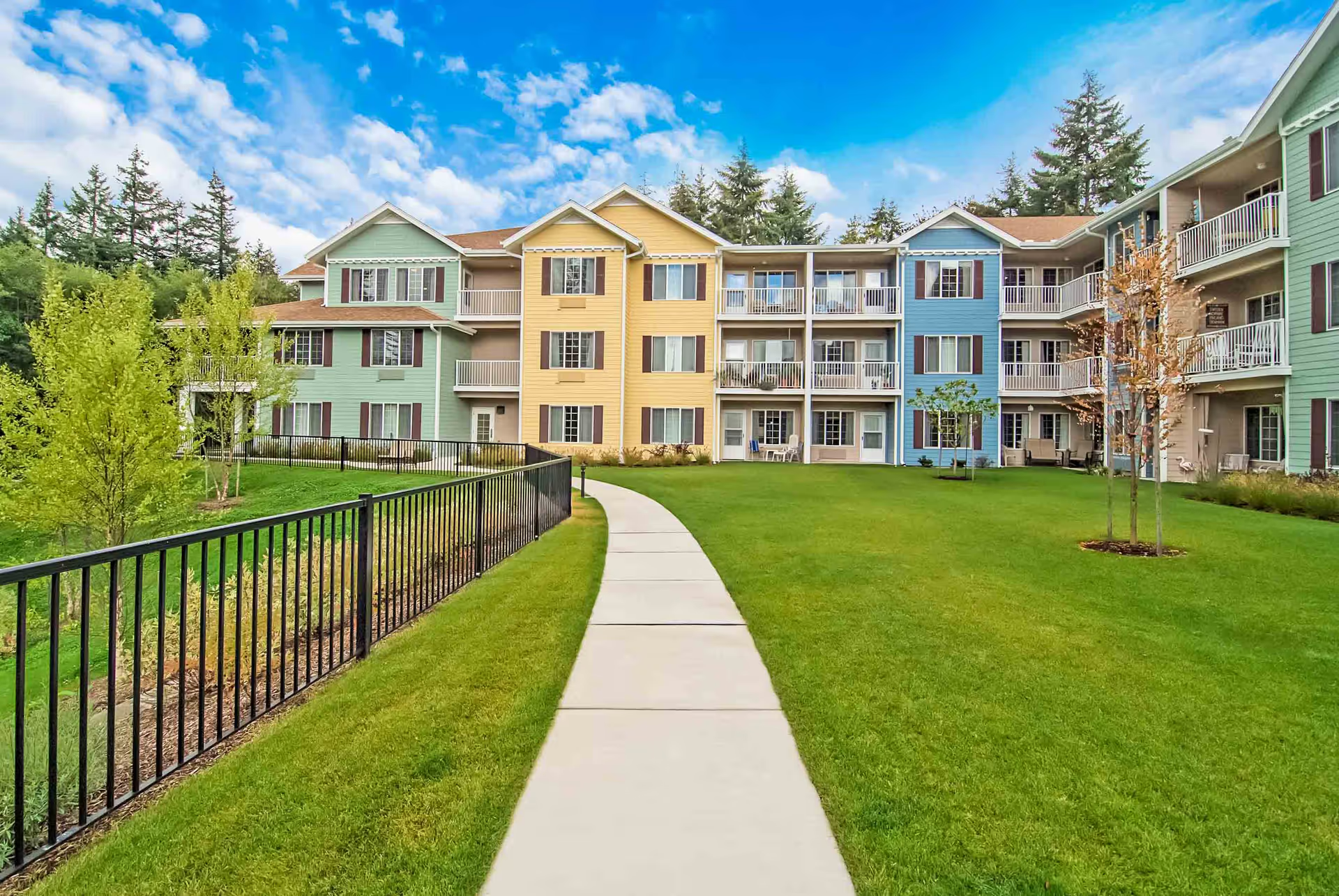
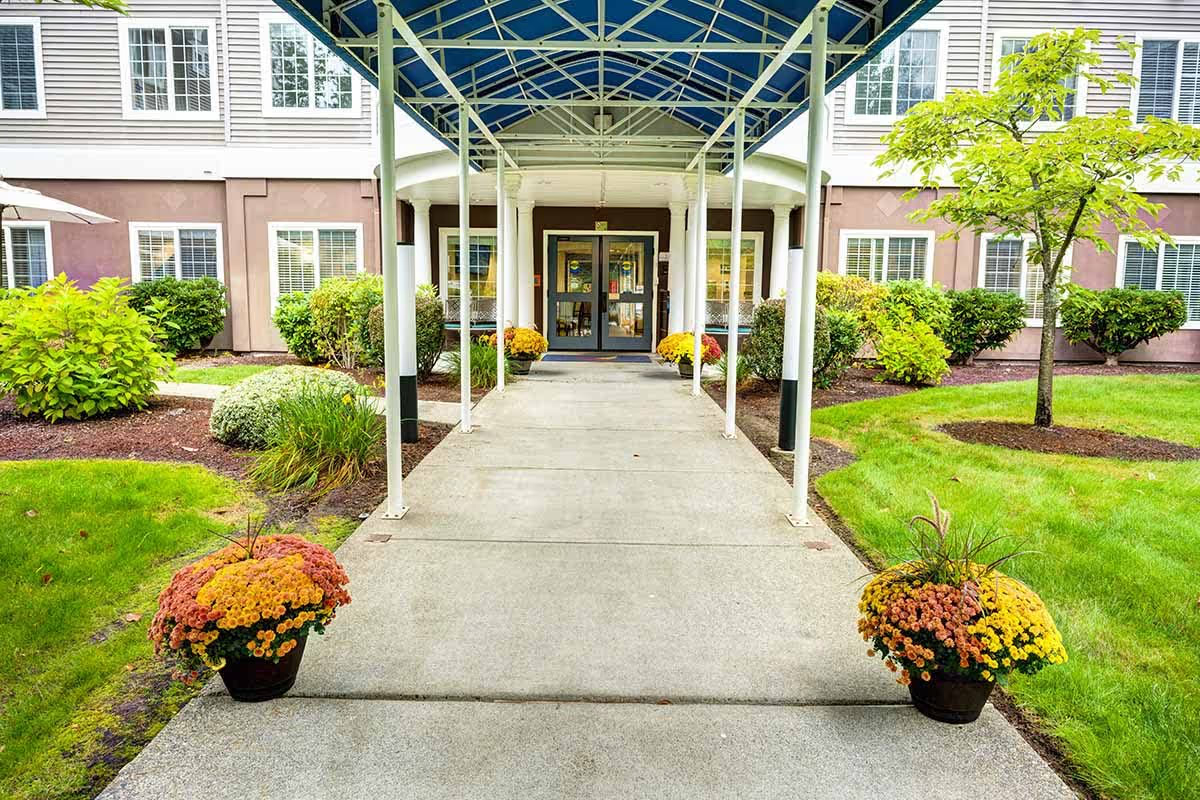
Facility attributes are mixed but generally favorable in areas noted by families: many reviewers described clean, bright apartments, comfortable common areas, and outdoor spaces such as a harbor-view deck. The setting is often described as safe and secure, and several reviewers praised an involved executive director and office staff who handle admissions and insurance efficiently. For families moving from more problematic placements, Harbor Bay often represented a clear improvement in care and responsiveness.
At the same time, a pattern of operational weaknesses emerges. Staffing consistency and clinical oversight are uneven: reviewers mention periods of understaffing, variable responsiveness between nursing staff members, and occasional absence of RN-level oversight. Leadership instability is another recurring theme; director turnover and interim management were noted and, in one serious instance, an allegation of serious misconduct prompted leadership changes and concern about higher-level response. Administrative processes show variability as well—billing, promised home-care services, and intake paperwork have been described as cumbersome or inconsistently delivered by staff.
Cleanliness and facilities maintenance are generally described as good, but several reviews raised sanitation and odor-control concerns and gaps in routine housekeeping at times. The building is described as older, with limited dedicated physical therapy or activity-room space, which may constrain some programming and rehabilitation services. Activity visibility also varies: while many reviewers saw active programming, others perceived a lack of visible activities or unclear schedules during visits.
Taken together, Harbor Bay appears well suited for families seeking a small, memory-care environment with compassionate staff, social programming, and a homelike atmosphere. Prospective residents and families should weigh those strengths against operational variability: confirm current staffing patterns and clinical coverage, review the most recent leadership and quality-improvement actions, clarify exactly which services are included versus those that require additional arrangements, and ask about housekeeping and maintenance protocols. Several families advised that residents often take a few months to settle in; an initial trial period or respite stay may help assess fit in practice.