The reviews for Grandview Assisted Living present a highly mixed picture. Many families and residents praise individual caregivers and some administrative staff for being caring, communicative, and attentive; activity offerings, a wellness room/spa, and improved outdoor patio spaces are cited as positive elements, and several accounts describe a family-like community atmosphere. At the same time, a substantial set of concerns recurs across reviews and points to operational inconsistency.
Care quality and clinical monitoring: Positive accounts emphasize compassionate day-to-day caregiving and responsiveness to call-buttons where improvements have been made. However, there are repeated concerns about delays in attending to resident needs, variability in bathing and personal-care schedules, and gaps in monitoring dietary restrictions or allergies. These patterns suggest inconsistent adherence to clinical and personal-care protocols; families should specifically verify care plans, bathing schedules, and allergy-management procedures during a visit.
Staff and communication: Several reviewers describe staff who are warm and knowledgeable, and named staff members and administrators are cited as communicative and helpful. Conversely, other reports raise concerns about staff conduct, curt or harsh communication tone, and an overall sense of overwork. Staffing levels are described as inconsistent, which reviewers connect to slower response times, scheduling changes, and uneven quality of interactions. Prospective families should ask about current staffing ratios, turnover rates, and staff training policies.
Dining and food oversight: Some reviewers praise the dining environment and service, yet others describe inconsistent meal oversight and instances where residents’ food and care packages were not reliably protected. There are also descriptions of limited portioning practices that left residents dissatisfied. These indicate variable operational control in the dining area and food-handling processes; confirming meal schedules, portion policies, and food-storage procedures is advisable.
Activities and social environment: Activity programming receives positive mentions from multiple sources, with engaging offerings and a lively atmosphere in parts of the building. At the same time, some residents and families described minimal activities or a noticeably institutional feel in certain units. Activity consistency appears to vary by neighborhood or staff assignment.
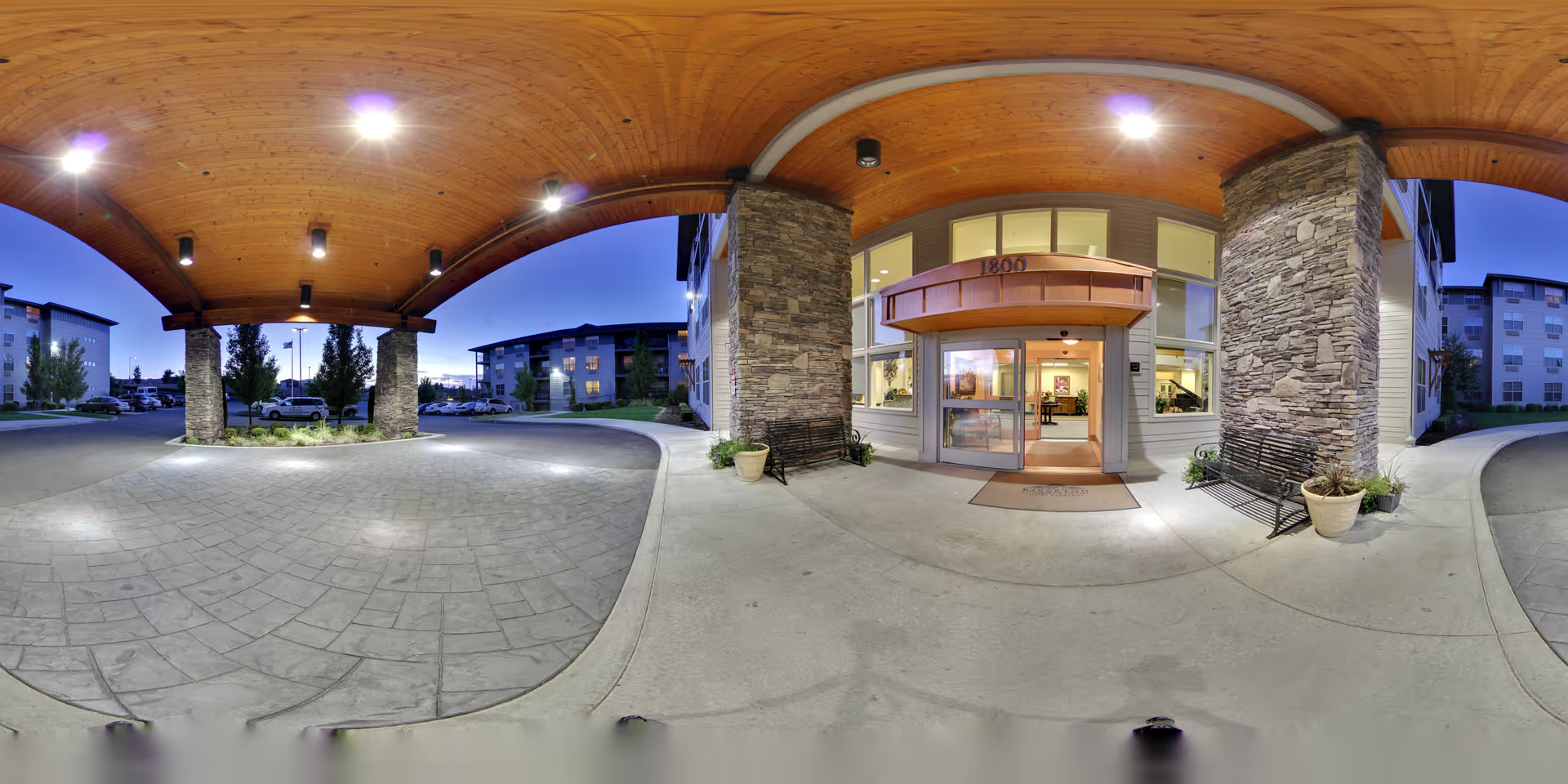
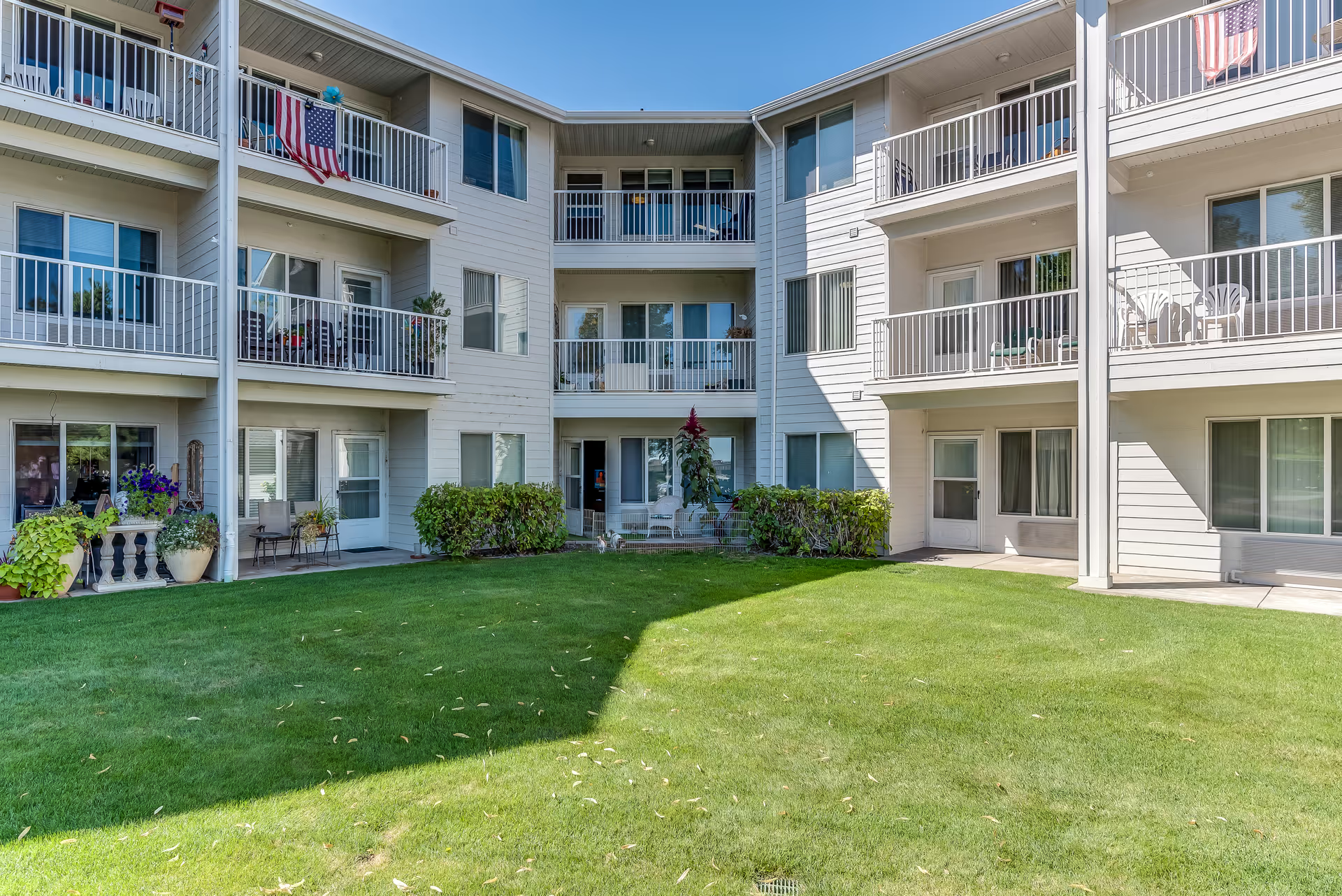
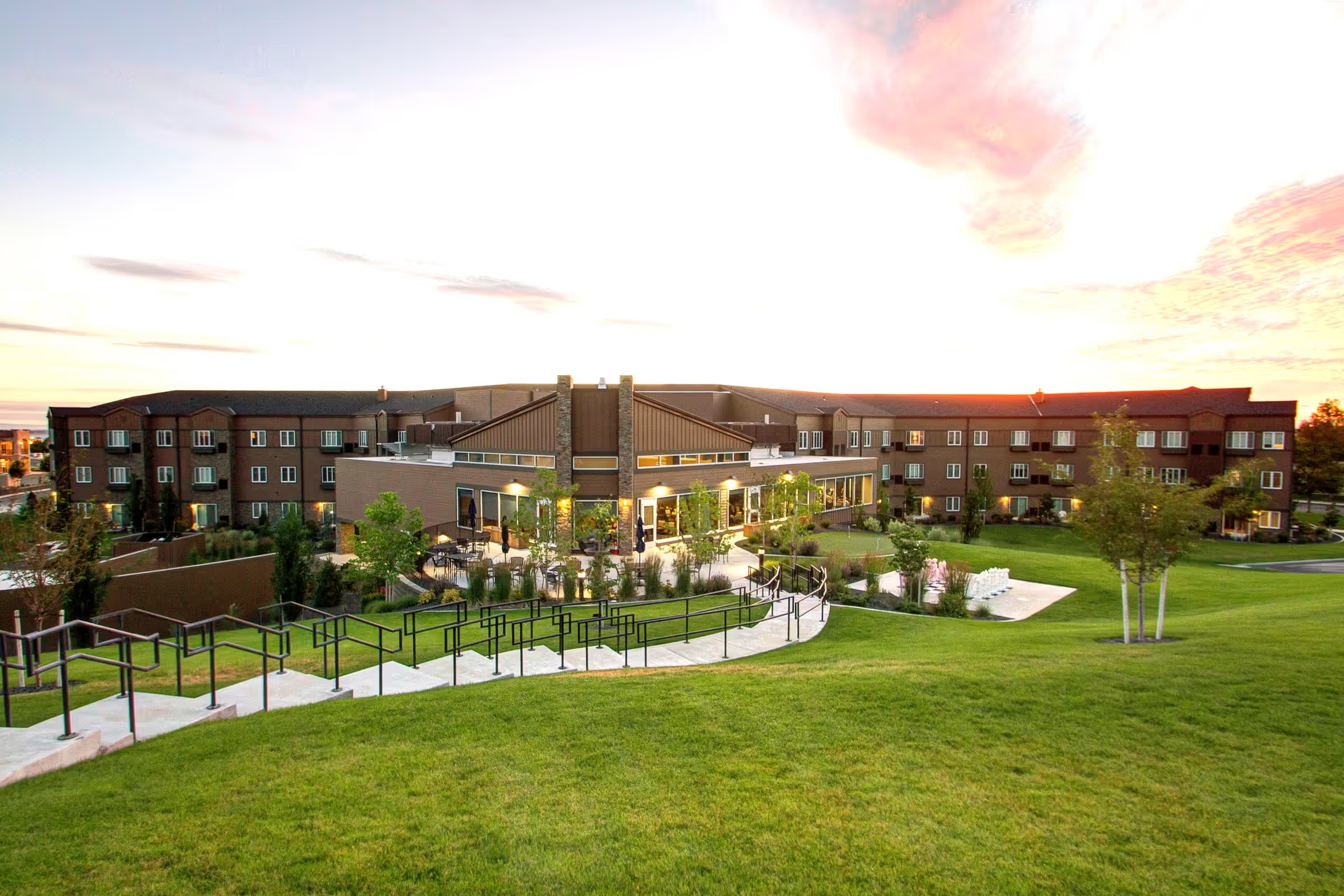
Facilities and safety: Positive comments note well-kept common areas and recent improvements to outdoor spaces. However, practical safety concerns appear in multiple accounts: unsecured entry points, unclear signage, and general access-control weaknesses. Sanitation concerns and unpleasant odors in common areas are also highlighted, indicating variable housekeeping and incontinence-care practices. Visitors should observe entry/security arrangements and the cleanliness of corridors and communal spaces during a tour.
Management and operations: Experiences with management are mixed. Some families describe a responsive, professional administrator who keeps them informed; others report unresponsiveness to calls, inconsistent complaint resolution, abrupt scheduling changes, and personnel decisions that felt unfair. There are also mentions of conflicting review signals and potential questions about review authenticity, which creates additional uncertainty about how representative any single review is. Clarify complaint procedures, escalation paths, and recent regulatory or inspection records when evaluating the community.
Notable patterns and practical guidance: The strongest theme is variability — some residents receive high-quality, attentive care in a welcoming environment, while other accounts describe operational lapses that affect cleanliness, responsiveness, and resident dignity. For prospective residents and families, an in-person visit during peak hours, review of recent survey/inspection reports, a walk-through of different neighborhoods, and direct questions about staffing ratios, care schedules, and complaint-resolution processes will help reconcile these mixed impressions. Where specific concerns (for example, food security, access control, or allergy monitoring) are critical, request written policies and examples of recent corrective actions.
Overall, Grandview appears to offer positive elements in caregiving, amenities, and social programming, but consistent delivery across the facility is uneven according to reviews. Careful, targeted due diligence will be important for families considering placement.