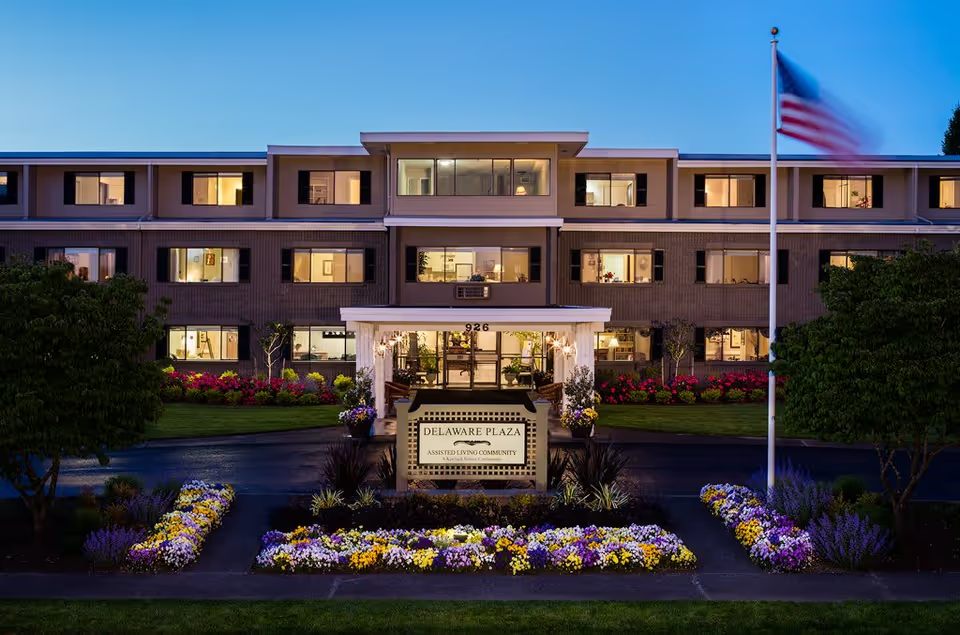
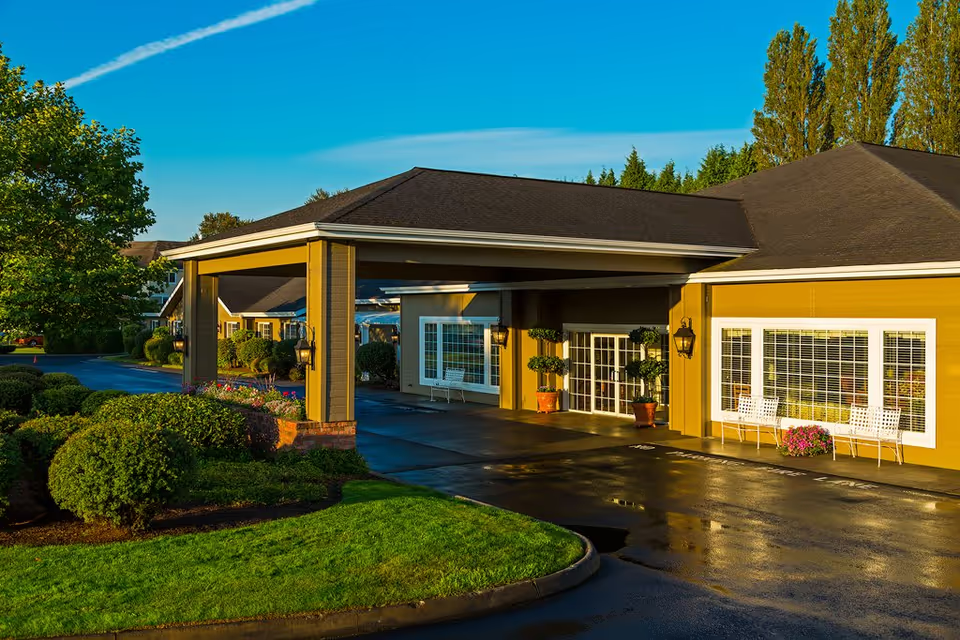
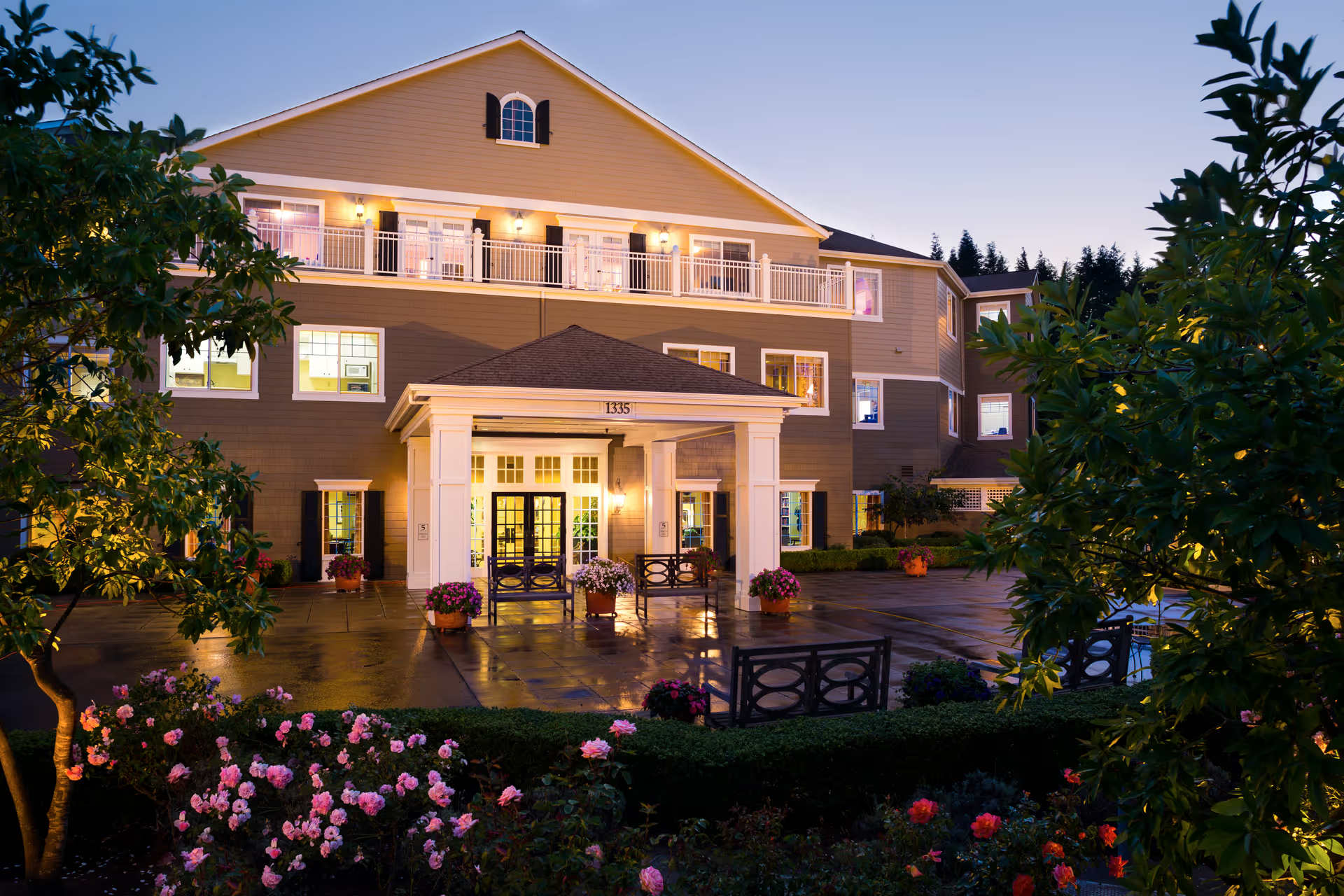
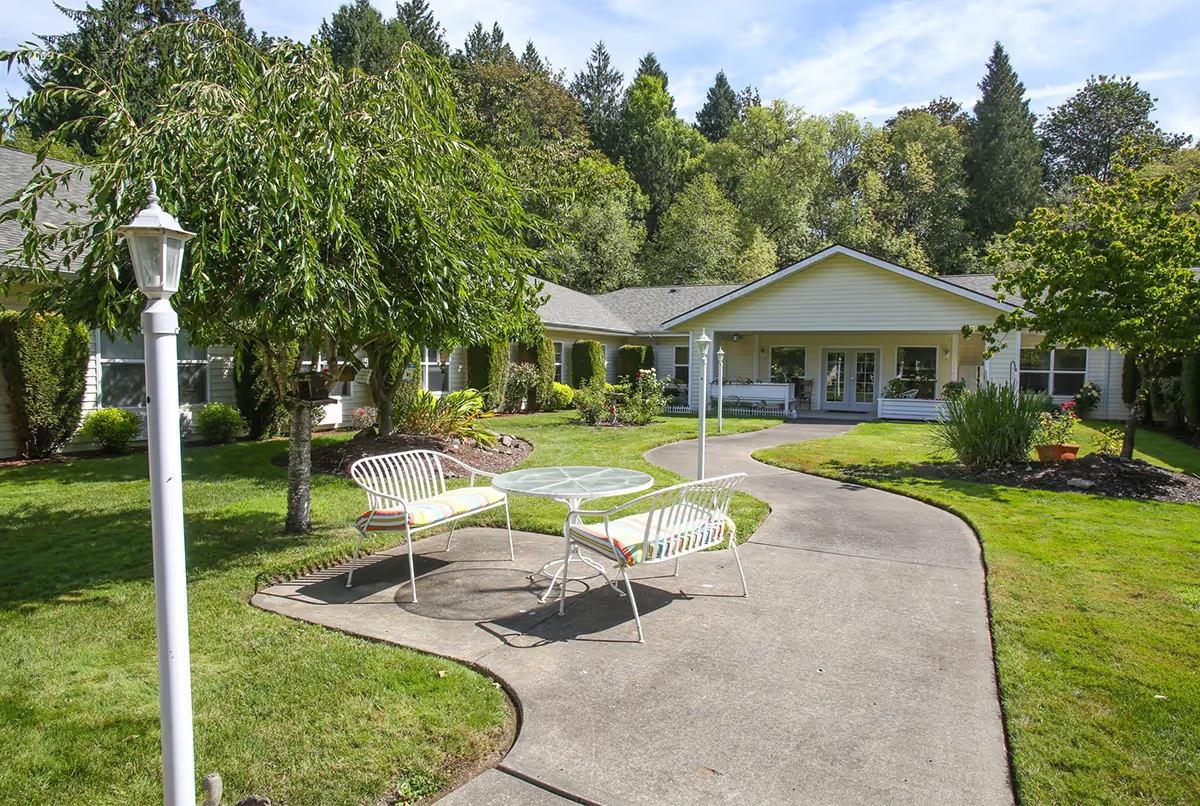
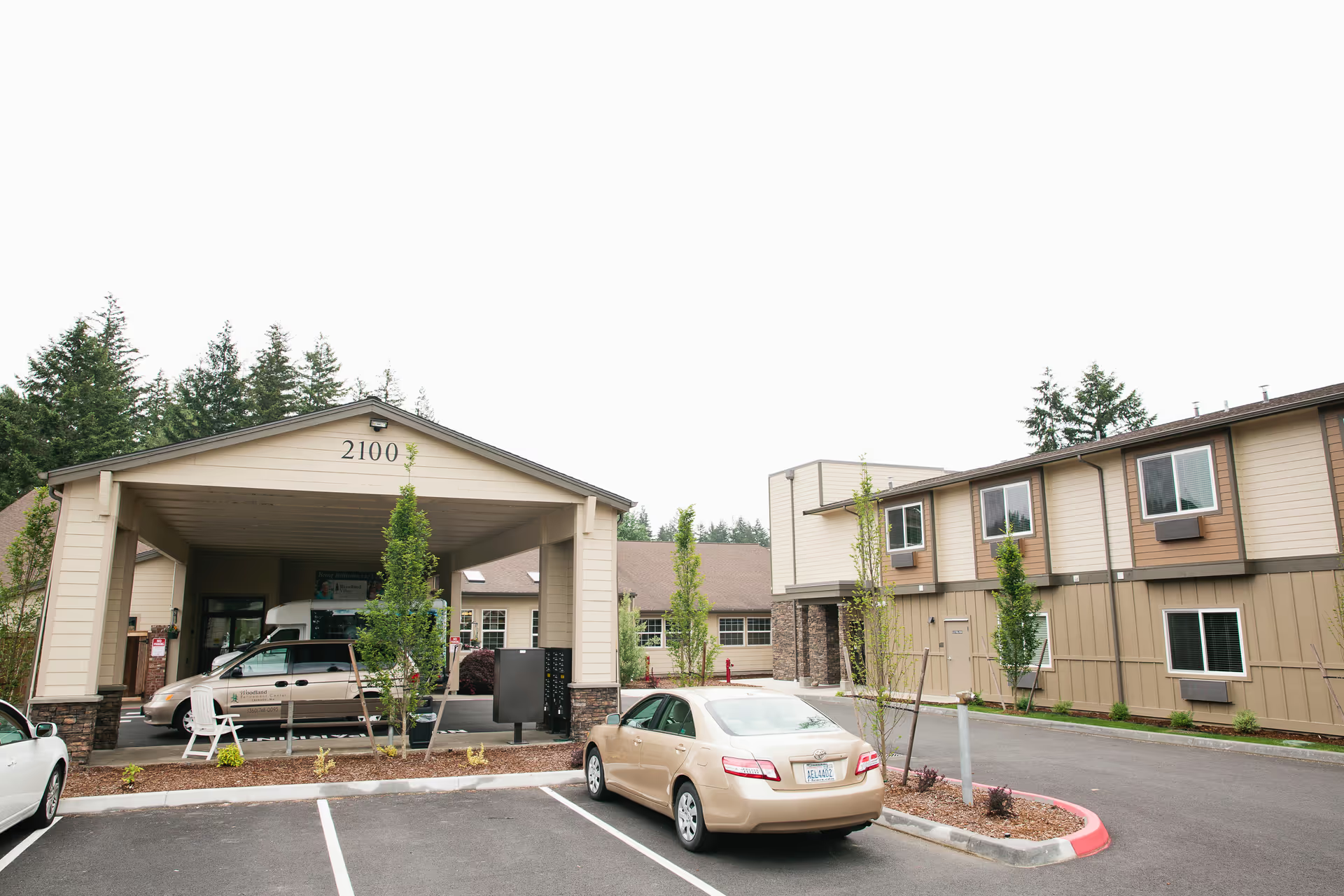
The supplied reviews present a sharply mixed picture of care at the facility. Several reviewers offer high praise for individual caregivers and the physical environment, describing staff as warm, loving, and reliable and praising attractive houses and a homelike setting. At the same time, other reviews raise substantive operational concerns that point to inconsistent care quality across different shifts or units.
Care quality appears to vary. Positive comments emphasize respectful, affectionate interactions and families that feel comfortable with long-term placement. Conversely, critiques focus on what reviewers describe as minimalist care practices and delays in attending to resident needs. There are particular concerns about dementia care expertise and supervision, with suggestions that staff training and oversight do not consistently meet the needs of residents with cognitive impairment.
Staffing and staff conduct are central themes. Many favorable comments single out particular caregivers as outstanding; however, other reviewers report inattentiveness related to device use, impatience, and being overextended. These accounts collectively suggest uneven staffing levels and variability in staff behavior and responsiveness throughout the day or between teams. Safety-system issues are also implied: families noted gaps in supervision and in environmental controls that could reduce escape risk or enable closer monitoring of residents.
Dining and daily living services are another area of divergence. Positive feedback does not emphasize dining, while negative comments describe limited meal variety and occasions where choices were very basic. That pattern indicates inconsistency in meal planning and quality rather than a uniformly poor dining program.
Activity programming is frequently described as limited and passive, with an emphasis on television rather than structured, engaging activities. The consequence reported by reviewers is prolonged sedentary periods and low resident engagement, which has implications for both quality of life and functional maintenance.
Taken together, the pattern in these summaries is one of variability: the facility clearly has staff and spaces that families value, but operational weaknesses — notably inconsistent supervision, gaps in dementia training, medication-management vulnerabilities, limited activity programming, and uneven dining quality — undermine a uniformly positive experience. Prospective residents and their families would benefit from on-site conversations about staffing ratios, dementia-care training, medication administration and refill protocols, safety and monitoring systems (including door alarms or similar measures), and a sample activity and dining schedule to understand how the facility maintains consistency across shifts and units.