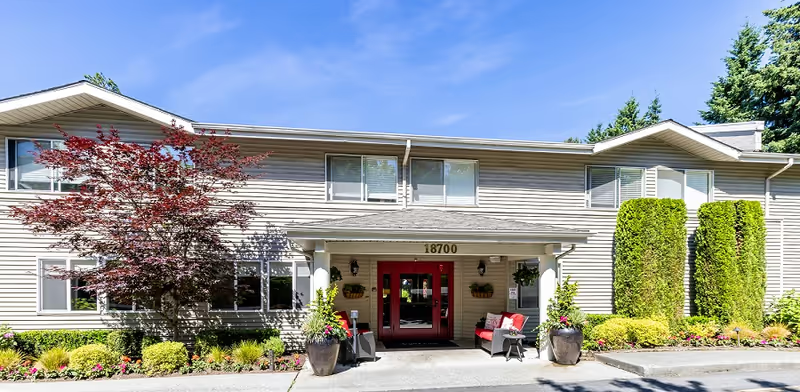
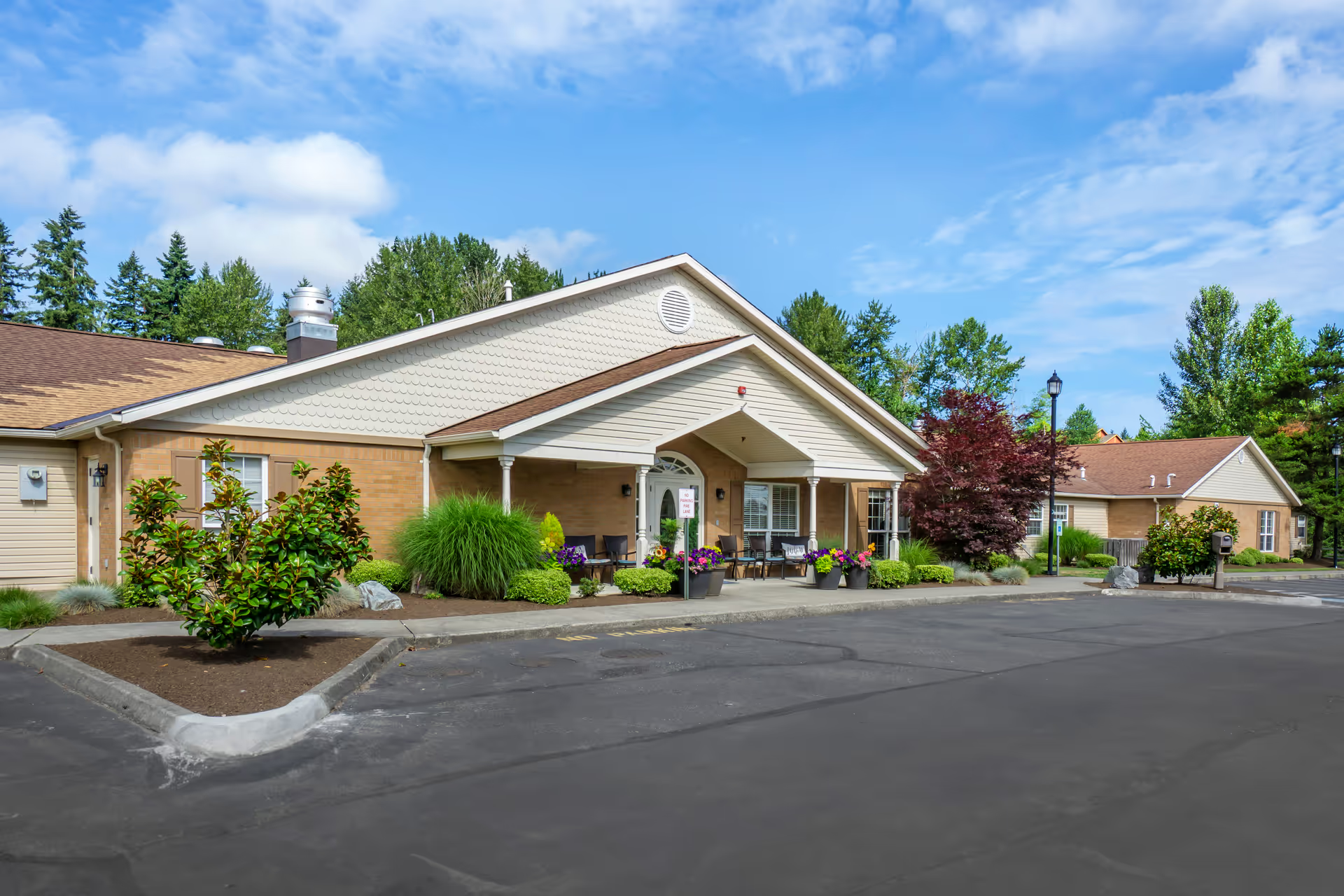
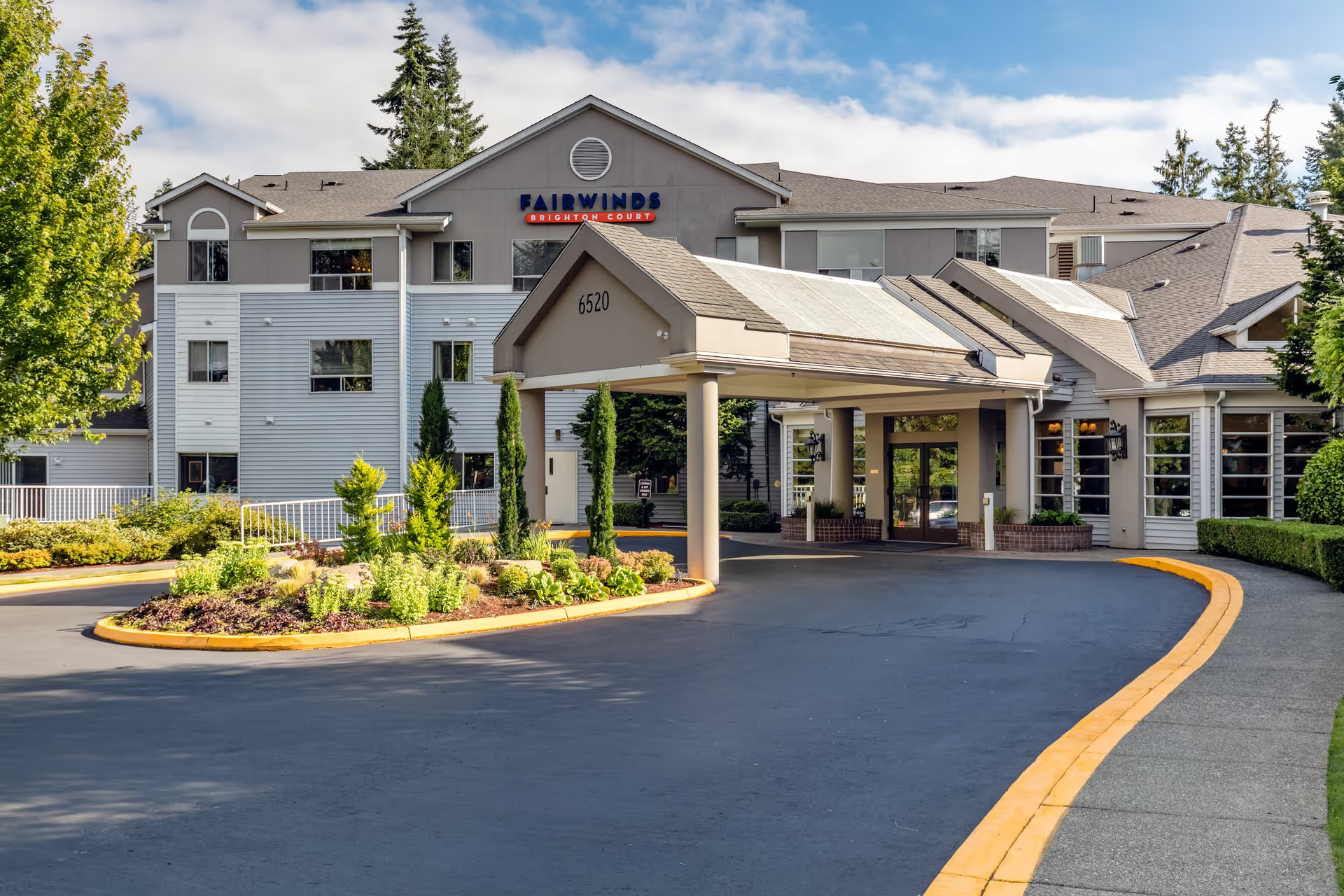
Overall impression: The dominant pattern across the summaries is of a small, owner-managed adult family home that emphasizes a warm, home-like environment with highly personalized care. Many families describe an immediate, welcoming intake, individualized care plans that replicate familiar routines, and continuous staff presence. The setting is frequently characterized as clean, freshly-built or newly updated, quiet, and conveniently located near amenities; resident rooms are described as cozy and spacious.
Care and staff: Care is generally described as compassionate and hands-on, with medically trained personnel available around the clock and strong owner involvement. Reviewers commonly cite one-on-one attention, respectful treatment that preserves dignity, and staff who encourage healthier eating and increased activity. The owner/staff accessibility and a family-oriented culture are repeated positives, and several comments highlight consistent primary caregivers who build trusting relationships with residents and families.
Dining and activities: Dining is a clear strength in many accounts. Meals are described as fresh, offered on time, and tailored to individual preferences with choices and frequent snacks. Staff attention to replicating resident routines and preferences at mealtimes appears to support appetite and comfort. Activity-related notes are less detailed but indicate encouragement toward more movement and healthier food choices as part of daily care.
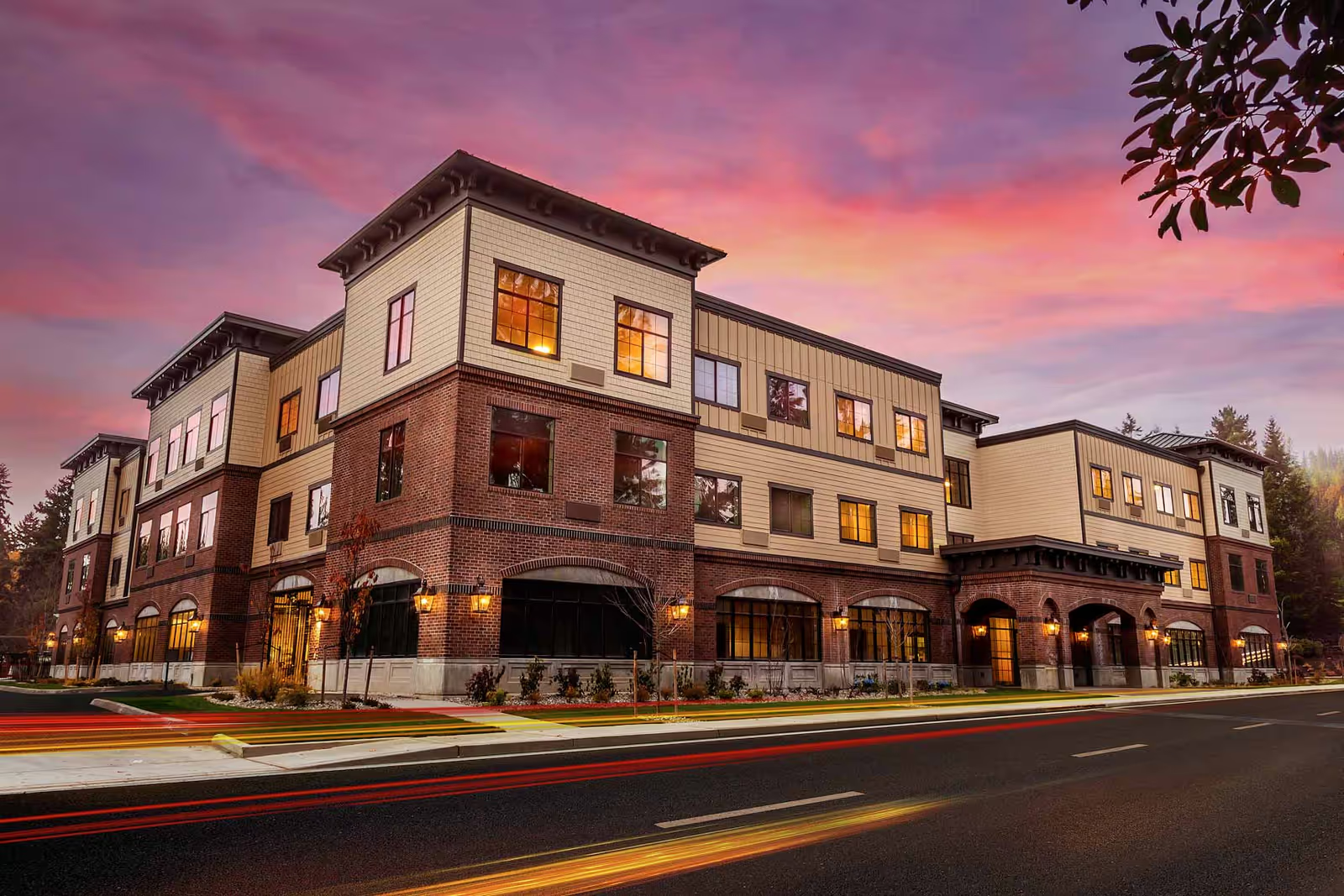
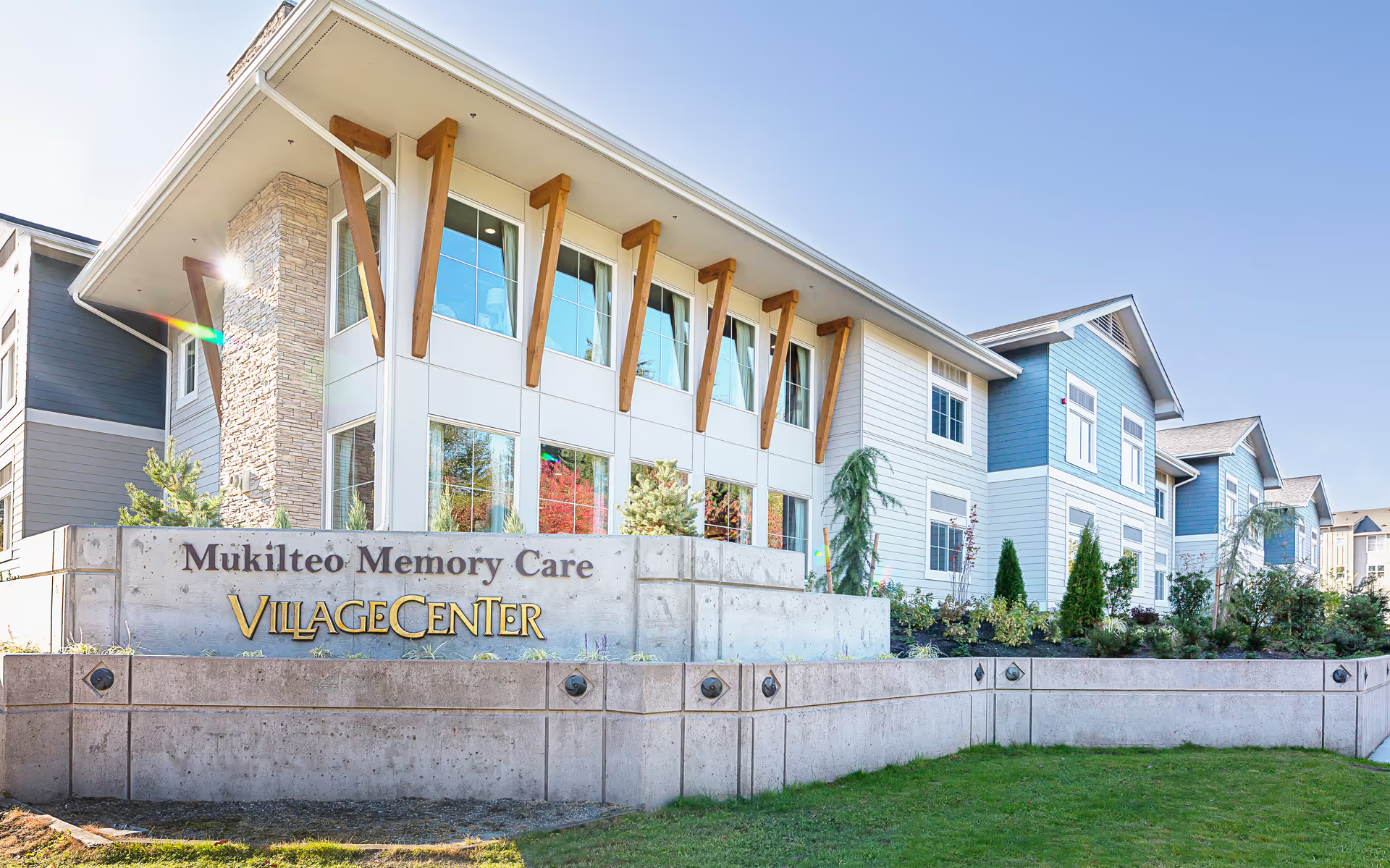
Facilities and management: Physical plant and housekeeping are frequently praised—responses describe immaculate common areas, a new-build quality, and an atmosphere that feels like a private home rather than an institutional setting. Management is portrayed as approachable and involved; families report good communication and encouraged participation in care decisions.
Notable patterns and concerns: While the preponderance of feedback is positive, there is an outlier account describing a serious care lapse with prolonged unattended periods, rapid health decline, and related personal-care concerns. That report also raised issues about staff experience and language barriers. Taken together, these points suggest unevenness in operational reliability: staffing experience and language competence, responsiveness during shifts, clinical monitoring and escalation protocols, and incontinence-care/sanitation practices may vary. Additionally, one summary referenced an allegation of criminal conduct; that is a severe individual claim that warrants verification and follow-up by prospective families and regulators.
Guidance for prospective families: Given the mix of strong positive endorsements and at least one severe negative account, families should conduct focused due diligence. Recommended questions include: What are staff training and language capabilities? How does the facility ensure continuity and consistency of primary caregivers across shifts? What clinical-monitoring, escalation, and emergency protocols are in place and how are they documented? How are personal-care and elimination needs scheduled and audited? Ask to see recent inspection reports, staffing rosters, and references from current families. Visiting in person, observing multiple shifts if possible, and confirming written care plans and communication practices will help assess whether the facility’s strengths align with a particular resident’s needs.