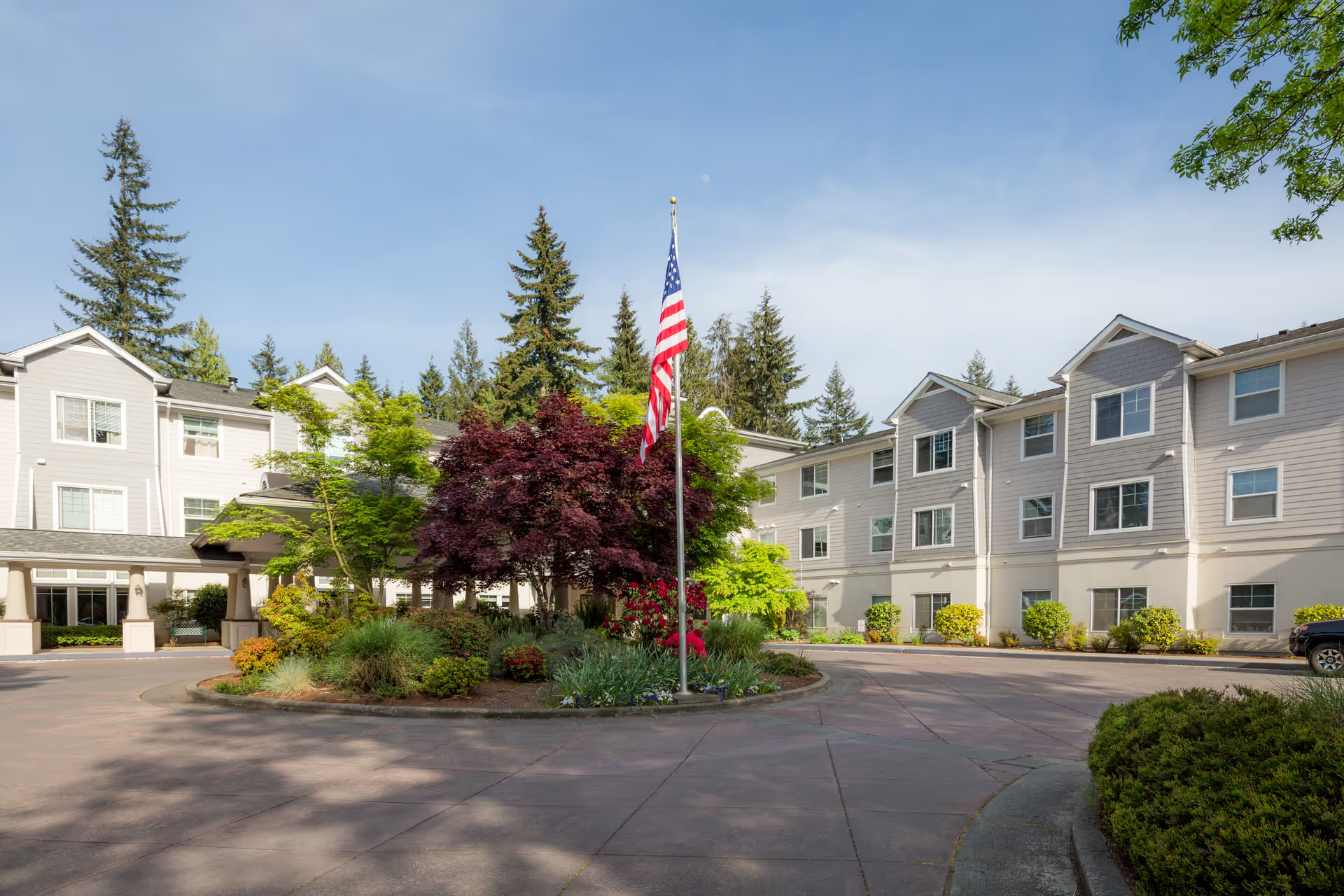
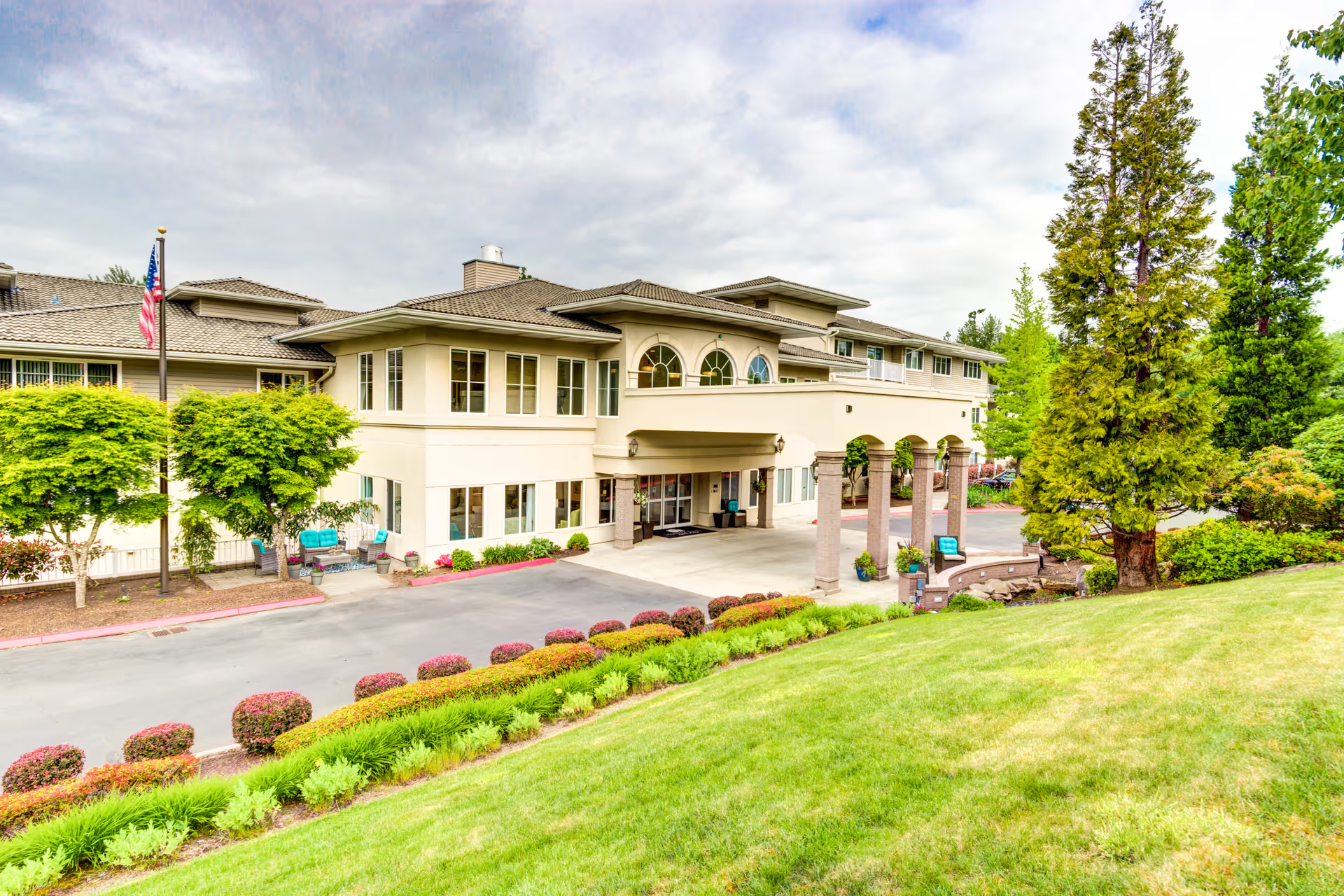
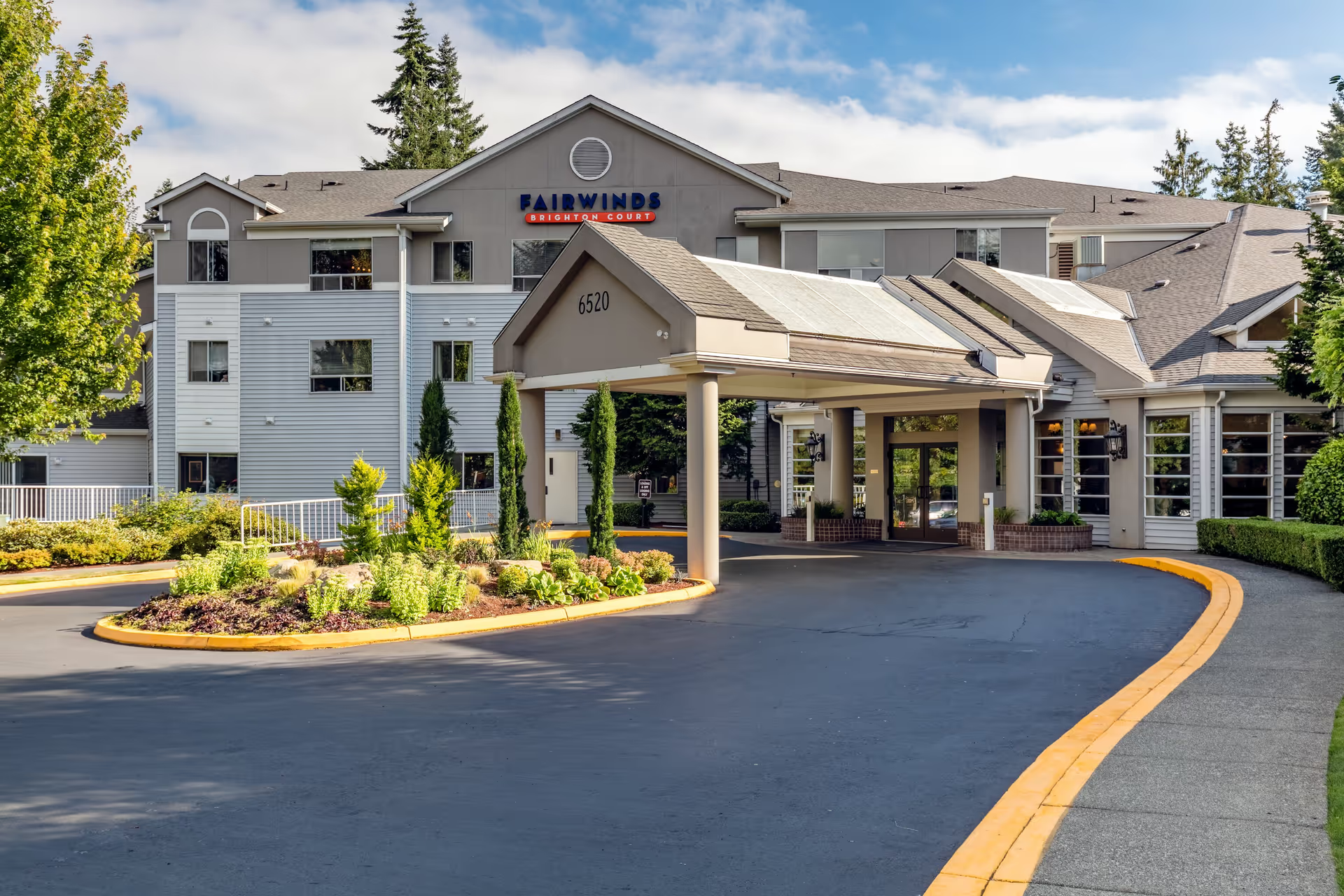
The reviews of Chateau Pacific Retirement present a largely mixed but patterned picture: the facility receives frequent praise for its welcoming environment, long-tenured and personable staff, attractive grounds and amenities, and an active programming schedule, while also drawing recurring operational concerns related to clinical reliability, communication, and pricing transparency.
Care and staff: Many reviewers describe staff as friendly, responsive, and compassionate, noting long-tenured employees who know residents by name and who create a family-like atmosphere. Families and residents frequently credit staff with improving quality of life, especially through supportive interactions and dignified end-of-life care. At the same time, several reviewers raised consistent concerns about clinical reliability — most notably inconsistent medication administration, delays in addressing mobility-limited residents' needs, and uneven incontinence-care practices. Memory-care staffing and training were described as variable, indicating potential gaps between independent/assisted care expectations and memory-care operations.
Dining and nutrition: Dining is often noted as a positive feature: reviewers highlight good portion sizes, customizable meals, special deliveries, and generally enjoyed menus. However, there are recurring comments about dining-service logistics, including crowding at peak meal times, an inconsistent or poorly organized dining system, and occasional failures to accommodate dietary restrictions. Prospective families should verify current meal procedures and accommodation policies before moving in.
Activities and social life: Chateau Pacific's Life Enrichment offerings are a clear strength. Reviewers cite a wide array of programs — weekly social gatherings, happy hours, bingo, spa days, outings, water aerobics, and an expanding movie-theater program — that contribute to meaningful, engaging days for many residents. The community atmosphere and opportunities for social engagement are repeatedly described as drivers of resident well-being and activity levels.
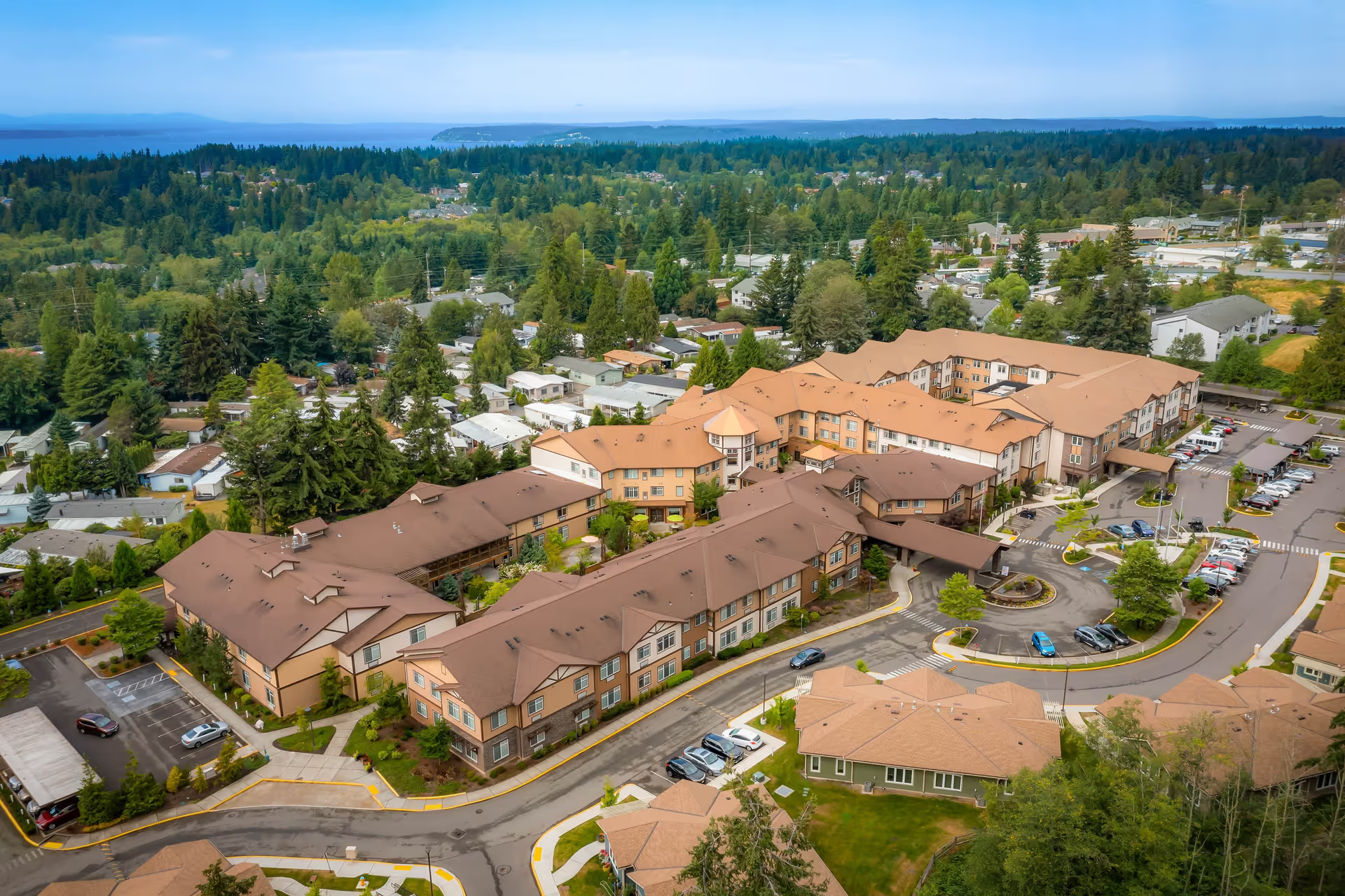
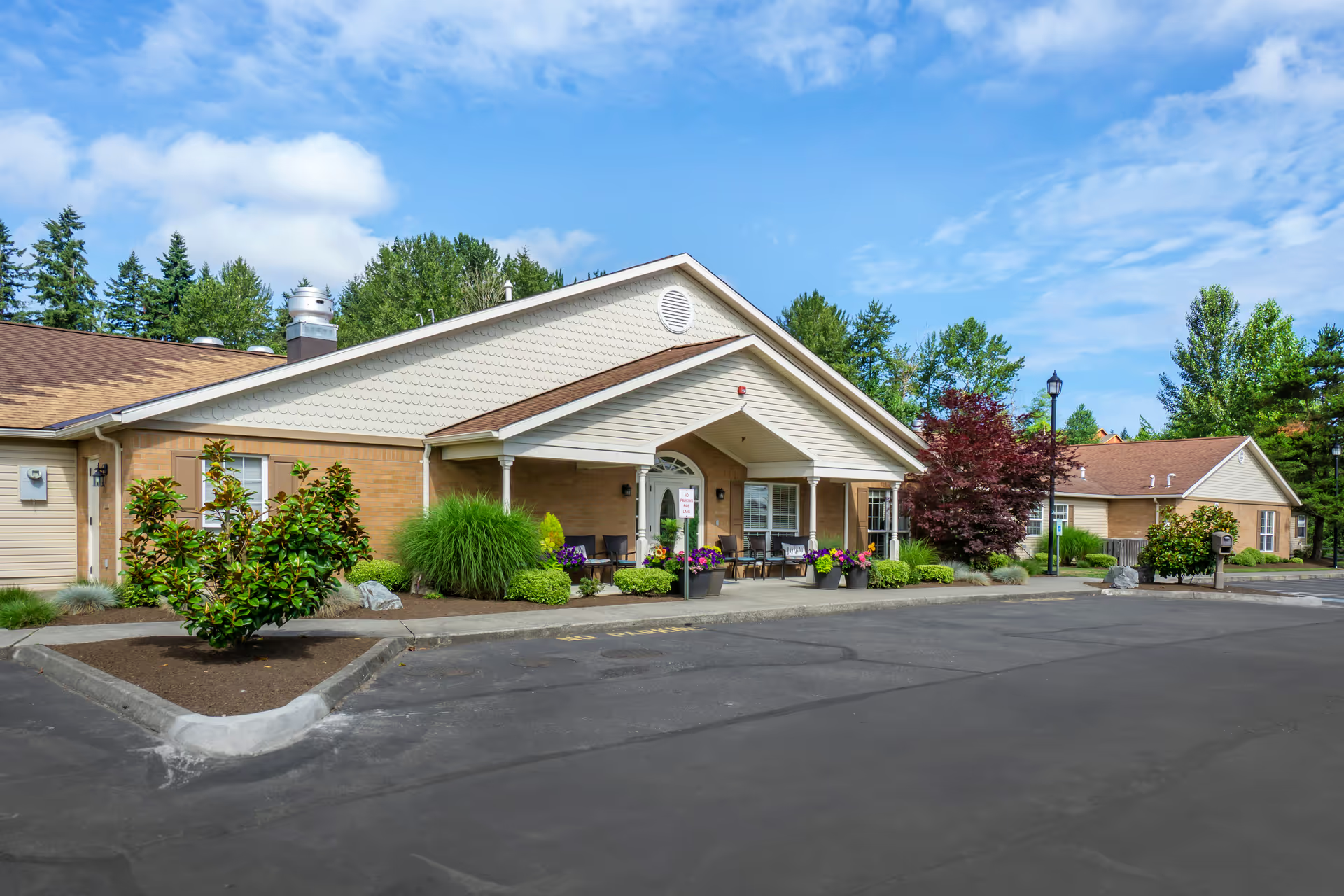
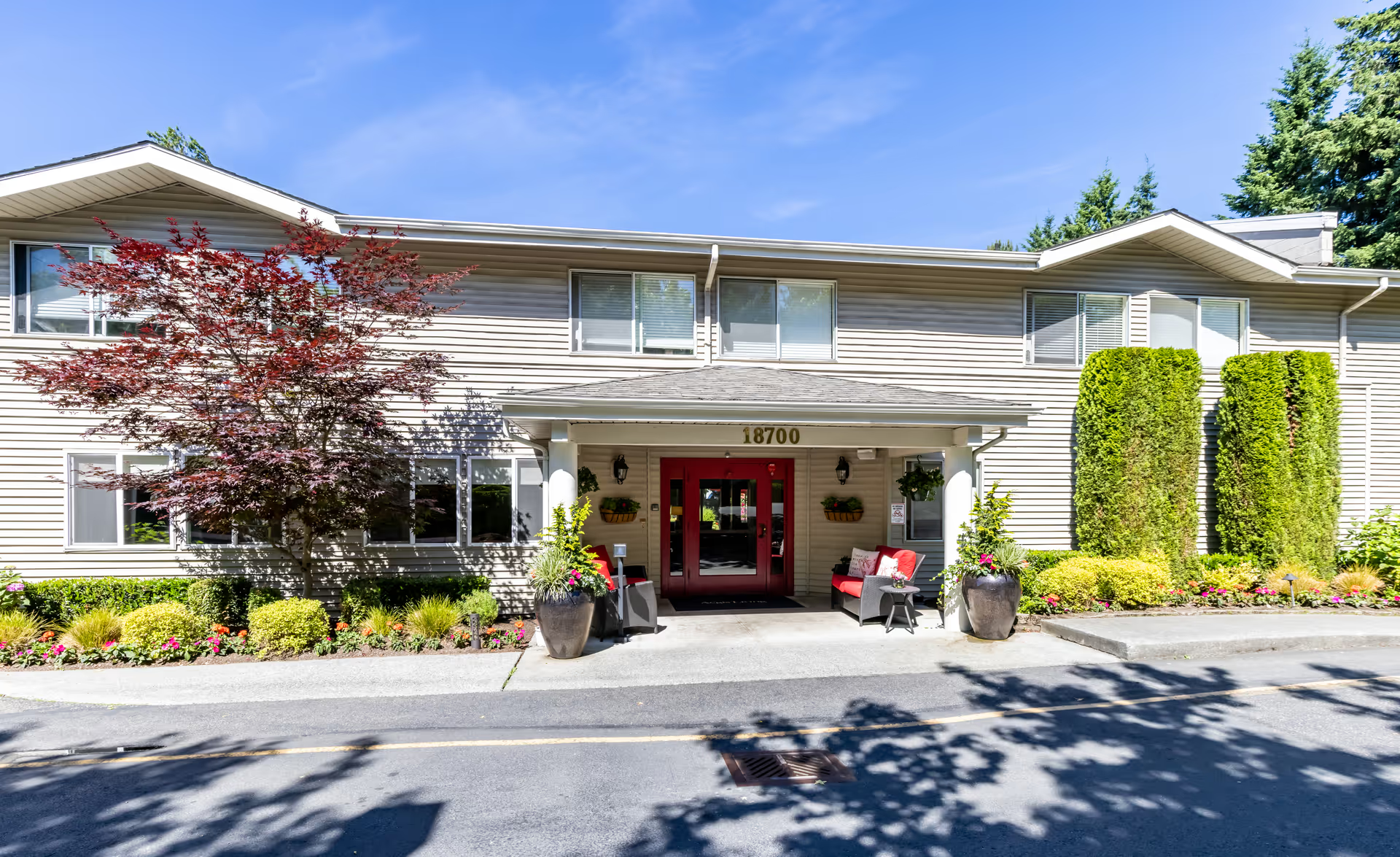
Facilities and amenities: The campus and apartments receive strong positive remarks for maintenance, aesthetics, and amenities. Units with full kitchens, vaulted ceilings, decks or balconies, and in-unit laundry are highlighted as attractive features; common-area amenities such as a therapy pool, hydro tubs, salon, and game rooms add to quality-of-life offerings. Some reviewers, however, find the campus large and busy; the multi-floor layout and scale may be confusing for residents in early stages of cognitive impairment. Location and proximity to major roads were noted by a few as a drawback.
Management, communication, and value: Management performance is described unevenly. Several staff members and managers receive explicit praise, but others report lapses in communication, missed callbacks, and reluctance to provide complete service lists. Pricing is another mixed area: some reviewers find the community affordable or budget-friendly for the amenities provided, while others perceive the cost as high relative to the value, citing additional fees and a point-based or opaque billing structure. Finally, outbreak handling and infection-control practices were a prominent concern in several accounts; critiques include perceived shortcomings in outbreak containment, prolonged hospitalizations, and limited transparency during such events.
Notable patterns and guidance: The dominant pattern is a contrast between strong hospitality/amenity strengths and operational risks in clinical consistency and crisis management. For prospective residents and families, recommended due diligence includes: confirming current medication-management protocols and staff training (especially in memory care), reviewing infection-control and outbreak-response policies, requesting a clear, itemized list of services and fees, and assessing whether the community’s size and layout fit the cognitive and mobility needs of the prospective resident. Overall, Chateau Pacific offers many features that support a vibrant community life, but families should weigh those strengths against the operational concerns described and verify that clinical and communication practices meet their expectations.