Overall impression: Families and visitors consistently praise the interpersonal aspects of care at this facility while identifying several operational weaknesses. Staff behavior, cleanliness, and hospice coordination are commonly described as strengths; however, reviewers also highlight limitations in clinical oversight, activity programming, and dining model that may affect resident comfort and psychosocial well‑being.
Care quality and staff: Caregivers receive strong, repeated commendation for responsiveness, kindness, and respectful handling of residents. Reviewers report clear, regular communication about resident status and visitor activities, and many describe hospice staff collaboration as notably effective. Cleanliness and sanitation are described as exceptional throughout the facility. These strengths suggest a reliably compassionate front-line team and effective housekeeping practices.
Clinical oversight and medication management: Multiple comments point to gaps in on-site clinical coverage, characterized by an absence of a physician on staff and concerns about abrupt medication changes without clear family communication. There are also mentions of diagnostic decisions (for example, imaging) that raised questions about necessity. Prospective families should verify physician coverage arrangements, medication-review protocols, and how the facility communicates clinical changes to families.
Dining and nutrition: The facility appears to use a heat-and-serve model for many meals and often delivers meals to individual rooms. While meal timing, palatability, and the availability of healthy snacks and some fresh fruit earned positive notes, reviewers also mention a limited selection of fresh vegetables and a prepackaged meal emphasis. The practice of room service rather than communal dining reduces opportunities for socialization and was linked by reviewers to increased isolation risk for some residents.
Activities and social engagement: Reviewers consistently describe an absence of planned activities and limited social programming. That operational gap, combined with the in-room meal service and a dated interior, is perceived as increasing the potential for resident isolation and low mood. Families seeking an active, program-driven environment should confirm available social and recreational offerings with management.
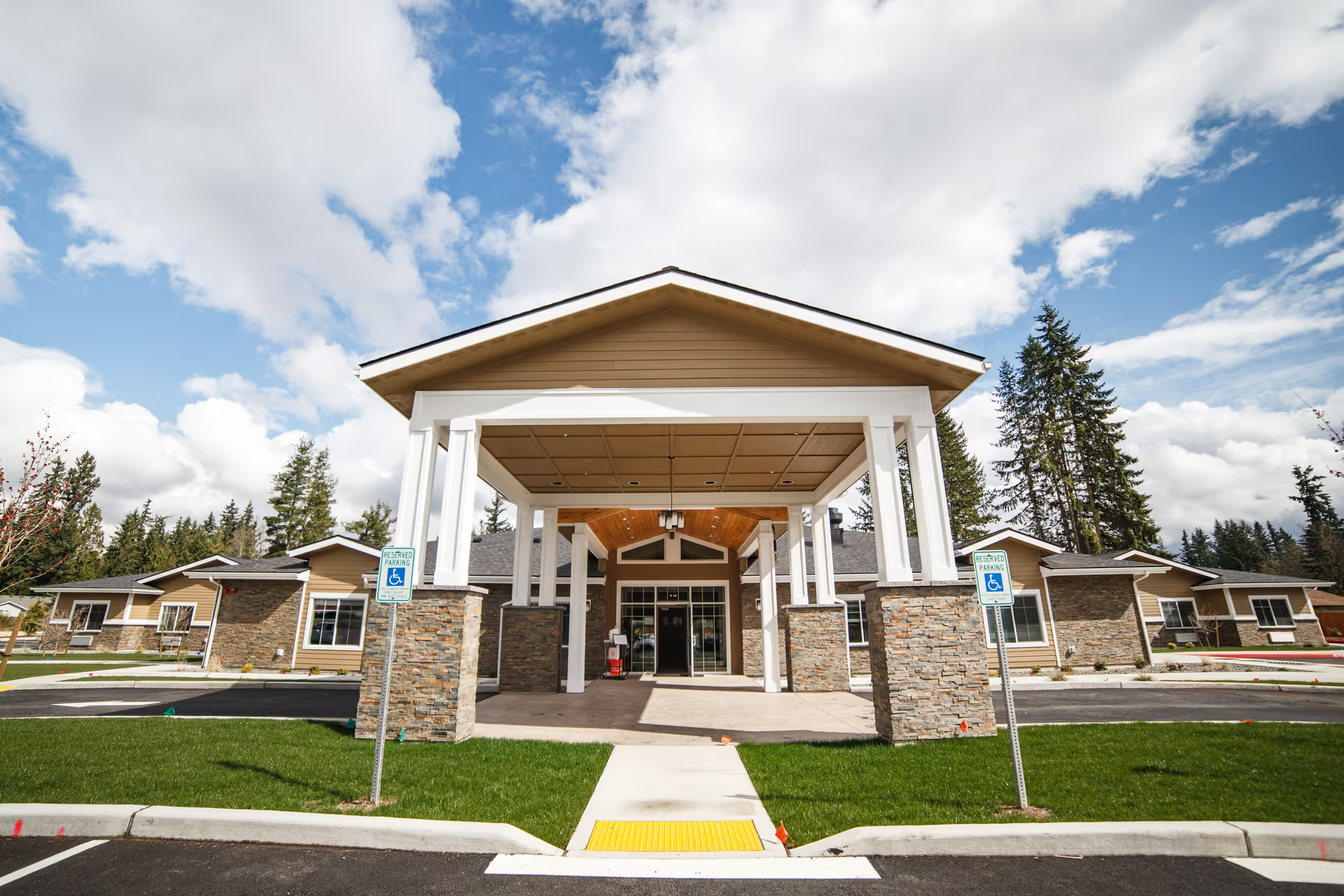
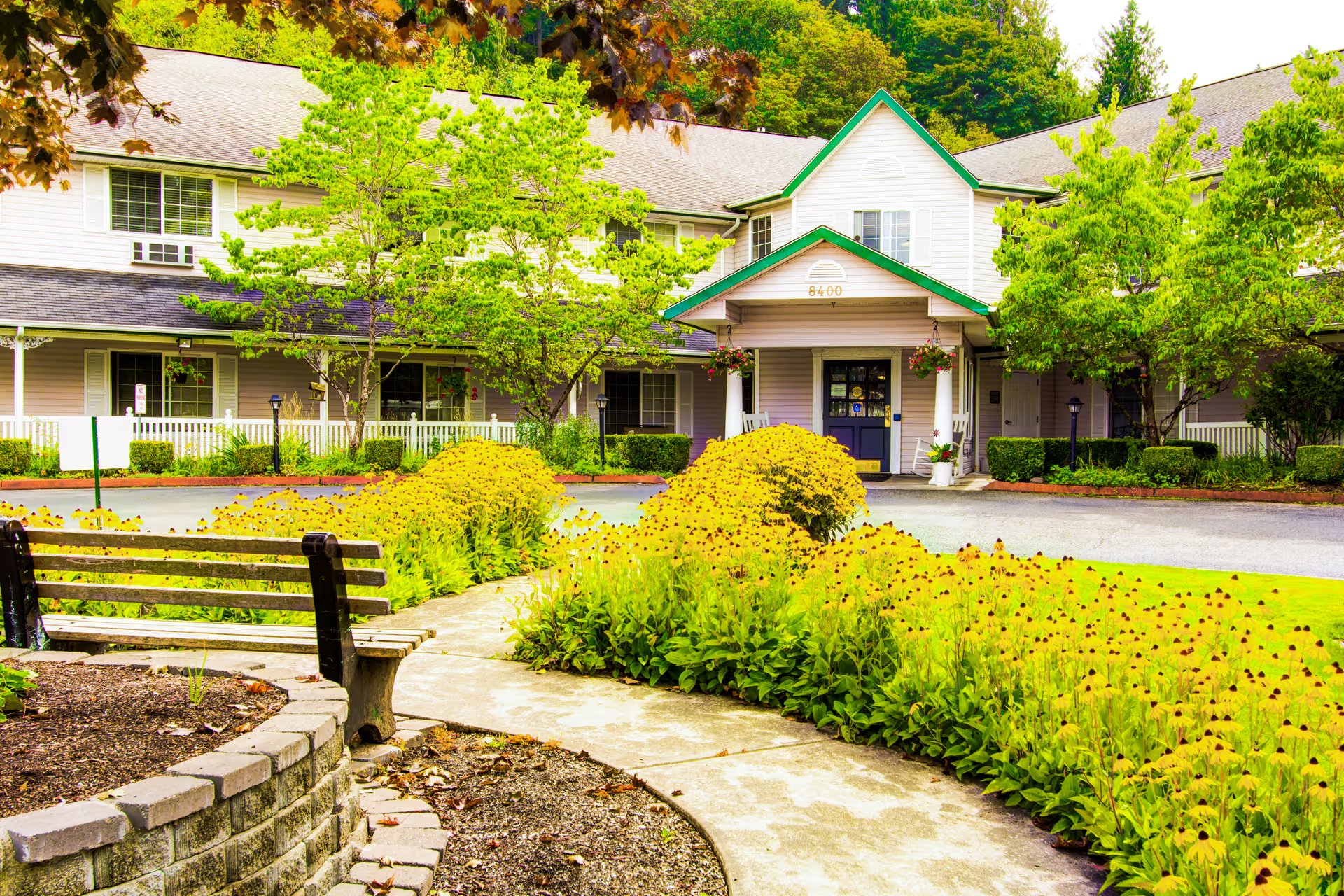
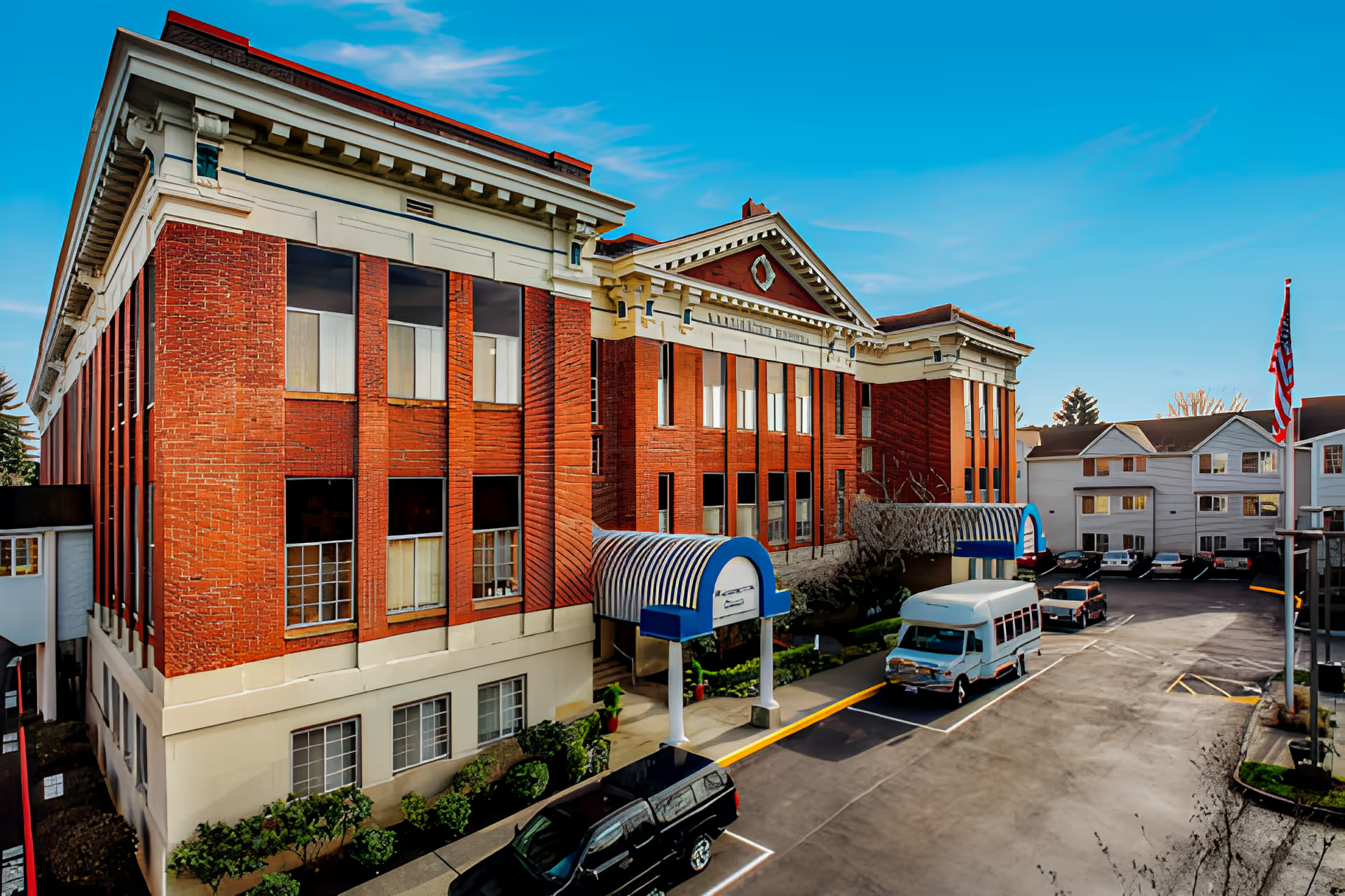
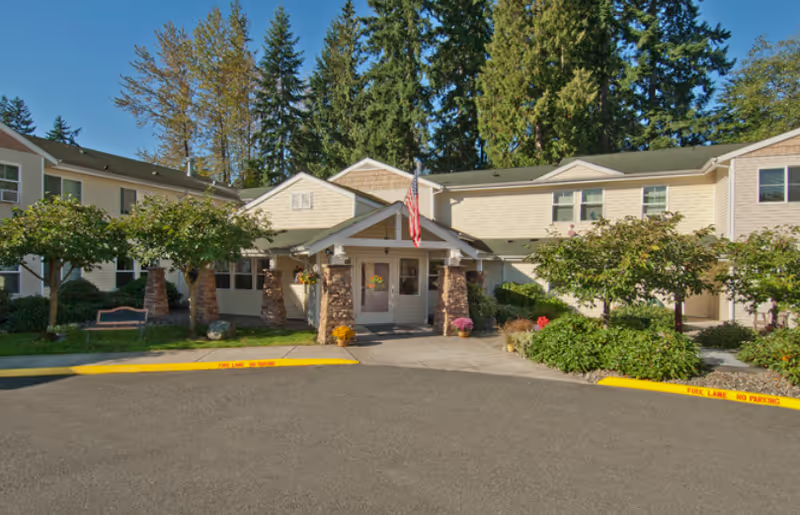
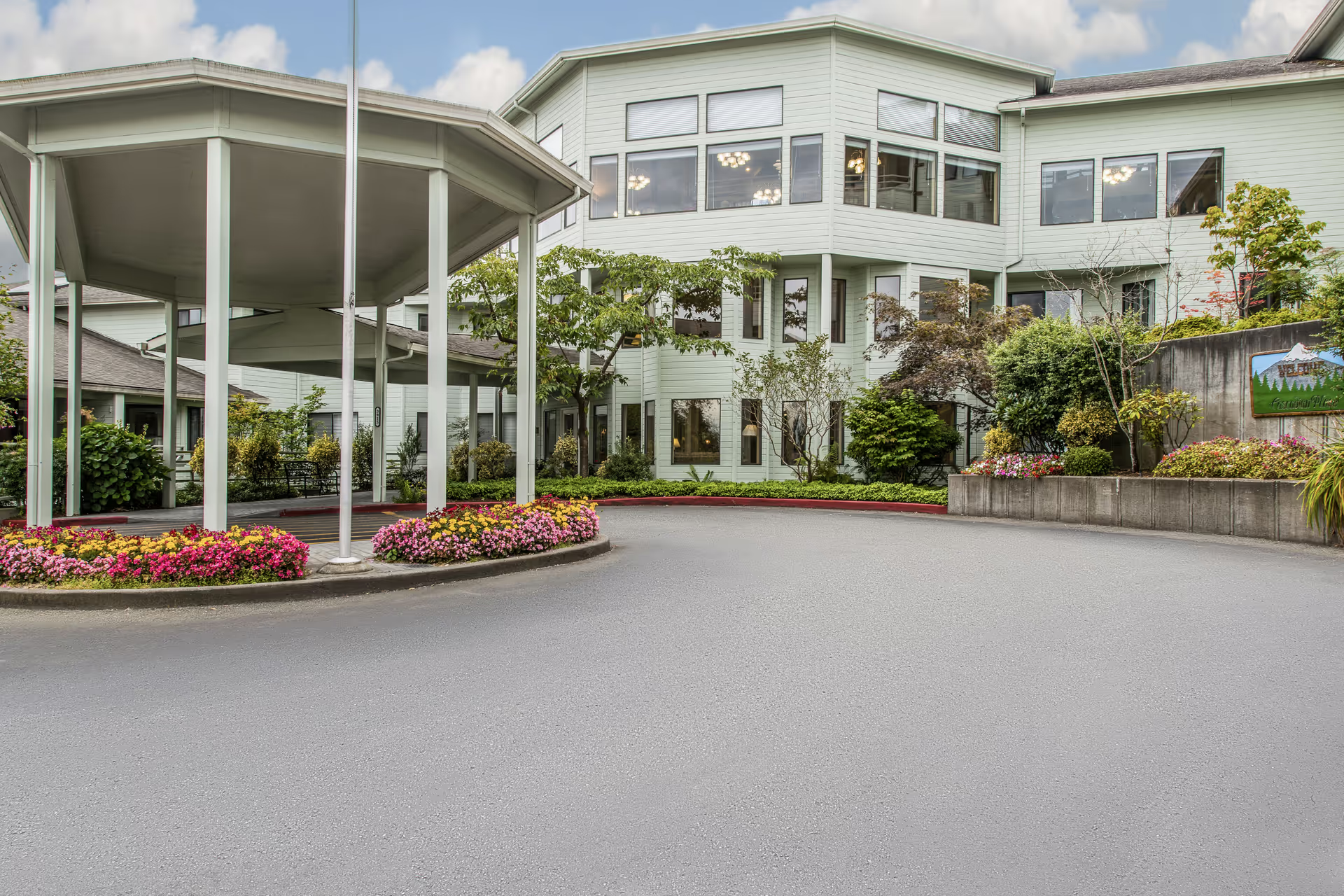
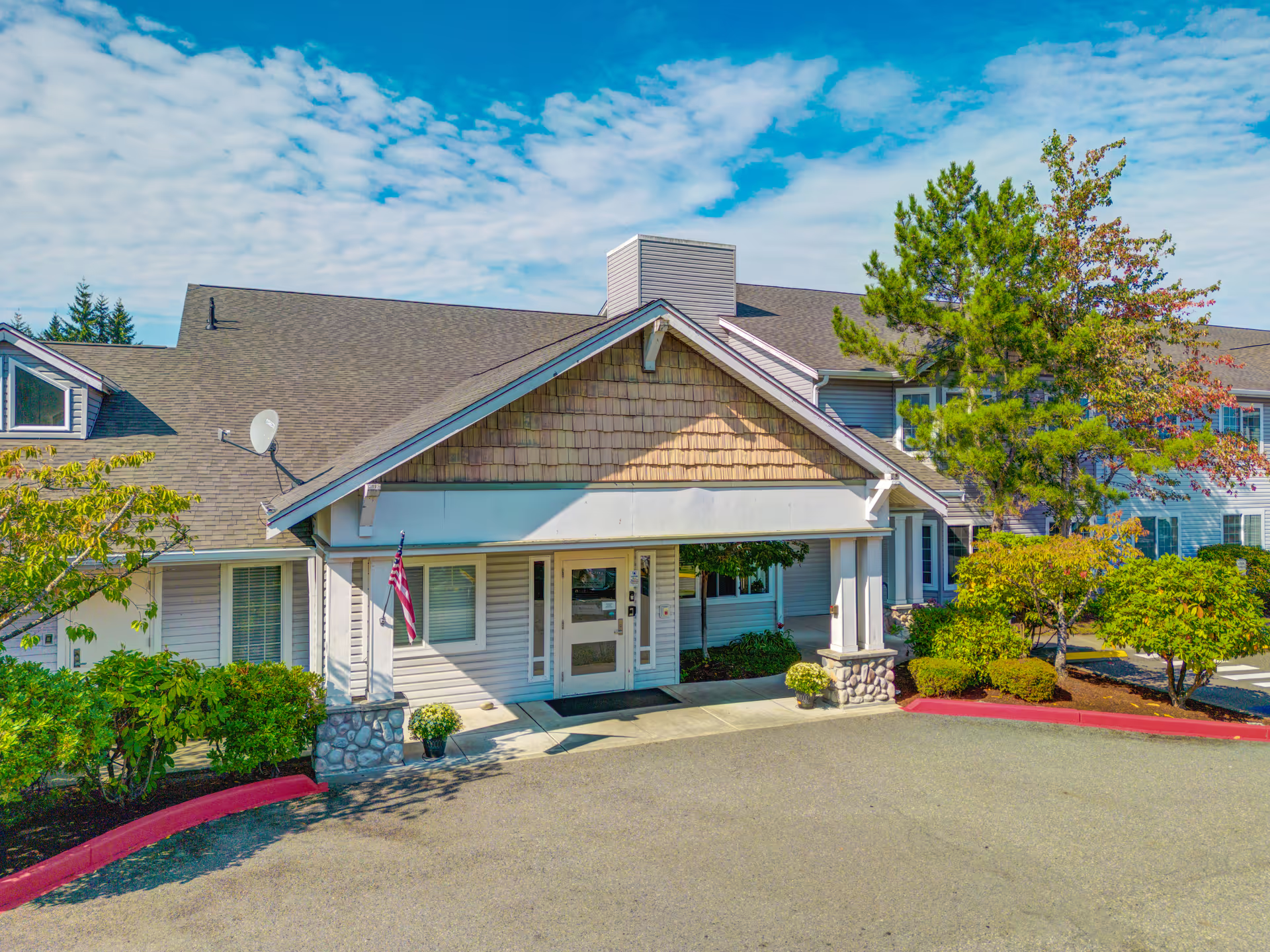
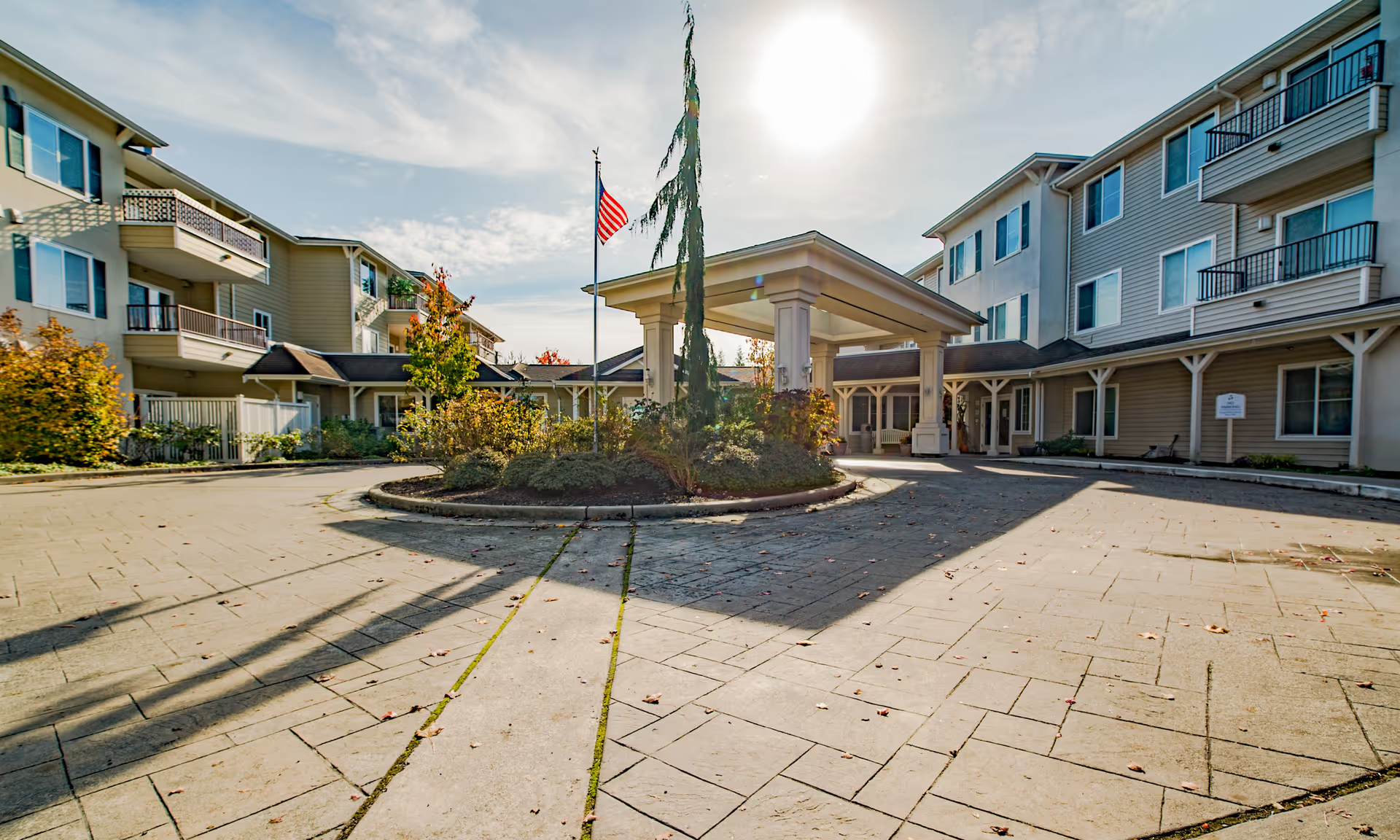
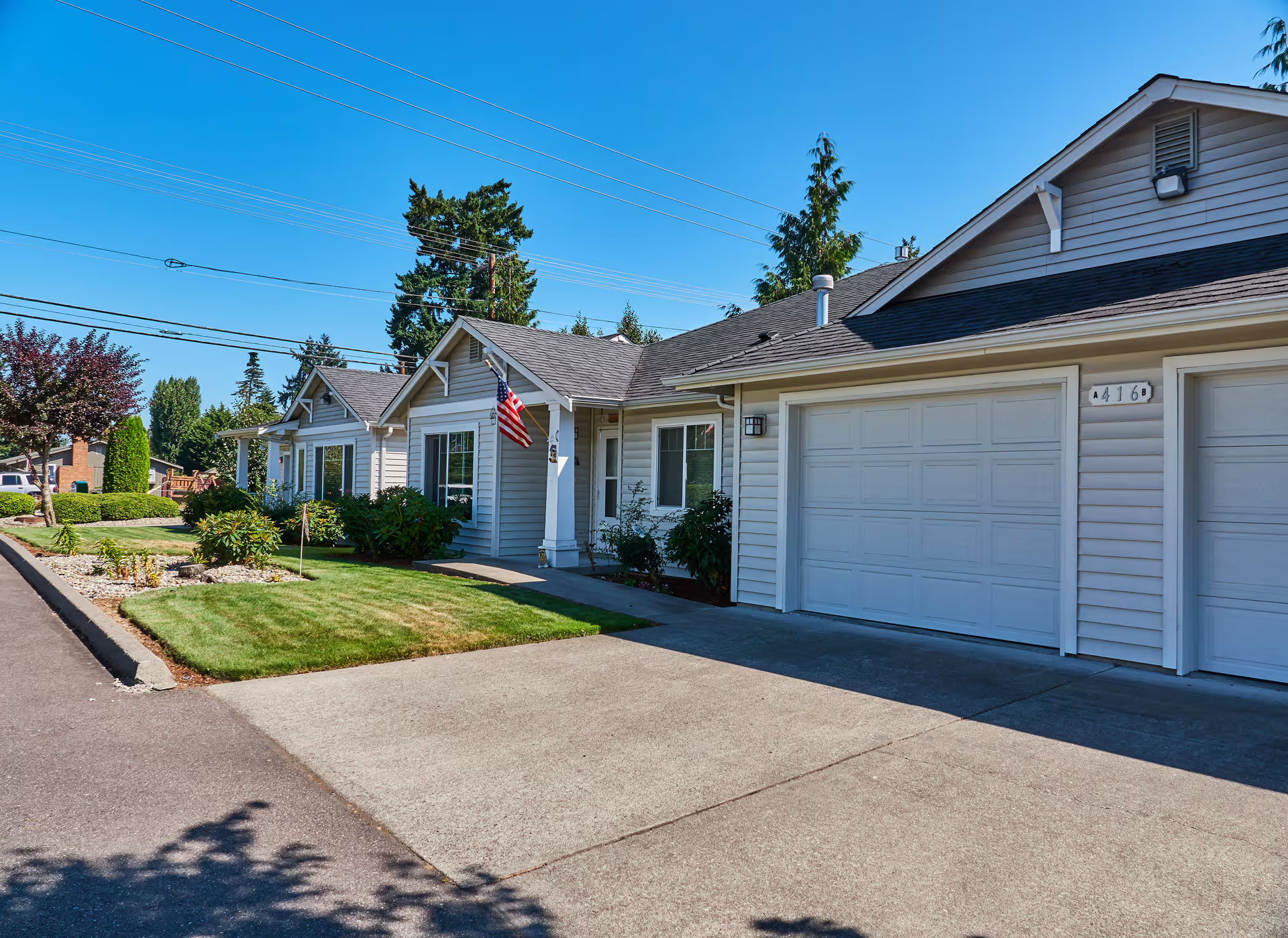
Facilities, management, and value: The physical environment is described as dated and in need of comfort improvements in resident rooms (notably heating/room warmth). At the same time, management and ownership are characterized as warm and accommodating, and daily operations like cleanliness and staffing interactions are strong. Several families expressed that the facility’s cost felt high relative to the level of amenities and clinical oversight provided.
Notable patterns and recommendations: Strengths center on the caregiving team, sanitation, and family communication; weaknesses concentrate on clinical oversight, the dining model, and limited social programming. Before placement, prospective residents and families should ask for details about physician and nursing coverage, medication-change protocols, the facility’s policy on diagnostic testing, sample menus and food sourcing, communal dining opportunities, activity schedules, language-support resources, room heating/comfort measures, and a clear breakdown of fees to assess value relative to services.