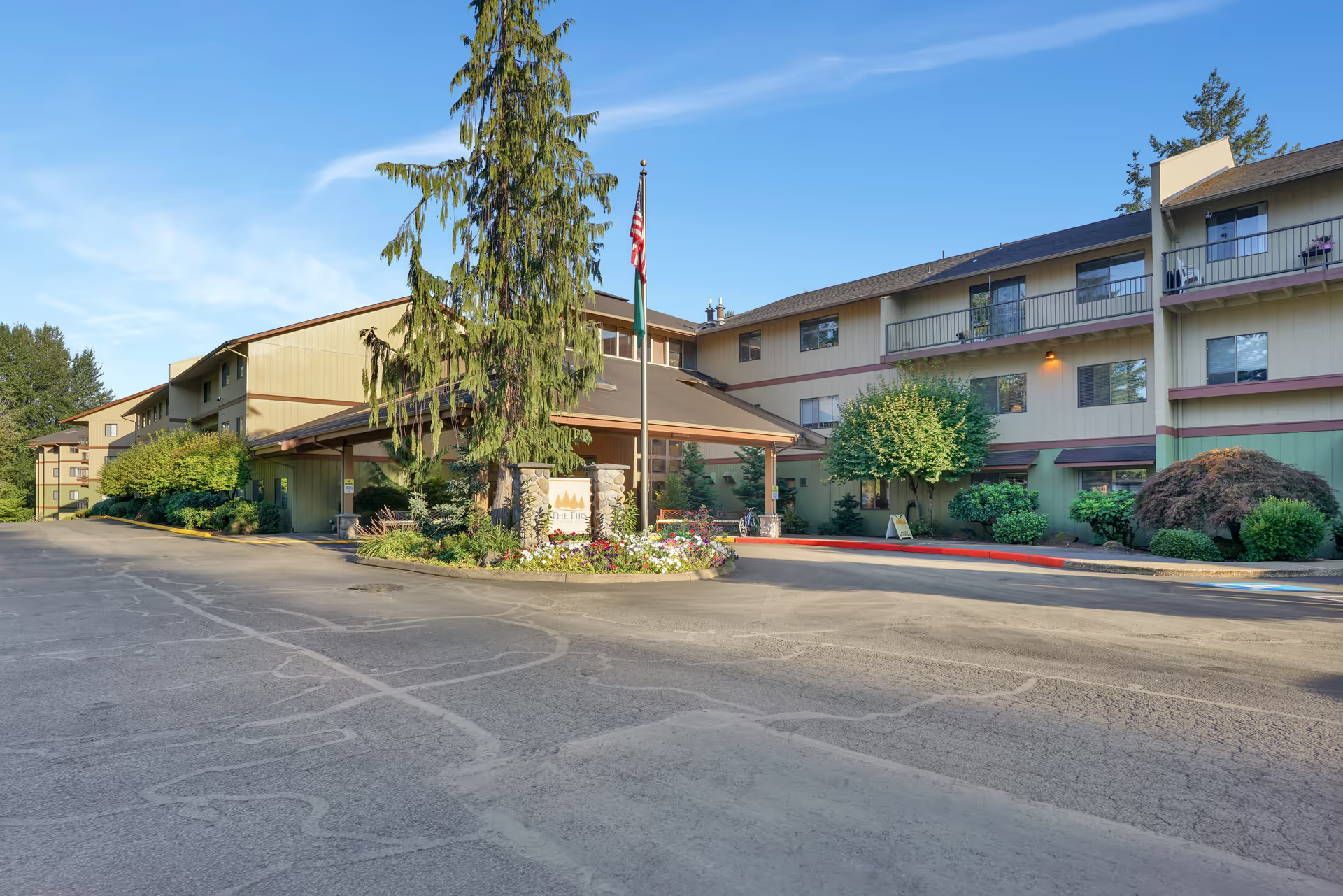
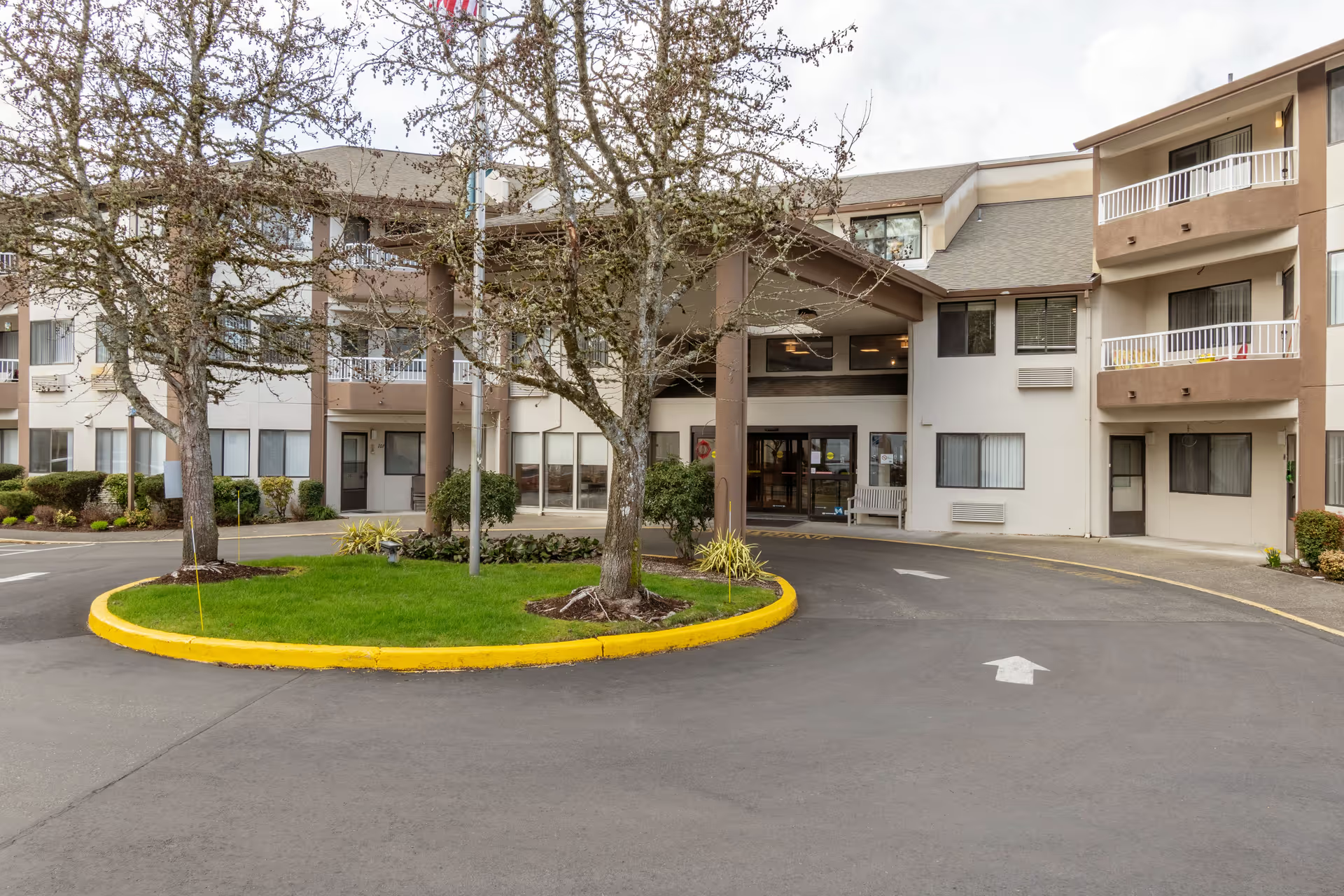
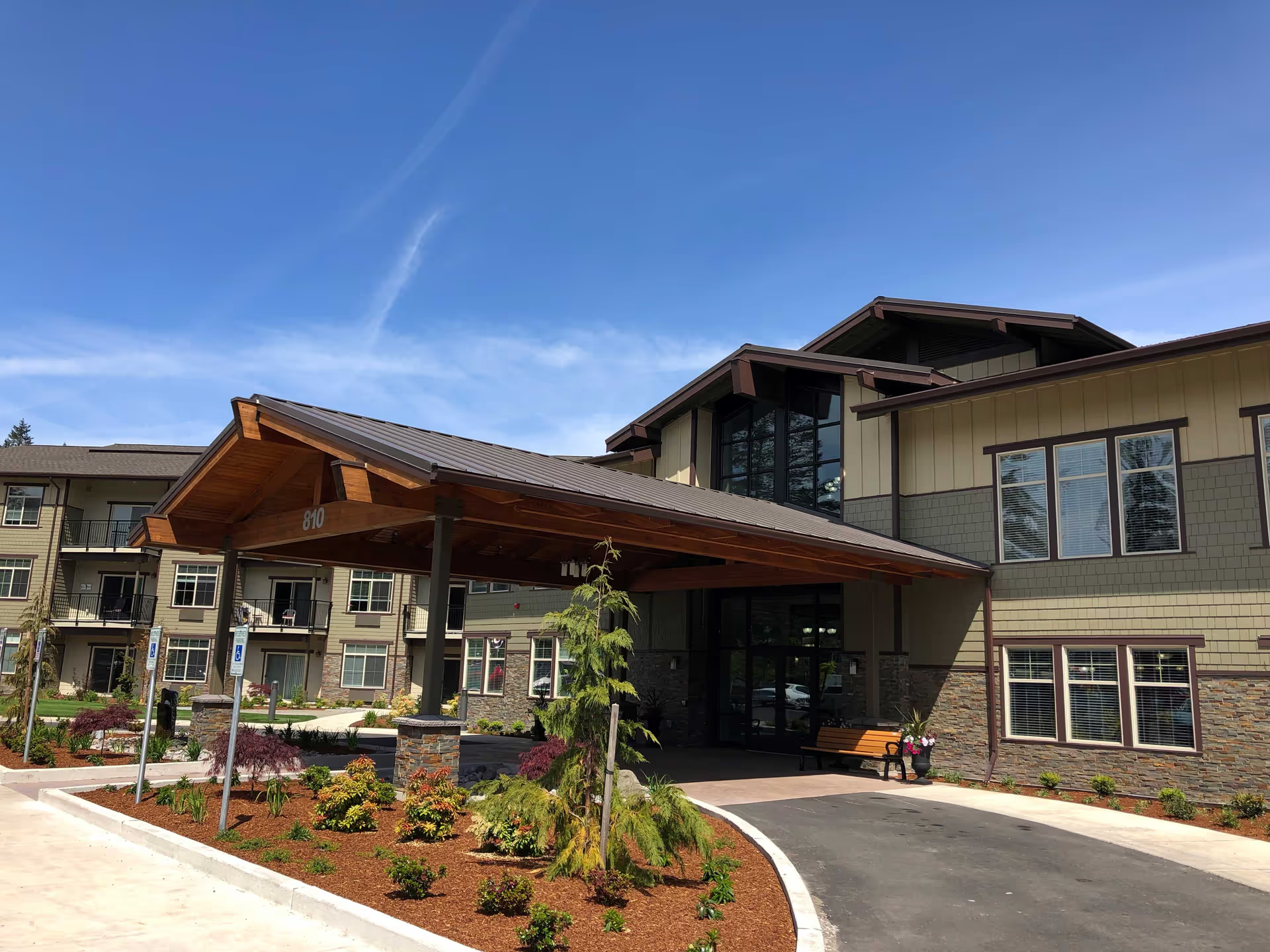
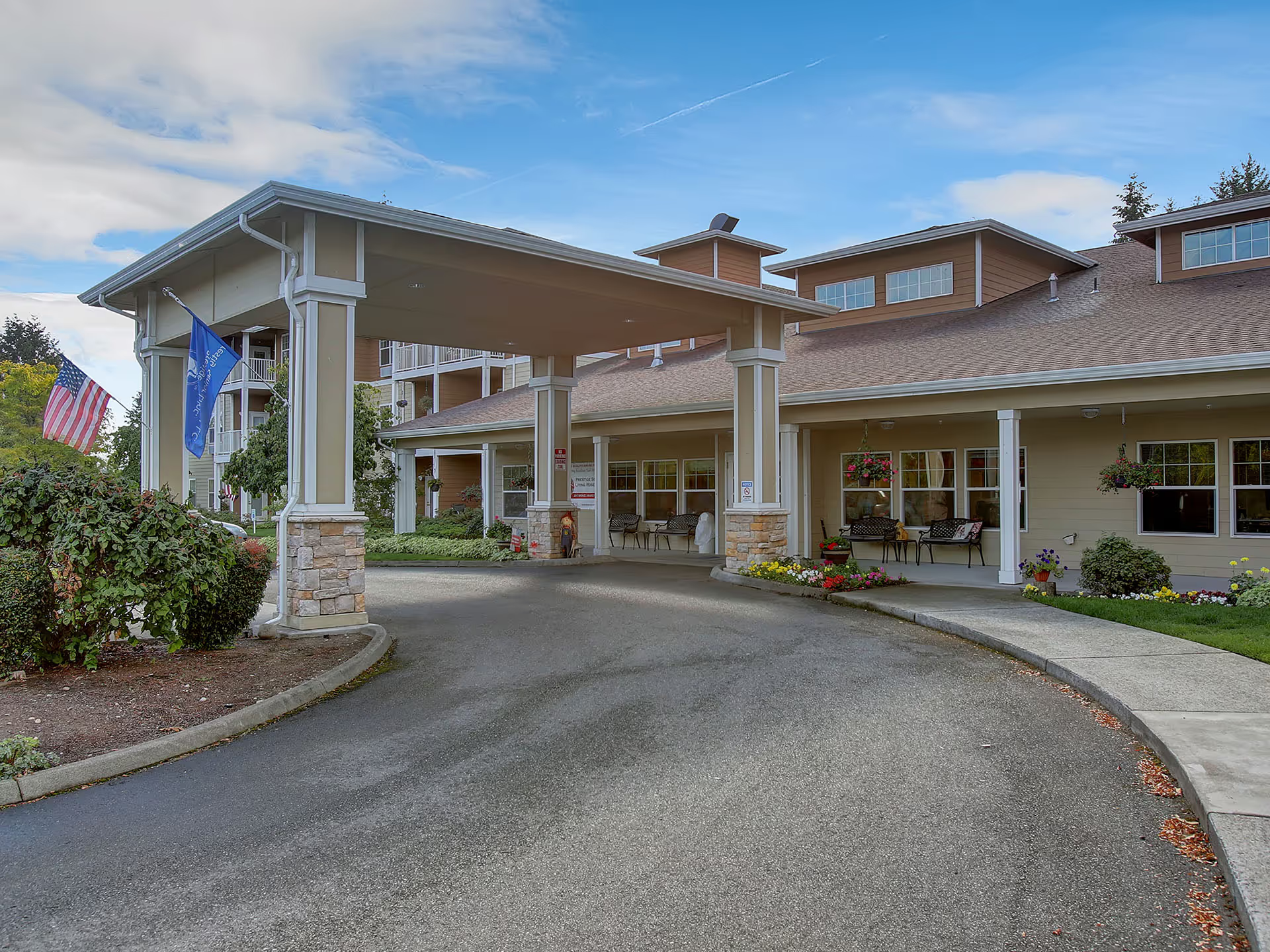
Garden Courte Memory Care presents as a dementia-focused community with many operational strengths and a number of recurring concerns families should weigh. Strengths include a clear memory-care orientation, on-site geriatric medical oversight (including regular physician visits), a broad array of daily activities and outings, and amenities such as an on-site salon, massage services, and a secure outdoor courtyard. Many families praise the facility's bright, home-like apartments, included housekeeping and laundry, restaurant-style dining, and tools for family communication and activity updates.
Care quality is generally described as compassionate and resident-centered. Long-tenured leadership and a high proportion of committed staff contribute to a supportive environment for many residents; staff are frequently described as warm, attentive, and skilled in dementia care. The presence of an on-site MD and coordinated clinical team is a notable asset for families seeking medical supervision within a memory-care setting. That said, reviewers identified operational weaknesses that affect care continuity: inconsistent staffing levels and reliance on substitute personnel can undermine continuity, and there are documented concerns about medication handling and missing medications. A subset of families also described delays in responding to resident needs and raised issues with transfer safety and incontinence-care processes.
Dining and programming are major positives for many families. The community offers structured exercise classes, music programs, creative projects, themed snacks, field trips, and frequent in-house entertainment, and many reviewers credit these activities with improving resident engagement and mood. Dining is characterized by three meals per day served restaurant-style; several families praised balanced menus and snacks, while others noted variability in food freshness, portion sizes, and menu appeal. Prospective families should ask about current menu rotation, portion policy, and accommodations for special diets.
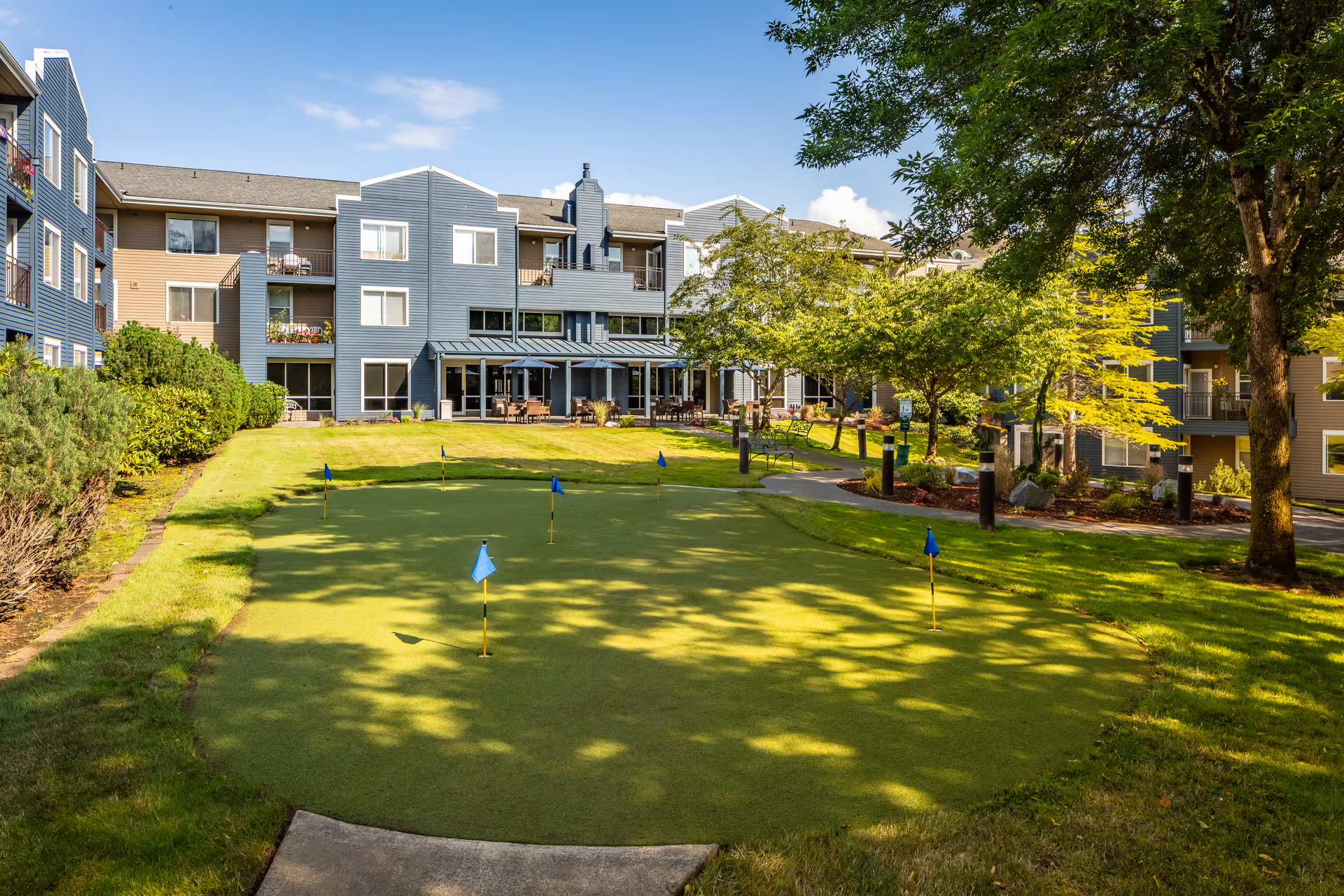
Facility features are broadly favorable: spacious apartment options, multiple bathing facilities, well-kept grounds, a secure courtyard, and on-site services (salon, mini-theatre, exercise room) support quality of life. However, amenity availability varies across units: some apartments do not have in-room showers, and room finishes and furnishings differ. Some reviewers raised sanitation and odor concerns in particular common or bathroom areas, indicating that cleanliness standards can be inconsistent across the campus.
Management and communications show mixed patterns. Many reviewers commend responsive leadership and problem-resolution when issues are raised, and families note useful supports such as respite programs and quick admissions. At the same time, persistent themes include gaps in communication during critical events, inconsistent outreach at end-of-life moments, and dissatisfaction with how certain incidents were handled. There are also serious, isolated statements involving allegations of management misconduct and contested admissions; while these appear uncommon relative to the overall volume of feedback, they are significant and warrant inquiry. Additionally, pricing structure, deposit requirements, and waiting lists for private rooms are operational limitations that affect access and cost predictability.
Overall, Garden Courte may be a good fit for families prioritizing specialized dementia programming, strong medical oversight on site, abundant activities, and a welcoming community culture. Prospective residents and their families should conduct an in-person visit, request current staffing ratios and medication-administration protocols, review cleanliness and bathing options for the specific unit, confirm admission and deposit policies, and ask about procedures for family notification during serious or end-of-life events to ensure the community meets their expectations and care needs.