Overview The Firs consistently receives strong praise for its caregiving culture and hospitality-oriented services. Across comments, staff are described as compassionate, attentive, and familiar with residents by name; many accounts emphasize proactive maintenance, helpful housekeeping, and a leadership team that responds to resident and family feedback. The community atmosphere is frequently characterized as warm and home-like, with residents and families noting a sense of belonging and active social engagement.
Care and clinical limitations The facility operates primarily as an independent-living community. Reviewers highlight that staff provide safety checks and supportive services, and that medics and a hospital are located nearby, which supports rapid external clinical access. However, The Firs is not licensed for assisted living or higher-level clinical care; that operational boundary is an important consideration for prospective residents with progressive care needs. Reviewers also describe gaps in on-site geriatric-clinical capacity and occasional limits to staff authority for emergency assistance, indicating that families should plan for external home-health or hospice services if increased clinical support is likely.
Staff and management Staff performance is a major strength: dining servers, activities coordinators, maintenance, and front-desk personnel receive frequent positive mentions. Leadership responsiveness and recent management improvements are also noted, with several comments describing constructive incorporation of resident input. That said, there is evidence of past turnover and intermittent staffing shortages; while current management is often praised, prospective residents should inquire about staffing patterns and continuity for specific roles (nursing support, maintenance, dining).
Dining and food service Dining at The Firs is a focal point for resident life. Many reviewers commend restaurant-style dining, varied menus, and dietary accommodations; several cite a professional chef and freshly prepared meals. Contrastingly, other comments indicate inconsistent food quality or times when prepackaged offerings were used. Newer management initiatives reportedly emphasize fresher menus. Families should evaluate current menu samples, meal schedules, and dietary accommodation processes during a tour to confirm consistency with individual expectations.
Activities and social life The activity program is robust and varied: group exercise, TED Talks, documentary hours, daily movies, card games, musical performances, outings (shopping, scenic drives, casino trips), church services, and frequent bus trips. There are ample common spaces—large library, lounges, activity rooms—and regular opportunities for resident-led programming. This breadth of offerings supports social engagement and wellness for independent residents.
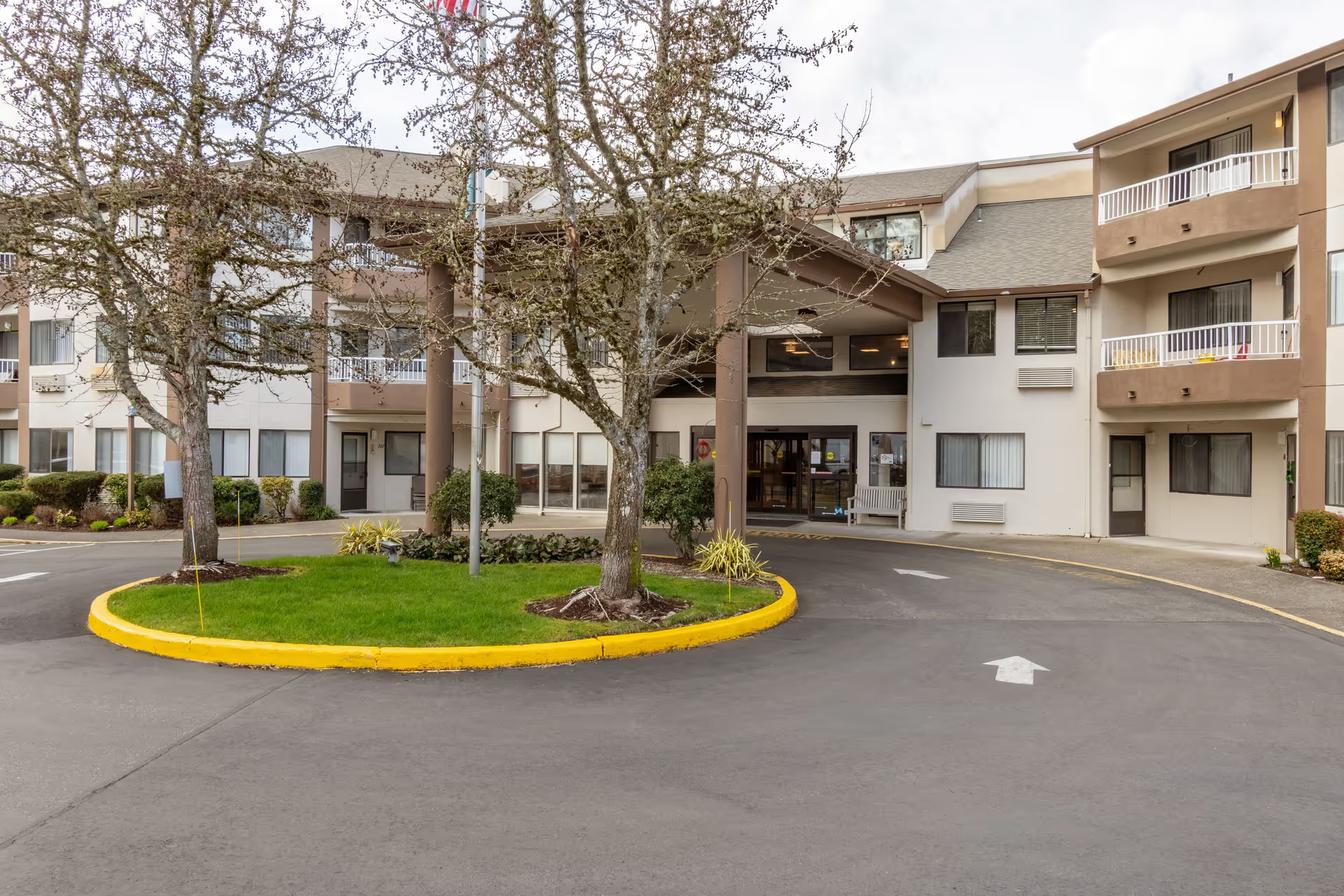
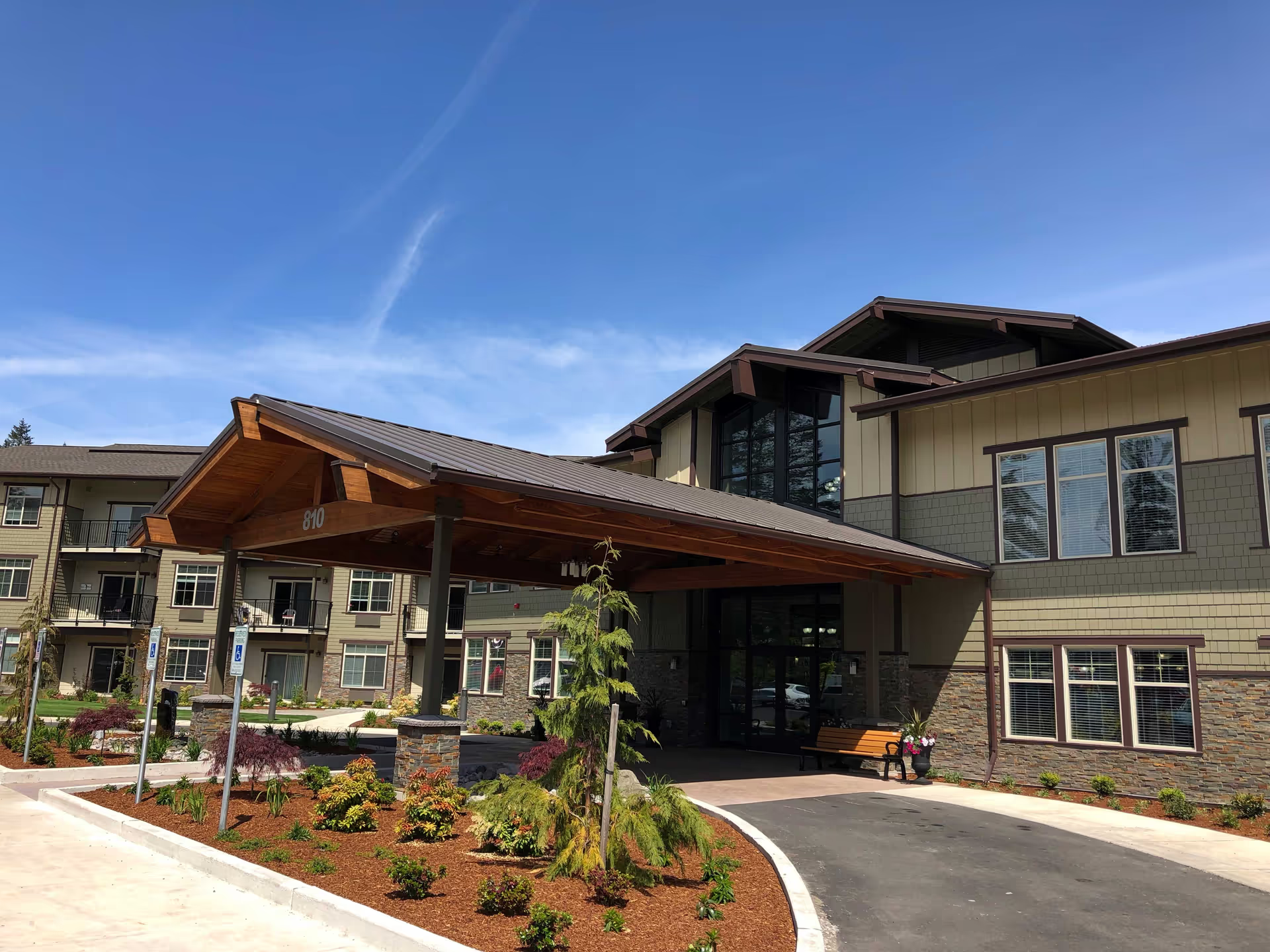
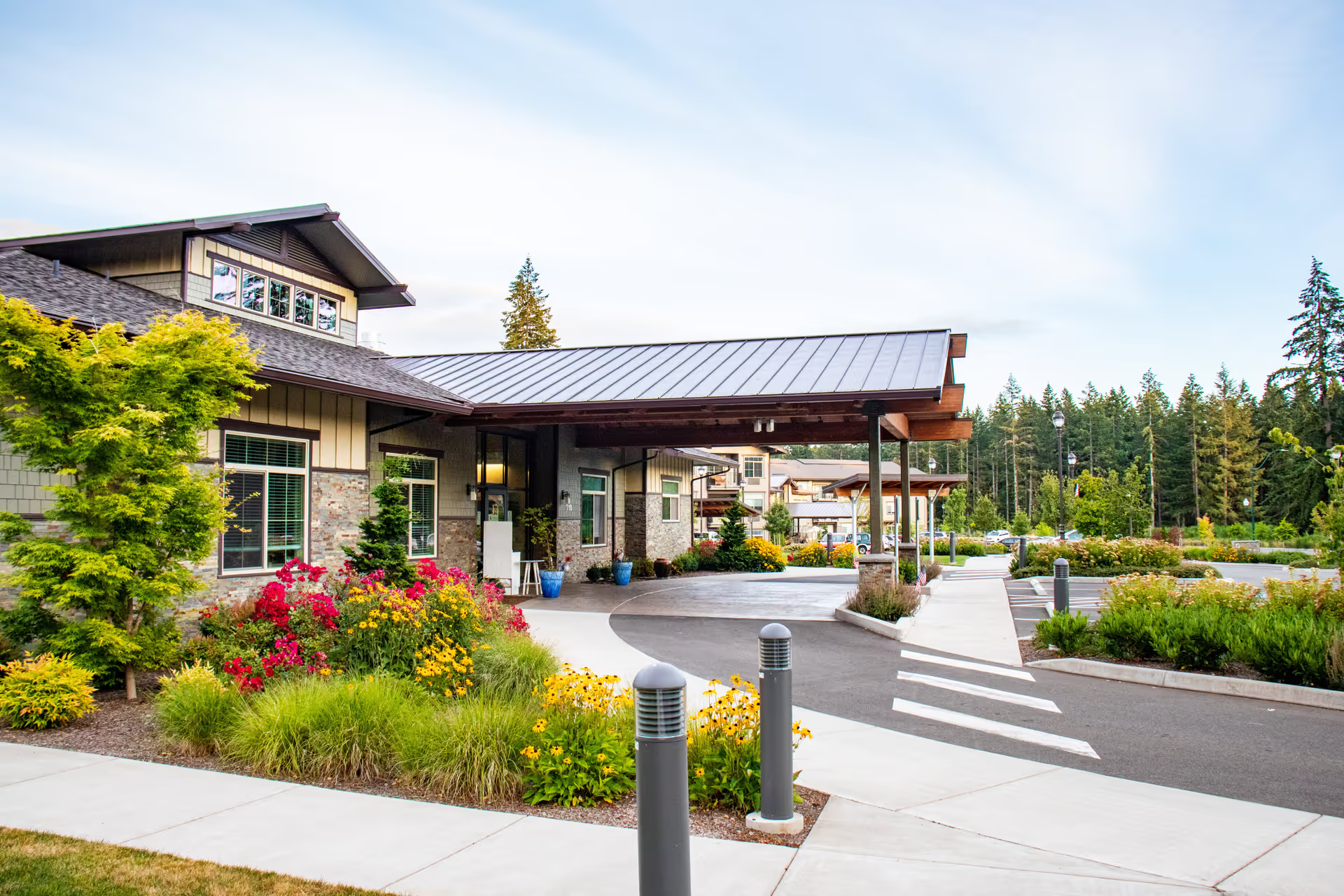
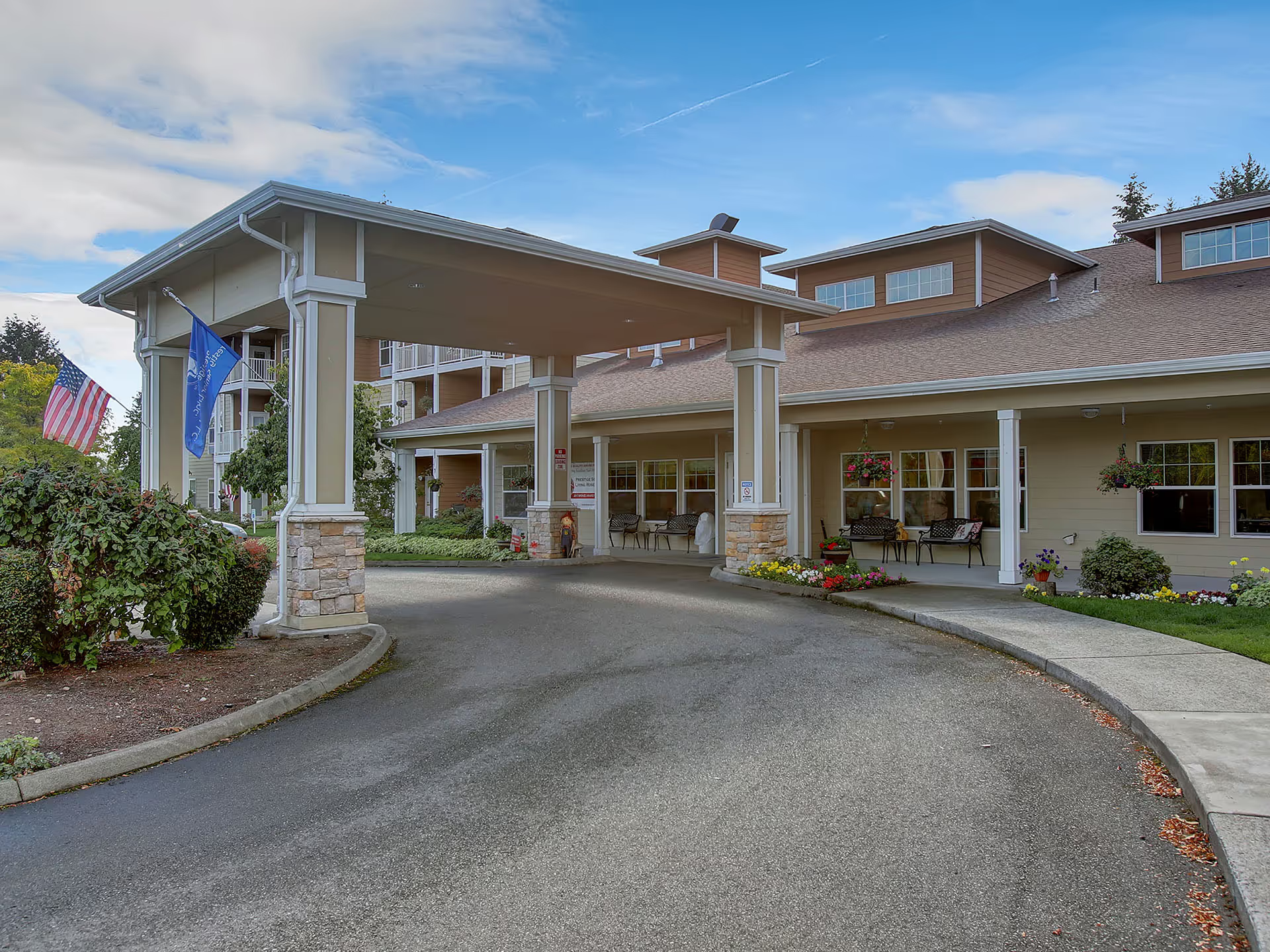
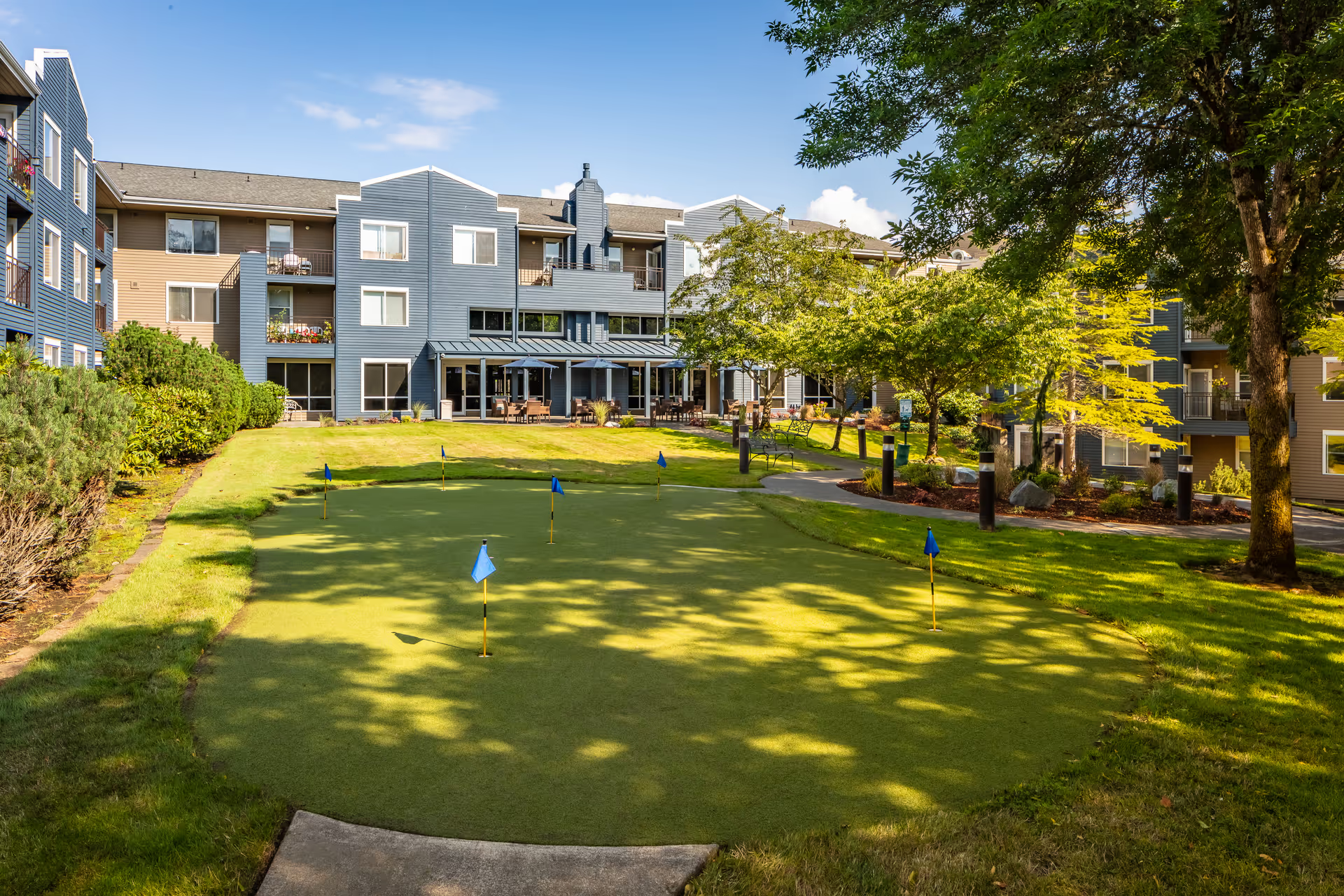
Facilities, accessibility, and logistics The campus and grounds are frequently described as attractive, well-maintained, and forested, with convenient proximity to medical offices, pharmacies, and trails. Apartment sizes range from studios to multi-bedroom units, some with full kitchens; many units and common areas have been renovated, though the building retains older sections. Noted operational issues include heating/cooling inconsistencies and lack of in-unit air conditioning in some units, occasional accessibility limitations in older layouts, and variability in apartment sizes and hallway widths. Transportation is available but often limited to specific days or capacity levels; families should confirm shuttle schedules and alternatives.
Patterns and buyer considerations Overall, The Firs is strongest in staff responsiveness, social programming, dining options (when operating at peak), and location near medical resources. The key trade-offs are its independent-living scope—not a substitute for licensed assisted living—occasional inconsistencies in meal quality and service timing, and building-related limitations such as HVAC and accessibility in some areas. Prospective residents and families should prioritize an in-person meal, review current staffing and clinical-support arrangements, confirm transportation availability, and ask about recent management changes and ongoing renovation plans to ensure the community matches the resident’s clinical needs and lifestyle preferences.