Tri-Cities Retirement Inn elicits strongly mixed impressions. Many families highlight the caregiving staff as a primary strength: reviewers repeatedly describe caregivers, med-aides, and kitchen and housekeeping teams as compassionate, courteous and responsive. Long-tenured staff and a sense of continuity are cited as stabilizing factors; several reviewers noted that med-aides and nursing staff are prompt and respectful. The campus model—offering independent living, assisted living, and memory care under one roof—is appreciated for allowing transitions without relocation. Activity programming, communal music and game events, and a generally homey atmosphere are frequently mentioned as positive contributors to residents' quality of life.
Dining and domestic services receive generally favorable comments alongside some inconsistencies. The facility's kitchen is described as organized, with a head cook and the ability to customize meals for picky eaters; many reviewers praised food quality and portion sizes. At the same time, there are accounts of mass-produced meals, small portions, or dietary needs not being consistently met. Housekeeping and common-area maintenance are often noted as strengths, though a subset of reviews raises sanitation and odor concerns in particular areas.
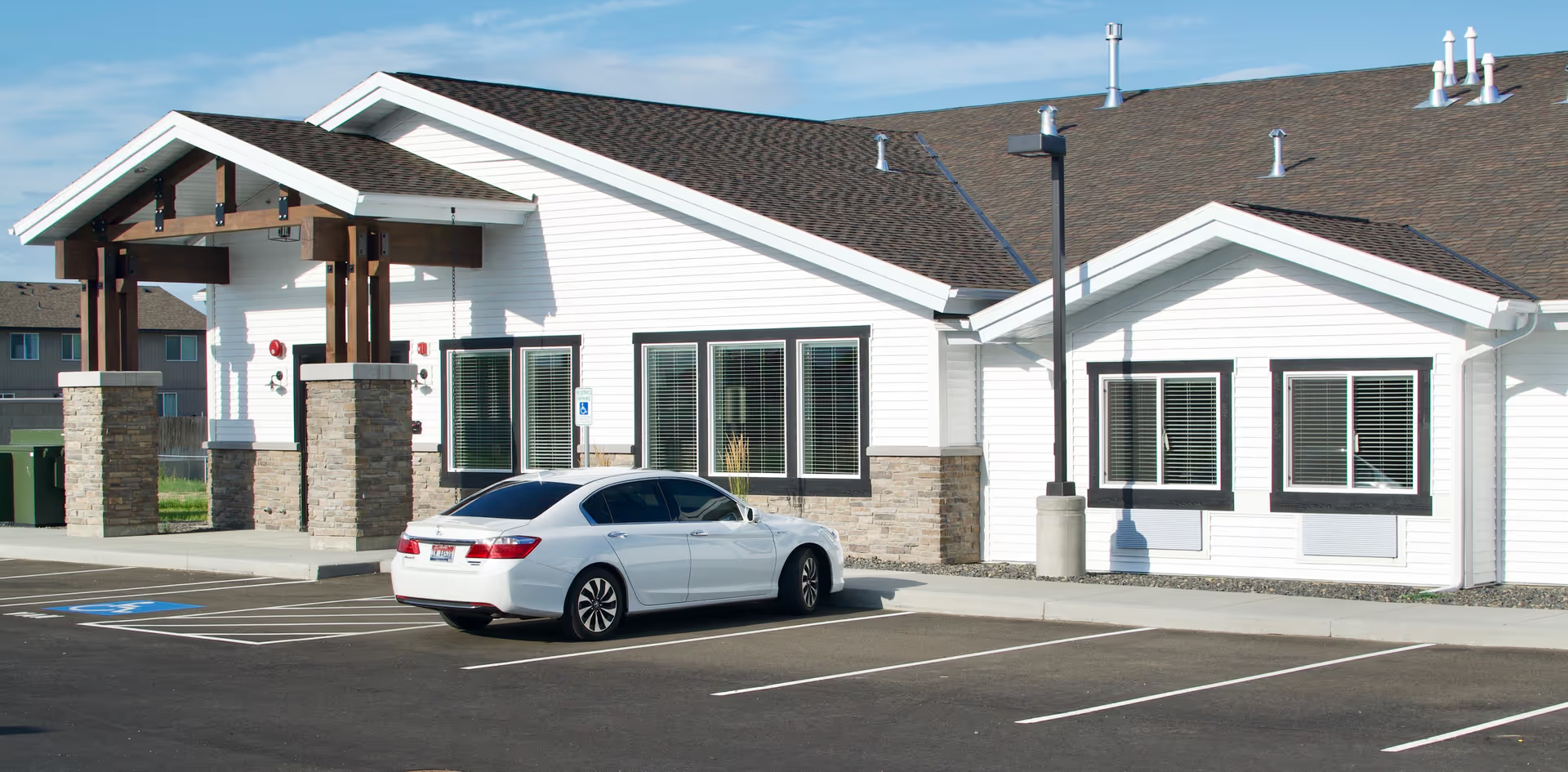
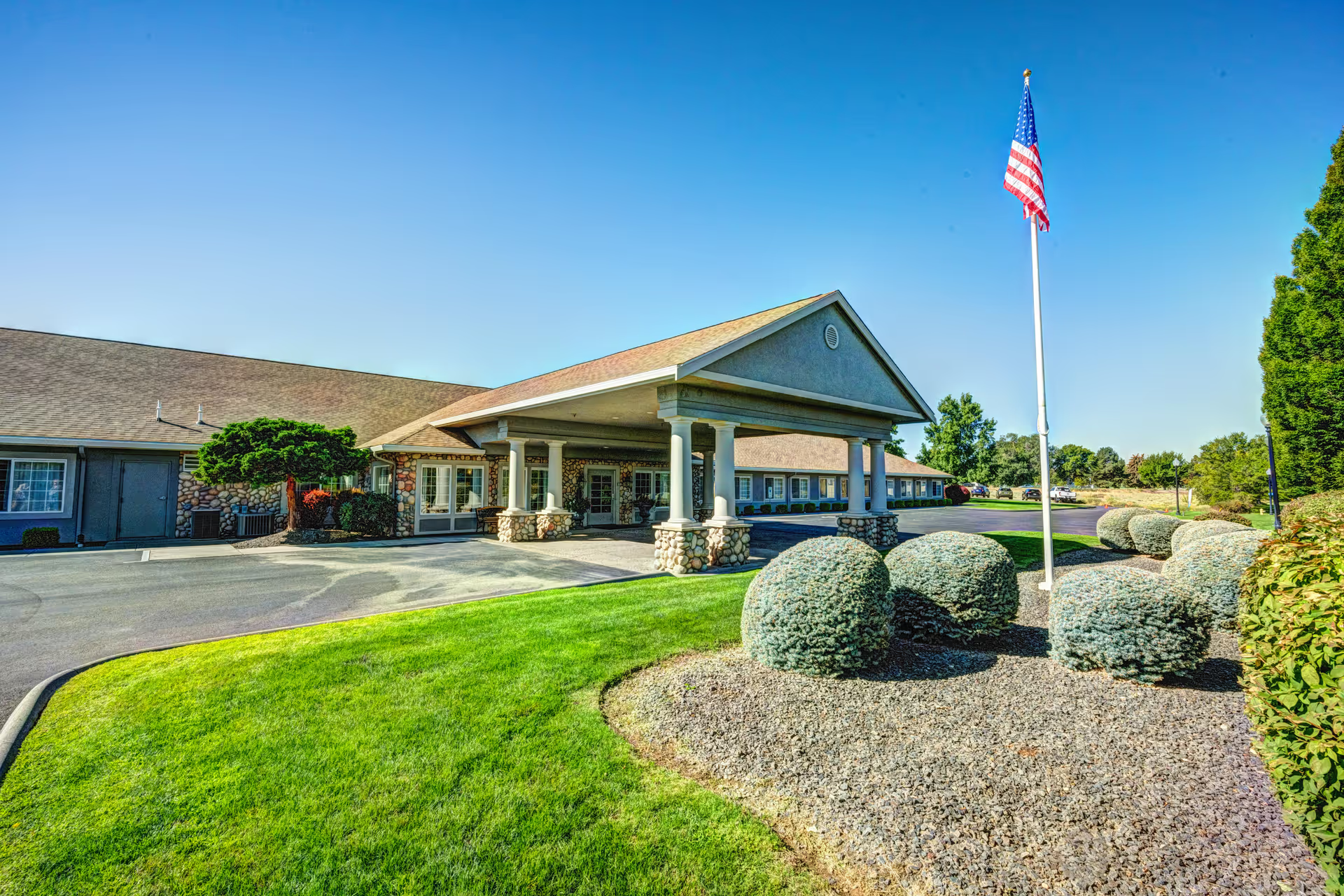
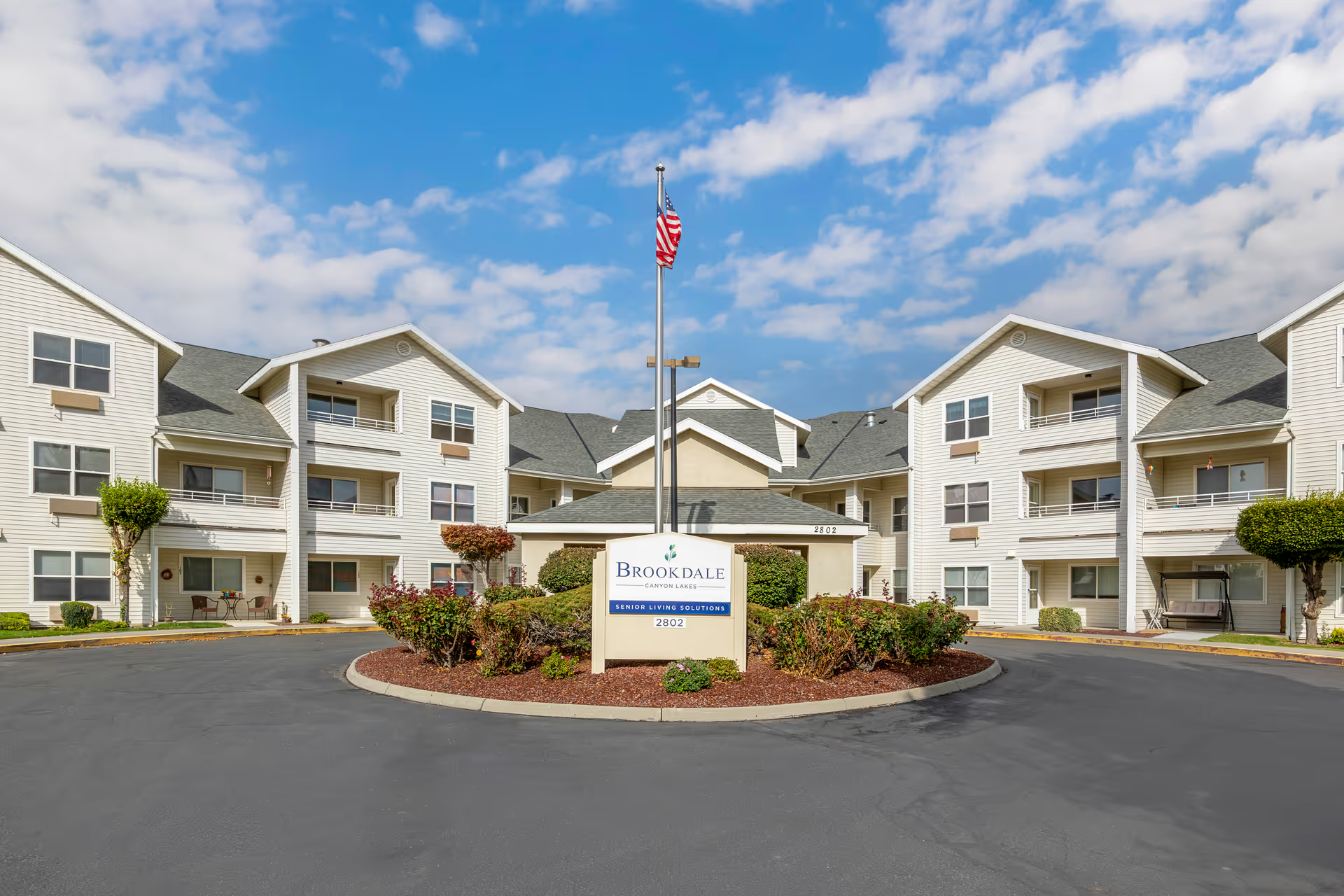
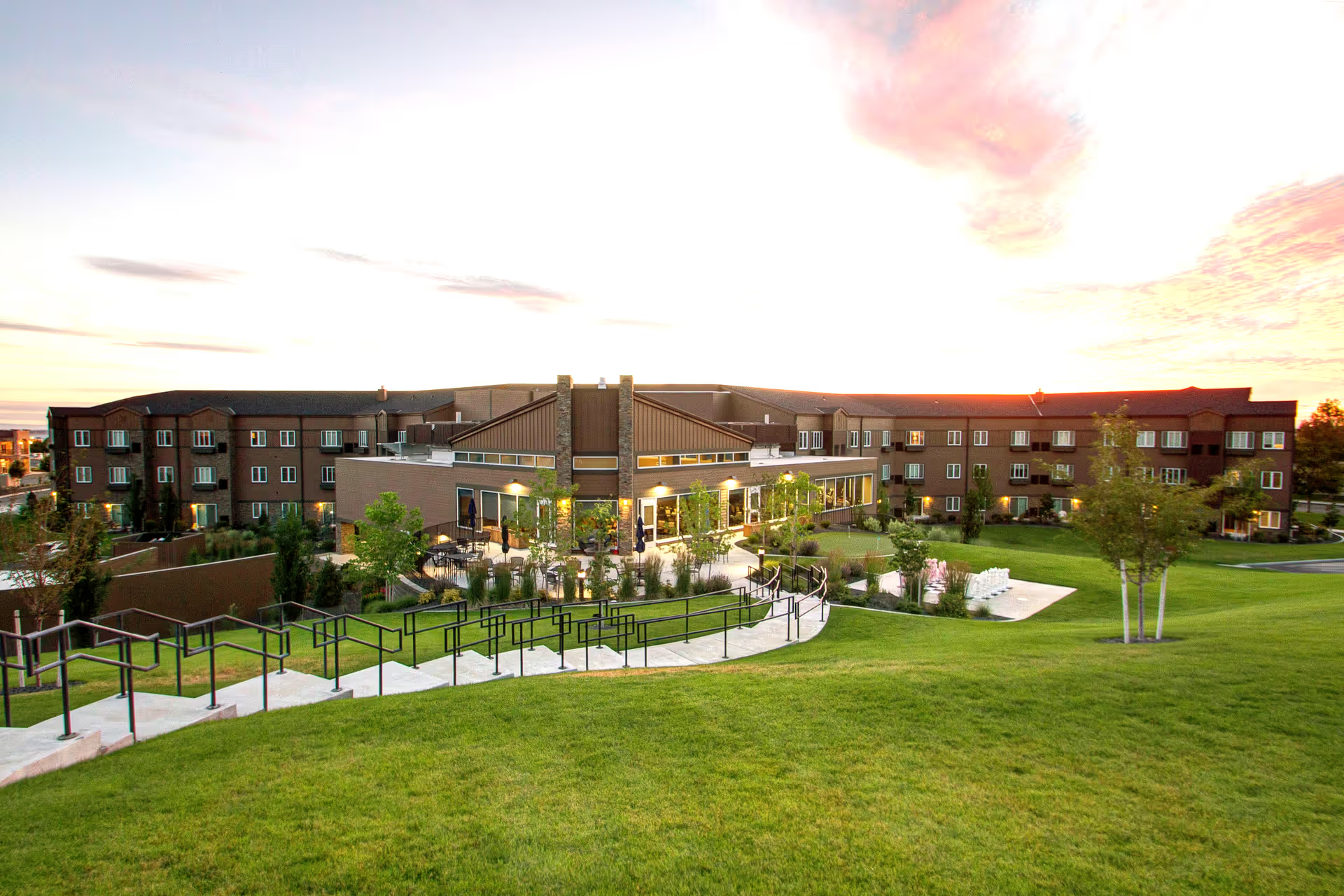
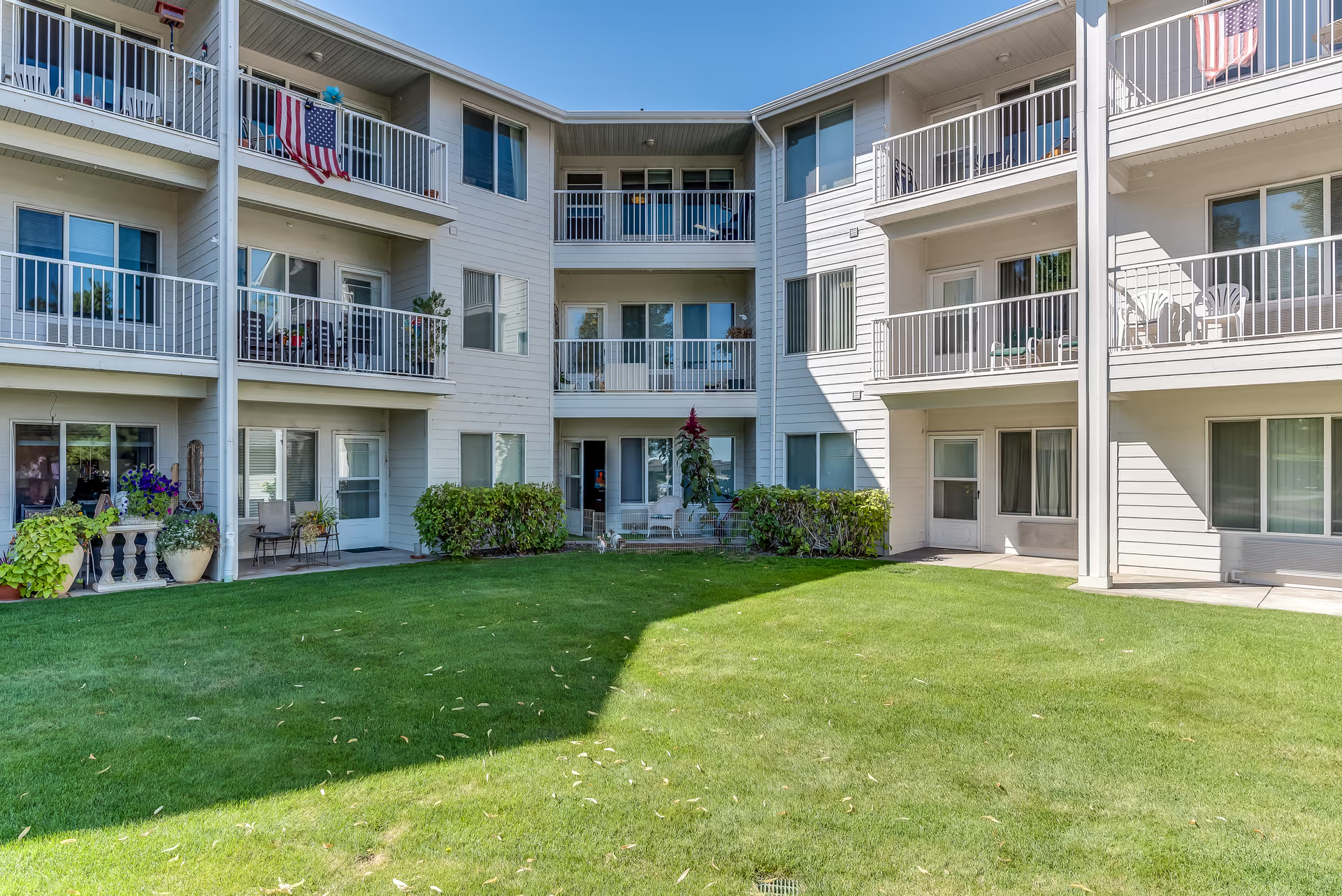
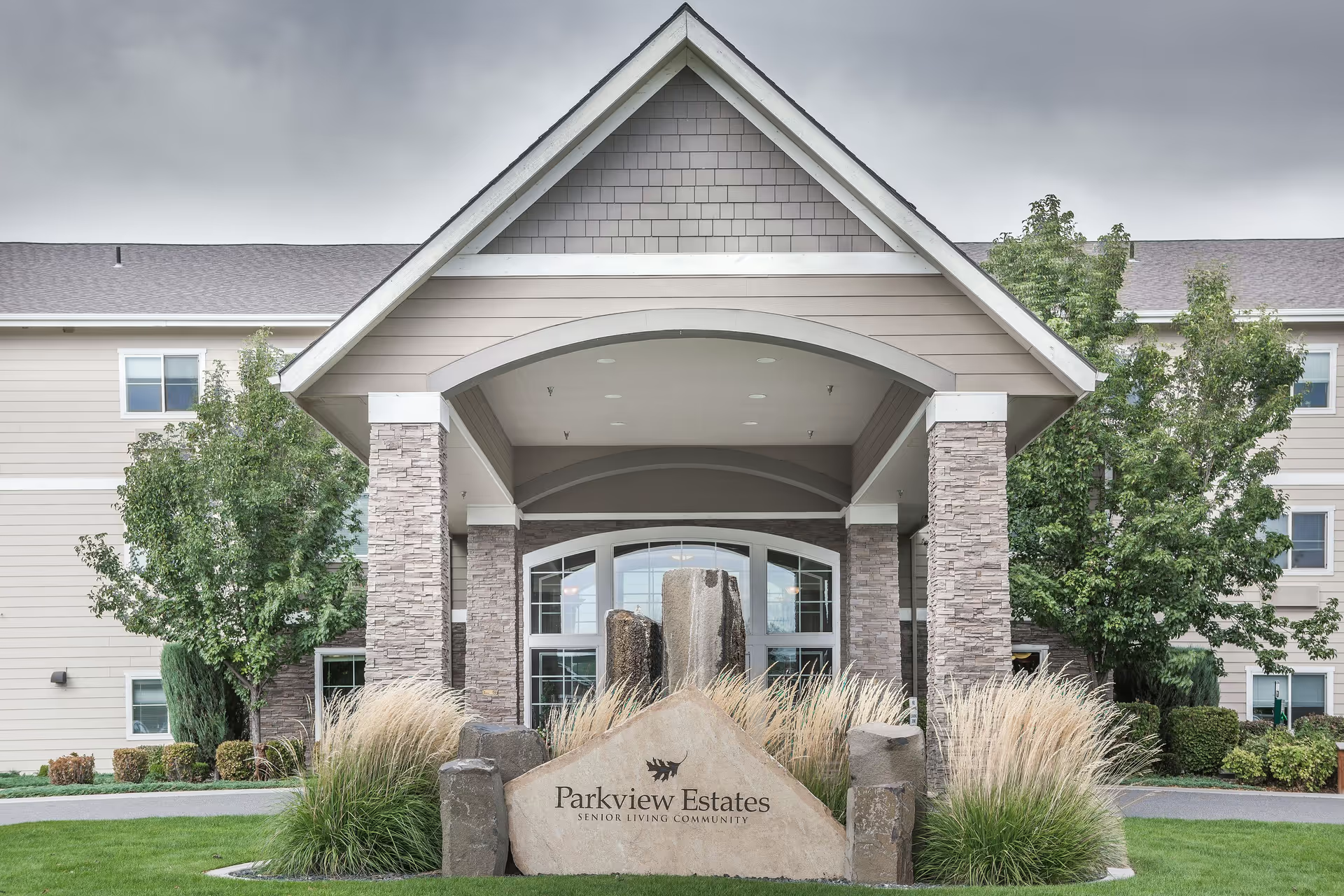
Facility condition and management practices are a recurring area of divergence. Multiple reviewers described the building and resident rooms as dated, with visible wear and finishes in need of updating; curb appeal and outdoor-area maintenance were also flagged. Communication and administrative transparency are uneven: families reported variable advance notice for appointments, inconsistent phone interactions, and unclear staffing information. More serious operational concerns include medication-administration and record-keeping gaps, occasional lapses in supervision or responsiveness (including wandering-prevention practices), and limitations in physician accessibility and clinical follow-up. There are also statements indicating privacy and property-security control weaknesses that merit attention.
Taken together, the pattern is one of strong person-level caregiving offset by facility-level and operational weaknesses. Prospective residents and families who value warm staff relationships and robust activity programming may find the community appealing; those prioritizing newer facilities, tightly controlled clinical documentation, consistent memory-care programming, and robust privacy/property safeguards should probe those areas carefully. Recommended due diligence includes reviewing medication-administration policies and documentation practices, touring various room types and common areas, asking about staffing levels and supervision protocols (especially for memory care), and clarifying contract terms related to private-room availability and ancillary physician or clinical services.