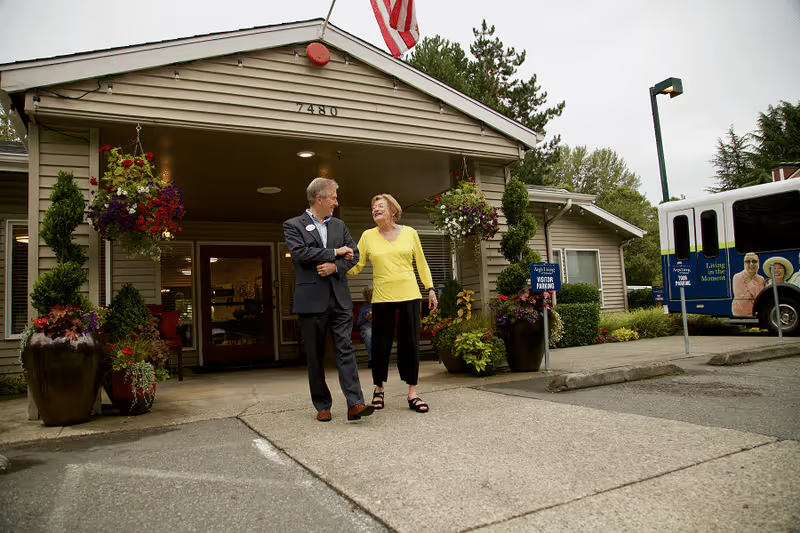
Fairwinds - Redmond receives consistent praise for its staff and hospitality-oriented environment. Many families describe caregivers as attentive, compassionate, and engaged; long staff tenure and visible personal rapport with residents are recurring strengths. The admissions process and early transition support are noted as organized and individualized, including pre-entry assessments and a structured 30-day support period. Staffing is frequently characterized as responsive and service-oriented, and reviewers commonly highlighted helpful Guest Services and coordinated move-in assistance.
The dining program and amenities are major draws. Several accounts describe chef-driven menus, diverse cuisines, event-style dining, and a bistro/restaurant feel. At the same time, other families reported variability in food quality and service: comments range from “excellent, restaurant-quality” to “cafeteria-style” with occasional shortages and early meal hours. Meal scheduling and mandatory meal-plan expectations were a recurring operational tension for some residents. Amenities—including a heated pool, gym, salon, gardens, on-site therapy services, and regular excursions—support an active lifestyle and contribute to the community’s resort-like character.
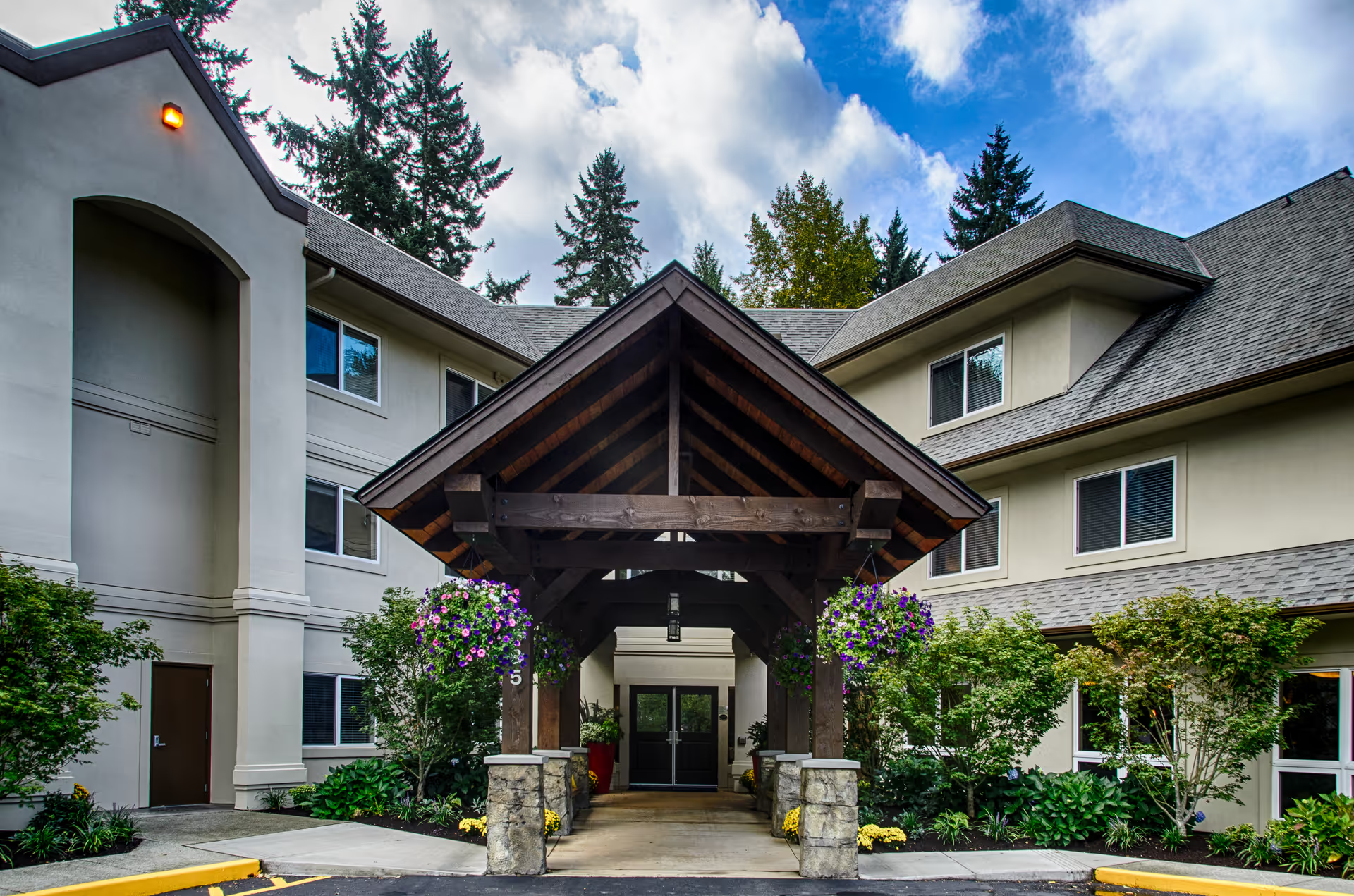
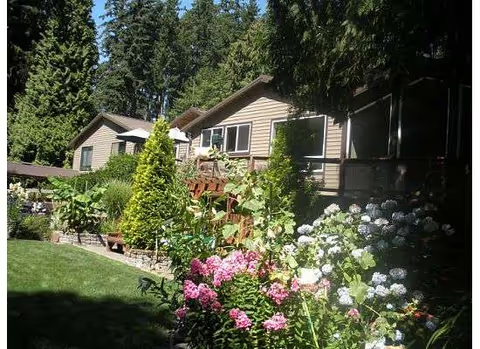
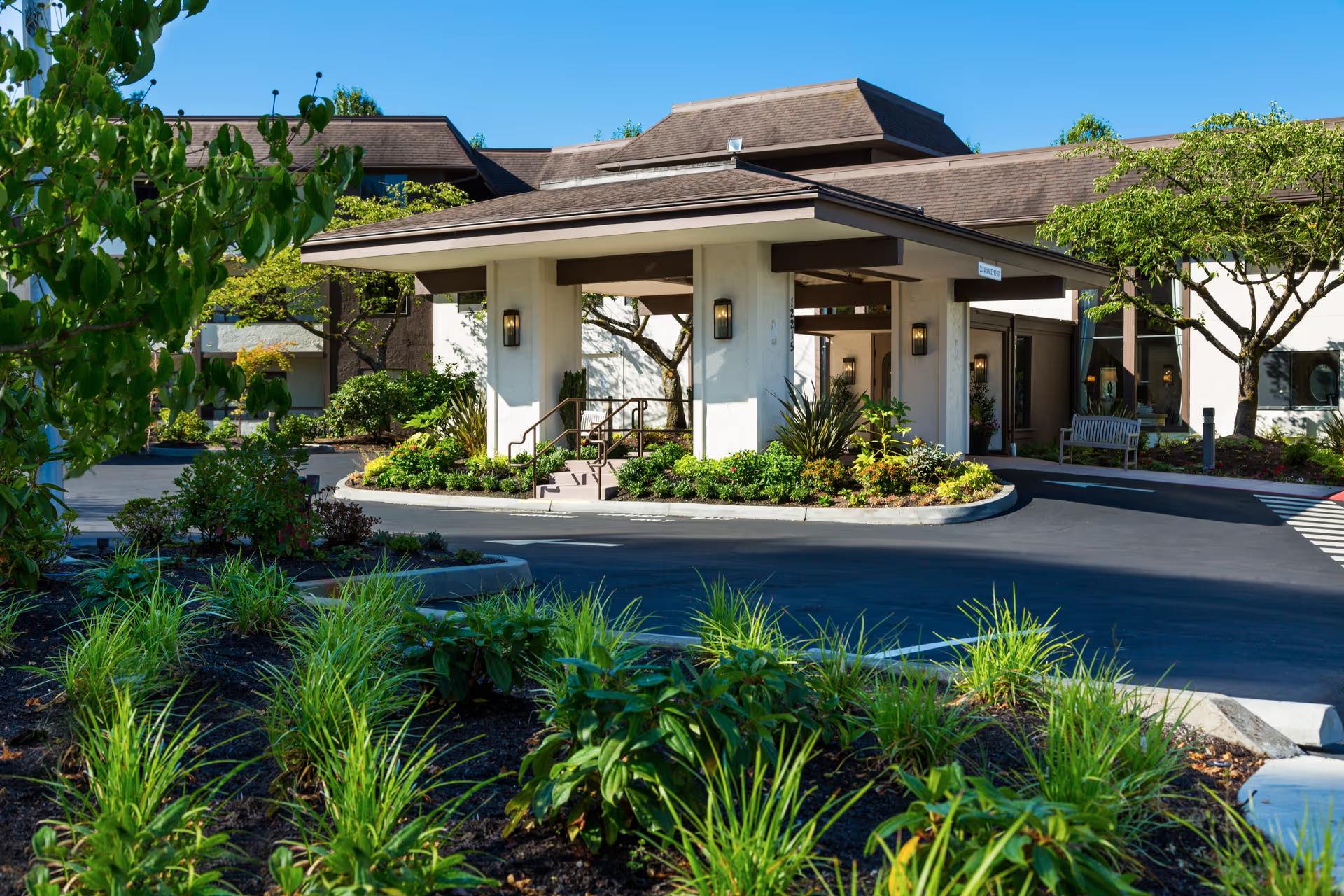
Activity programming and physical-wellness offerings are robust. Reviewers noted a wide array of opportunities (group fitness, aquatic classes, yoga, music-based exercise, games, outings, and social events) and praised the community’s efforts to keep residents physically and socially engaged. The campus and buildings are commonly described as clean, updated, and well maintained, with attractive landscaping and walking trails that add to the overall quality-of-life appeal.
Operationally, reviewers identify several areas of concern to weigh against the community’s strengths. The most consistent clinical limitation is a gap between marketed clinical capabilities and actual high-acuity care: families described limited capacity for intensive or end-of-life care, absence of mechanical lifts, and instances where promised in-room supports (pendants, bedside assistance) were not available. These constraints suggest the community is better suited for residents who need assistance but not complex nursing or high-dependency care.
Administrative and communication issues also appear intermittently. Multiple accounts reference opaque pricing or additional care charges beyond the monthly fee, occasional billing errors, and reliance on flyers or community boards that can lead to missed notices. A few comments reflect perceived management–staff tensions or administrative inconsistencies; others praise management responsiveness and ethical practices, indicating mixed impressions. Finally, some prospective residents noted relatively small unit sizes for the price point and the facility’s nonacceptance of Medicaid, which are relevant for financial planning.
Overall, Fairwinds - Redmond is frequently recommended for families seeking a staff-forward, activity-rich community with strong hospitality and dining when the resident’s clinical needs are moderate. Prospective residents who require higher-acuity medical, lift-assisted, or comprehensive end-of-life services should verify clinical capabilities and fee structures in advance and clarify expectations for in-room supports, billing practices, and communication channels before committing.