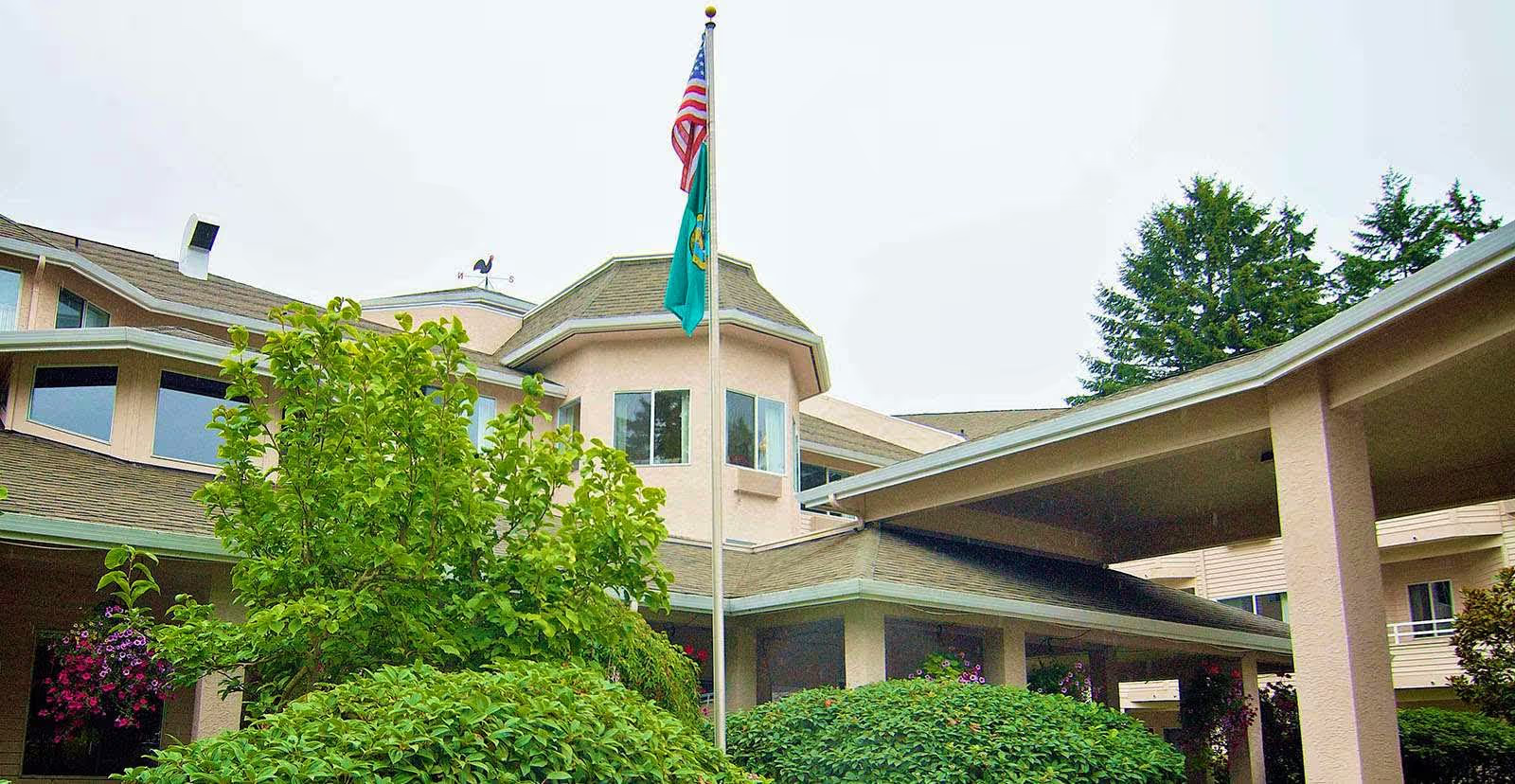
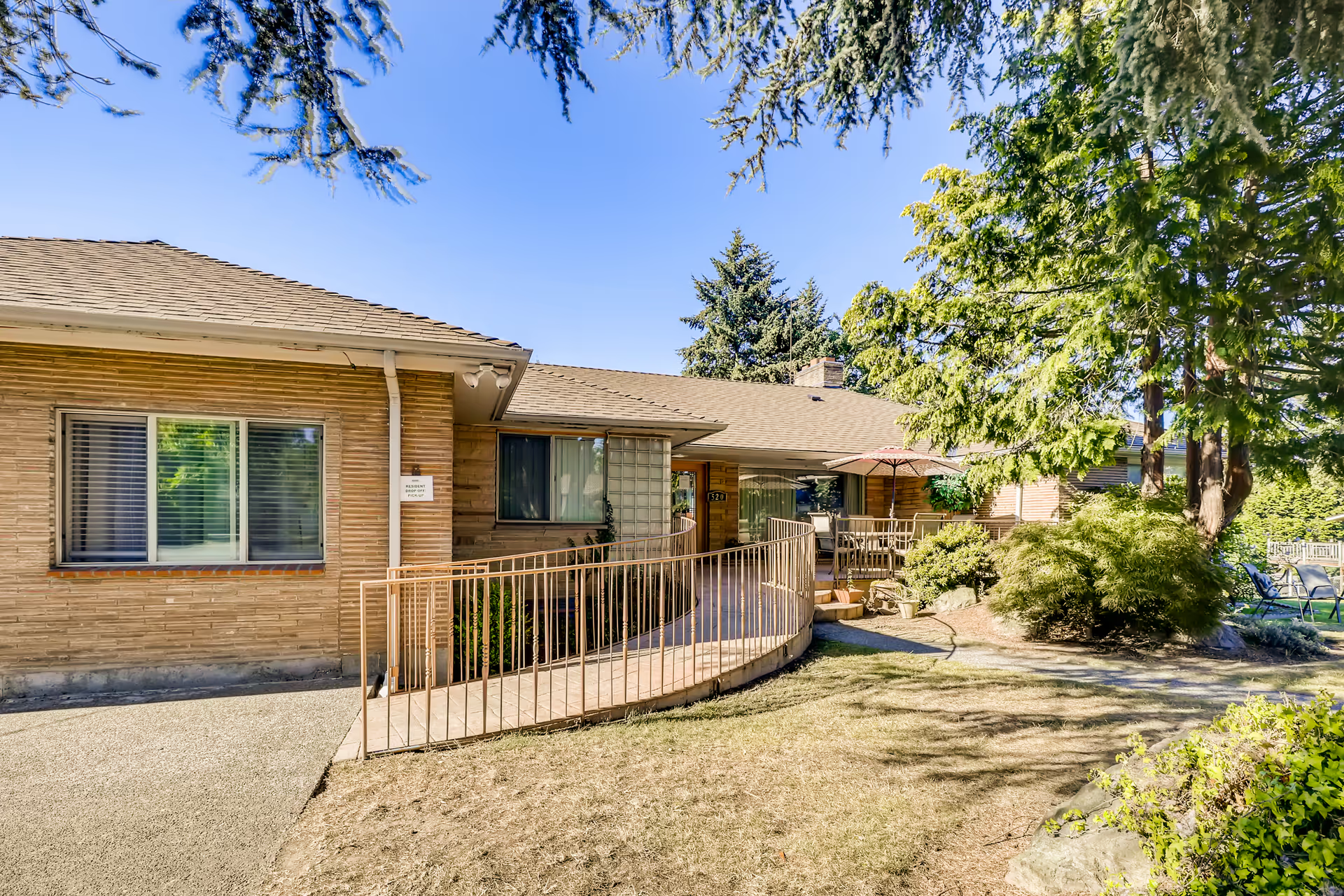
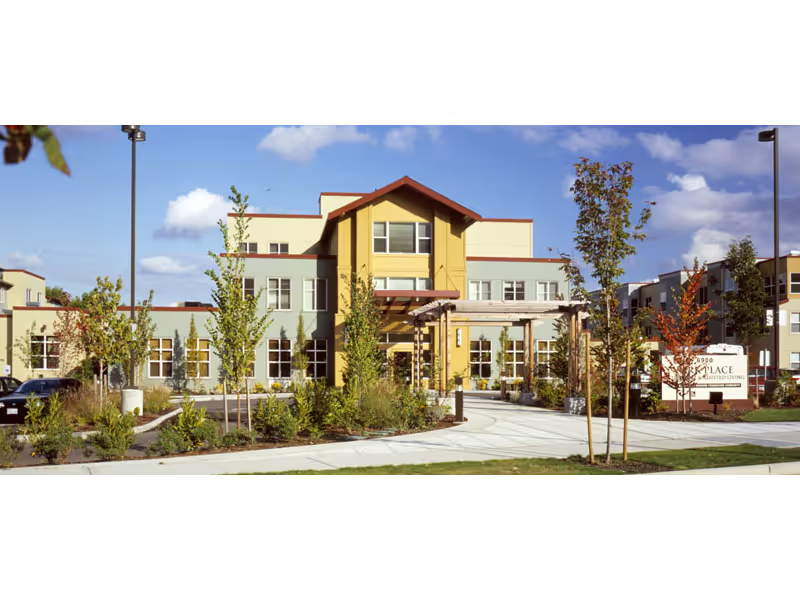
Across the summaries, Cambridge Adult Family Home presents as a small, family-oriented provider that emphasizes individualized, compassionate care. Reviewers consistently emphasize a warm and welcoming environment where staff spend personal time with residents, listen to needs, and foster social connections. Cleanliness, a well-maintained interior, and accessible common spaces (large dining and family rooms, wheelchair access, and an outdoor patio) are repeatedly noted, contributing to a sense of safety and comfort.
On clinical matters, the facility is described as experienced with residents who have complex medical or behavioral needs, including Alzheimer's and other forms of dementia. A distinguishing feature in the reviews is registered-nurse ownership and frequent RN presence, which families describe as available for discussions and responsive to concerns. This combination of clinical familiarity and hands-on oversight appears to support the home's ability to accept and manage residents some other settings label hard-to-place.
Staffing and management are portrayed as strong points. Caregivers are characterized as caring, attentive, and personable; reviewers highlight staff who prioritize resident dignity and appear to place care needs ahead of profit motives. Owner involvement (named in reviews) and open family communication are recurring themes, and many families express high confidence in staff engagement and continuity of care.
Dining and daily life are described positively: reviewers mention a superior diet and individualized attention at mealtimes, along with communal dining that supports social interaction. Formal activity programming is less frequently described in the summaries; the environment appears to focus on personalized interaction and family-style engagement rather than a broad slate of organized activities.
Areas for consideration include operational aspects that are common in small, home-based settings. The facility appears to rely substantially on the owner/primary RN for clinical oversight; prospective families should clarify how clinical coverage is arranged during off-hours and absences. Similarly, while social interaction and one-on-one attention are strengths, there is limited description of structured activity programming, which may matter for residents seeking a more programmatic schedule. Finally, the small scale that supports personalized care can also create capacity constraints—families should confirm bed availability and how the home manages transitions or increases in acuity.
Overall, the pattern in the summaries is of a well-maintained, family-focused adult family home with experienced clinical leadership and a consistently praised caregiving team. Prospective residents and their families would be well advised to tour the facility, meet the owner/registered nurse, and discuss after-hours clinical coverage, medication-management practices, and the schedule of activities to ensure alignment with the resident's needs.