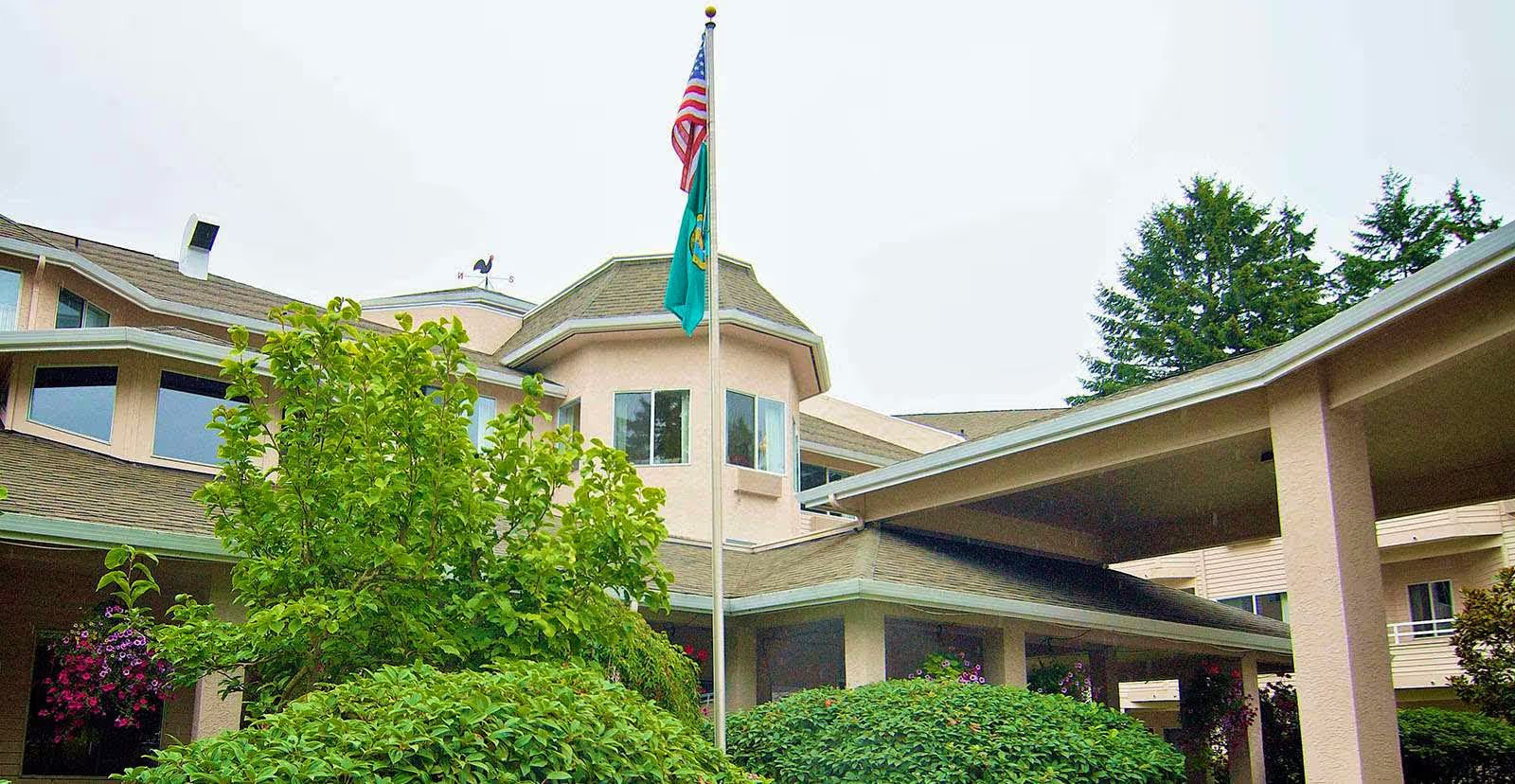
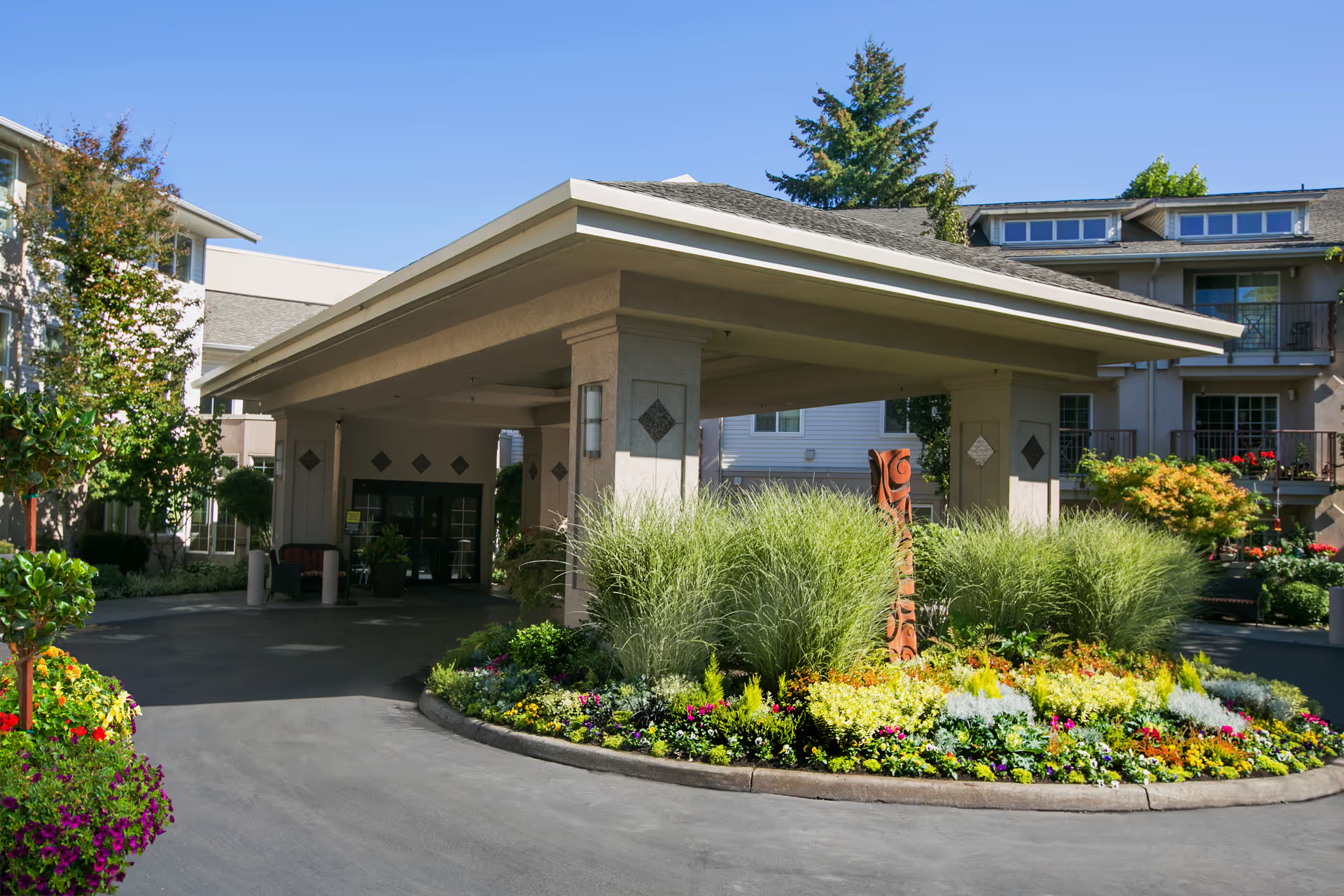
Regency Newcastle presents as a well-appointed, community-focused senior living option with many strengths in hospitality, amenities and rehabilitation services. Reviewers consistently describe a warm, welcoming staff and a hands-on leadership style under the Executive Director; that leadership is credited with creating an inclusive, family-run atmosphere distinct from larger corporate operators. Facilities are frequently characterized as bright, clean and recently modernized, with a range of floor plans from studios to large two-bedroom units, accessible outdoor spaces and a notable therapy pool and on-site physical therapy program that support short-term rehab and ongoing wellness.
Care and staffing: Care interactions are commonly described as attentive and compassionate, with consistent caregivers mentioned by many families and individualized attention for residents. At the same time, a clear pattern of operational staffing challenges appears across accounts: high turnover, periodic shortages and long wait times for assistance were frequently cited. These staffing limitations have been linked to slower response to call requests and occasional lapses in clinical-incident handling or family communication. Prospective residents should weigh the facility's strong caregiver culture against its staffing stability and ask about current staffing ratios and turnover mitigation efforts.
Dining and activities: Dining is a prominent positive for the community — many reviewers praise the culinary quality, themed happy hours, variety of menu options and included dining service with occasional bakery-style treats. That said, there are also reports of variable food quality, inconsistent portioning and slower meal service at times. The community offers a robust activities program (garden club, arts and crafts, drumming, trivia, exercise classes, outings and excursions), and residents frequently describe an active social calendar. Activity continuity can be affected by staff changes, pandemic-related restrictions historically, or equipment/vehicle outages that have led to cancellations; reviewing the current calendar and staffing for life-enrichment may be helpful for families prioritizing consistent programming.
Facilities and operations: The campus is widely regarded as attractive and well-maintained with modern common areas, a bistro fireplace, accessible water/coffee stations and nearby walking trails. On-site medical resources, visiting physicians and rehabilitation services are strengths for people who need higher levels of care or therapy. Persistent operational issues noted include infrastructure reliability (notably air-conditioning failures in some accounts) and intermittent housekeeping or pest-control concerns in shared areas. There are also procedural issues raised about access control (limitations on resident re-entry at night) and some restrictions on visiting hours that could affect resident independence and family access.
Management and notable patterns: Management is viewed positively in many accounts — leadership is described as visible, responsive and committed to ongoing improvements — and staff across front-desk, dining and therapy are often singled out for professionalism and helpfulness. Balance this against recurring operational weaknesses: staffing stability and infrastructure maintenance are the most consistent concerns. There are isolated accounts referencing regulatory review and specific clinical incidents; these should prompt prospective families to ask management for current compliance records, incident response protocols and examples of corrective actions taken.
Bottom line: Regency Newcastle is likely a strong fit for prospective residents seeking a social, amenity-rich community with strong rehabilitation services and a welcoming culture. It is particularly well suited to those who value fine dining, active programming and on-site therapy. Families should perform targeted due diligence about current staffing levels and turnover, HVAC and maintenance status, memory-care availability (if needed), respite-care processes, and clinical incident communication practices before moving forward.