The reviews present a mixed picture of Snohomish Health and Rehabilitation. Many families and residents praise the facility's clinical strengths: skilled therapists, effective short-term rehabilitation programs, attentive nursing in many instances, and generally smooth discharge and insurance coordination. Several contributors described supportive office and social-work staff who facilitate transitions and communication, and a number of reviewers singled out individual staff members and leaders for helpful, compassionate care.
Care quality shows notable variability. Positive accounts describe effective pain management, timely therapy, and strong clinical outcomes; negative accounts describe delayed responses to call lights, missed medication or monitoring events, inconsistent bathing and incontinence-care practices, and isolated but serious clinical lapses. These reports suggest operational weaknesses in staffing levels and in training/oversight that can affect timely assistance and clinical monitoring. Families should be attentive to medication-administration processes, monitoring protocols (e.g., blood glucose checks), and how the team documents and communicates clinical care.
Staffing and conduct are recurring themes. Many reviews highlight long-tenured, caring staff and a family-like culture, while others describe variability in staff competency, occasional poor communication tone, and customer-service issues at the front desk. There are also reports of infection-control and visitation lapses. While several reviewers praised specific staff members and proactive problem resolution by certain leaders, others noted inaccessible management and aggressive billing communications. A small number of reviews raise very serious concerns, including allegations of theft and other misconduct; these are significant and warrant independent verification.
Dining and activities receive mixed feedback. Numerous reviewers enjoyed varied, tasty meals and appreciated home-style options, but there are persistent complaints about food temperature, occasional poor meal quality, and inconsistent service timing. Activities programming is frequently cited as a strength—regular exercise, games, outings, and an upbeat activities coordinator—but activity delivery can be inconsistent, with equipment failures and canceled events reported in some cases.
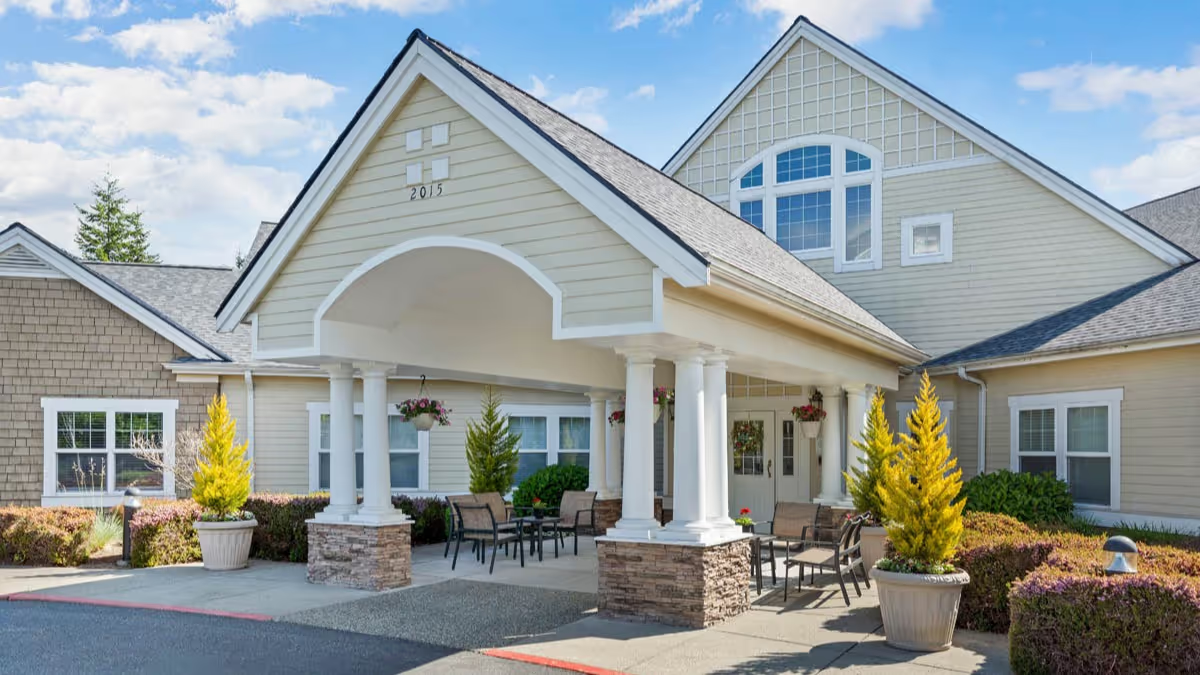
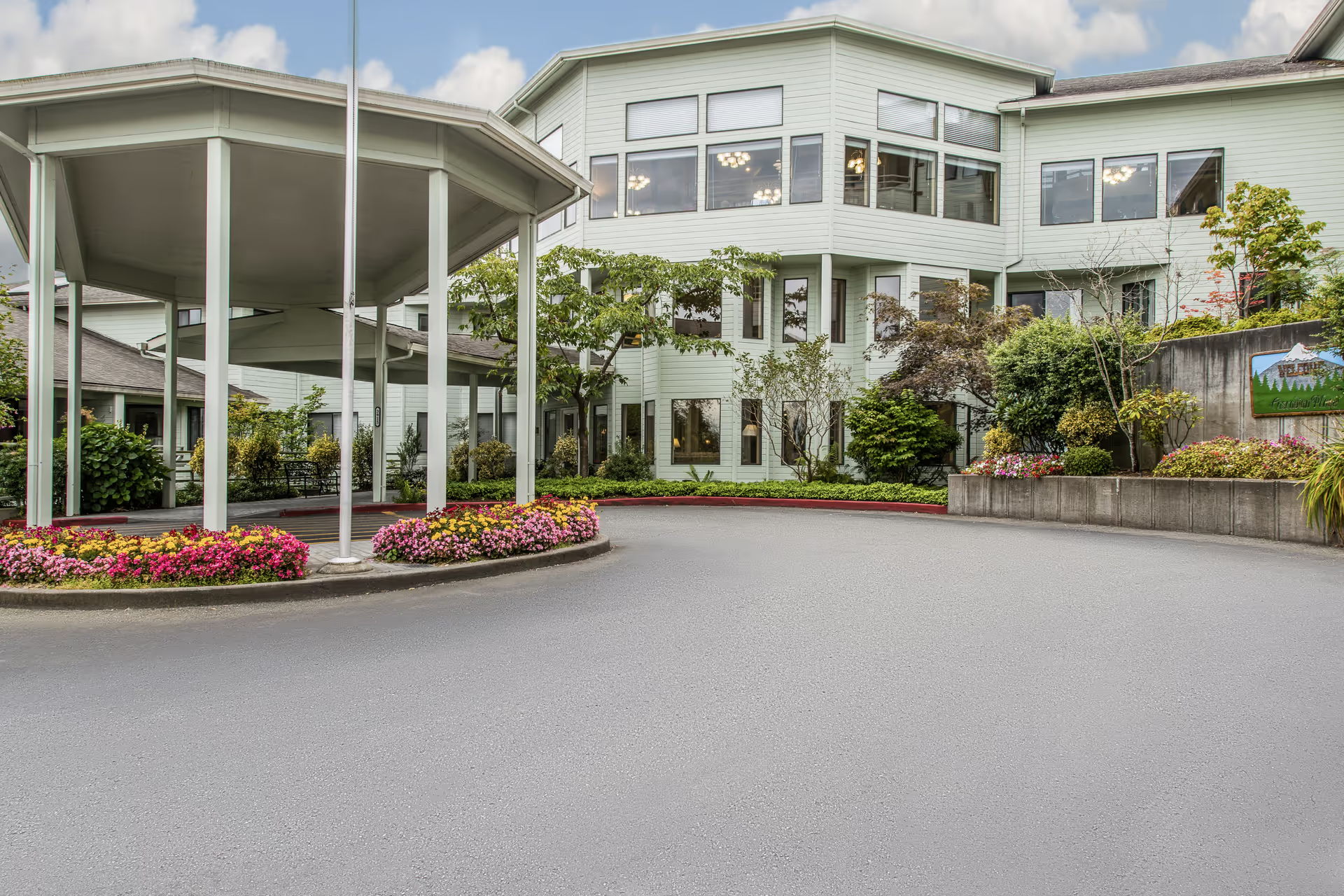
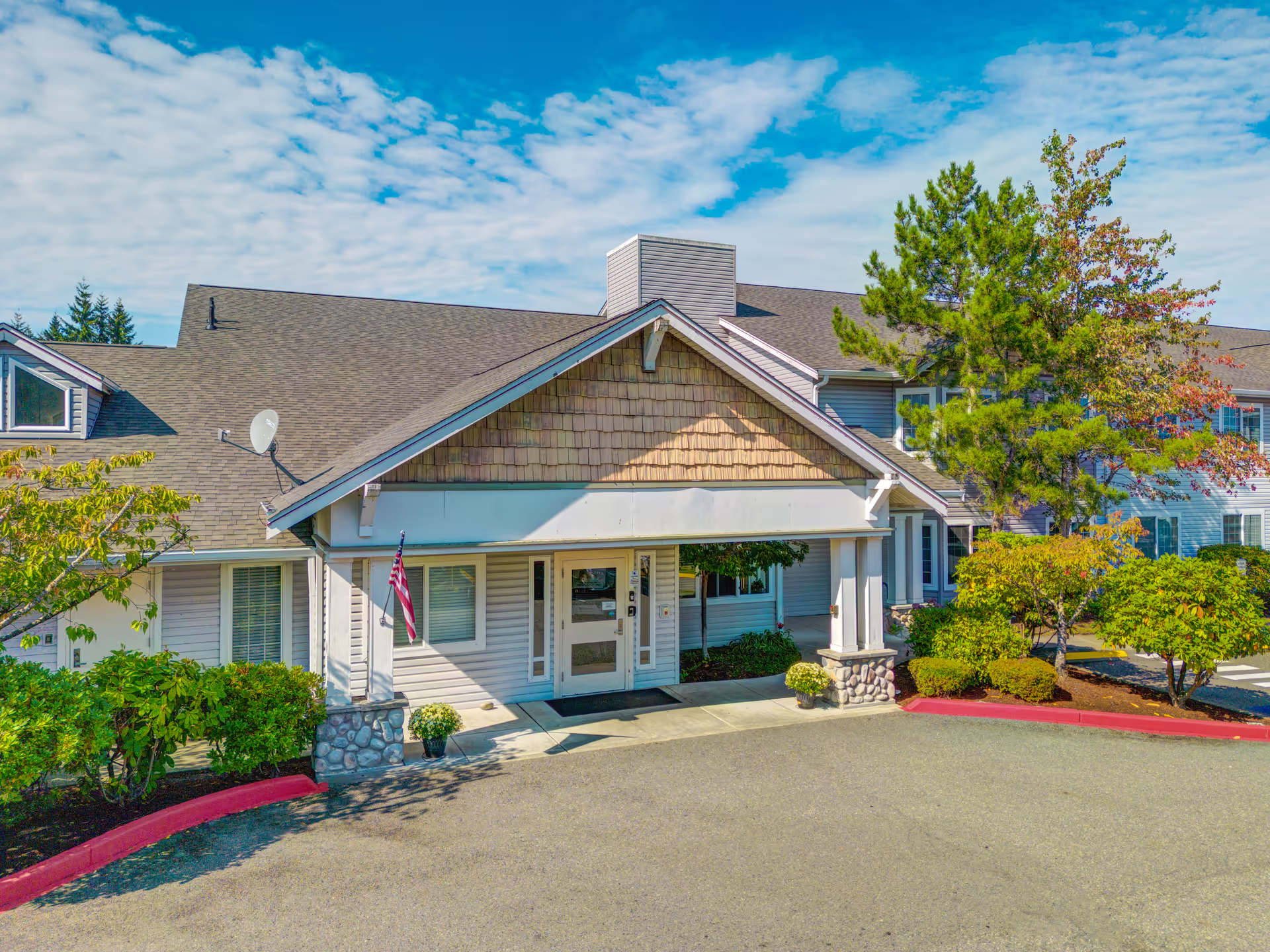
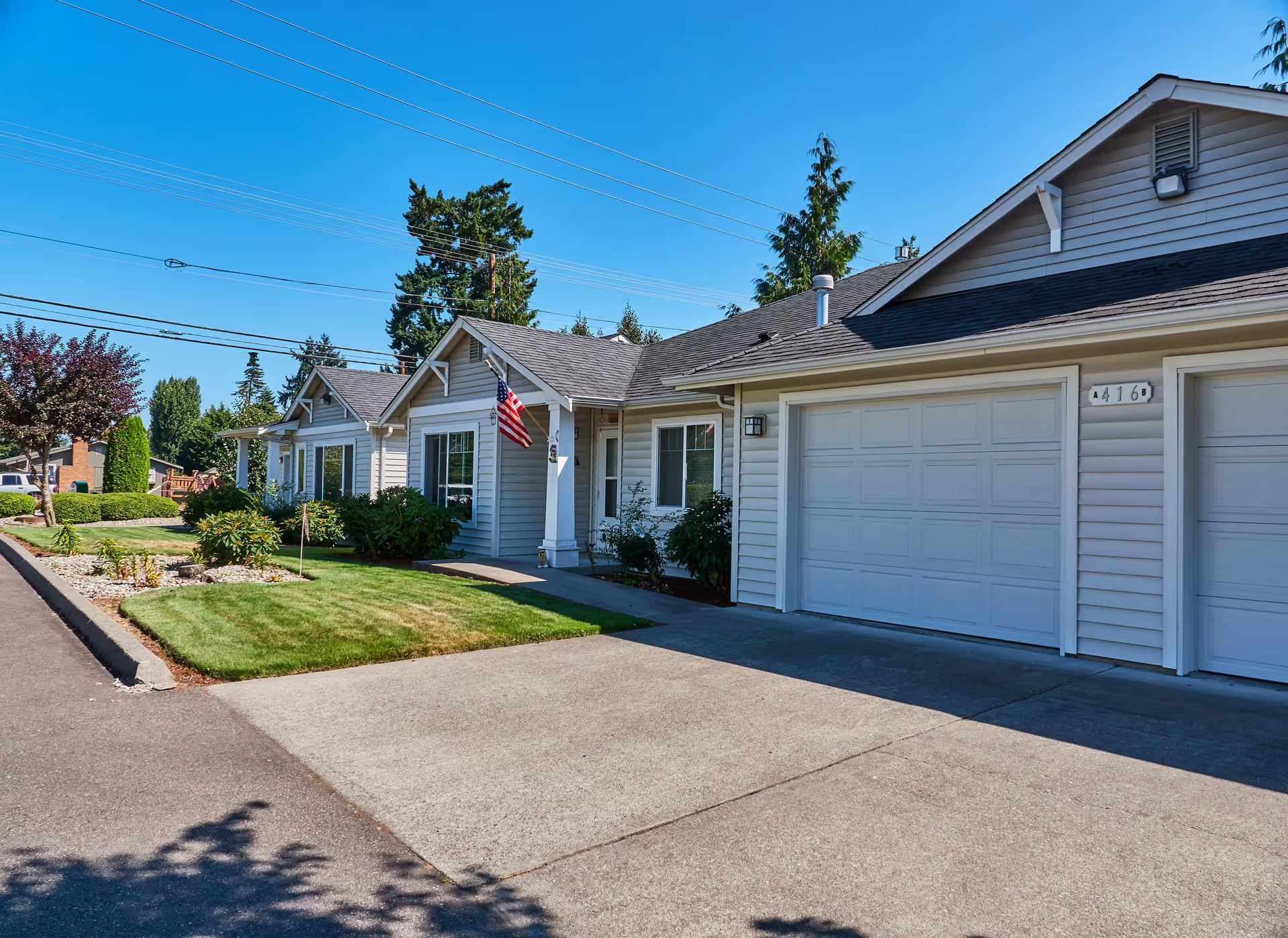
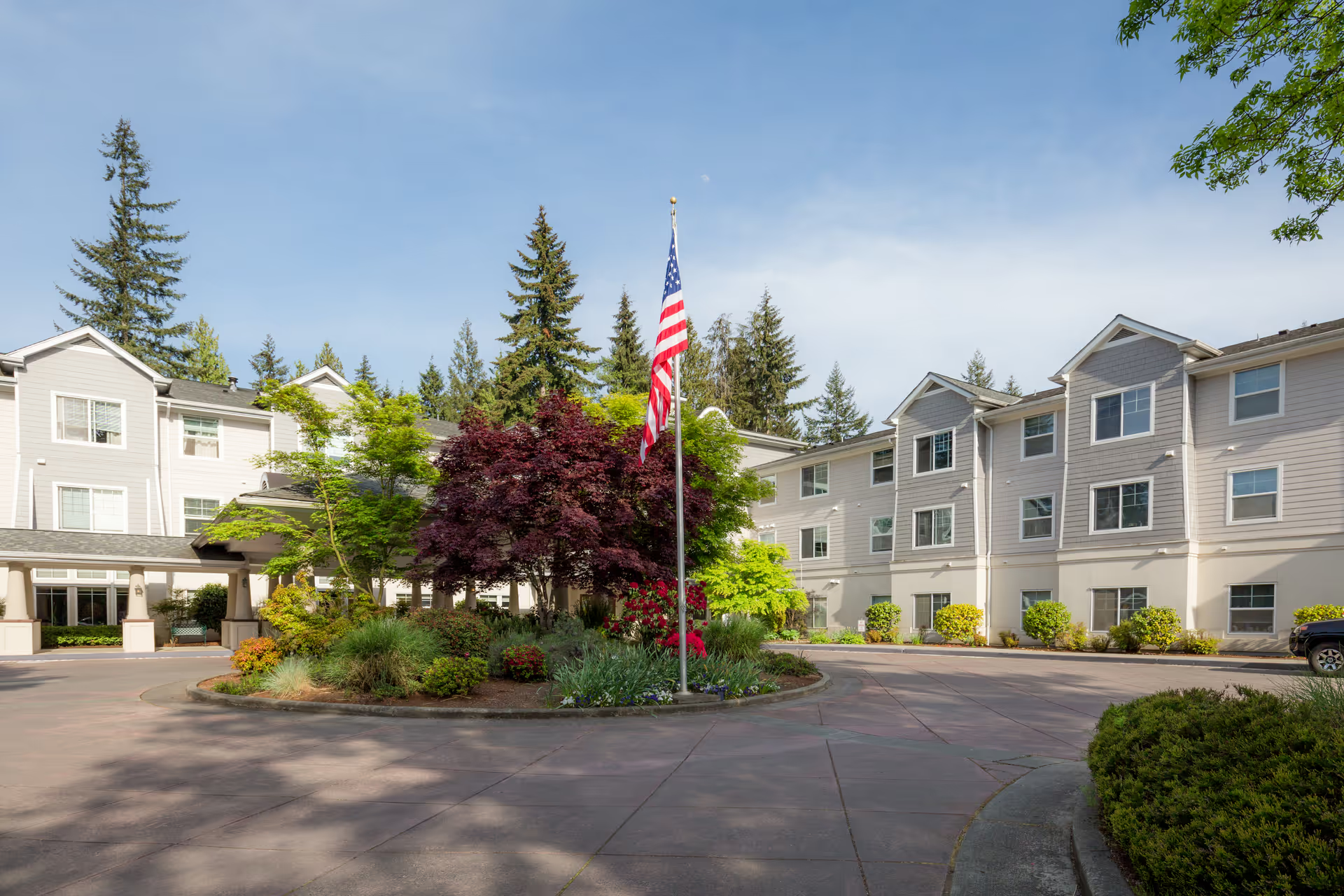
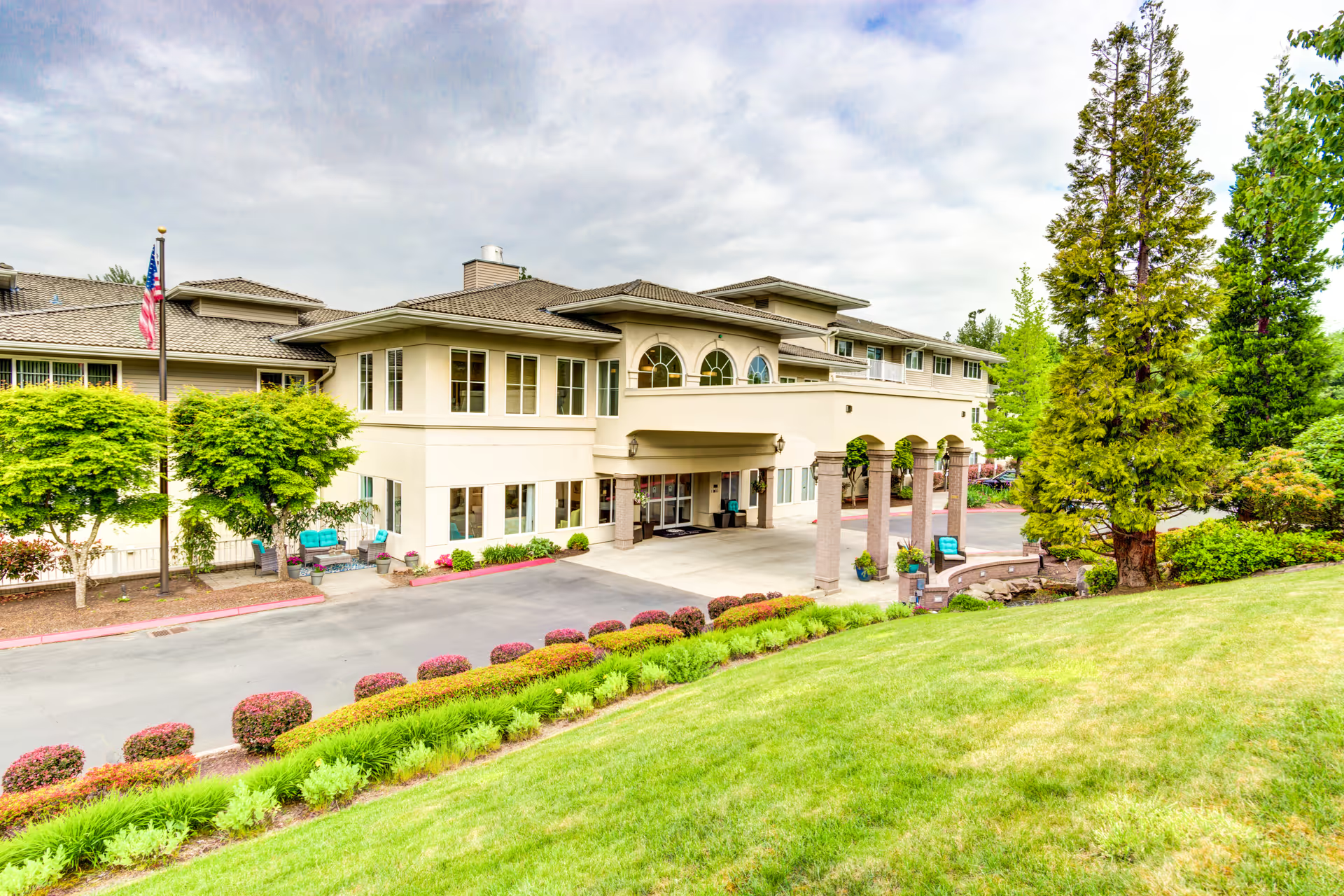
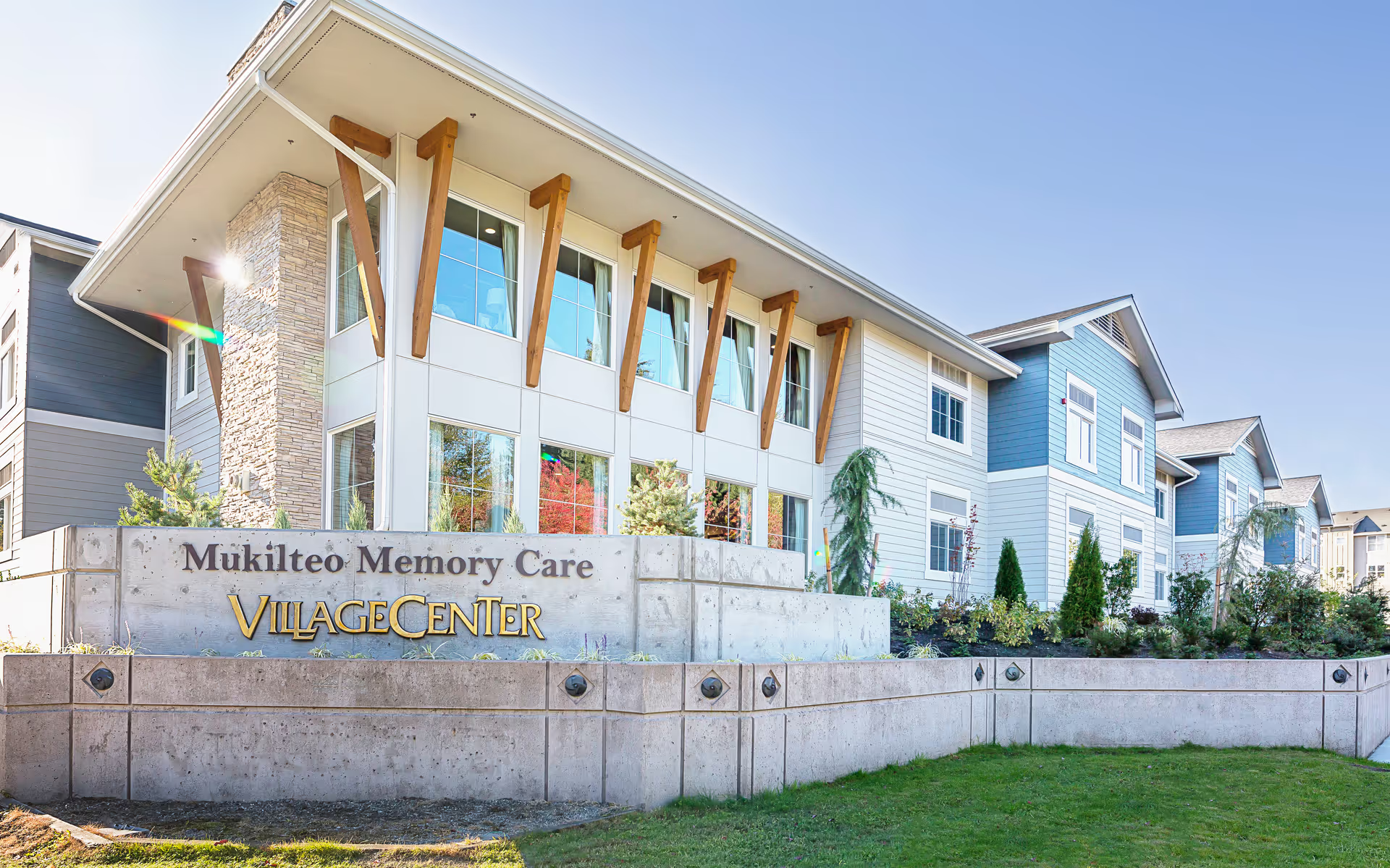
Facility condition is similarly mixed. The interior is commonly described as clean, secure, and well maintained, with pleasant common areas and an accessible courtyard. Conversely, the exterior, parking, and some equipment have been cited as needing attention: potholes, limited accessible parking, broken appliances, and other maintenance reliability issues were noted. Records access and discharge readiness also emerged as process areas needing improvement in some cases.
Overall pattern: strengths center on rehabilitation, select clinical staff, and supportive ancillary services; weaknesses cluster around inconsistent staffing (notably weekends), gaps in training and oversight, lapses in timely responses to resident needs, variability in dining and activities consistency, and management/administrative concerns including communication and billing practices. Prospective residents and families should consider on-site inquiries about current staffing ratios, call-light functionality, medication-safety protocols, infection-control policies, and how management addresses complaints. Observing meal service, an activity session, and meeting the therapy team can help assess whether the facility’s operational strengths align with an individual resident’s needs.