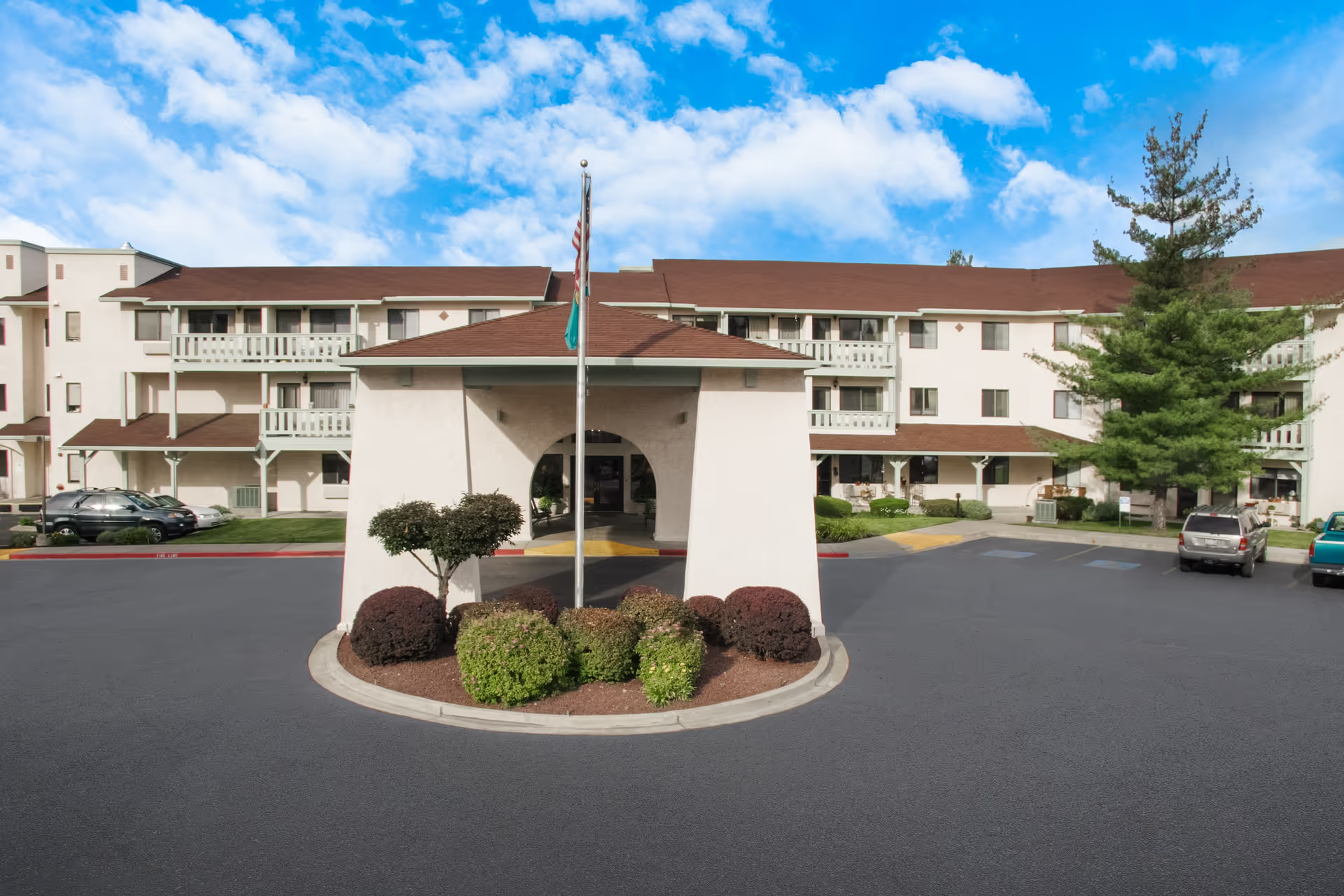
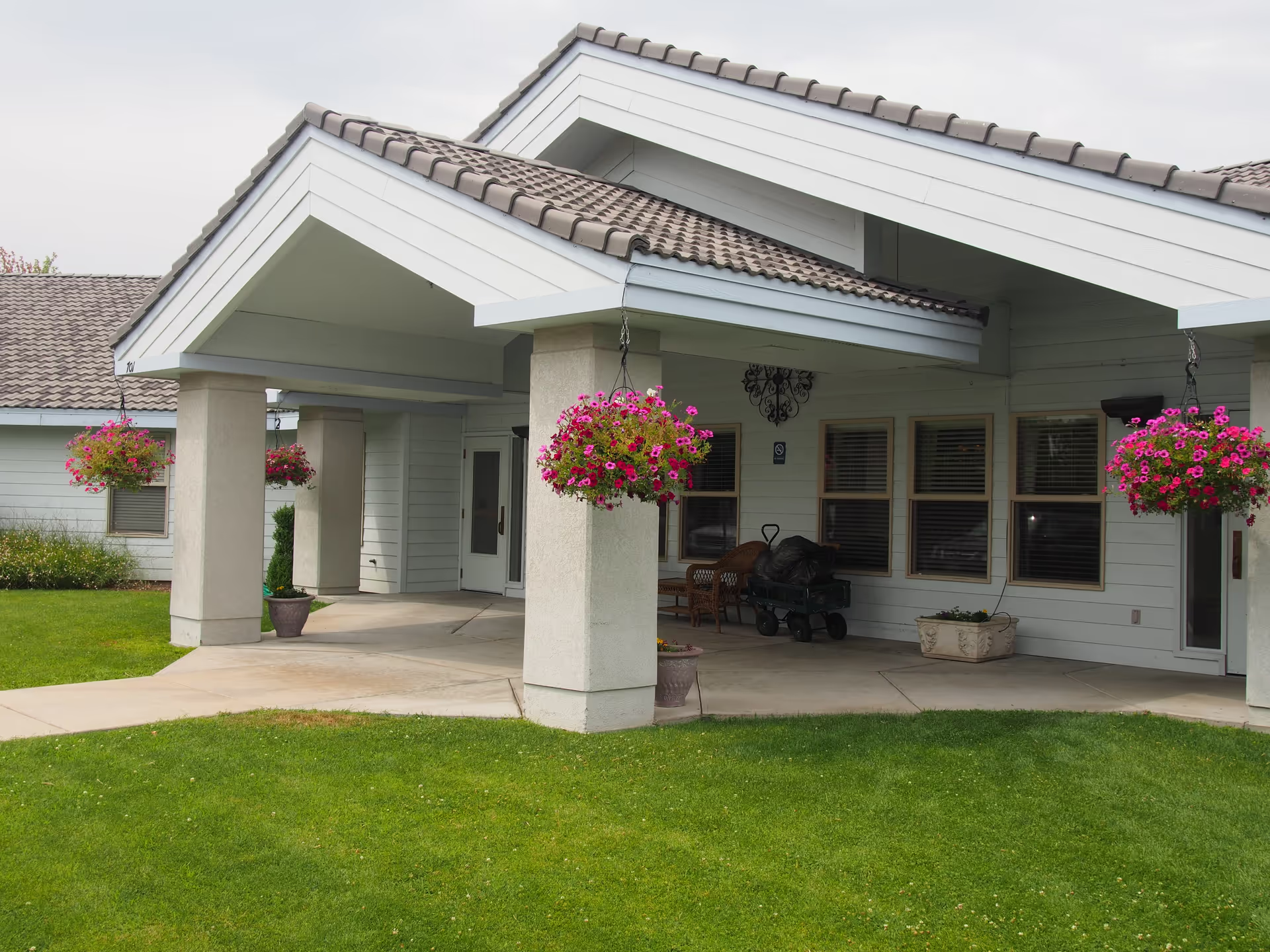
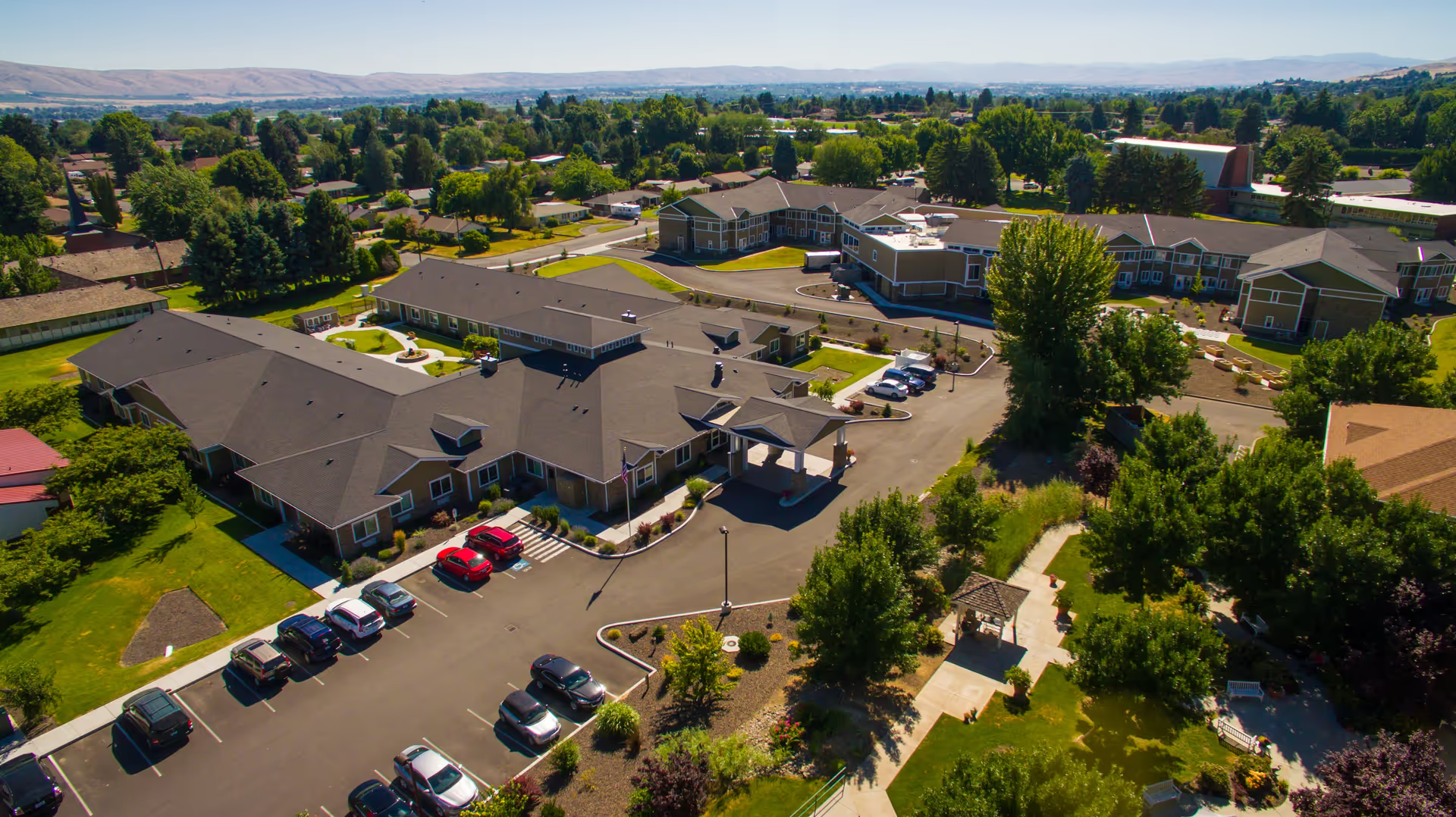
The reviews for Sunnyside Healthcare Center present a mixed picture. Several families and visitors describe clear strengths: many rooms are described as clean and spacious, bathrooms and common areas can be tidy, and some nursing and therapy personnel are credited with professional, calming communication and reliable care. Positive accounts emphasize organized care transitions, good coordination among staff, effective rehabilitation therapy, and family members feeling supported and relieved when their relative receives attentive care.
However, a substantial set of concerns recurs across reviews and suggests operational inconsistencies. Sanitation and incontinence-care practices are described as uneven, producing odor and cleanliness issues in some areas. Multiple reviewers cite delayed responses to call lights and assistance requests, which raises safety and dignity concerns for residents who require timely help. Reviewers also describe variability in staff professionalism and tone — while some staff are praised as compassionate and well-organized, others are characterized as inexperienced, inattentive, or inadequately supervised, pointing to staffing and training shortfalls.
Clinical quality issues are another pattern: reviewers mention medication-management and monitoring shortcomings, delays in wound or seizure oversight, and inconsistent documentation and family communication after adverse events. These operational gaps are sometimes tied to insufficient staffing or workforce instability. Dining service is similarly mixed — some families note unappetizing or cold meals and inconsistent meal service, while others do not raise concerns. Therapy and rehabilitation receive both positive and critical assessments, indicating variability in program quality or individualized outcomes.
There are also serious trust and safety concerns described by families, including allegations of theft or mishandling of personal belongings and instances where families pursued regulatory complaints or considered legal action. A few reviews reference concerns following a resident’s death; several families indicated they filed complaints with state regulators. These are individual but significant issues that prospective families should investigate directly with the facility and regulators.
For prospective residents and family decision-makers: arrange an in-person tour and observe staffing levels and responsiveness at different times of day; inquire about sanitation and incontinence-care protocols, medication-tracking systems, incident-reporting procedures, and wound/seizure monitoring processes. Ask for current staffing ratios, turnover data, and examples of staff training. Review how personal belongings are logged and secured, and ask about the facility’s complaint-resolution and family-communication practices. Where possible, speak with current family members about day-to-day reliability of care and therapy outcomes to get a clearer sense of consistency across shifts and units.