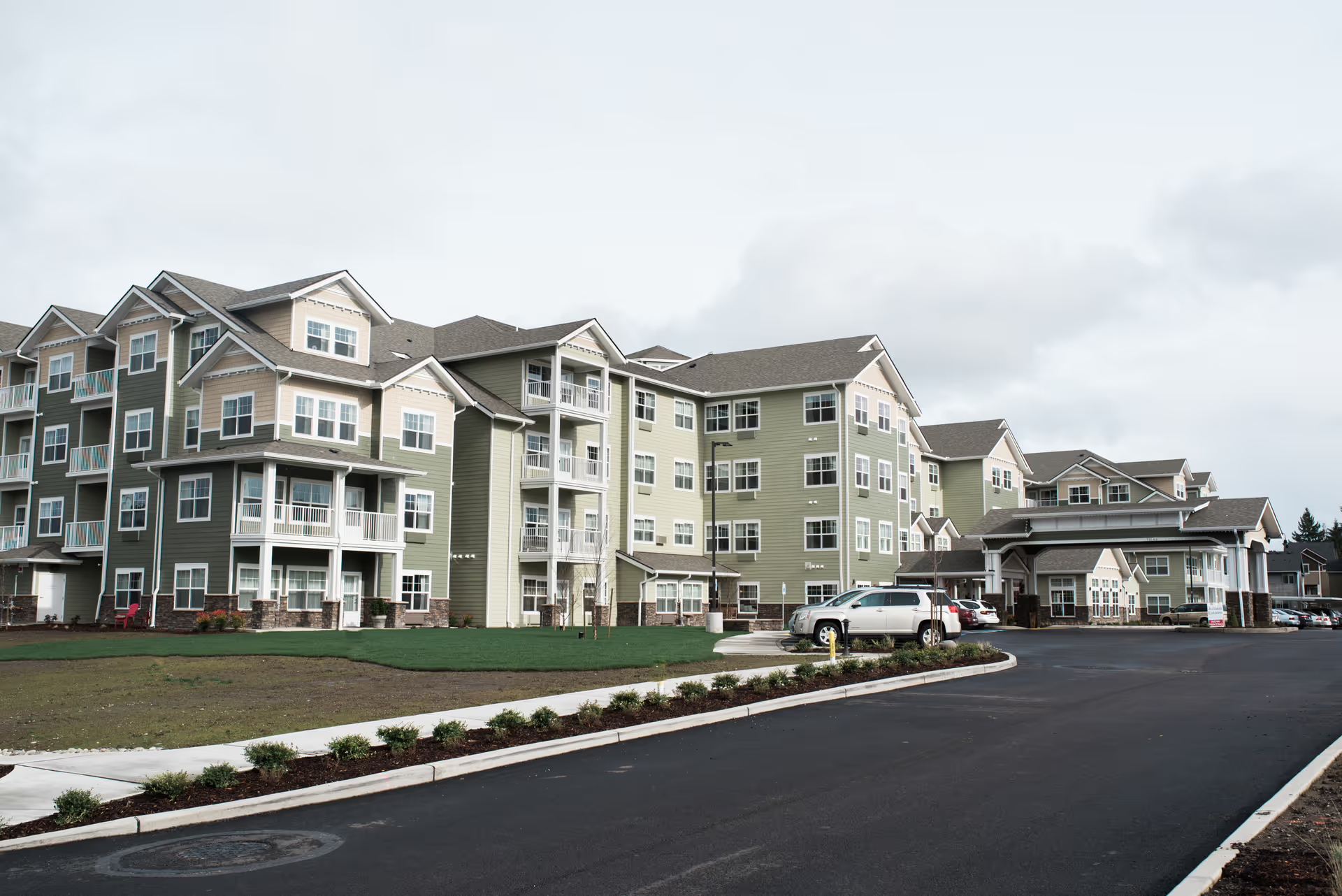
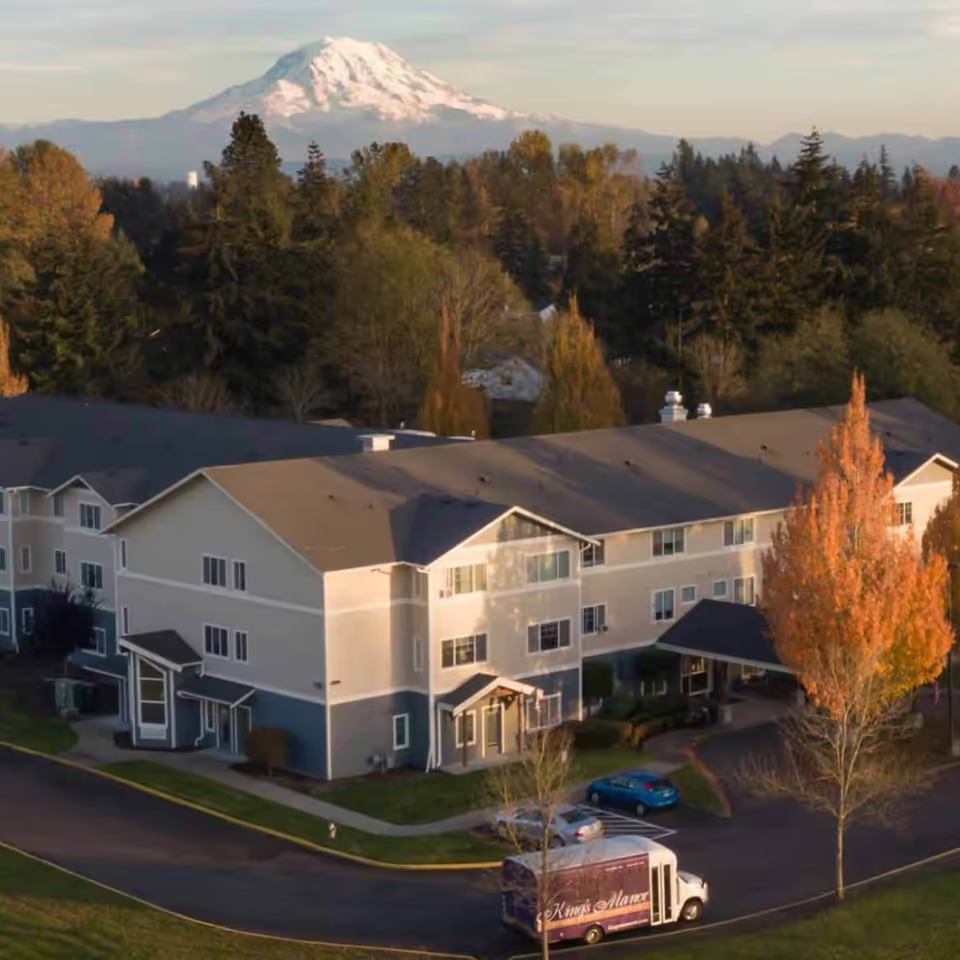
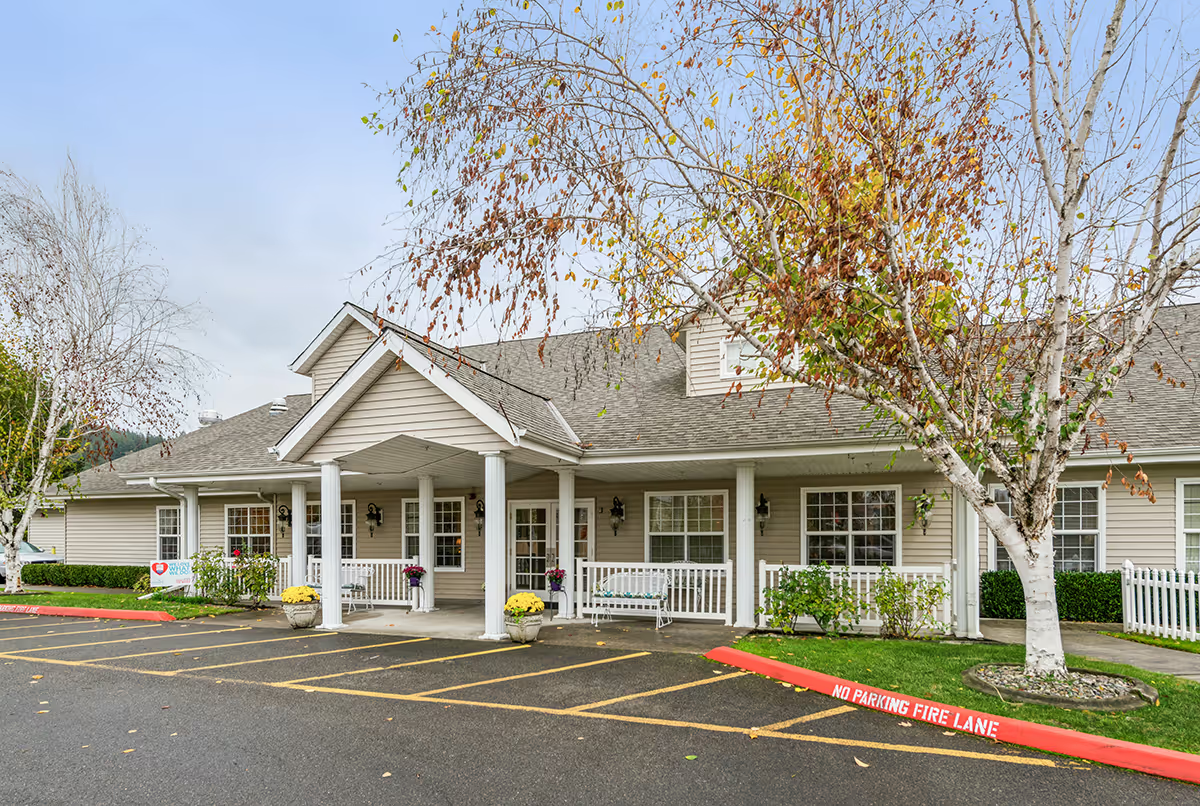
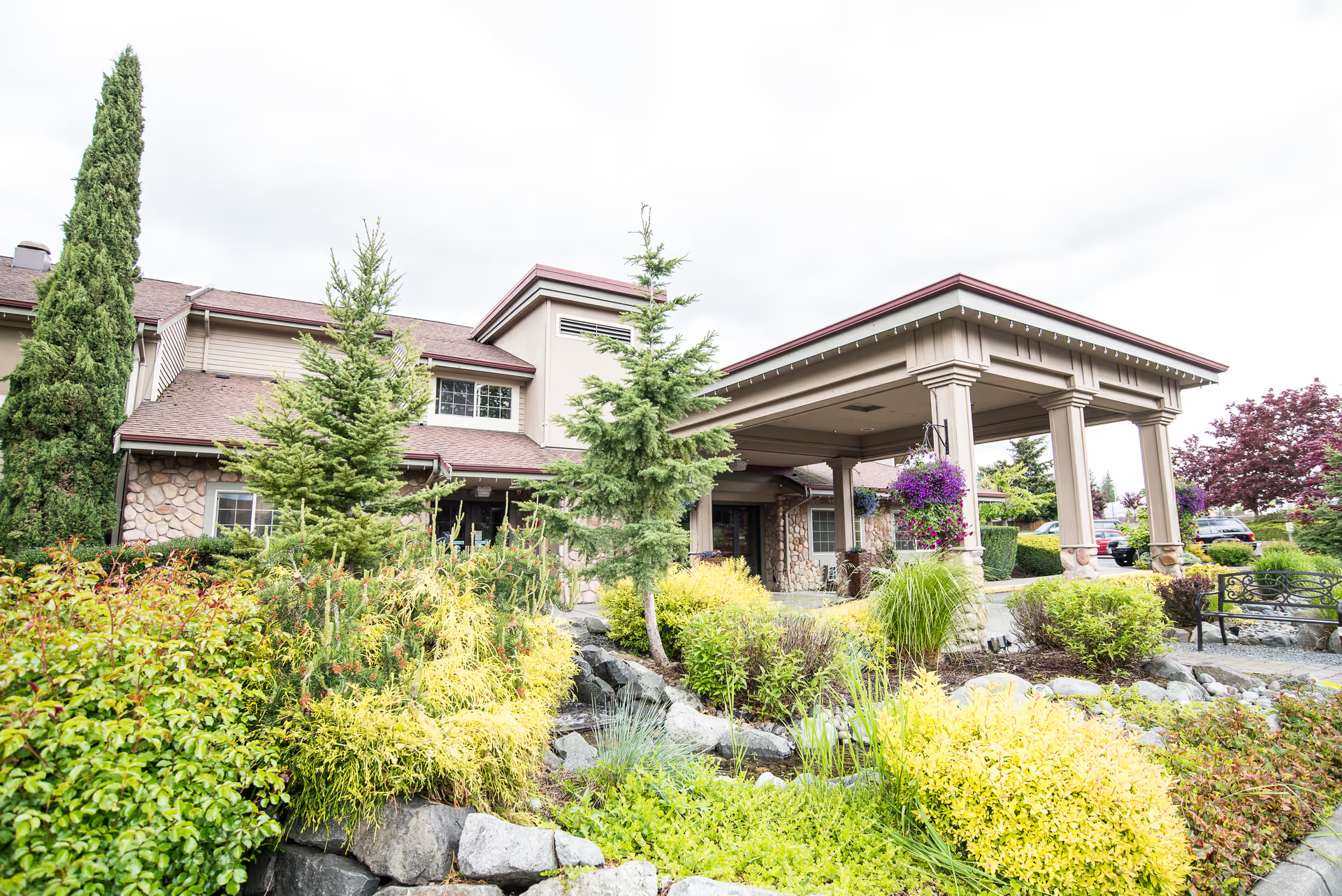
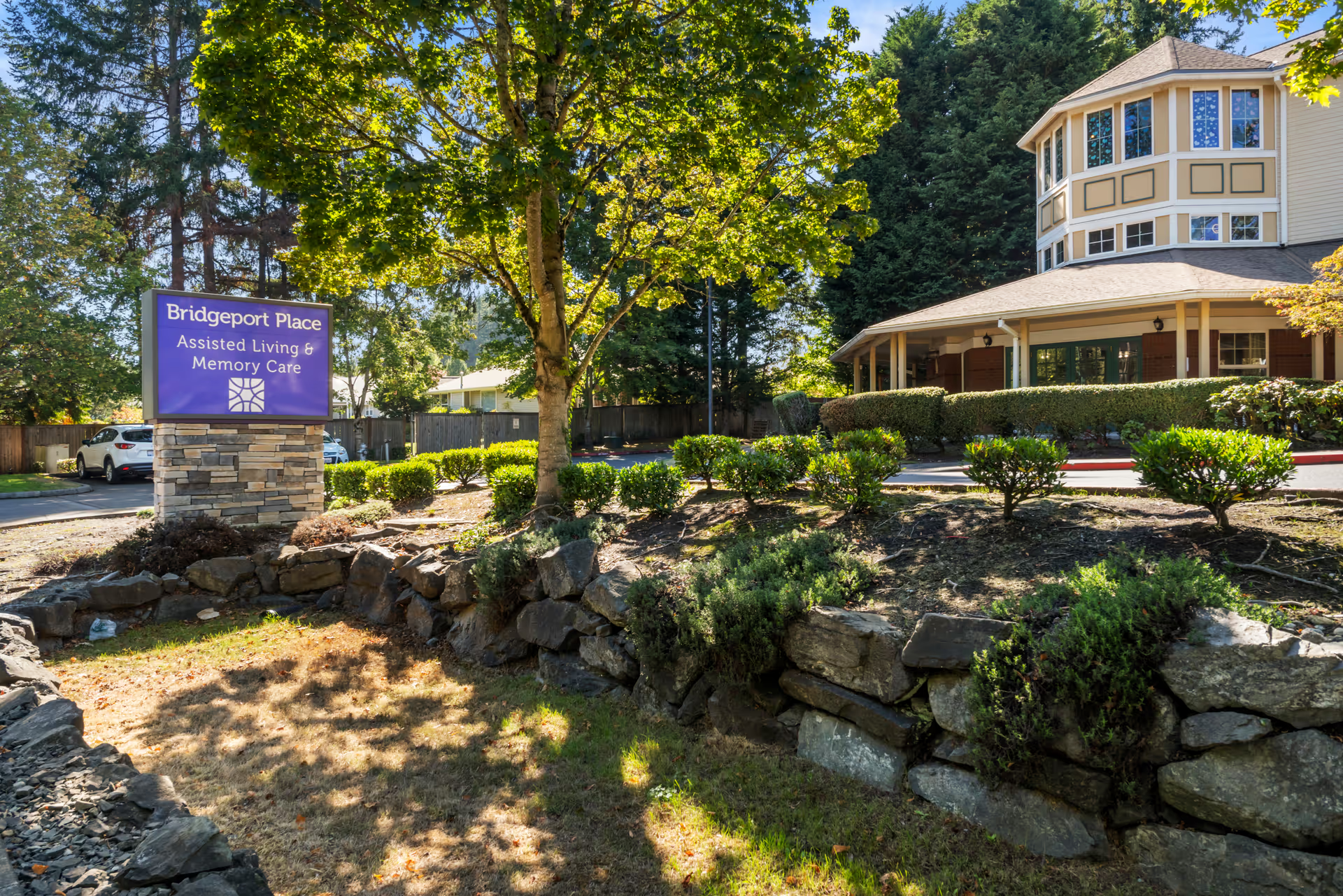
Overall impression: Reviews describe a facility with strong community and environmental strengths alongside a set of operational and safety concerns that families should evaluate before placement. Positives consistently cited include attractive, well-kept grounds and a home-like, family culture among many staff and residents. Several families praised the manager and highlighted ease of transition, a relaxed atmosphere, and frequent outings that promote social engagement for mobile residents.
Care quality and clinical oversight: A recurring operational issue is limited on-site clinical nursing coverage; reviewers noted the absence of an RN or LPN, which suggests potential gaps in oversight for clinical tasks, medication management, and complex care needs. There are also accounts indicating lapses in safe transfer and handling practices and episodes that reflect weaknesses in physical safety protocols. Transportation safety emerged as a separate concern, with descriptions of driver behavior that some reviewers felt endangered vulnerable riders. Prospective families should directly confirm current clinical staffing levels, transfer-training practices, and transportation policies.
Staff and management: Many reviewers described staff as caring, trustworthy, and familial, and several praised the manager as supportive. At the same time, there appears to be variability in staff performance and conduct; isolated but serious accounts raise concerns about staff training, supervision, and the facility’s processes to protect residents’ decision-making and financial interests. There are even allegations of coercion around power-of-attorney decisions in at least one account; families should ask about safeguards, consent procedures, and how the facility prevents and resolves conflicts related to resident finances and legal decisions.
Dining, activities, and daily life: Dining received mixed feedback. Some reviewers complained about food quality and instances where dietary restrictions were not consistently followed, indicating gaps in dietary management and meal-accommodation protocols. Activity offerings are a mixed picture: the home organizes frequent off-site outings that are appreciated by mobile residents, but on-site programming appears limited for less-mobile or cognitively impaired residents. Physically, the facility’s open interior and accessible layout are strengths for mobility aid users, and shared outdoor spaces are a positive for quality of life. Room storage space was noted as sparse, which could affect residents who bring more personal items.
Financial and operational transparency: Reviewers mentioned price increases and expressed unease about financial transparency. Combined with the consent-related concerns noted above, this suggests families should review contract terms, recent fee-change history, and the facility’s policies for communicating cost changes.
Recommendation: The overall pattern is mixed—strong social and environmental positives counterbalanced by operational issues that could affect safety and clinical reliability. Prospective residents and families should tour the facility, observe mealtimes and an outing if possible, review current nursing coverage and staff training protocols, request documentation of transportation and transfer safety policies, ask for written procedures about consent and financial protections, and clarify storage and pricing policies before making a placement decision.