Reviews for Tacoma Nursing & Rehabilitation Center present a mixed but consistent pattern: many families and patients praise individual caregivers, therapy teams, and social‑services staff, while others report operational and process shortfalls that affect day‑to‑day resident experience. Strengths most often cited include compassionate CNAs and nurses, strong rehabilitation and physical/occupational therapy, attentive social workers who facilitate discharge and benefits processes, and generally clean, well‑maintained common areas and grounds. Several reviews single out specific staff members and trainers who provide individualized attention and effective hands‑on teaching.
Care delivery shows a bifurcated picture. On the positive side, reviewers describe competent clinical care (including wound improvement and successful rehabilitation stays), attentive discharge planning, and clinicians who helped residents meet goals and transition safely home. On the concern side, reviewers describe operational weaknesses that have clinical consequences: delayed responses to call bells and care requests, inconsistent bathing and personal‑care routines, and instances suggesting gaps in medication‑administration controls. Families also express worry about communication after incidents (for example, delayed family notification after falls) and inconsistent monitoring during off hours. These items point to uneven care continuity rather than uniformly poor clinical skill.
Staff and workplace culture are frequently praised at the individual level yet characterized as inconsistent overall. Many reviews commend specific CNAs, nurses, therapists, and social workers for compassionate, resident‑centered interactions and for going beyond their duties. At the same time, reviewers note variability in professionalism and communication tone across shifts, reports of staff appearing overworked or disorganized, and examples of staff entering rooms without clear privacy practices. High workload and apparent turnover are recurring themes that help explain variability in responsiveness and service consistency.
Dining and activities show similarly mixed feedback. Several families appreciate diet‑related support from staff and the availability of therapeutic diets, and some residents report good daily menus. Counterbalancing this are repeated comments about inconsistent meal temperature and composition, limited protein and fiber options relative to carbohydrate content, and occasional service lapses. Activity programming is described as positive when present, but communication about schedules and participation is uneven, and some residents/families experienced limited engagement opportunities.
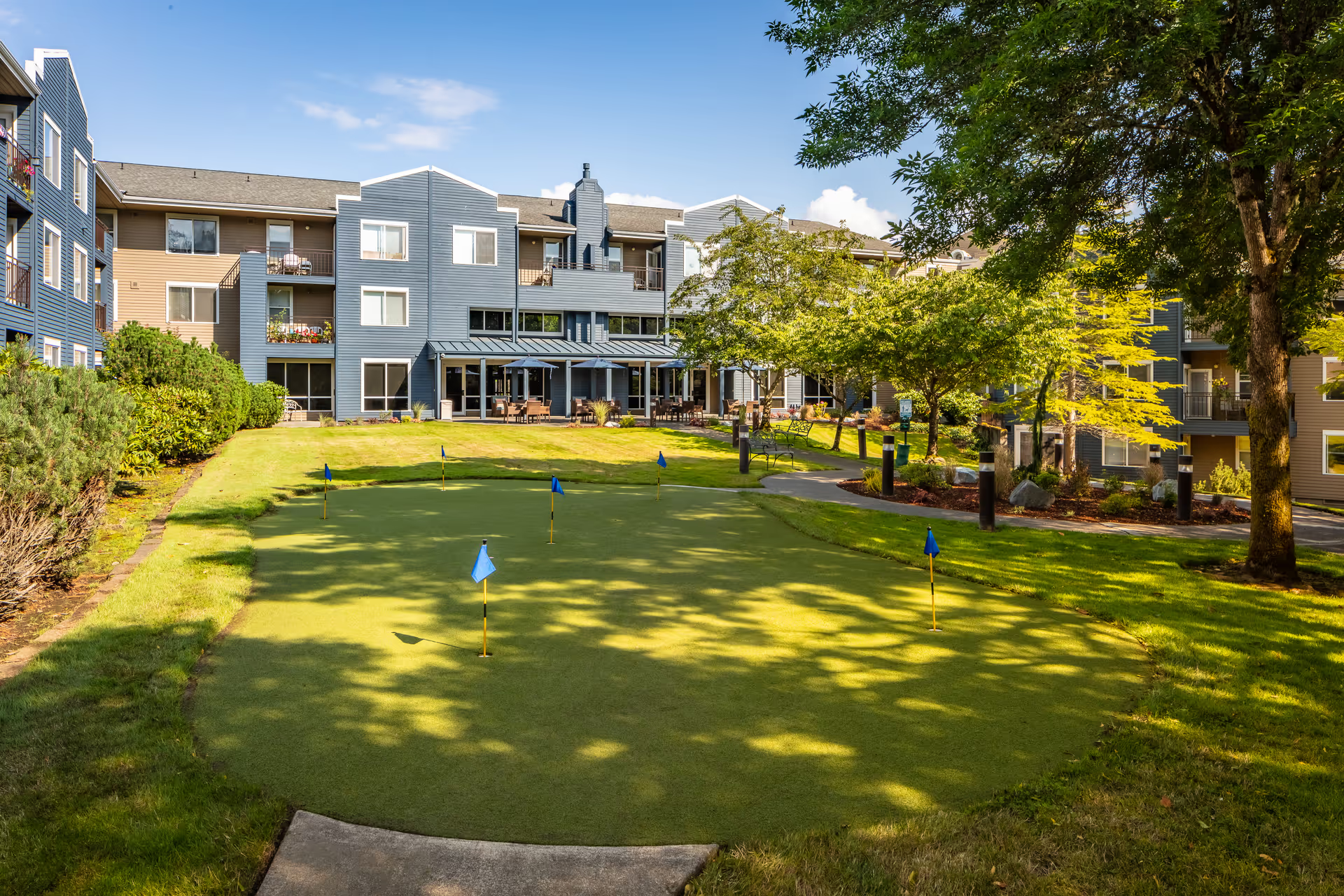
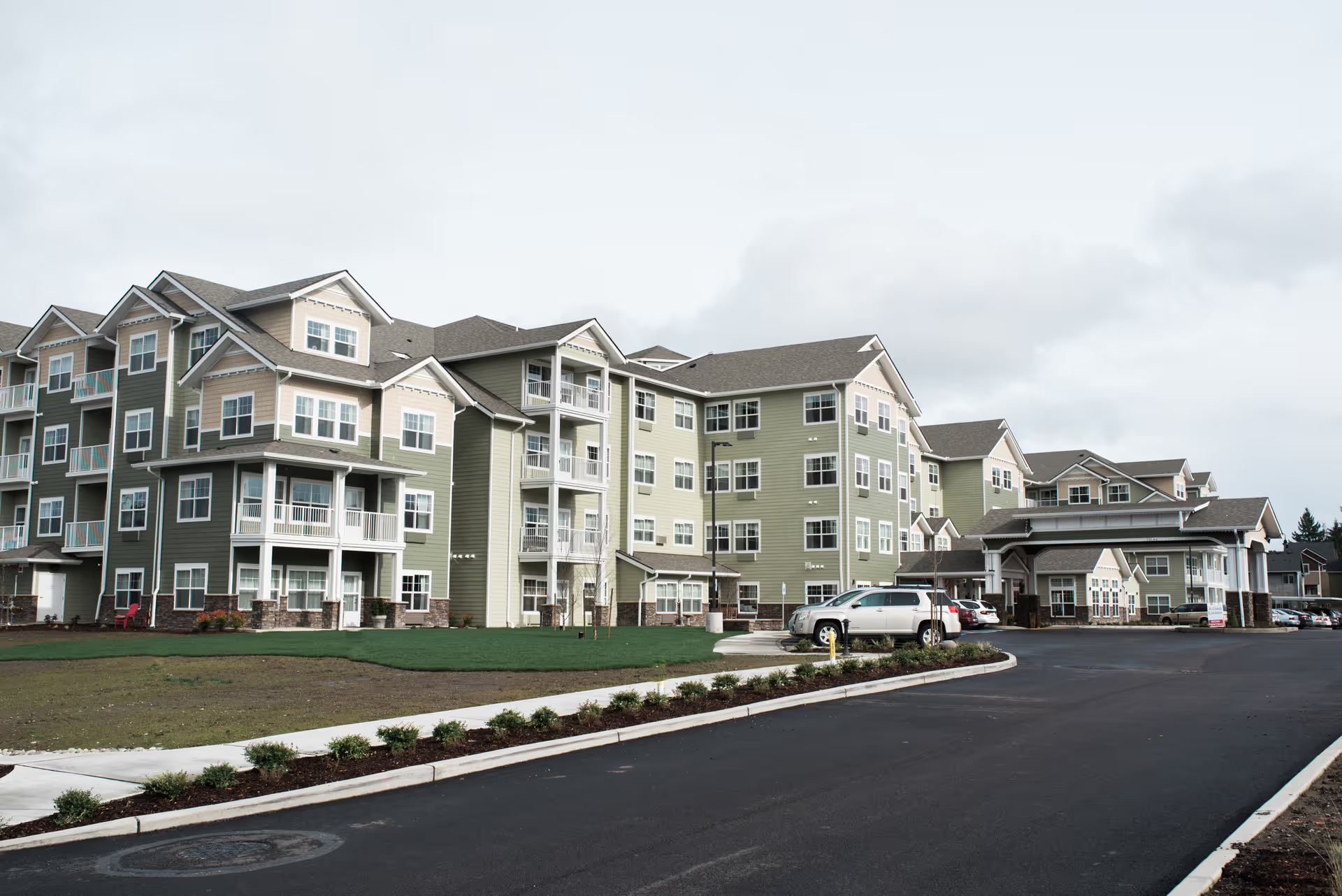
The physical plant receives generally favorable comments for cleanliness and upkeep, and many reviewers find the facility welcoming. However, there are intermittent maintenance and sanitation concerns: localized odor issues, occasional broken equipment (for example, ice machine), and internet or phone connectivity gaps. The absence of in‑room phones and unreliable main-line responsiveness were identified as barriers to family communication.
Management and administration elicit polarized views. Social services and specific managers are praised for proactive discharge assistance and family support, and some reviews note improvement under newer leadership. Conversely, other reviewers describe inconsistent administrative responsiveness to complaints, difficulty reaching staff by phone, and perceived instability in leadership. Several comments also point to the need for additional staff training and stronger emergency‑response and regulatory follow‑up processes.
For prospective residents and families: this facility may offer strong rehabilitation services and highly dedicated individual caregivers, particularly for patients focused on therapy and discharge planning. At the same time, prospective families should evaluate operational concerns that affect daily living—ask about call‑response times and staffing levels across shifts, medication‑safety protocols, meal plans and substitutions, activity schedules, privacy practices, and plans for addressing sanitation and maintenance issues. Visiting at different times of day and speaking directly with social services about discharge workflows and communication expectations will help assess whether the current operational environment matches the resident’s needs.