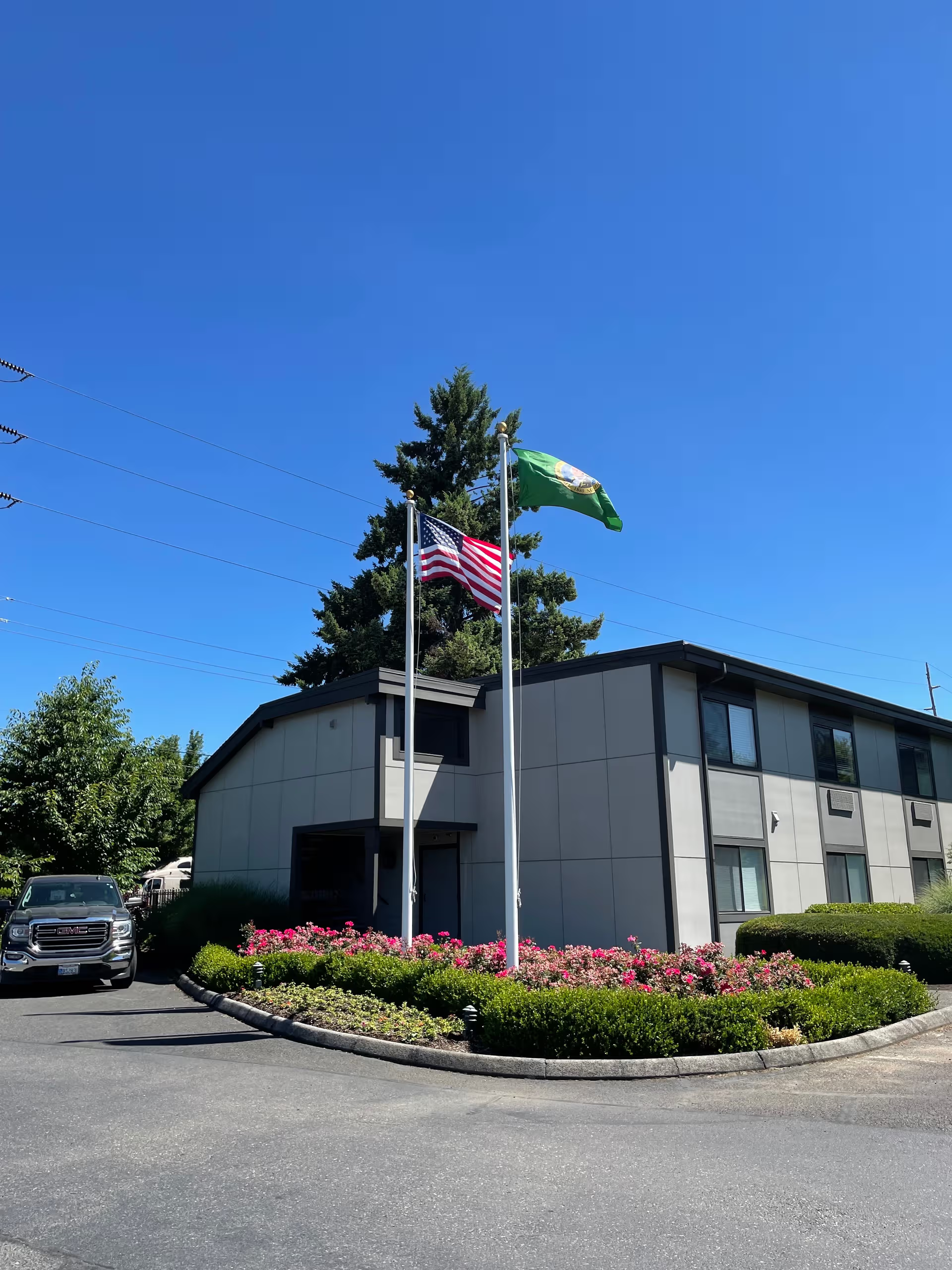
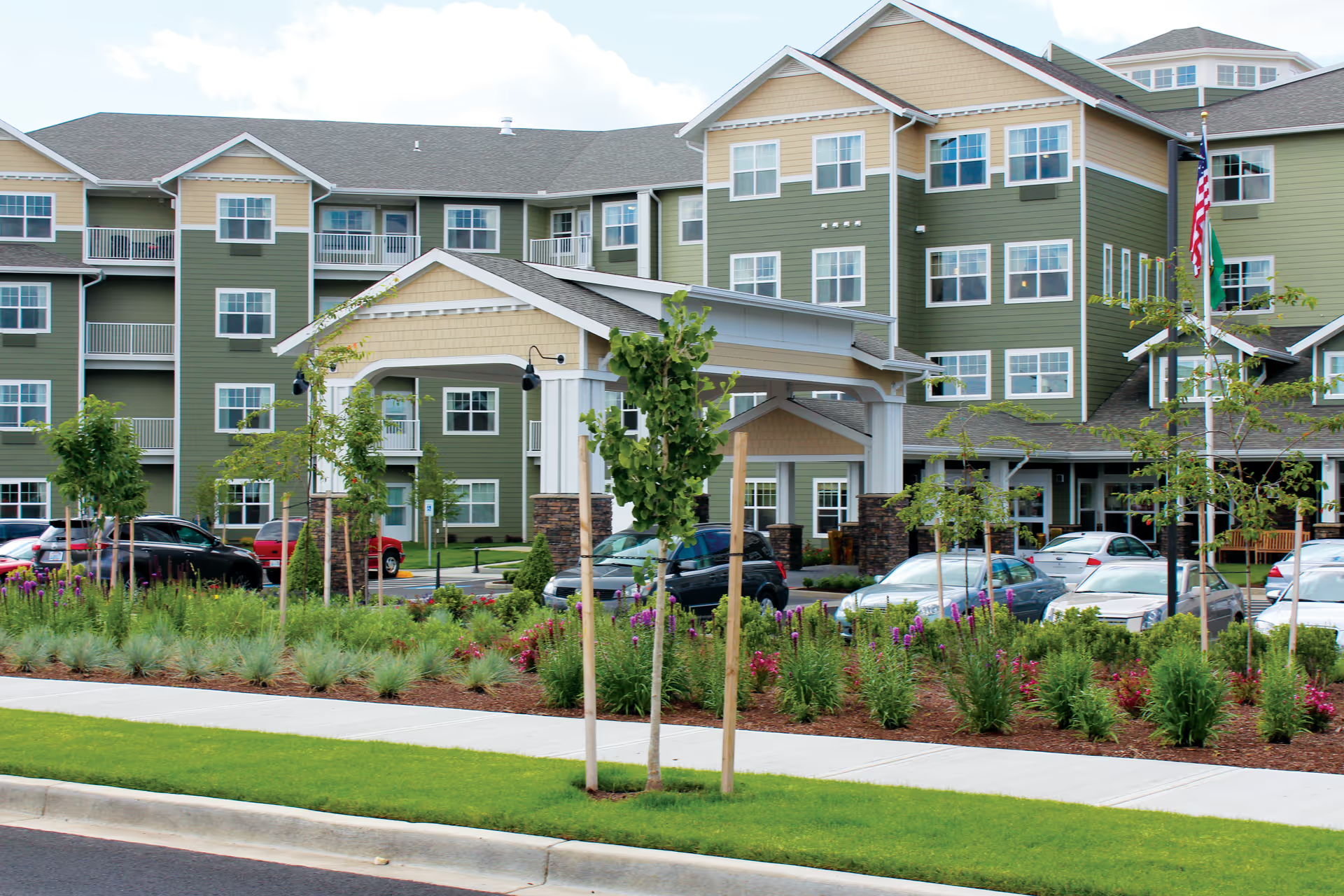
Brookdale Vancouver Stonebridge elicits a strongly mixed but informative set of impressions. Many families emphasize that direct-care staff are caring, attentive and engaged; reviewers consistently mention compassionate caregivers, supportive executive leadership, and staff who communicate with families. The community is often described as clean, homey, and odor-free, with a well-kept interior, private-bathroom options in some rooms, an on-site salon, and a secure, enclosed courtyard that residents and families appreciate. Financially, the community offers a one-year spend-down option, Medicare acceptance and visible billing support, which several families found helpful during transitions.
Care and clinical oversight present a more mixed picture. Positive accounts describe prompt, attentive caregiving, a proactive fall-response system with video review capability, and strong emotional support for families. At the same time, a number of reviews describe operational weaknesses: inconsistent staffing levels and caregiver turnover that can lead to delays in responding to resident needs, gaps in personal-care routines and sanitation consistency, and variability in medication and clinical oversight. A few reviewers raised serious concerns about medication management and staff conduct; those comments suggest isolated but potentially severe issues that warrant direct inquiry during a tour or care planning meeting.
Dining and activities are likewise variable. Many residents and families praise the food as appealing and accommodating to preferences, and activity programming—particularly singalongs, church services and seasonal family events—receives positive mention. Other families, however, found meal quality inconsistent and wished for broader, more frequent programming, noting activity reductions after COVID or during remodeling. Memory-care programming and the small-unit model are frequently highlighted as strengths for residents with cognitive impairment, although families should confirm current activity schedules and participation options during a visit.
Facility amenities and safety features are noted positives: secure outdoor spaces, small memory-care areas that allow closer supervision, private and well-appointed apartments, and camera/video systems used for fall assessment. Conversely, several operational patterns recur in the reviews that prospective families should evaluate: inconsistent communication from management (including variable responsiveness and conflict-resolution approaches), lost or misplaced resident belongings and unclear asset-tracking practices, pricing clarity and occasional post-move-in increases, and limited transportation or on-site physician coverage. Reviewers also pointed to constrained nursing coverage relative to resident numbers, which can affect clinical responsiveness.
In summary, Brookdale Vancouver Stonebridge has clear strengths in direct caregiving, a clean and welcoming physical environment, memory-care specialization, and some useful clinical-safety features. At the same time, recurring operational concerns—particularly around staffing consistency, clinical oversight, management communication, and belongings tracking—appear often enough that families should address them proactively. Recommended next steps for prospective residents and families include a focused tour that reviews current staffing ratios and nurse coverage, examples of medication-management protocols, the community’s process for handling behavioral incidents and belongings, and a sample activities calendar to confirm frequency and relevance for the prospective resident.