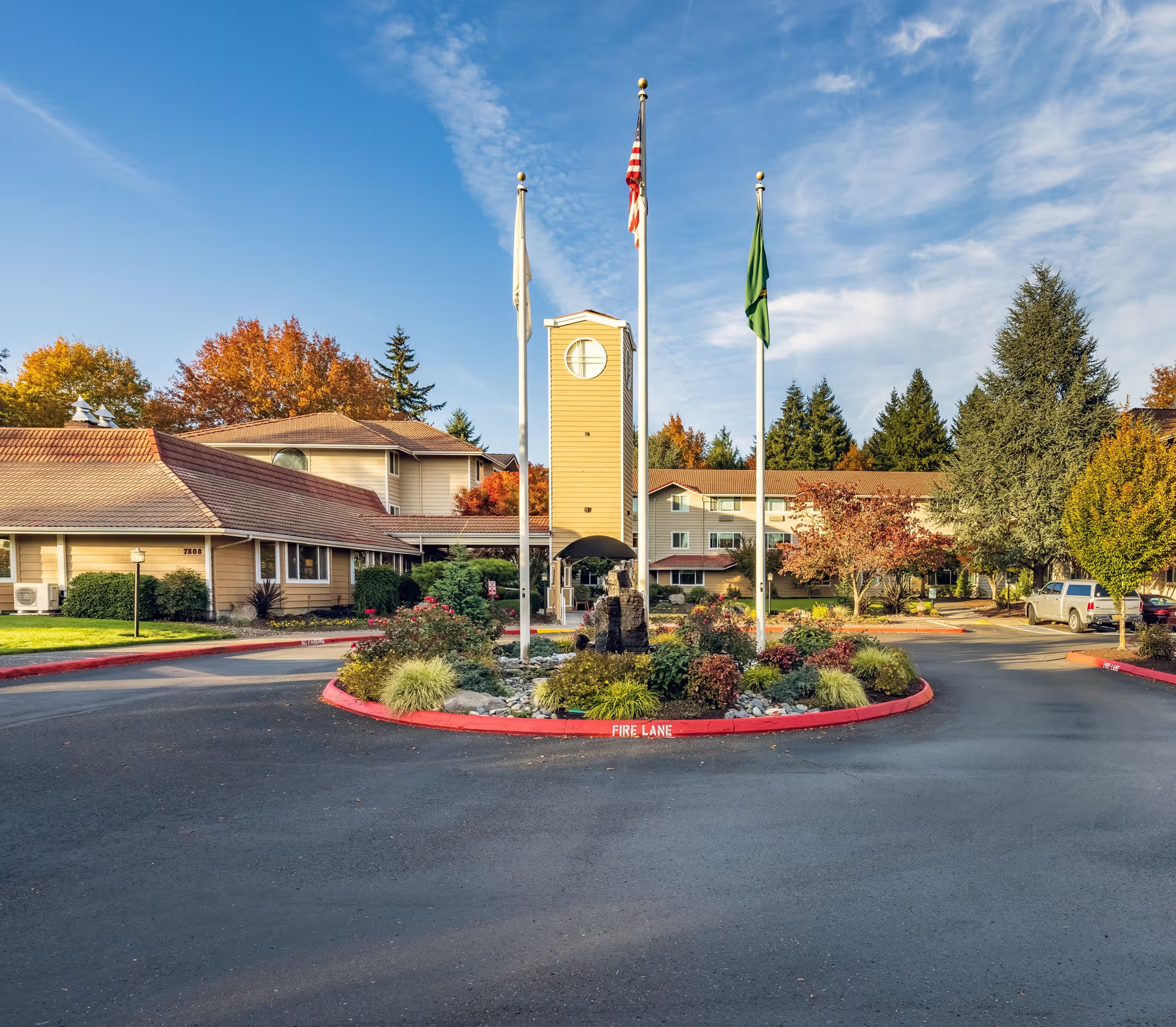
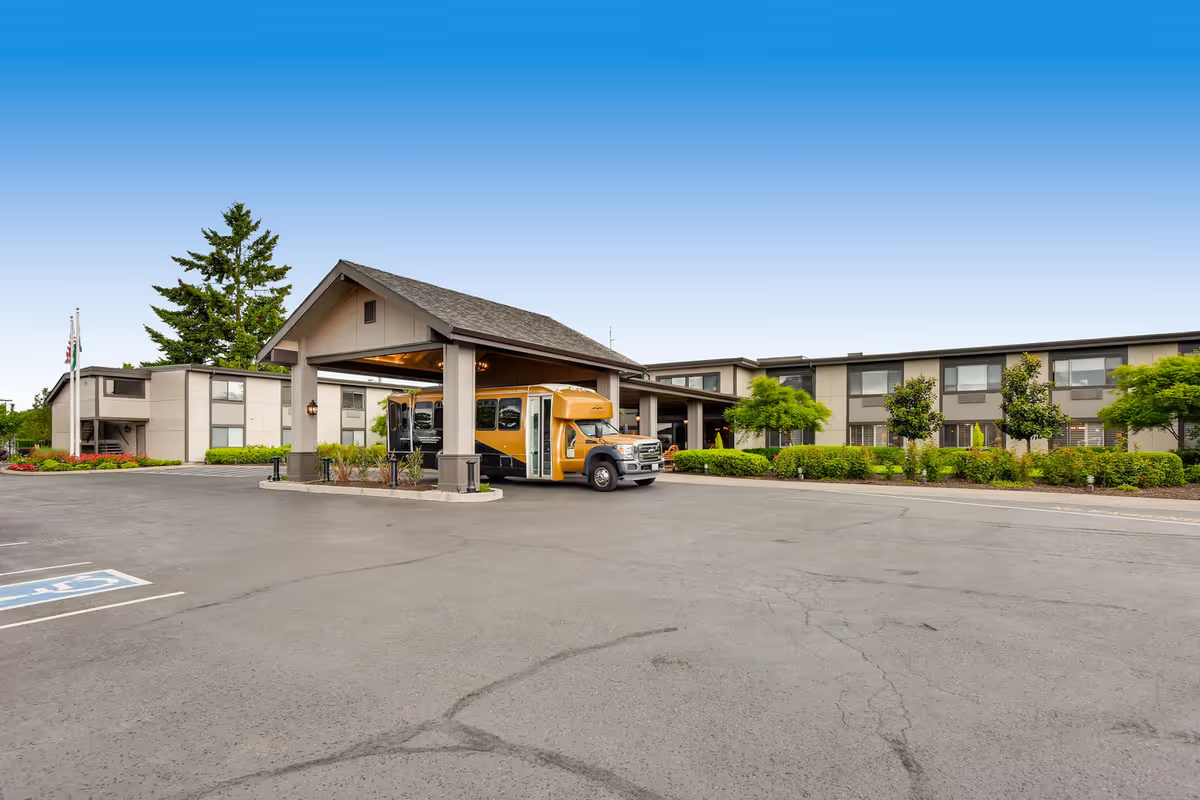
Overall impression: The reviews portray Nataly’s Adult Family Home as a small, well-maintained, family-style provider that many families found comforting and effective for long-term and end-of-life care. Strengths consistently mentioned include a clean, bright physical environment, a layout purpose-built for caregiving, and staff who deliver attentive, personalized service. Several families described the atmosphere as loving and home-like, and many recommended the facility for its supportive presence during residents’ final months.
Care quality and staff: Care is characterized as individualized and hands-on. Reviewers emphasize caregivers’ attentiveness to daily needs, attention to details, and a compassionate approach that families experienced as respectful and reassuring. Overnight coverage and hospice coordination were specifically noted as positive elements for residents with advanced needs. At the same time, a subset of reviewers raised concerns about timeliness of clinical checks and immediate responsiveness in some situations, suggesting variability in monitoring practices during urgent or rapidly changing conditions.
Dining and activities: Dining is frequently described as home-style and well liked by residents; reviewers mention cooked meals, social mealtimes, and positive eating outcomes. Activity offerings include music, crafts, birthday celebrations, and other small-group or in-home events that contribute to the family atmosphere. These programming elements are presented as consistent with the facility’s focus on quality-of-life and social engagement.
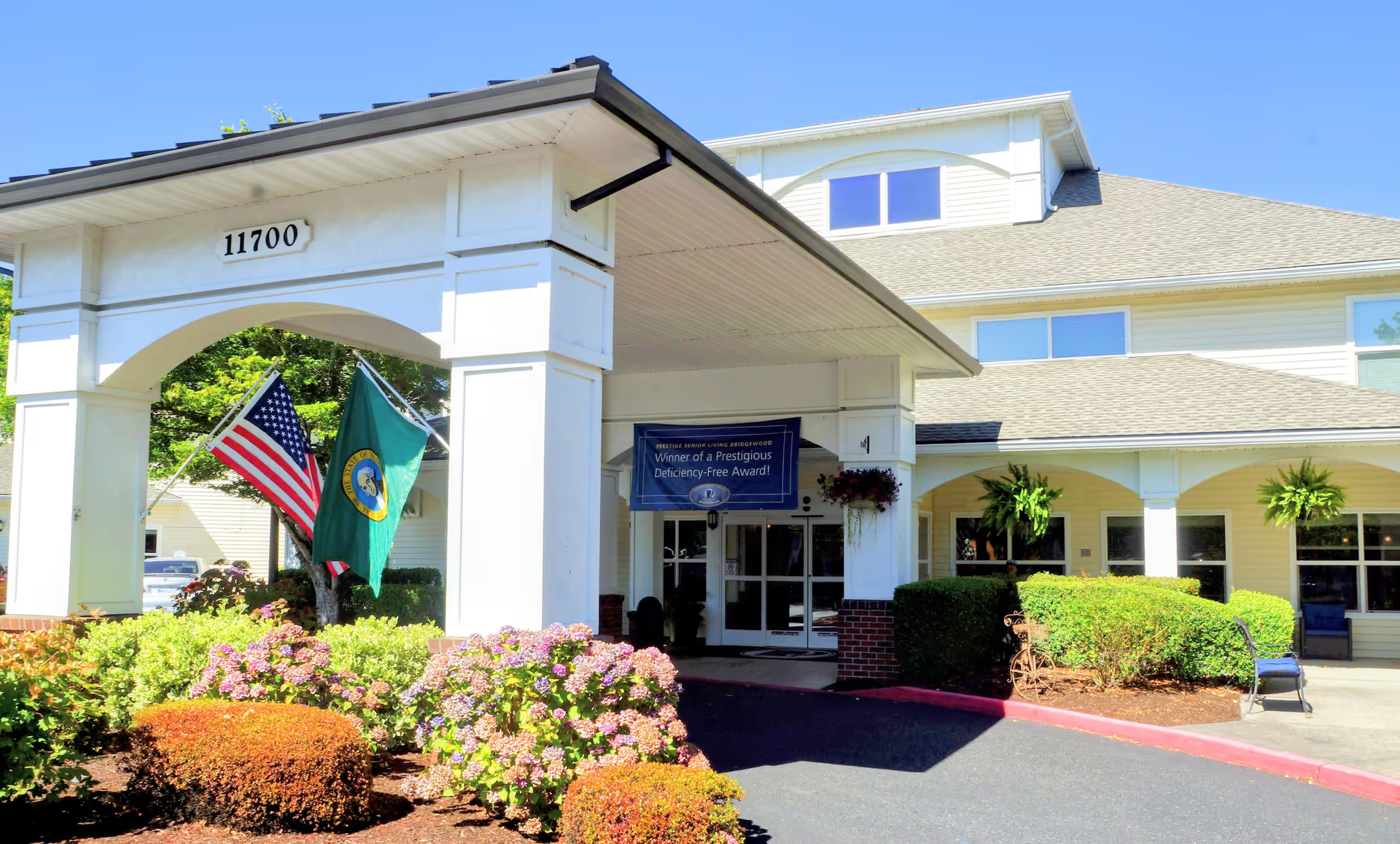
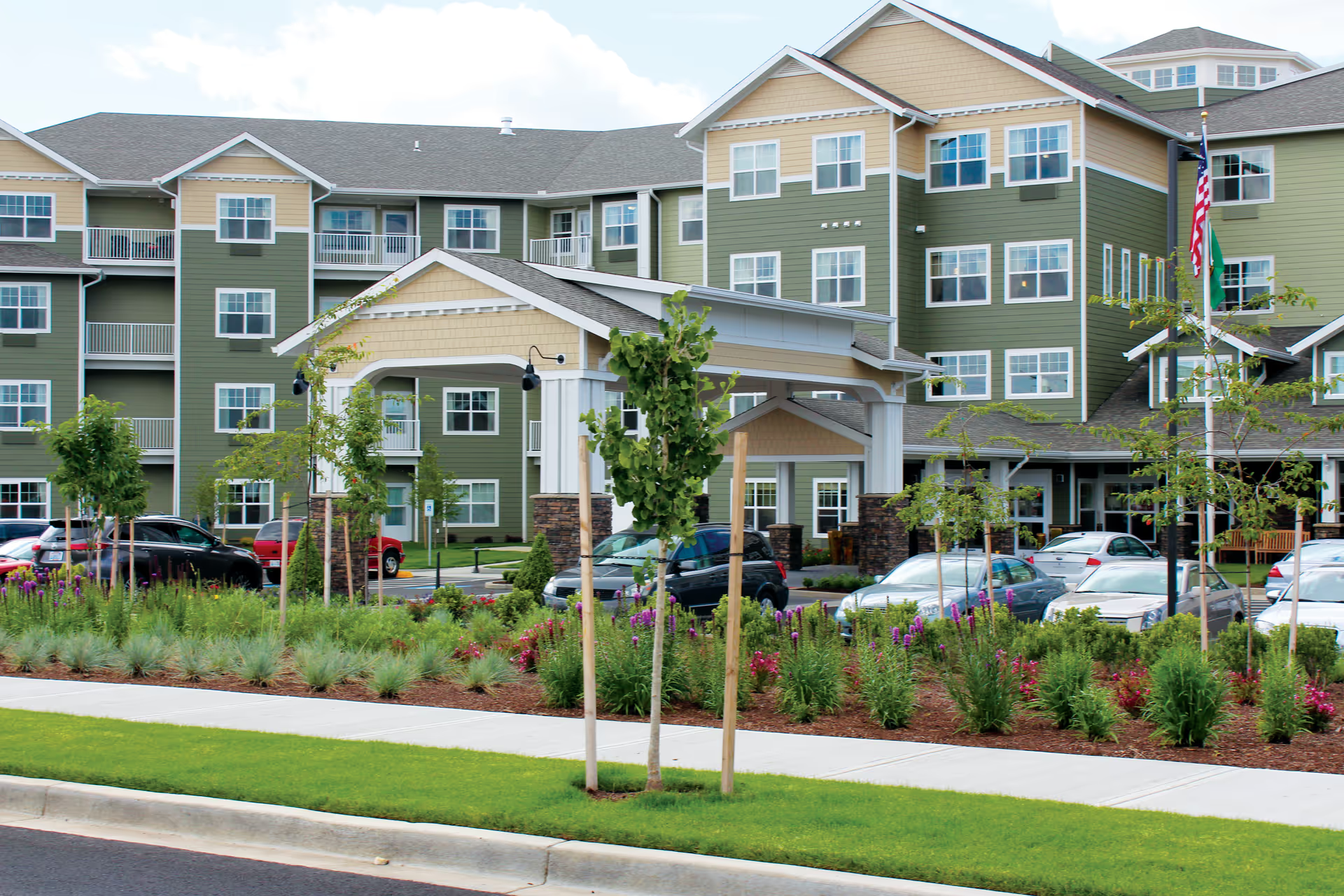
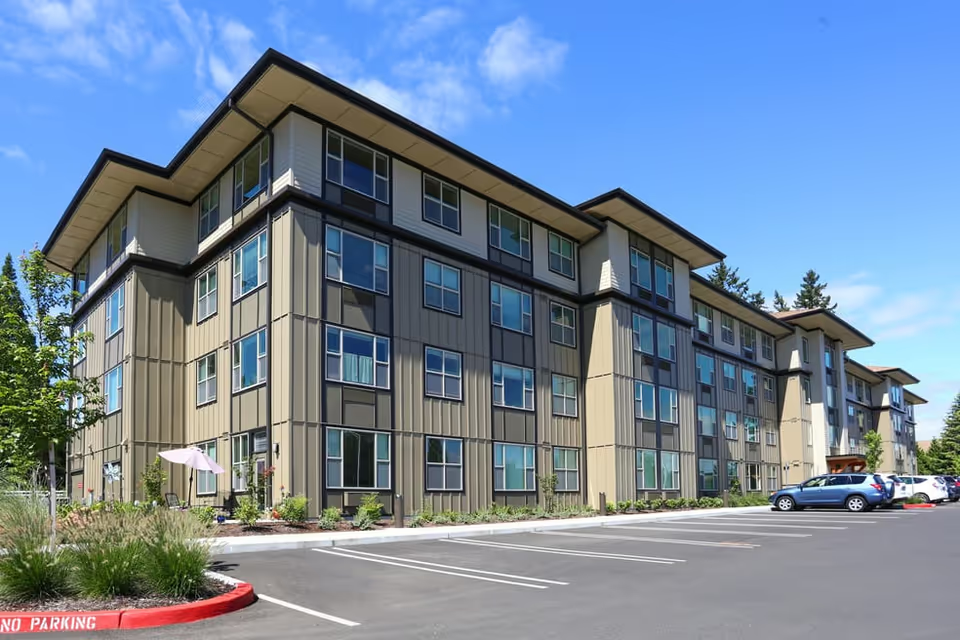
Facilities and operations: The physical space is reported as modern, spotless, and purpose-built for caregiving, with reviewers noting cleanliness, bright common areas, and comfortable resident rooms. Operational strengths cited include organized care plans and staff who communicate care details to families. However, there are recurring operational issues to be aware of: some families experienced delays in communication following critical events, inconsistent greeting or reception of visitors, and unclear billing practices—most notably billing/proration for short stays. These items point to administrative and process areas that may benefit from clearer policies and family-facing explanations.
Management and notable patterns: Management appears capable of coordinating individualized plans and end-of-life support, which many families valued highly. The dominant pattern in the reviews is high satisfaction with day-to-day caregiving, environment, and emotional support. Counterbalancing that, isolated but significant concerns about emergency responsiveness, timeliness of family notifications, and billing transparency emerged. Prospective residents and families should consider visiting in person, asking specific questions about monitoring protocols, notification procedures for clinical changes, visitor reception routines, and how billing and proration are handled for short or transitional stays. Clarifying these operational details up front is likely to reduce the kinds of administrative and communication issues described by some reviewers.