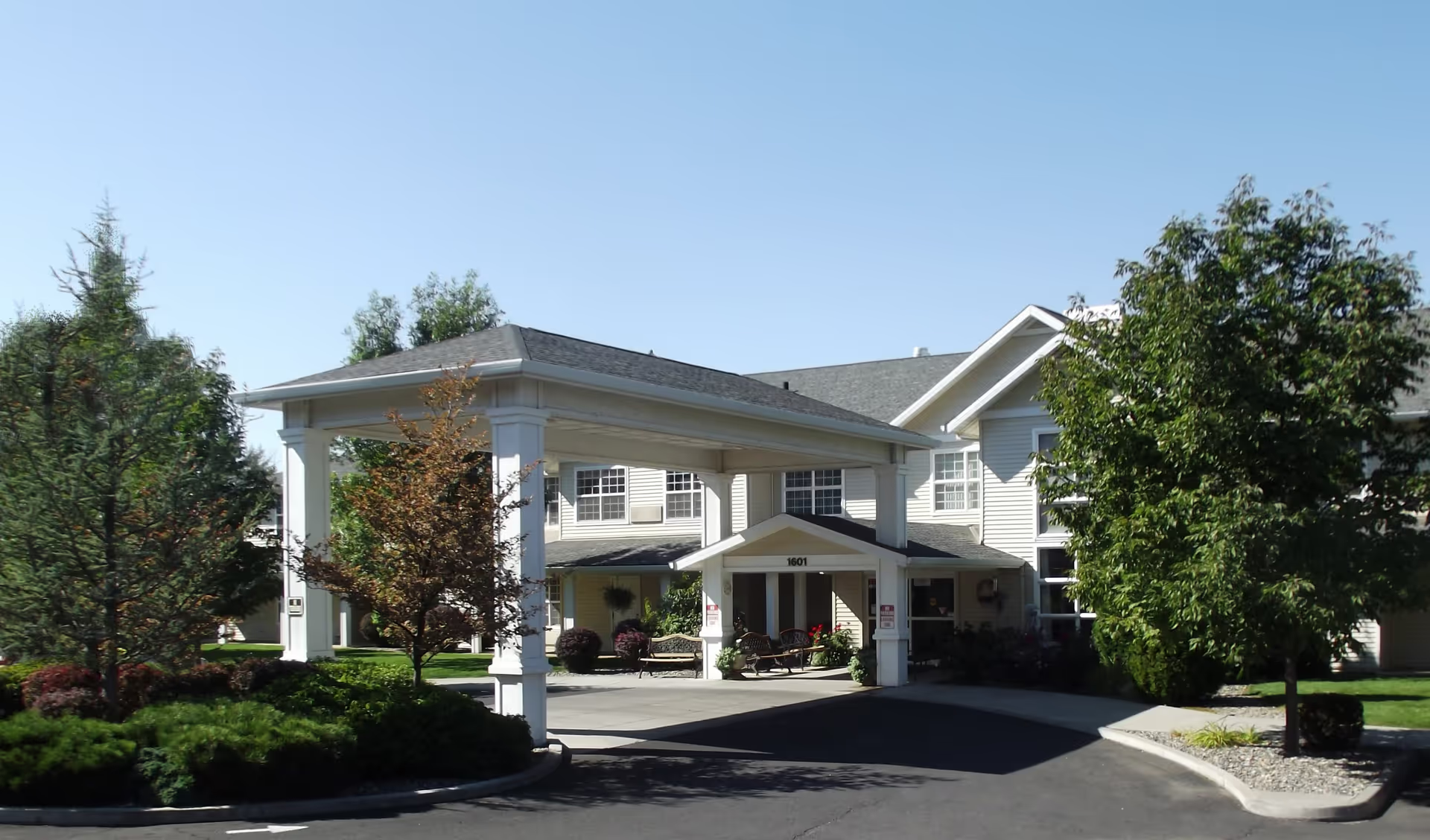
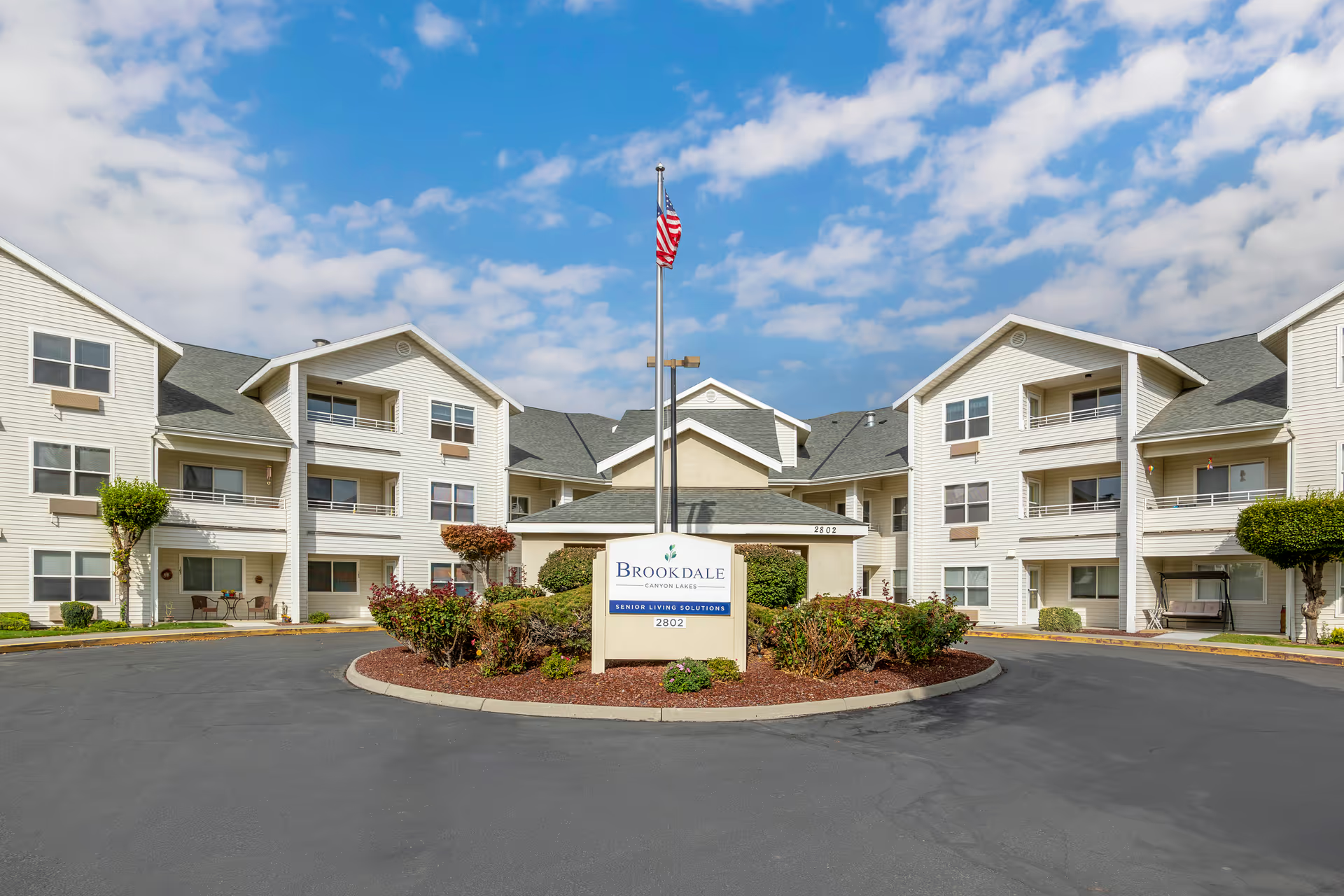
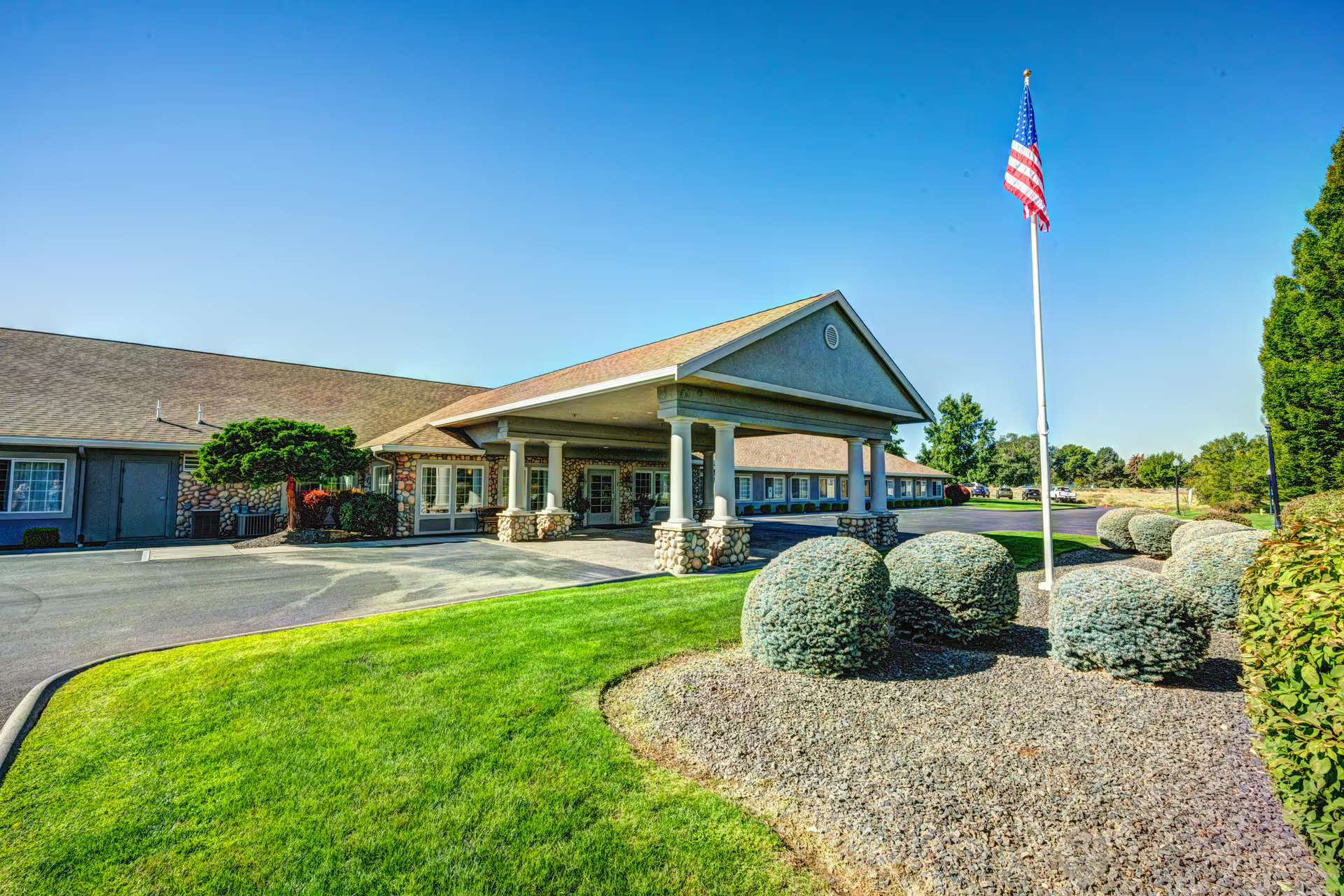
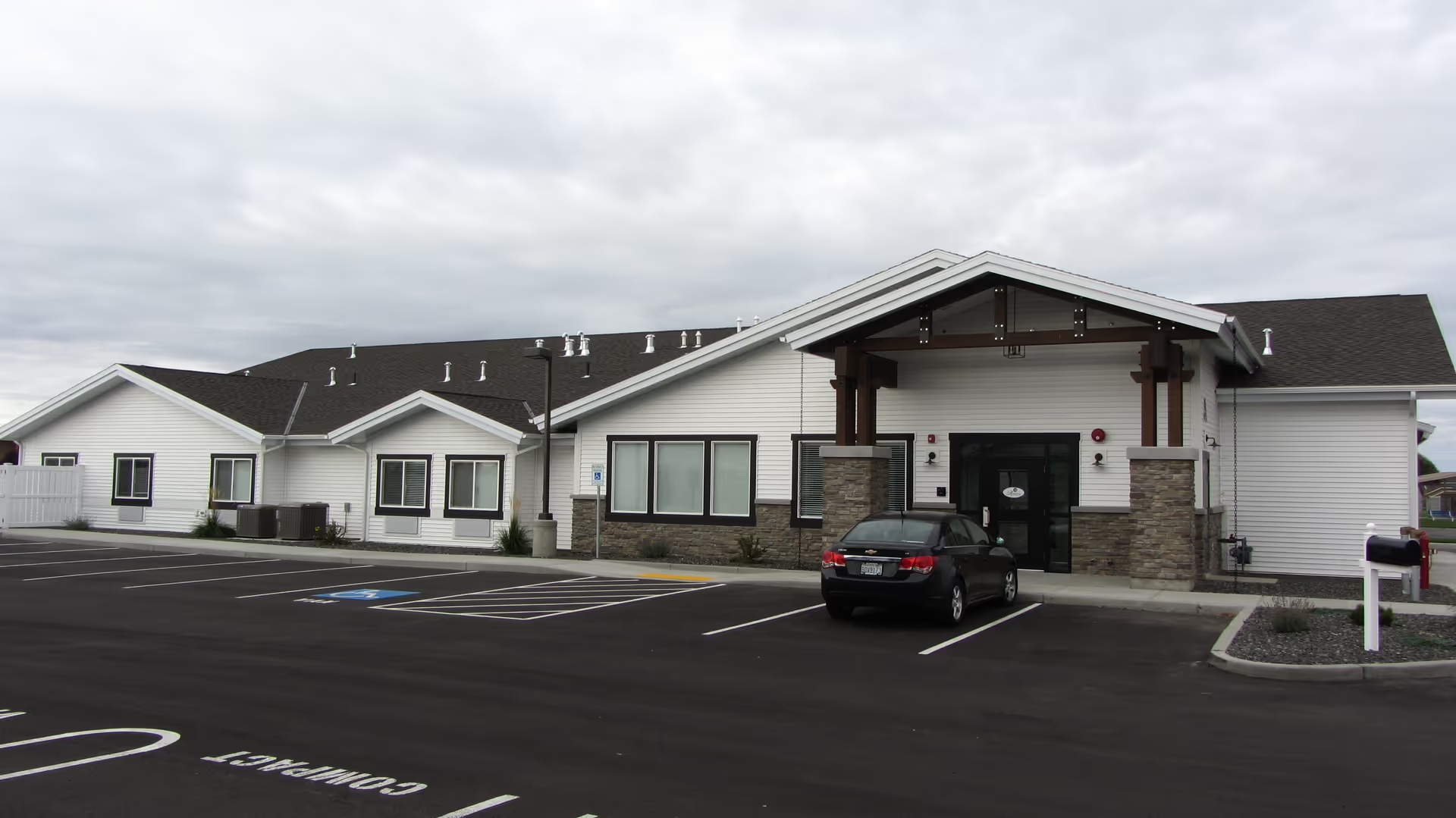
Park Manor Rehabilitation Center receives predominantly favorable commentary for its person-centered care and rehabilitation focus. Reviewers commonly highlight compassionate, attentive nursing and frontline aides, and note effective physical, occupational and speech therapy programs that in many cases supported timely discharge to home or assisted living. Daily therapy, individualized exercises, and motivating therapists were frequent positives. Many families and residents praised the facility's welcoming atmosphere, bilingual staff, and the sense of being treated with dignity.
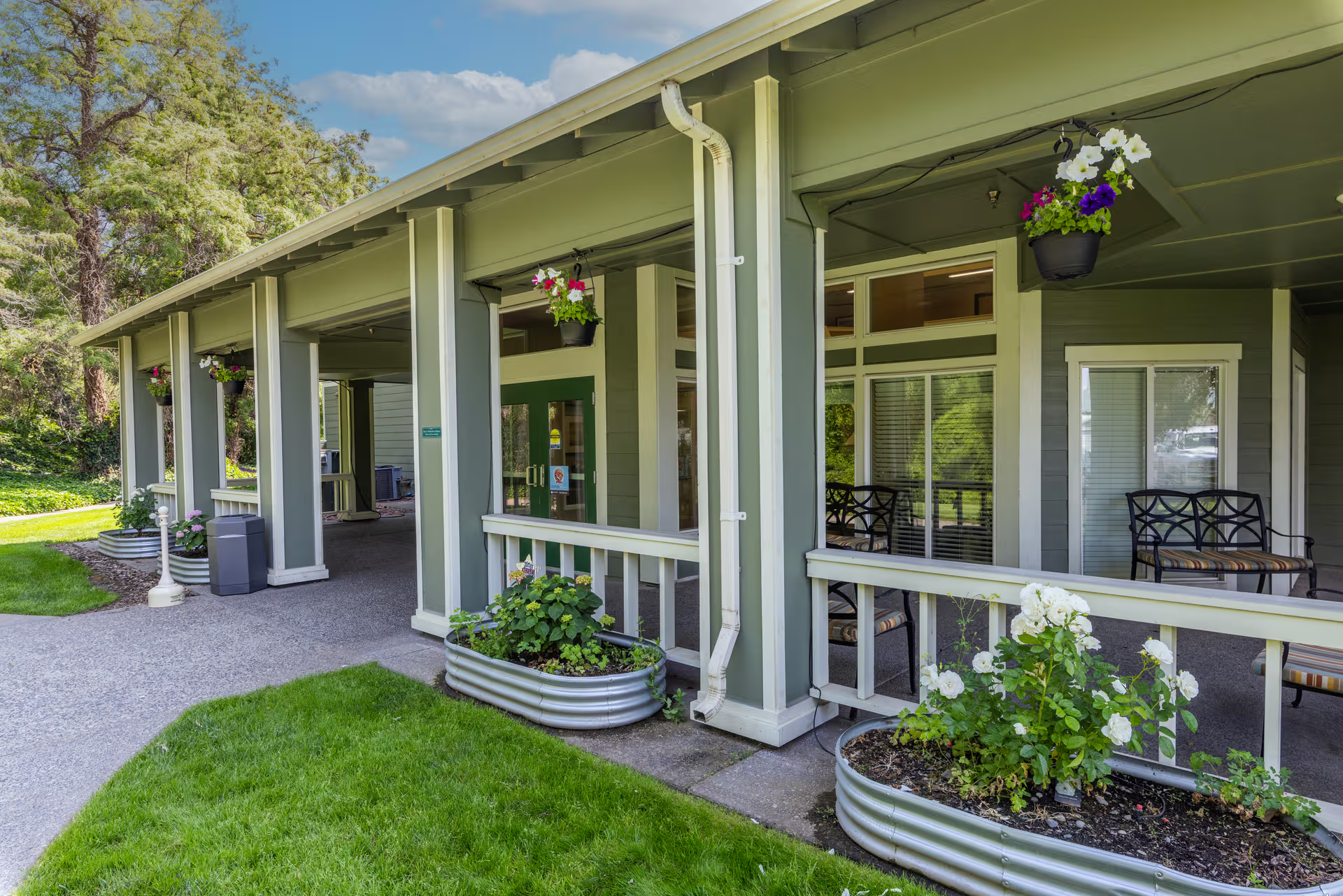
Dining and activities are also described as strengths. Meals, including holiday dinners and accommodations for special diets (for example vegan options), drew repeated praise; kitchen sanitation and dietary responsiveness were positively noted. The activity program appears varied and engaging, with themed lunches, one-on-one visits, musical events, and social programming that many residents find satisfying. Outdoor spaces and landscaping are well regarded and the campus is described as secure for residents with wandering risk.
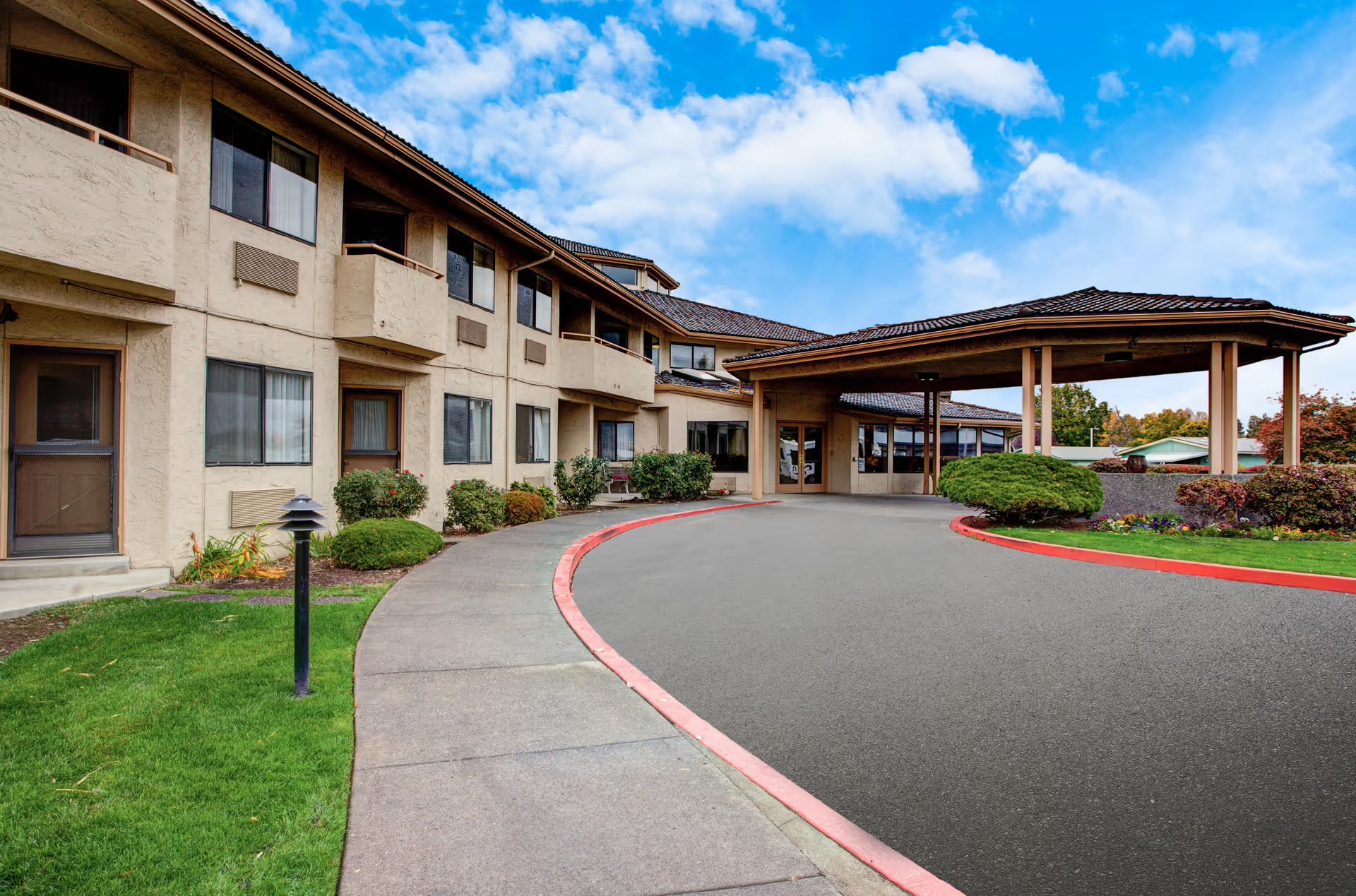
Facility maintenance and infection-control practices receive generally good marks: reviewers cite a clean, well-maintained interior, sanitary kitchen operations, and adherence to COVID-19 guidance. At the same time, occasional sanitation and odor concerns in some common areas and isolated surface-cleaning issues (for example sticky floors) were mentioned, suggesting unevenness in housekeeping practices.
The principal operational weaknesses cluster around staffing, communication, and management. Multiple accounts describe staffing shortfalls that result in delayed call-button responses, reduced one-on-one time, and variability in attention to resident needs. Relatedly, several reviewers noted inconsistent family communication and coordination of appointments. There are also remarks indicating gaps in medication oversight or appointment handling that families perceived as risk factors. A subset of accounts raised allegations of problematic leadership conduct and restrictive access policies; these reports produced concern about how grievances are handled and about visitation or service-animal access in particular situations.
Taken together, the pattern is one of a rehabilitation-focused facility with strong clinical therapy teams, caring frontline staff, good dining and programming, and generally clean grounds, paired with operational challenges typical of busy post-acute providers: variable staffing levels, occasional communication and medication-coordination gaps, and spotty housekeeping consistency. Prospective residents and families may find Park Manor a strong option for short-term rehab but should ask targeted questions on a tour — specifically about current staffing ratios, medication-management protocols, family-notification practices, visitation and service-animal policies, and how leadership addresses complaints — and observe mealtimes, therapy sessions, and nurse responsiveness during the visit.