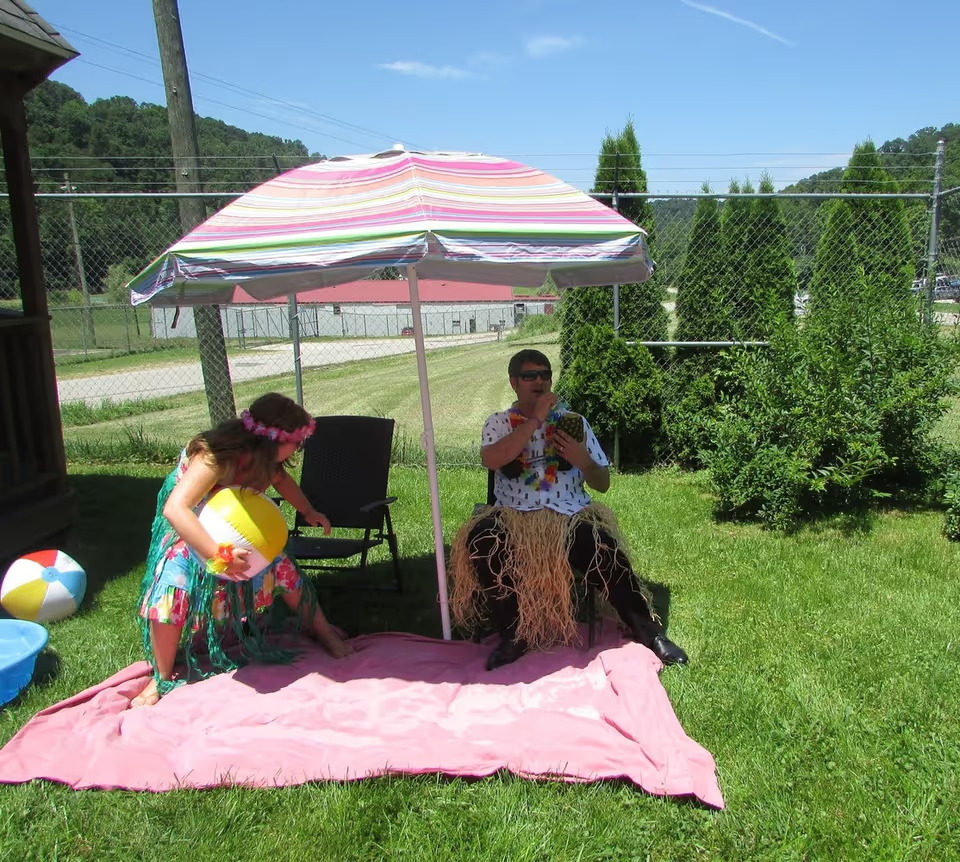
Pine Lodge presents a mixed but instructive profile. Many families and patients praise the facility's rehabilitative capabilities and an experienced therapy team that frequently produces measurable functional gains. Nursing staff, CNAs, restorative aides and guest-services/social-work personnel receive repeated commendation for compassionate, person-centered attention; several individual employees and the guest services director are singled out for consistent above-and-beyond support. The activities program is strong and varied, with regular social events, crafts, holiday programming and on-site grooming that contribute to an engaged resident community.
Care quality shows notable strengths and identifiable operational gaps. The facility's therapy and restorative services are a clear asset and have supported transitions toward greater independence for multiple residents. At the same time, reviewers describe patterns consistent with staffing instability: longer wait times for assistance, intermittent delays in responding to call lights and emergency events, and variability in personal-care routines such as bathing. There are also isolated concerns about wound- and pressure-injury follow-up and medication coordination; prospective families should ask specific questions about clinical oversight and transfer-safety procedures.
Dining and nutrition feedback is mixed. Some reviewers praised entree choices, frequent snack availability and generally satisfactory meals; others reported cold meals or food-quality issues, including concerns about food handling or temperature on occasion. It would be prudent for prospective residents to confirm current food-safety practices and meal-service continuity during the admission discussion.
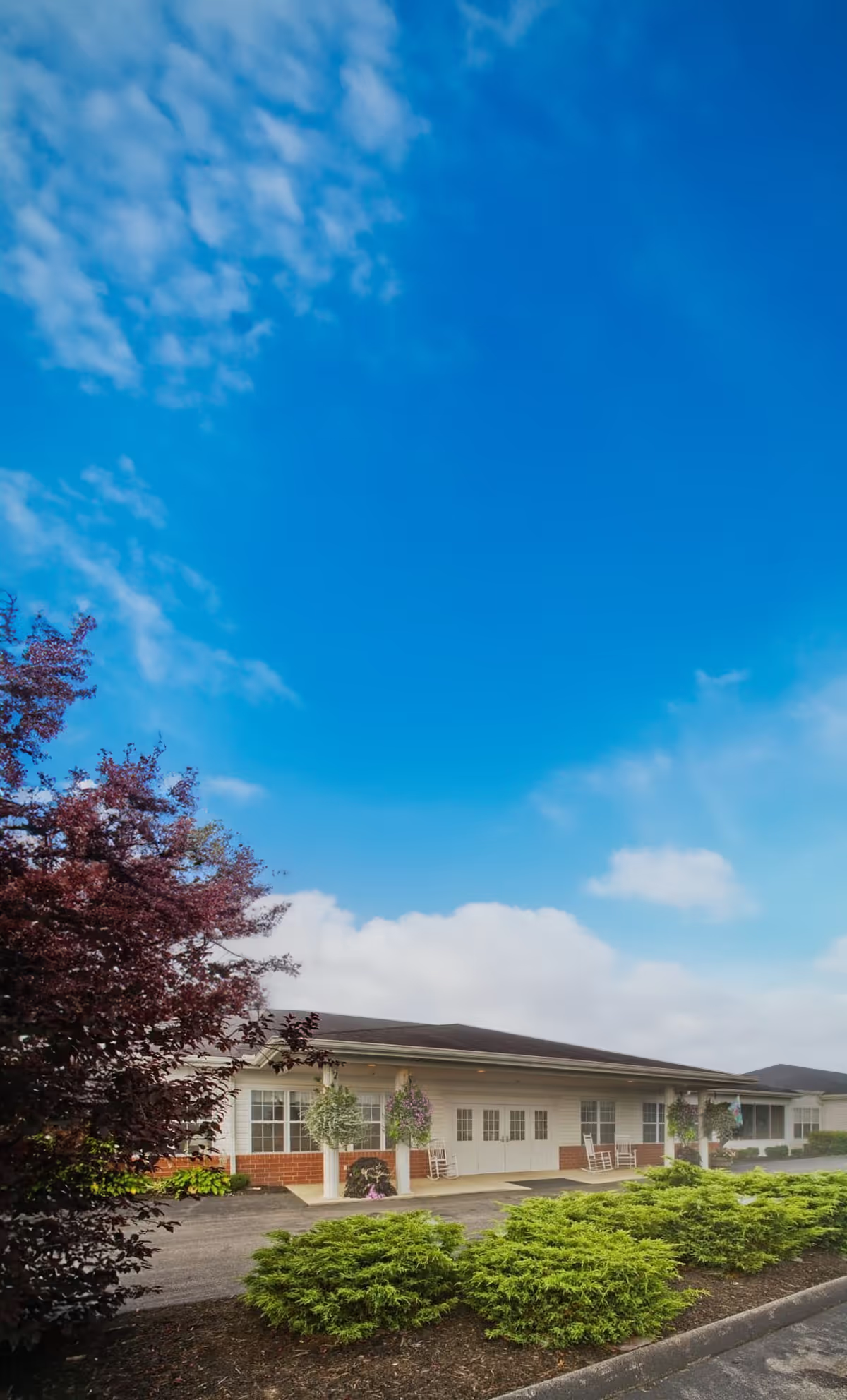
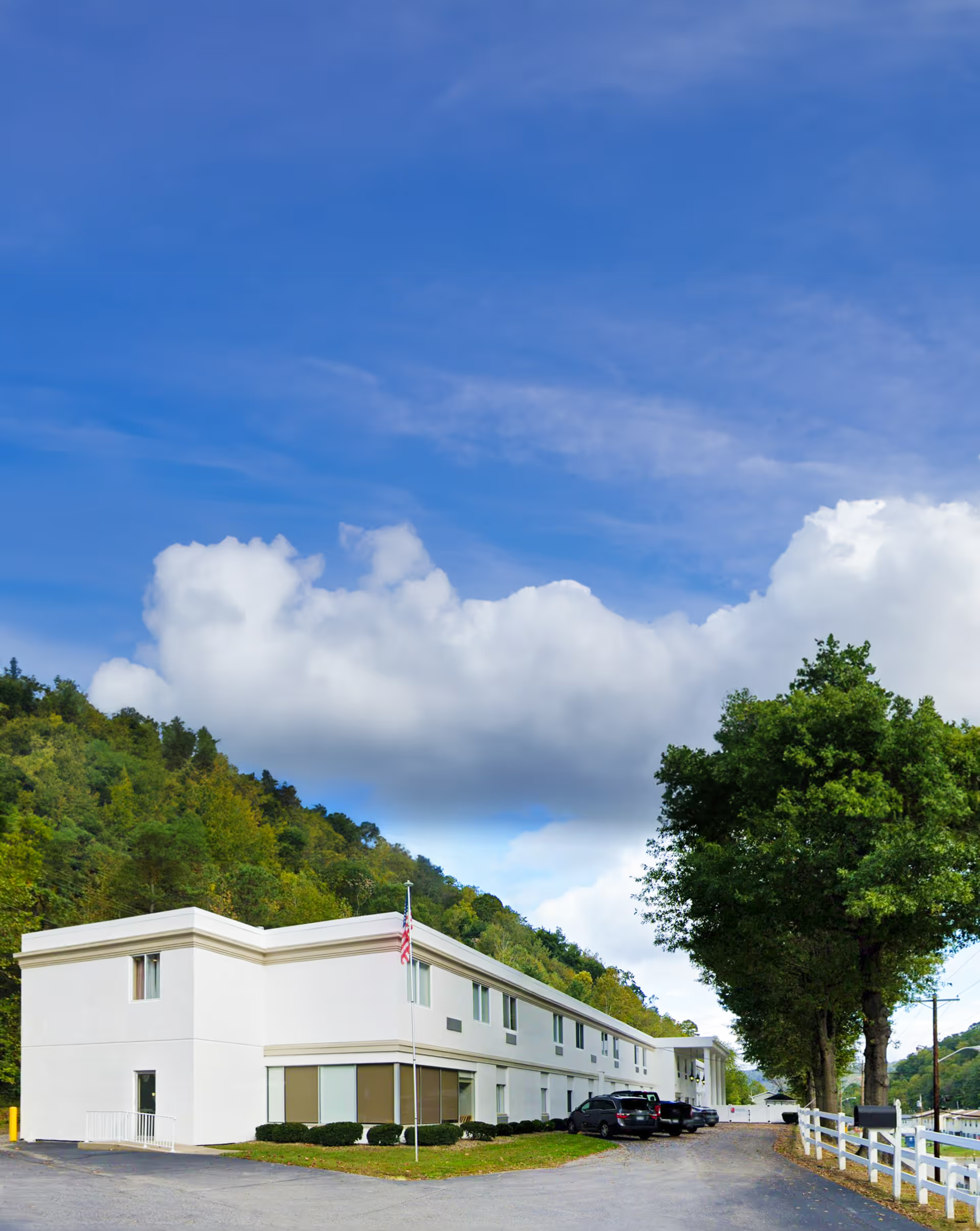
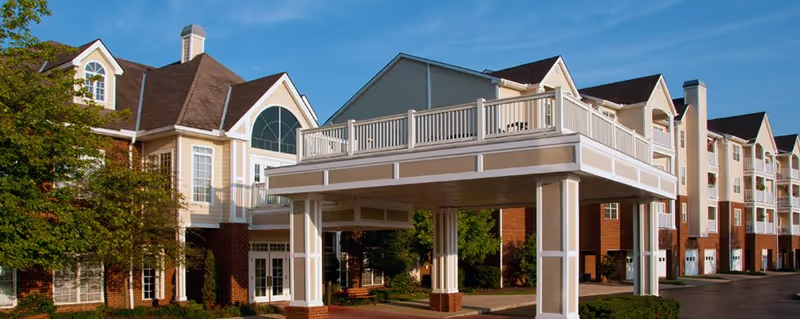
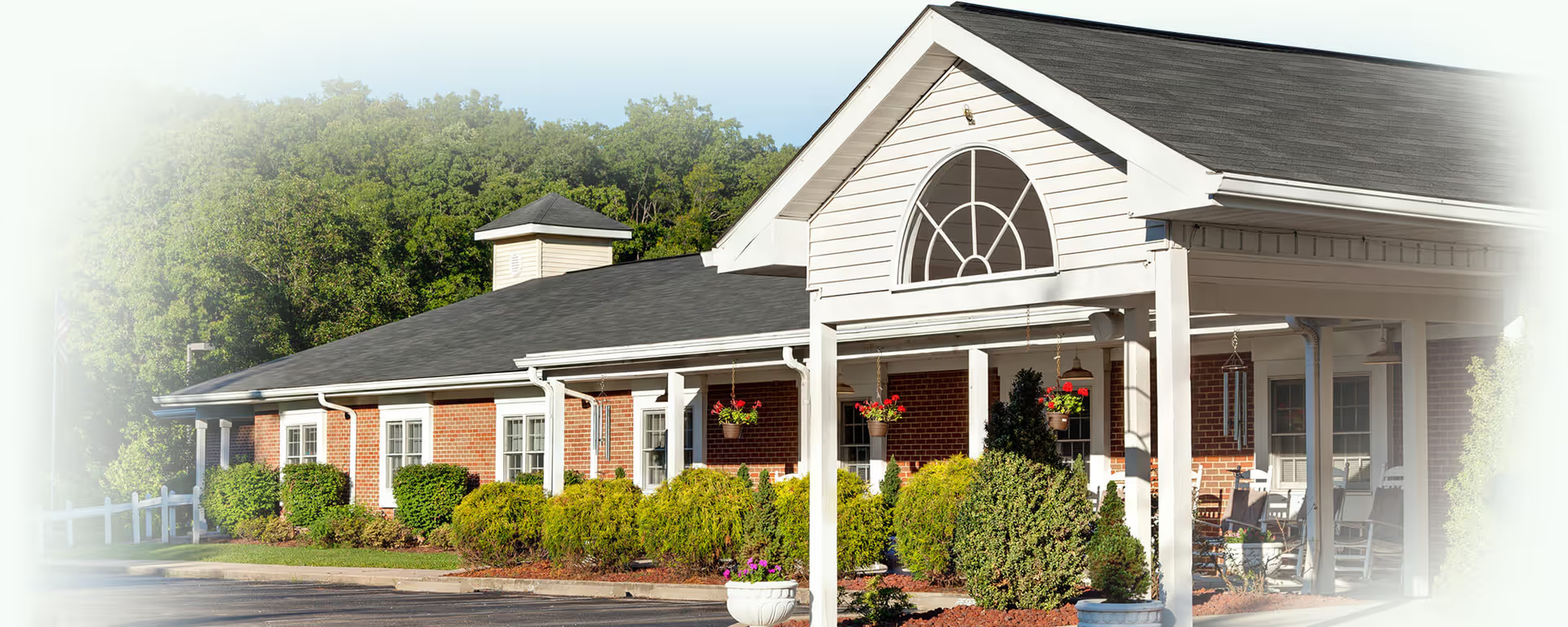
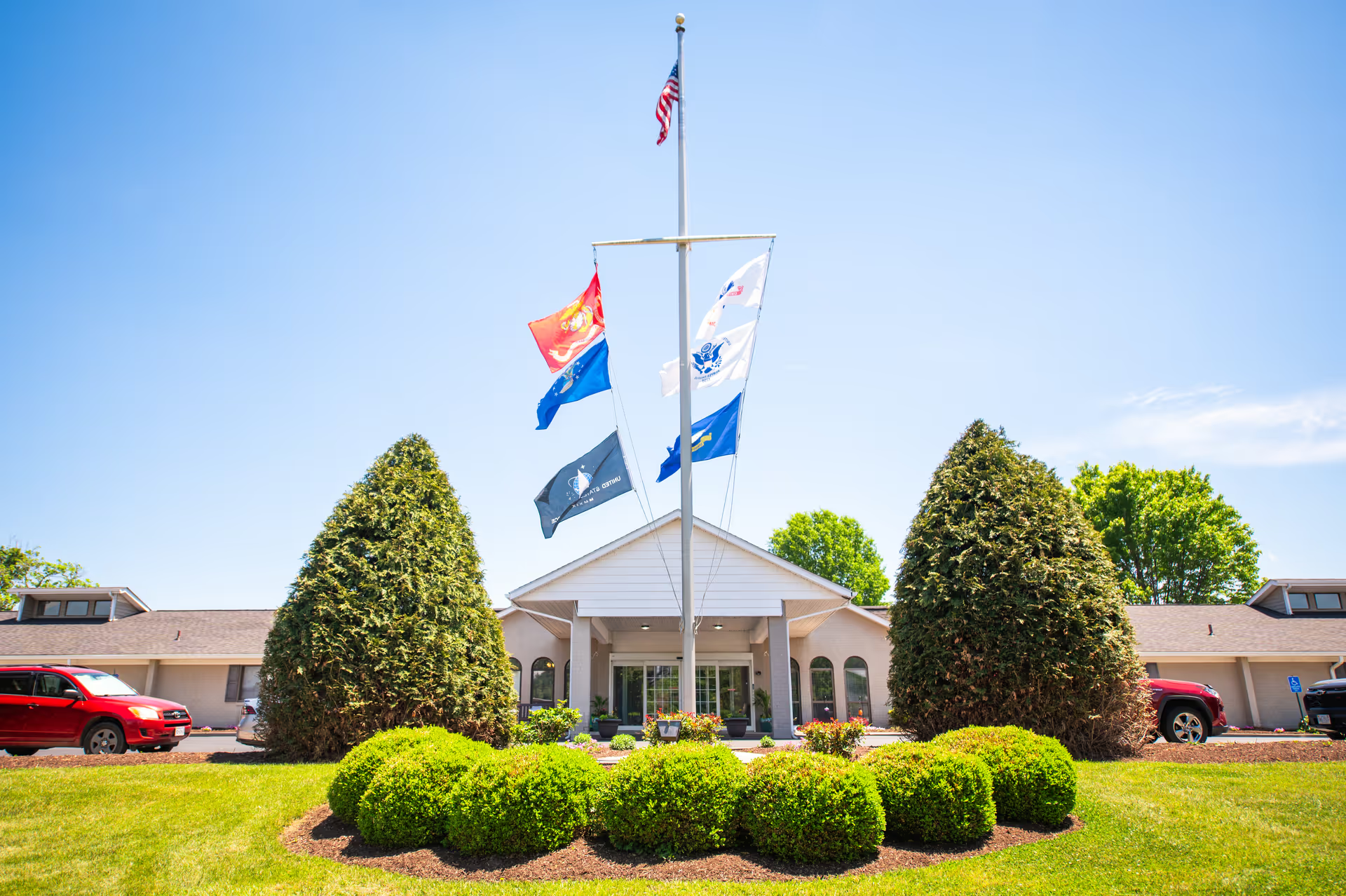
Facility condition and housekeeping remarks are similarly mixed. Several accounts note recent renovations and a generally well-kept environment, while other comments raise sanitation concerns, odor in some areas, delayed laundry turnaround and instances of missing personal items. These appear to reflect variability in housekeeping and laundry processes rather than a uniform property condition.
Management and communication present a dual picture. The social services and guest-services teams are often highlighted for clear communication and family support, and some reviewers cite visible administrative involvement and positive changes. Conversely, operational weaknesses reported by families include scheduling errors, missed medical appointments, billing mistakes, inconsistent enforcement of visitor/pet policies, and unreliable internal phone systems. A limited number of families have pursued external complaints; this underscores the importance of confirming administrative escalation pathways and documenting communication expectations up front.
Overall, Pine Lodge offers substantial rehabilitative strength and a caring, activity-rich culture that many families find supportive. However, persistent operational issues — especially inconsistent staffing, variable responsiveness, housekeeping and food-service variability, and occasional coordination or billing problems — are patterns prospective residents should evaluate. Recommended pre-admission actions include: observing care-staff ratios on typical shifts (days, evenings, weekends), asking about call-response times and clinical oversight, reviewing current infection-control and food-safety protocols, clarifying laundry and belongings procedures, and obtaining written explanations of billing and visitation/pet policies.