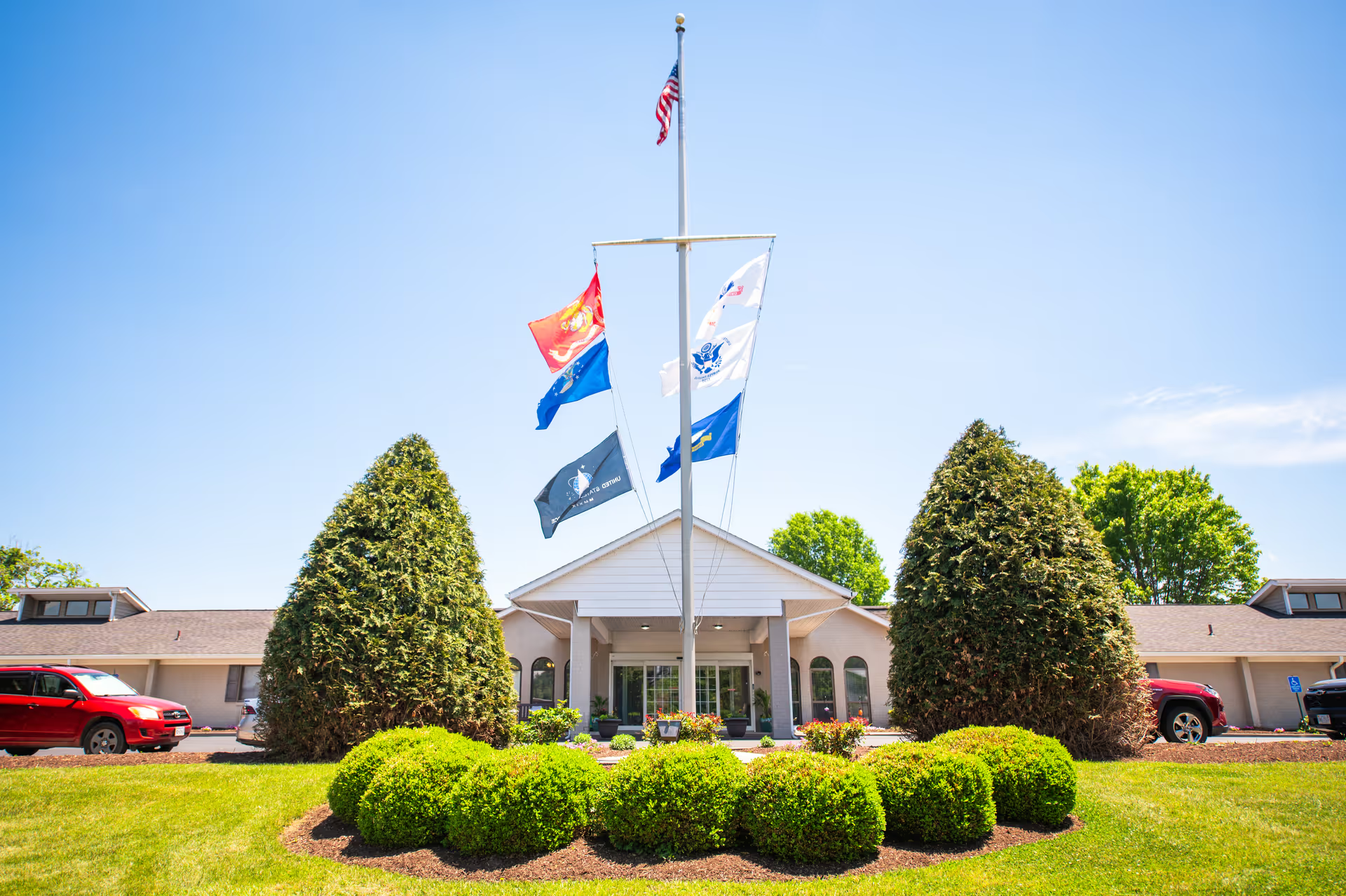
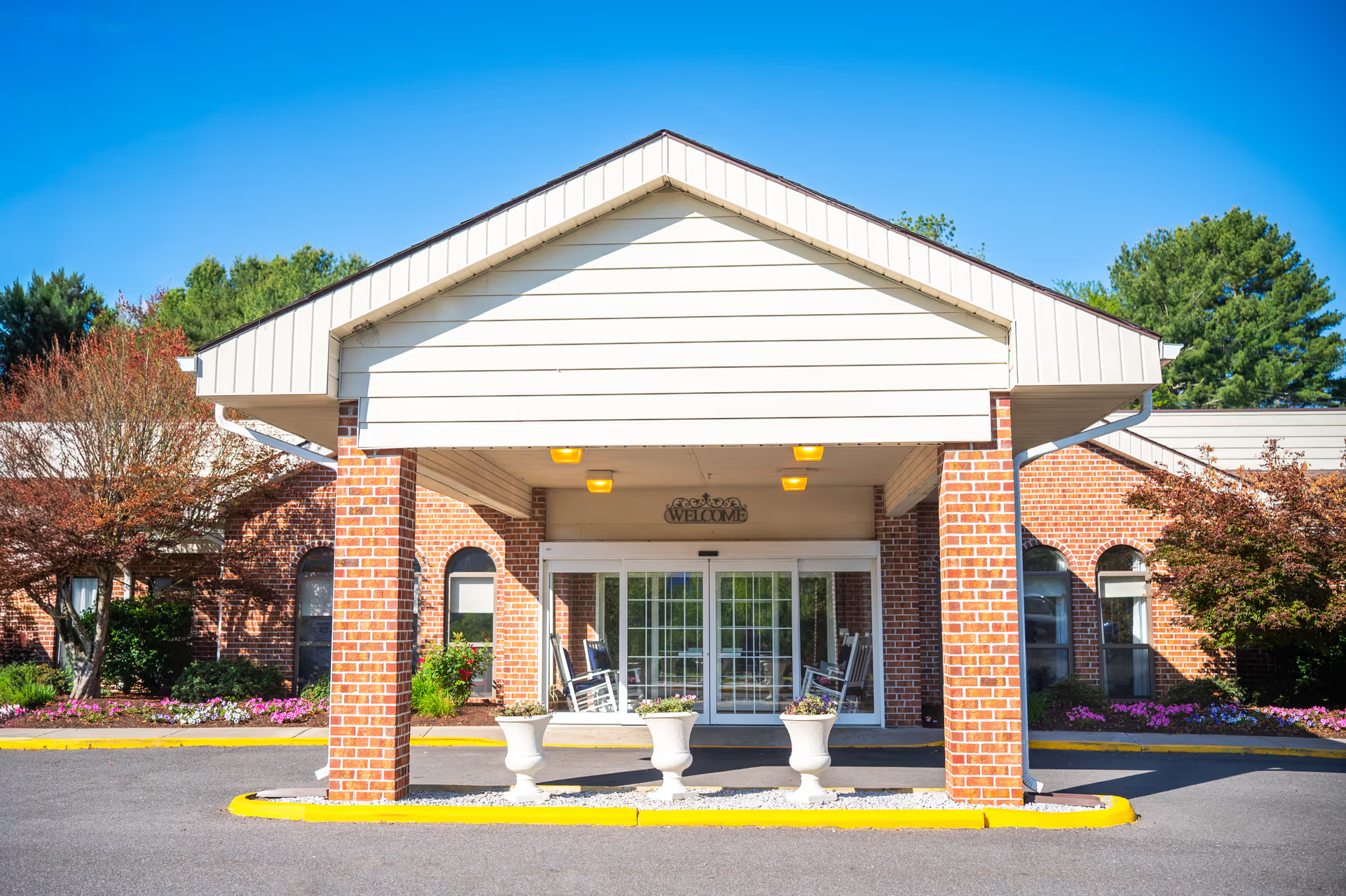
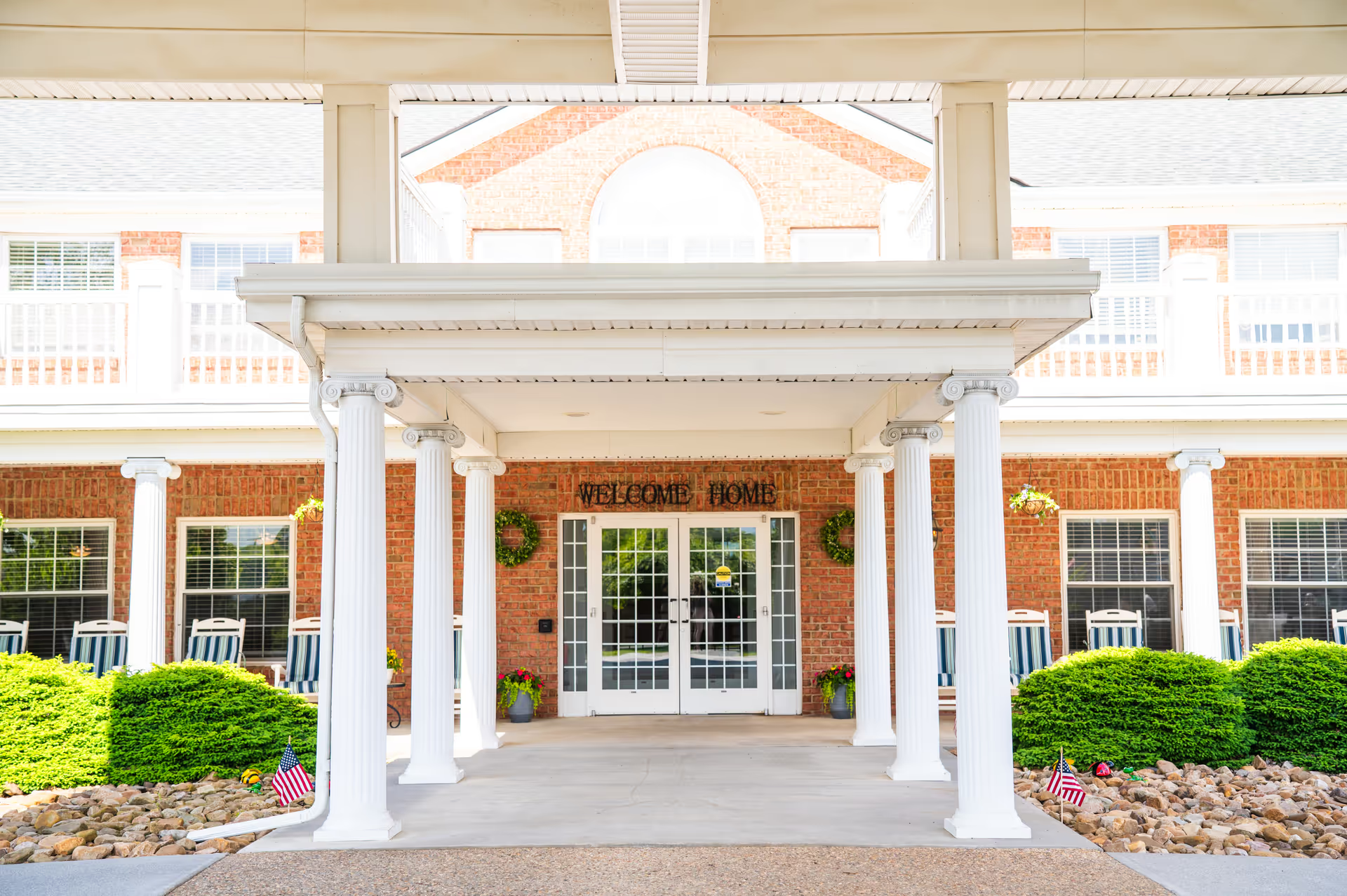
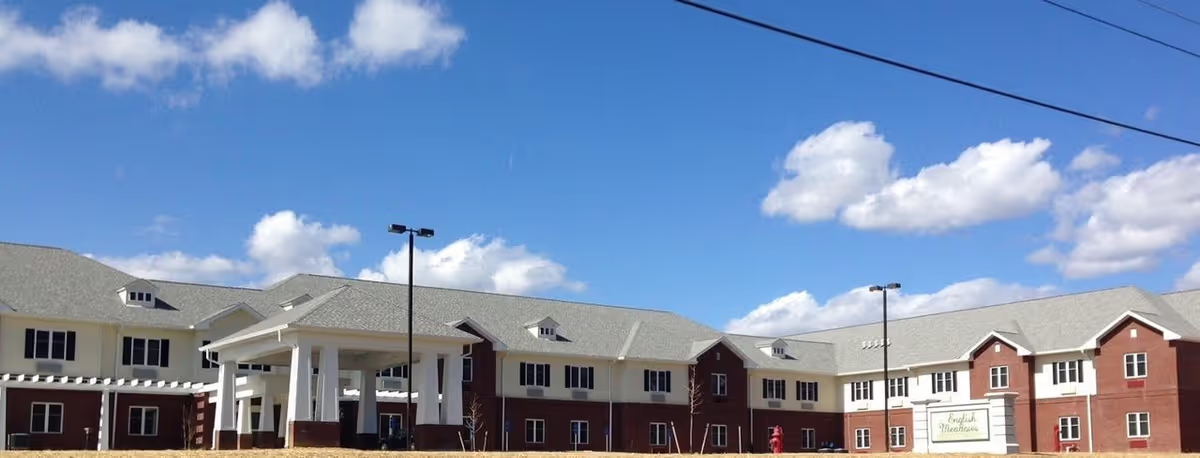
Reviewers present a mixed picture of care quality at this assisted living community. Positive comments emphasize attentive caregivers, proactive health monitoring with advance notifications for medication changes or hospital transfers, and staff who are described as family-oriented and responsive after hours. Several families highlighted effective physical and rehabilitative therapy and credited staff on particular units for attentive support during fall recovery and rehabilitation. The community also offers an active programming schedule that many residents find socially engaging, and common areas are frequently described as clean and welcoming.
At the same time, a number of operational concerns recur across accounts. The most frequent themes are inconsistent personal-care routines (including bathing and hygiene assistance), perceived staffing shortages, and delays in responding to resident calls. Several accounts point to gaps in medication management and supply control, and to variability in food quality and dining experience. There are also indications of lapses in wound-prevention and skin-care protocols. These items suggest uneven implementation of clinical and direct-care practices rather than uniform performance.
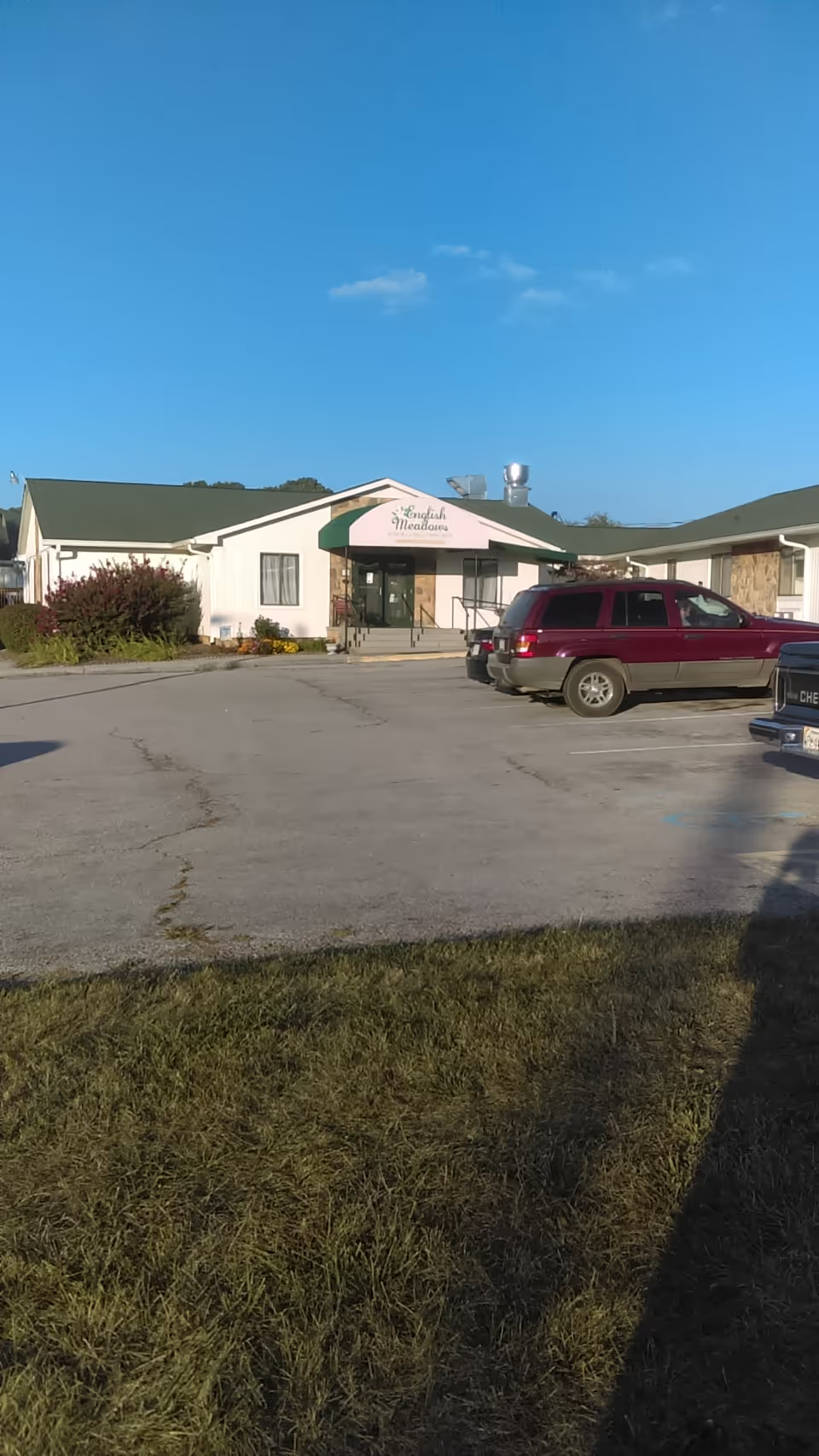
Staff-related patterns are mixed: many reviewers praise individual caregivers and a subset of nurses, while others describe instances of limited empathy or resistance when families raise concerns. This variability appears to be unit- or shift-dependent in some cases. Management-level issues are also noted: families describe difficulty obtaining satisfactory incident responses for security or property-loss events, and at least one review references regulatory attention tied to care-quality concerns. The building itself is characterized as older, which may constrain some aspects of environmental comfort and accessibility.
For prospective residents and families, the pattern suggests strengths in rehabilitation services, family communication, and social programming, paired with operational risk areas around staffing consistency, personal-care schedules, medication controls, and dining reliability. A focused in-person visit is advisable: ask about current staffing ratios and turnover, review medication and wound-care protocols, sample meals, request unit-specific observations, and consult recent inspection or regulatory records to understand how management has addressed past concerns.