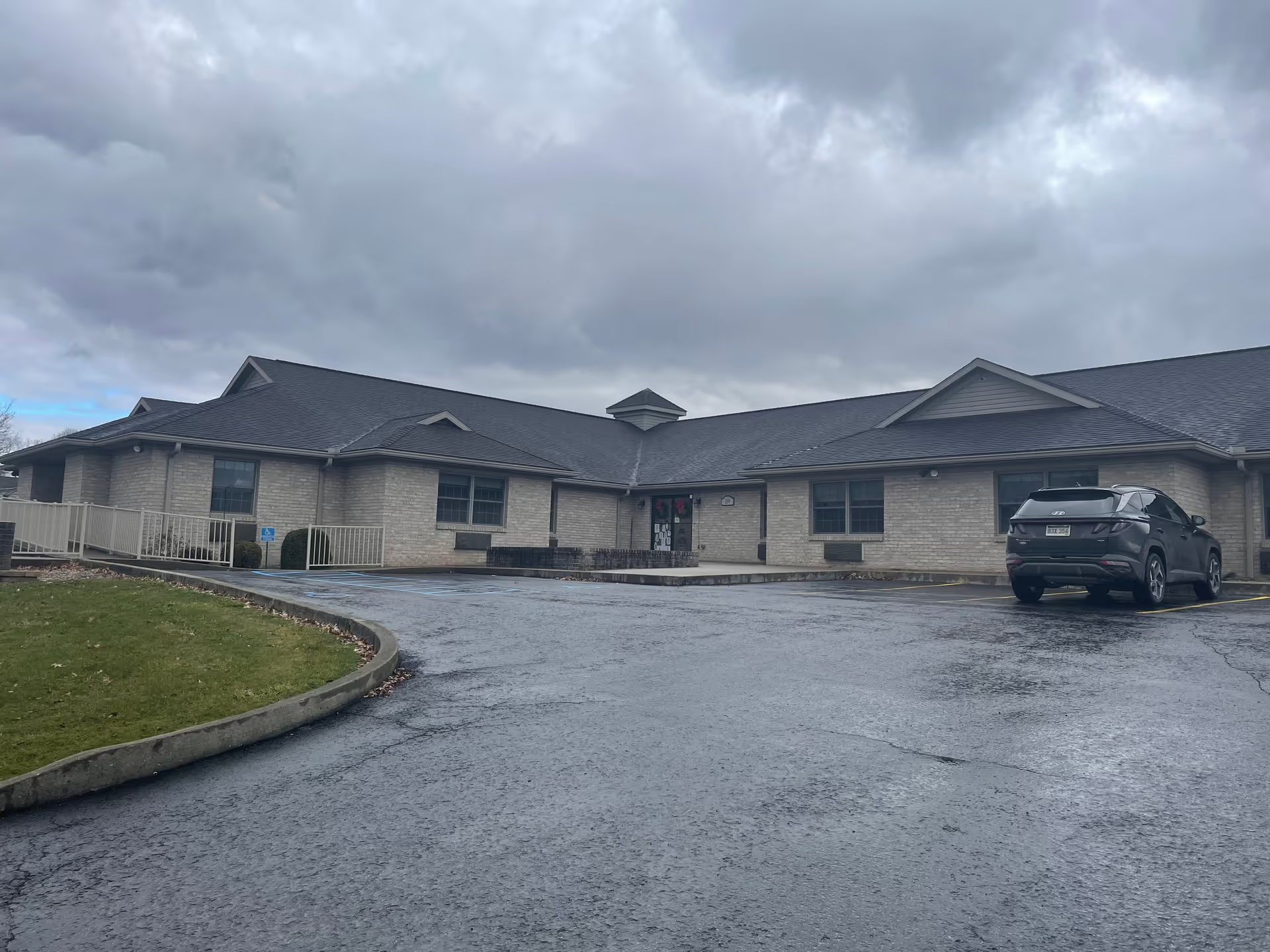
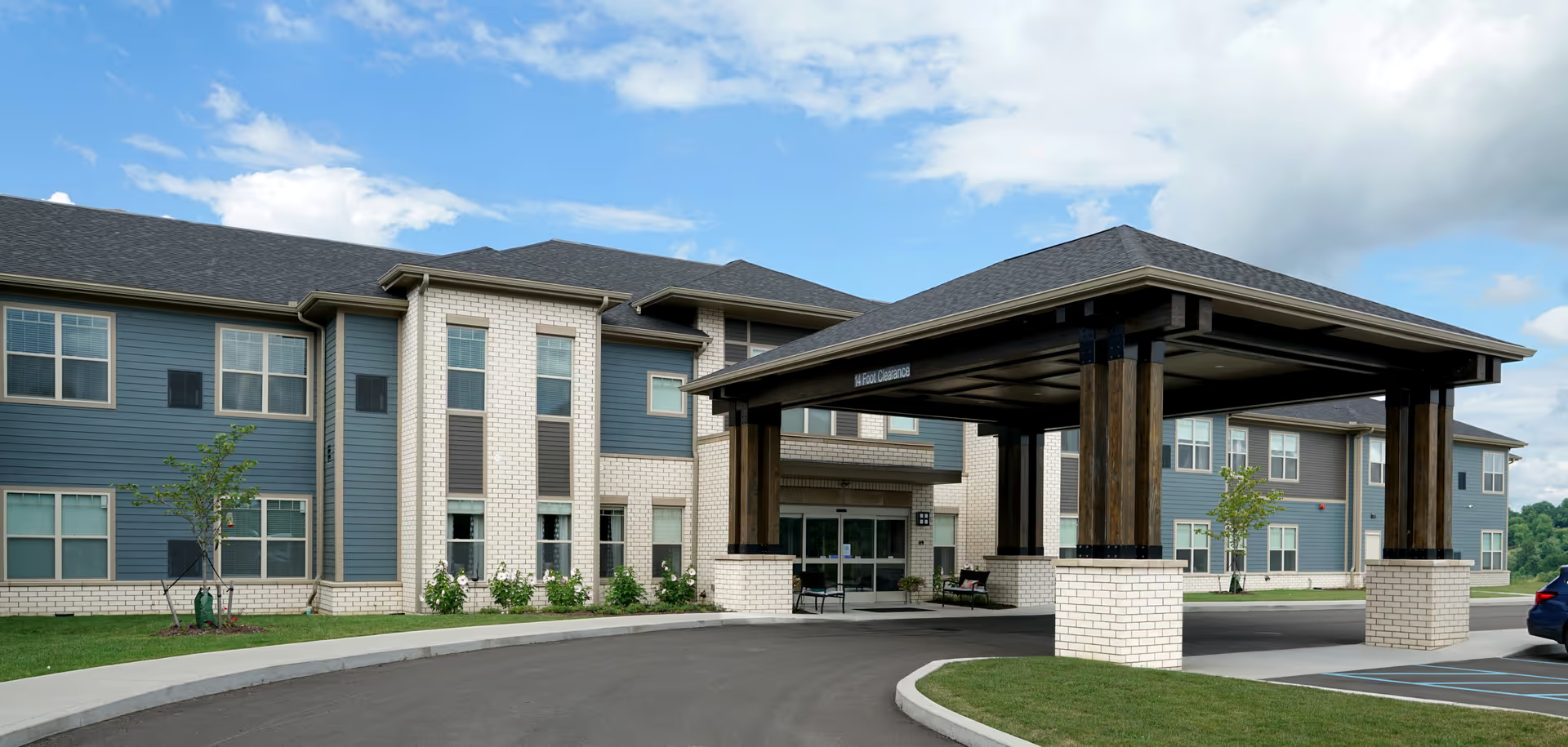
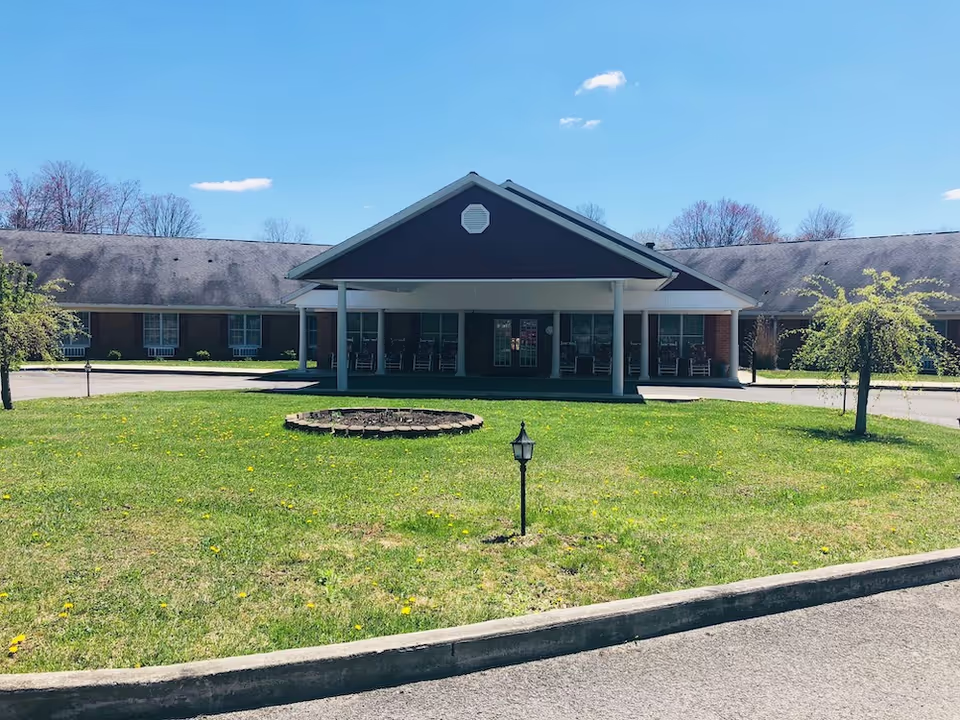
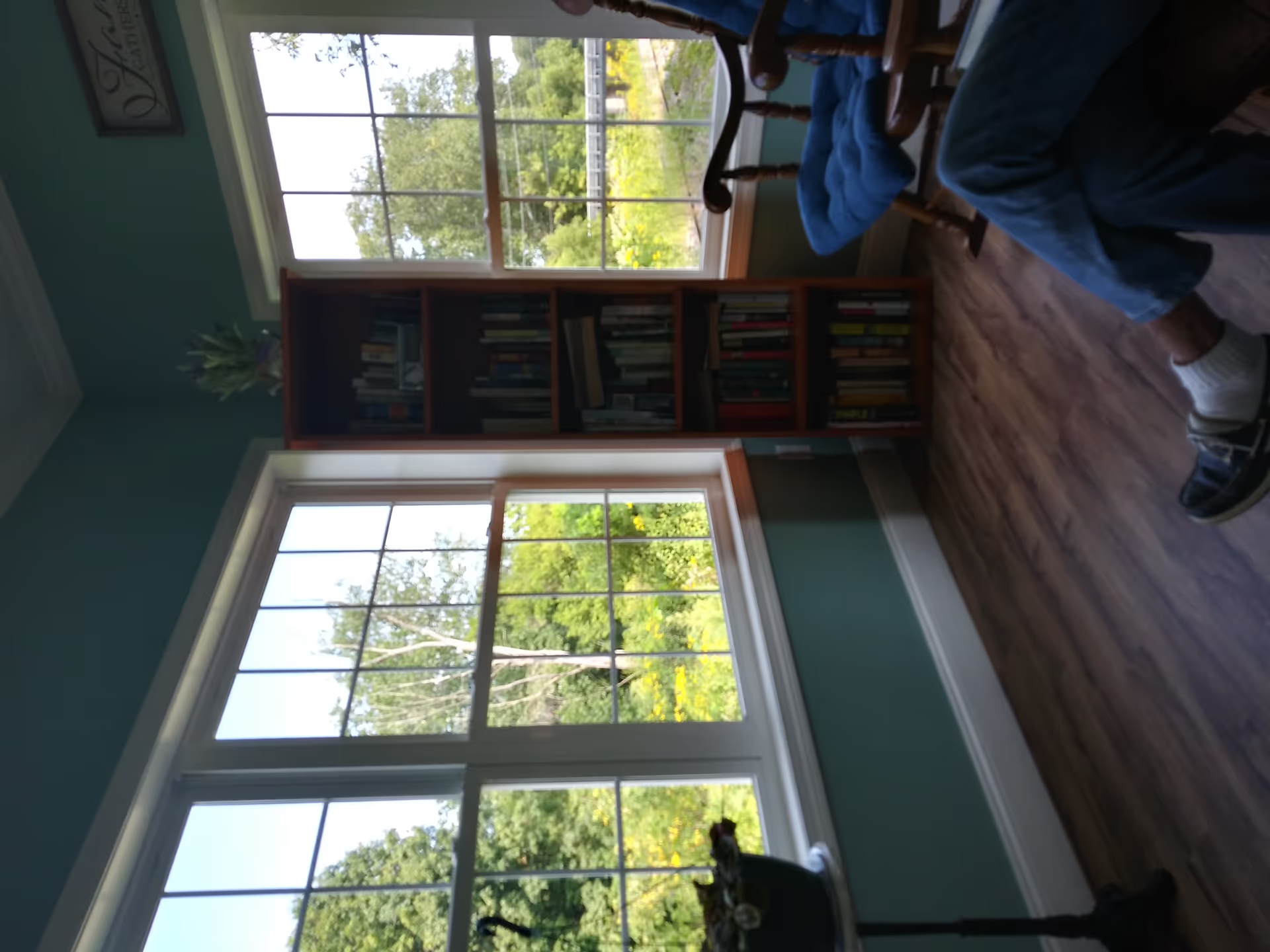
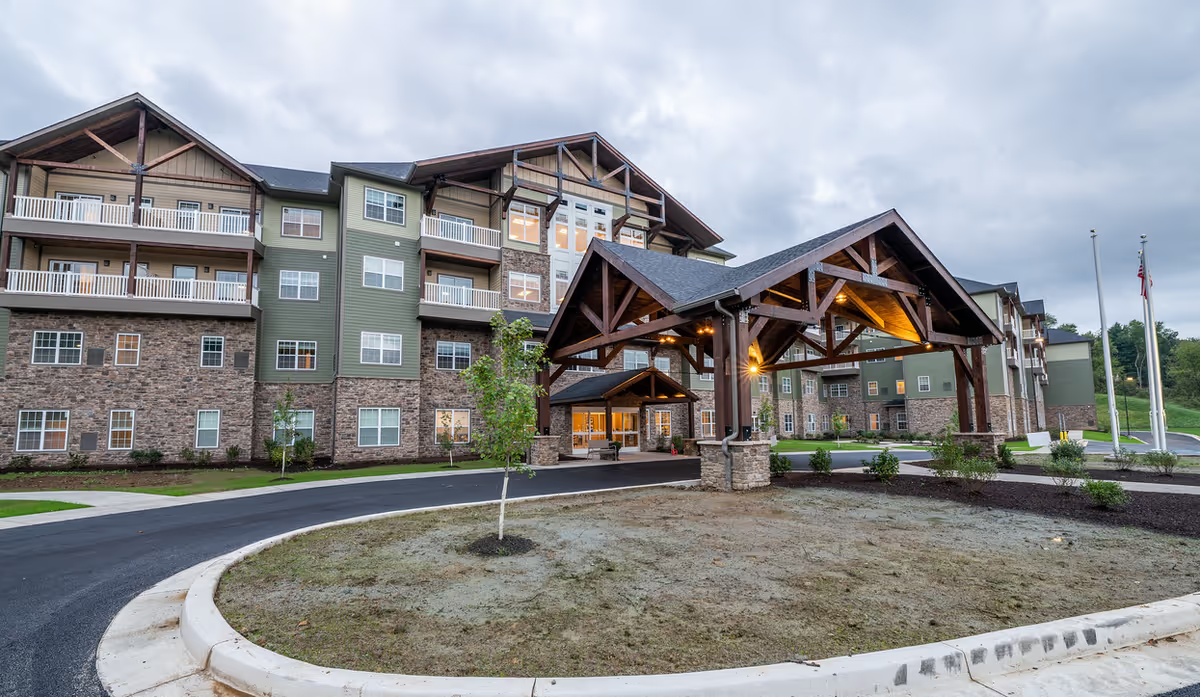
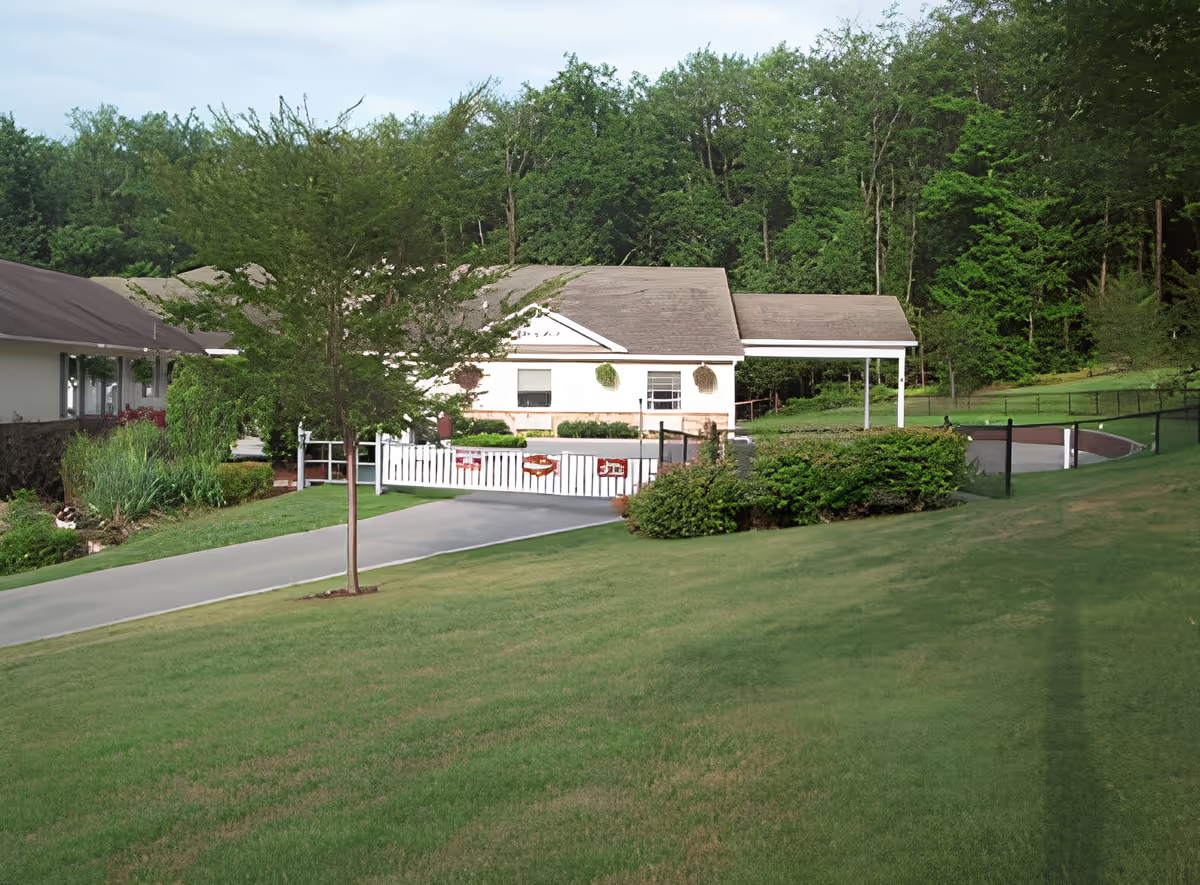
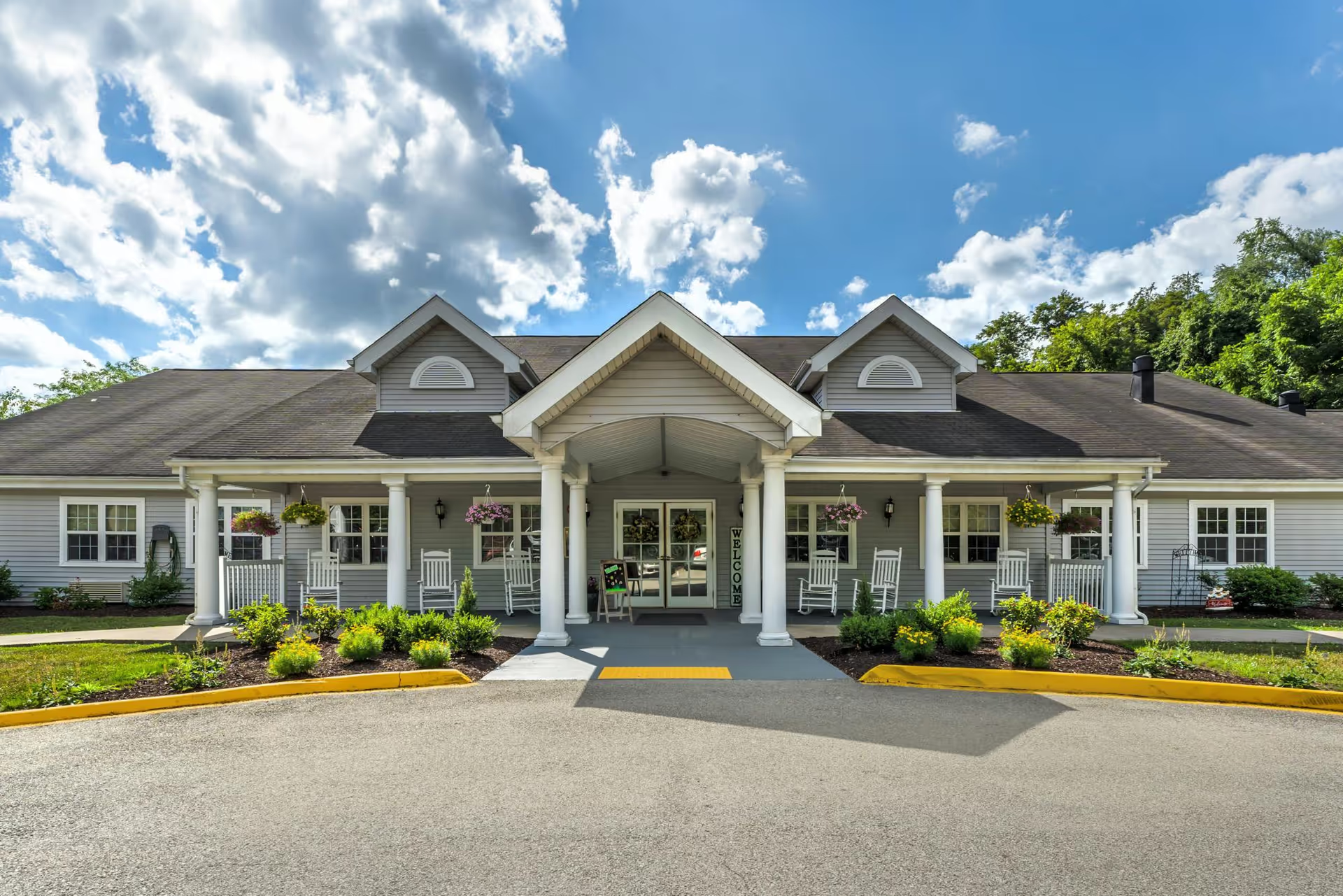
Mansfield Place presents as a small, well-appointed community with several clear strengths in direct resident care and environment. Families note a favorable nurse-to-resident ratio and long-tenured, experienced staff who are described as compassionate and respectful. Rooms are reported to be private and comfortably furnished, often including a TV and private bathroom; common areas and decor are characterized as attractive and upscale. The facility also maintains a range of structured social offerings — daily activities, interactive games, and on-site religious services — and holds regular monthly care/wellness meetings that support family involvement in care planning.
Clinical care impressions are mixed but include positive elements. Several comments highlight attentive medication management for residents with cognitive conditions, with indications that prior adjustments led to improvements. Routine family communication and involvement in care decisions are noted as strengths where they occur. However, there is evidence of variability in care quality: some families describe consistent, kind caregiving, while others cite delays in attending to resident requests and examples of inconsistent follow-through on needs.
Operationally, staffing and communication are the primary areas of concern. Multiple descriptions indicate chronic staffing shortages that can lead to slower response times and perceived gaps in day-to-day assistance. There are also repeated references to difficulty reaching the social worker and broader communication gaps between administration and families; these issues suggest opportunities to strengthen family–administration channels and social-services accessibility. In addition, reviewers identified odor concerns in some common areas, which should prompt inspection of sanitation and environmental maintenance routines.
Management practices prompt mixed impressions. On the positive side, monthly care meetings and visible family involvement suggest processes for care review. On the other hand, a restrictive administrative policy regarding references and reported difficulty accessing social services point to areas where administrative transparency and family-facing procedures could be improved. Dining was not widely described in the available comments; prospective families may want to request menus and observe mealtimes directly.
For prospective residents and families, the most salient pattern is a contrast between attentive, compassionate frontline staff and recurring operational weaknesses in staffing levels and administrative communication. Visitors should observe staffing patterns during different shifts, ask about protocols for responding to resident calls, request details on social-work availability and care-plan meetings, and inspect common areas for environmental concerns. These targeted checks will help clarify whether Mansfield Place’s strengths in environment and caregiver compassion are consistently matched by reliable operational support and administrative responsiveness.