Reviews present a mixed picture: the community receives consistent praise for its social programming, approachable staff, and value, while also generating serious operational concerns related to clinical oversight and incident handling.
Care quality is an area of divided feedback. On the positive side, residents and families note satisfactory day-to-day support and generally acceptable meals. However, there are also significant concerns about clinical processes — specifically wound and pressure-injury prevention practices and medication-management controls. One review describes an alleged medication-related overdose that resulted in an emergency transfer; other accounts describe transfers to acute care where families felt notification and communication were delayed. The combination of these accounts suggests uneven clinical oversight and opportunities for stronger quality-assurance systems.
Staff interactions are cited as a clear strength. Multiple comments emphasize that staff are kind, outgoing, and helpful, and that day-to-day interactions feel warm and resident-focused. At the same time, reviewers indicate that positive staff demeanor does not always translate into consistent clinical practice, implying a need for clearer training, supervision, and protocols to align frontline behavior with safe clinical care.
Activities and dining are notable strengths. The facility maintains a full-time activities director, publishes a monthly schedule, and offers two to three activities daily — features that families and residents frequently praise for keeping people engaged. Dining receives generally favorable remarks; several reviewers say they enjoy the food or find it acceptable. Combined with the facility’s affordable pricing, these elements contribute to the community’s appeal for people prioritizing social engagement and cost-effectiveness.
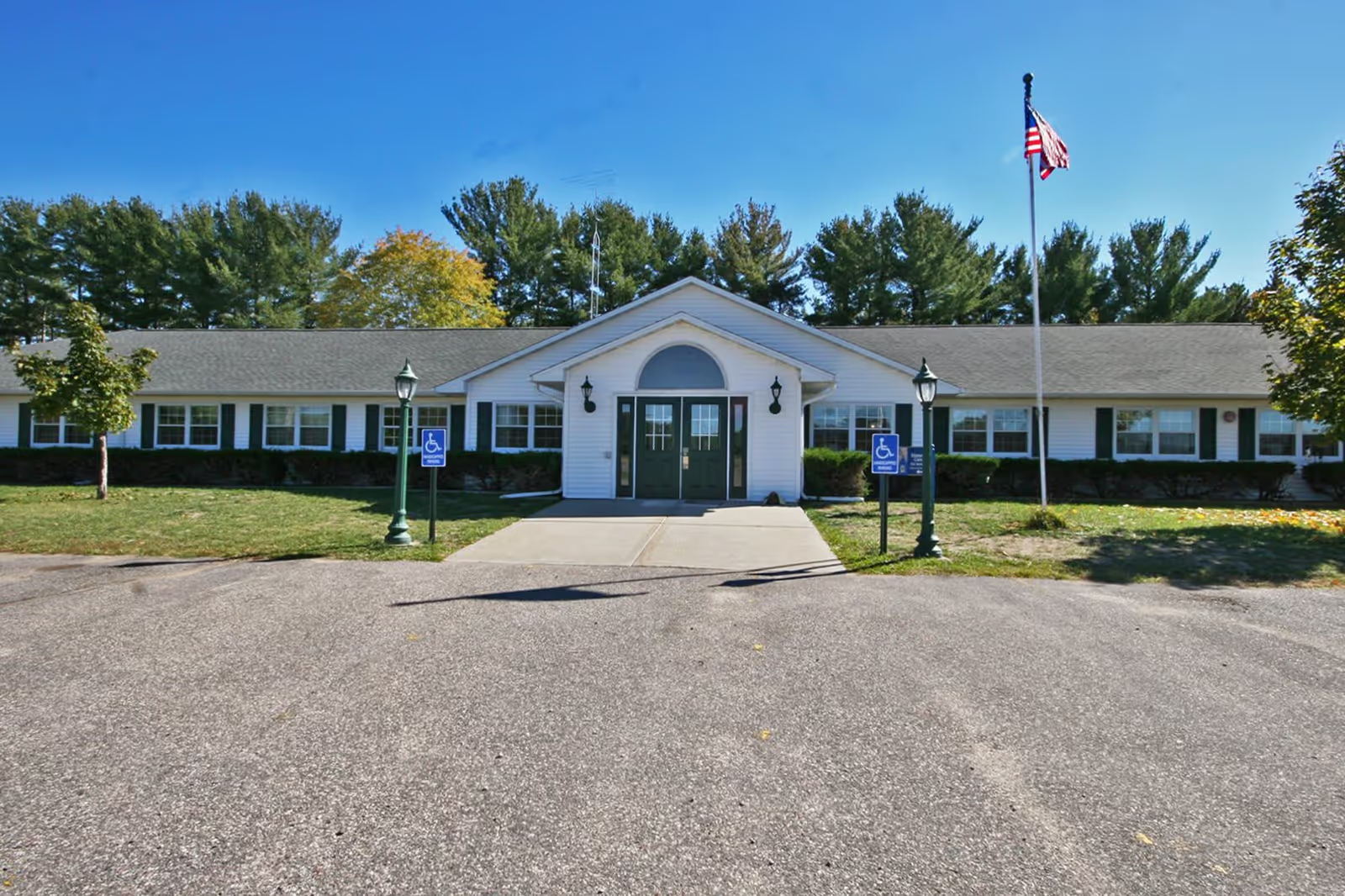
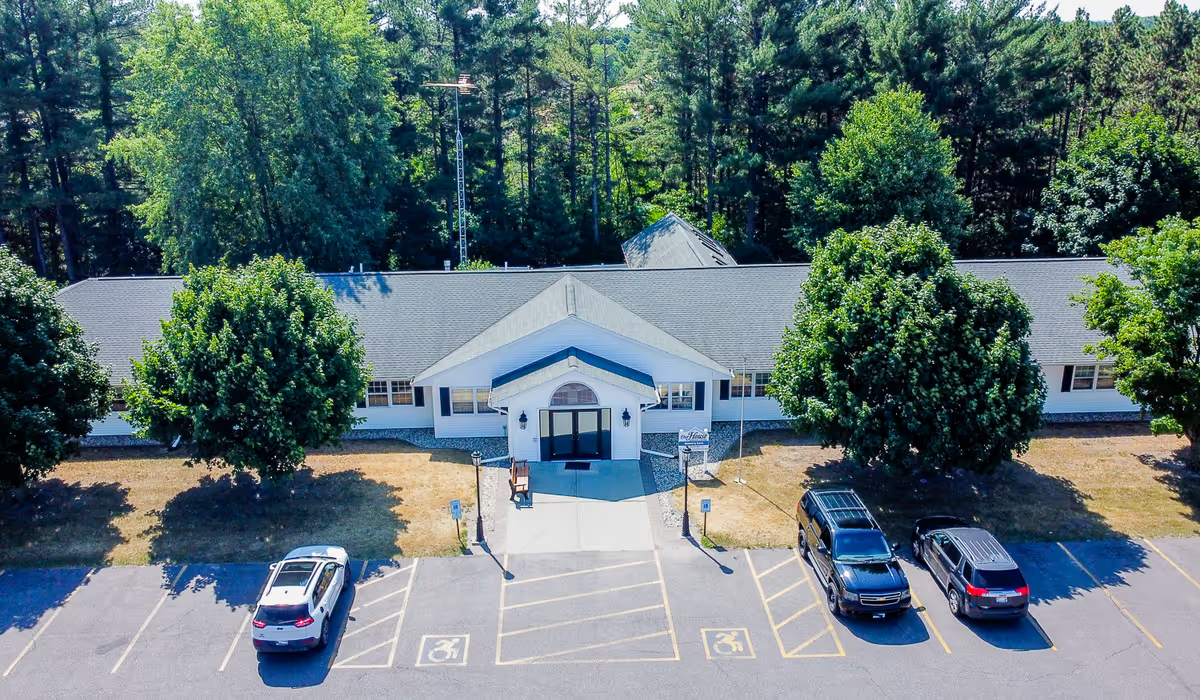
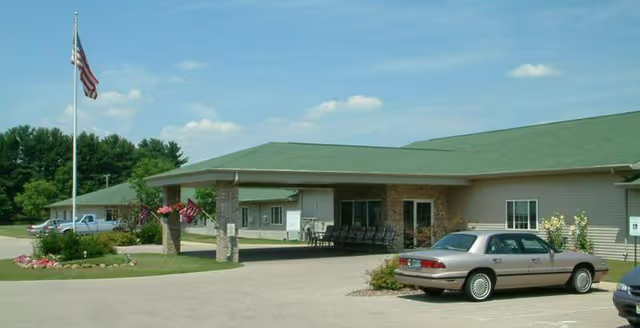
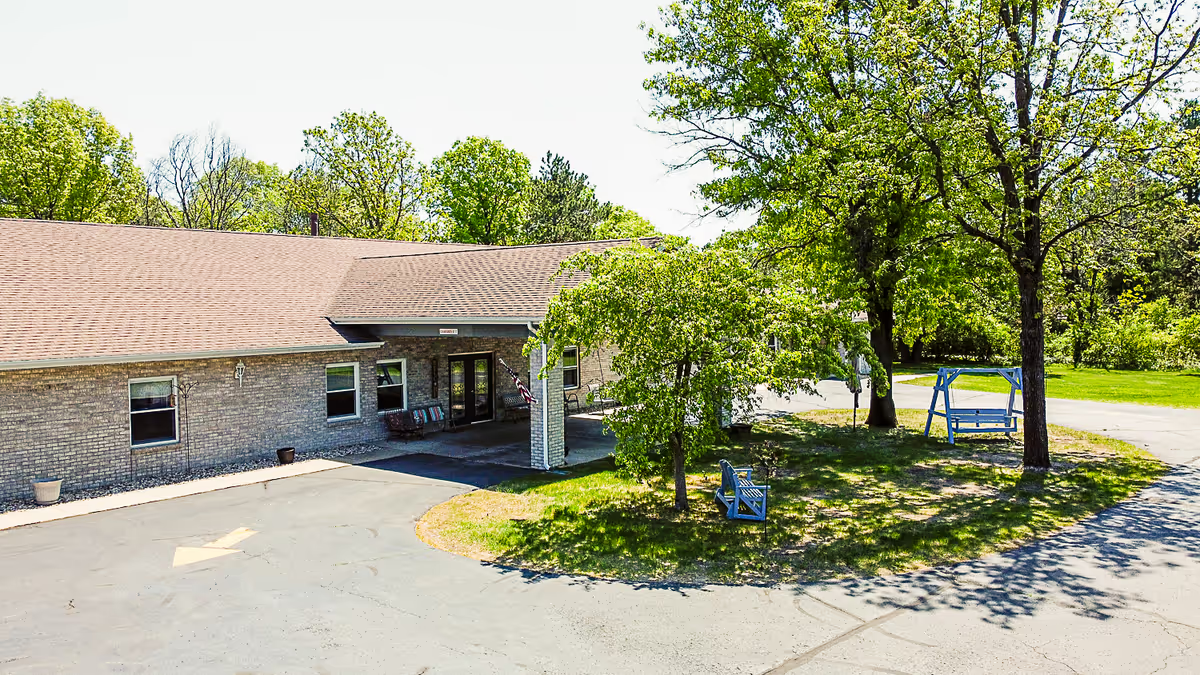
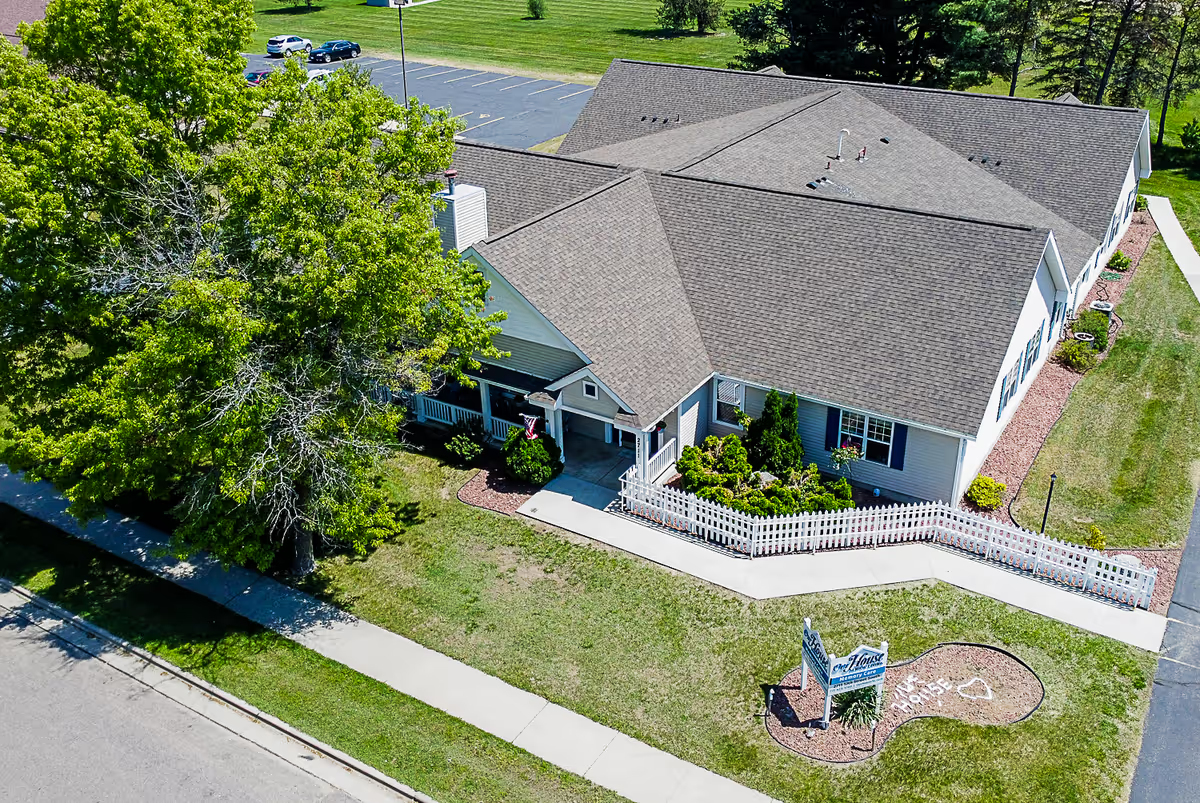
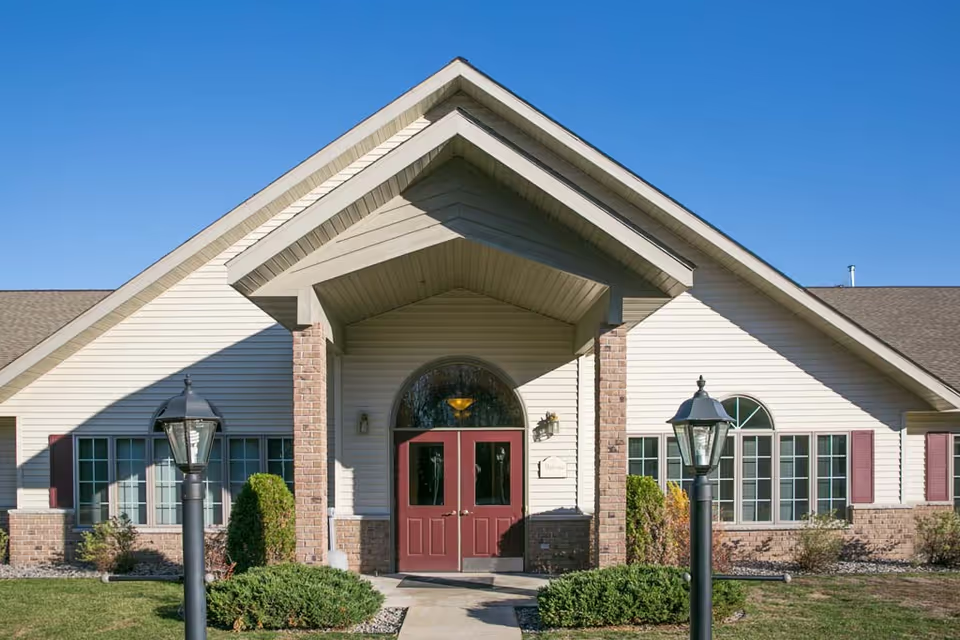
Facility and management observations are pragmatic. The building is described as functional rather than upscale; one operational limitation specifically cited is that air conditioning is present in hallways but not consistently in resident rooms. More importantly, reviewers point to management and leadership inconsistency and note that the provider has undergone corrective training and regulatory attention, which may indicate prior gaps in policy adherence or oversight.
Taken together, the pattern suggests that prospective residents and families should weigh the strong social programming, approachable staff, and affordability against documented concerns around clinical oversight, medication controls, and incident communication. Recommended next steps before a placement include touring resident rooms to assess climate control and cleanliness, reviewing the facility’s recent regulatory survey history, asking about staffing levels and training protocols for wound care and medication administration, and confirming the facility’s policies for family notification after incidents.