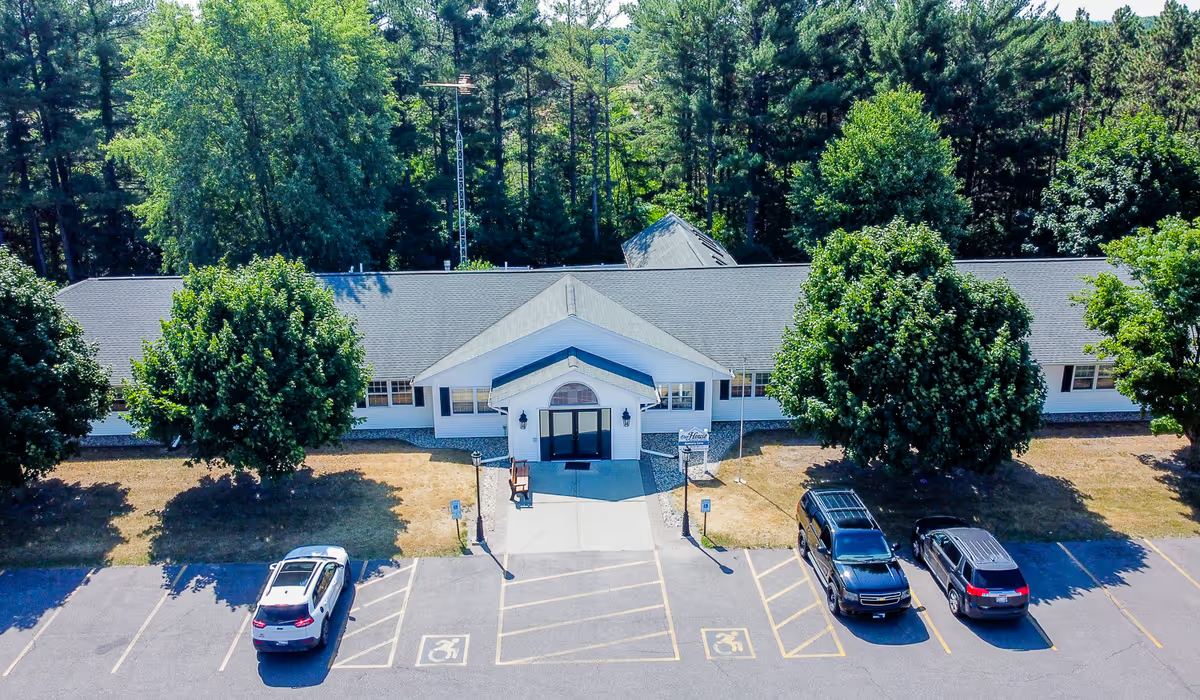
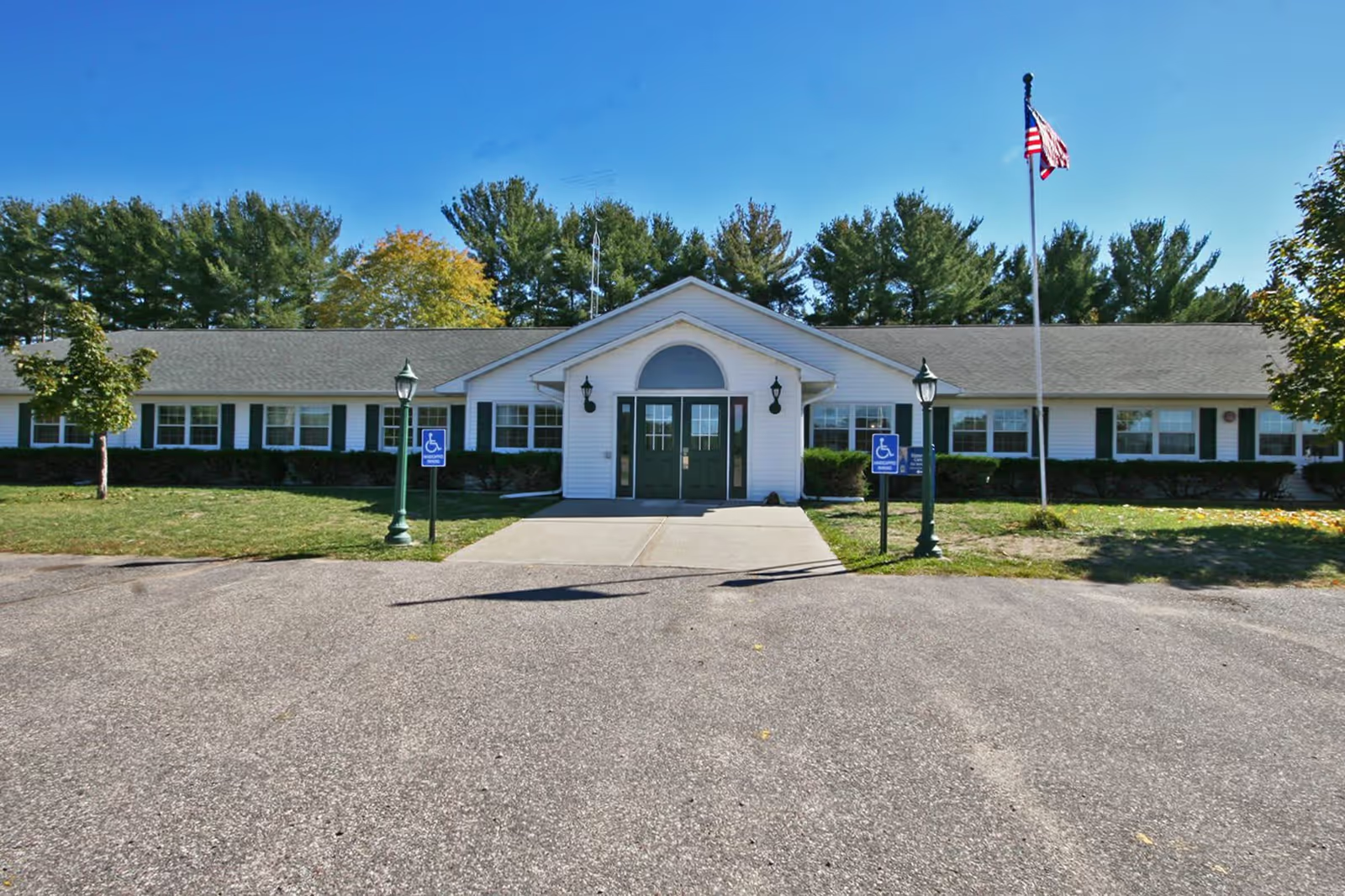
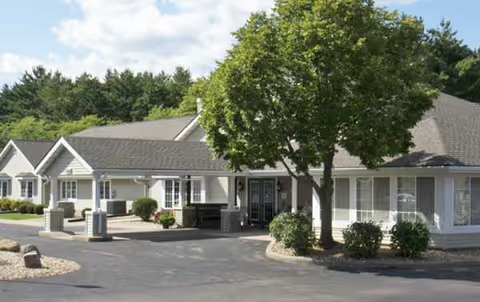
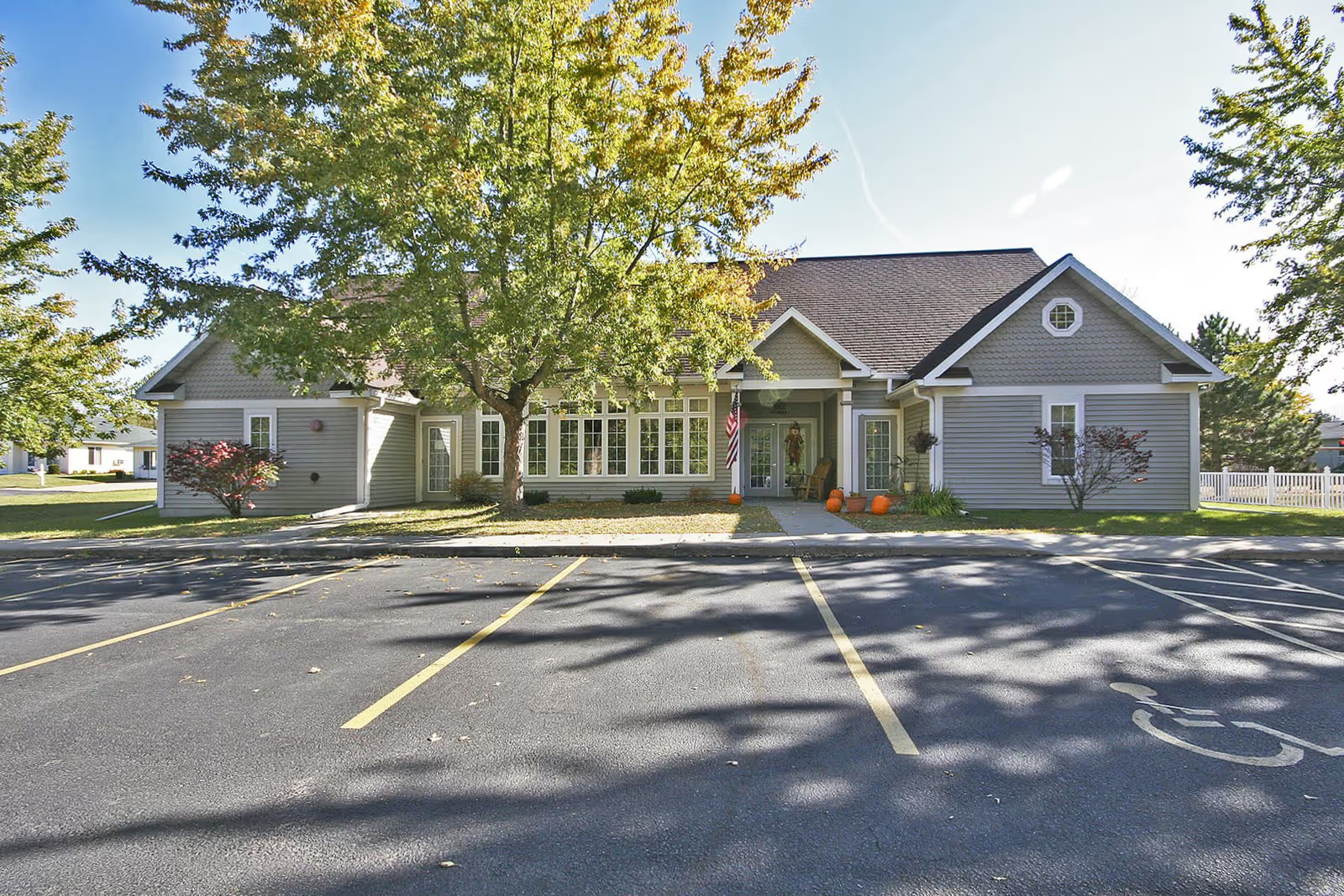
Overall impression: St. Clare Meadows presents as a largely well-maintained senior care center with many features families value — notably a highly regarded therapy program, a generally compassionate nursing team, active engagement opportunities, and onsite amenities. Reviewers consistently highlight the facility's strengths in rehabilitation, attentive bedside care, and a clean physical environment with sizable common areas, an outdoor patio, pet-friendly policies, a shuttle, and services such as an on-site hair salon.
Care and staff: Clinical and frontline staff are frequently described as experienced, personable, and attentive. Therapy and rehabilitation services receive particularly strong praise, with several accounts calling the therapy department excellent. At the same time, a recurring operational issue is staffing levels: the facility appears to operate under persistent understaffing and high workload pressure, which reviewers link to slower assistance responses and difficulty meeting some resident needs. Front-desk interactions and many nurse contacts are described positively, with staff remembered by name and treated as caring and professional.
Dining and personal services: Dining is noted as a strength in many accounts — meals are often described as fresh and tasty with varied options. However, there are operational inconsistencies: continuity of meal service and reliable breakfast delivery are sometimes lacking, and accommodating special or therapeutic diets has been difficult in some instances. Laundry and personal-item handling have been identified as an area of concern, with reports of misplacement and mix-ups indicating weaknesses in garment tracking and collection procedures.
Communication, management, and clinical follow-up: Several reviewers identified gaps in communication between the facility, attending physicians, and families, which can complicate care coordination and discharge planning. Related concerns include pressure or unclear communication around billing and insurance and limited flexibility around discharge or visitation in certain circumstances. There are also mentions of inconsistent follow-up and communication after clinical incidents, including concerns that arose around a resident death; these comments point to opportunities for stronger incident-response protocols and family outreach.
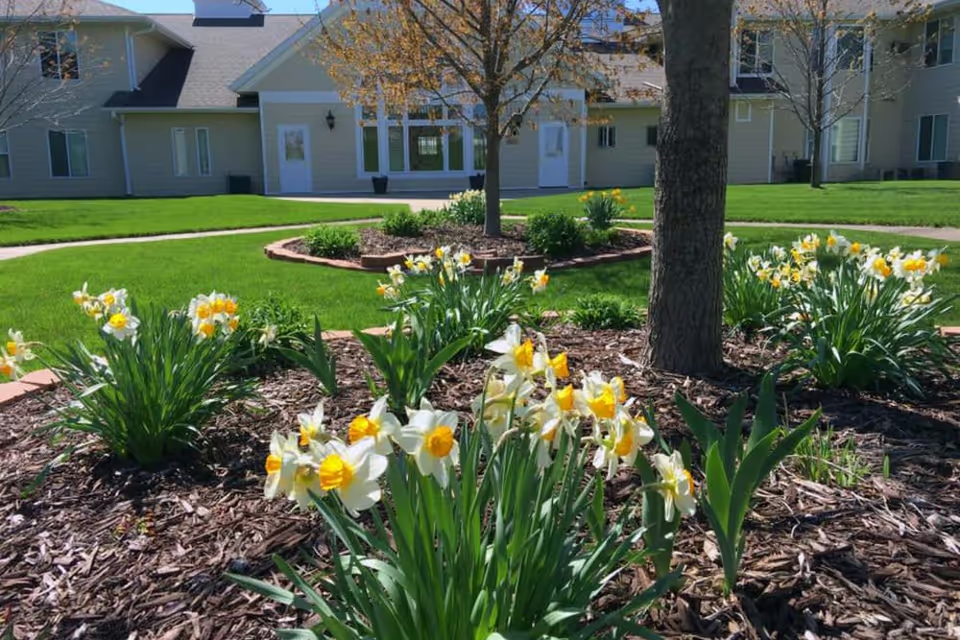
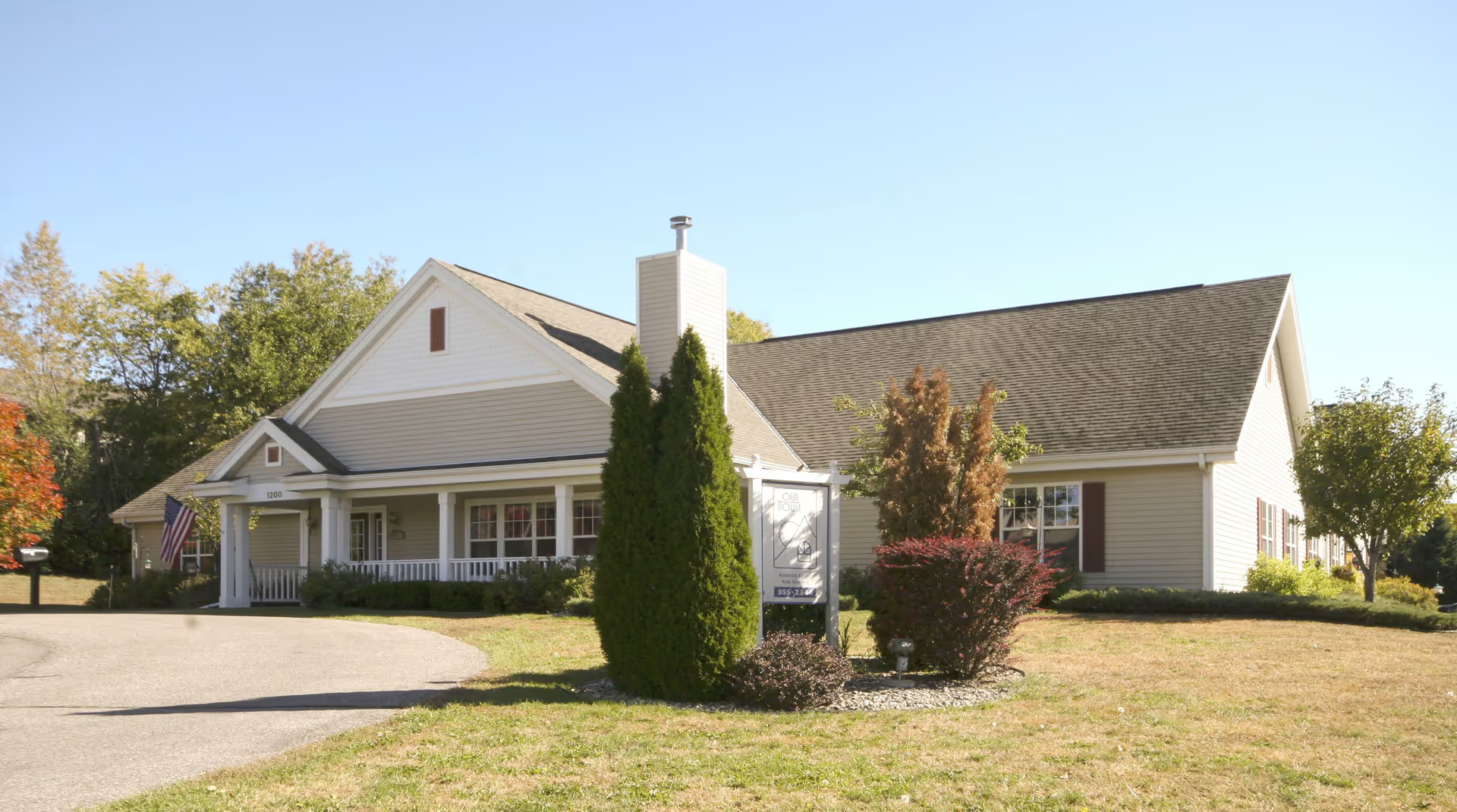
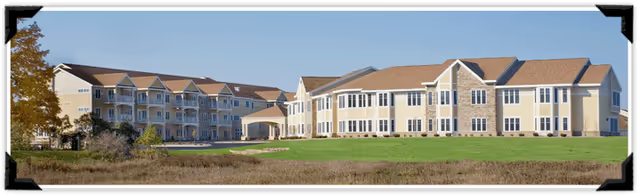
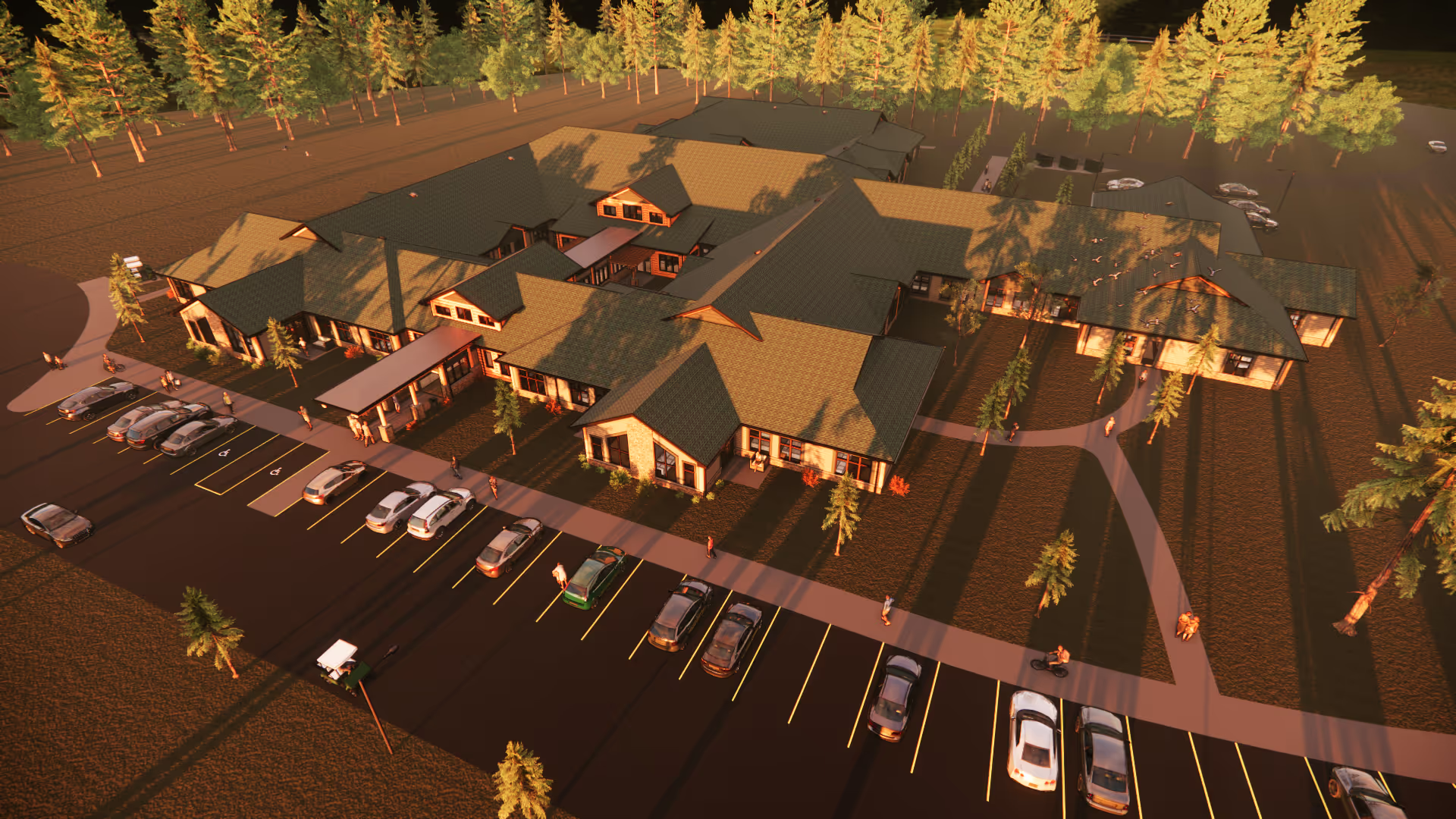
Activities and facilities: Activity programming and community involvement are positive features, with daily activities, community events, and physical spaces that support socialization. The physical plant is described as clean and updated in parts, with new sections and comfortable waiting and common areas. Amenities such as shuttle service, pet access, outdoor seating, and a salon contribute to quality-of-life advantages for residents.
What to verify when touring: Prospective residents and families should confirm current staffing ratios and average response times to assistance calls, processes for accommodating therapeutic diets, laundry and personal-item tracking procedures, billing and insurance communication practices, and the facility's approach to visitation and clinical-incident communication. The facility's strong rehabilitation program and caring staff are clear positives, but operational inconsistencies in staffing, meal continuity, laundry, and family/physician communication are important to evaluate during a visit.