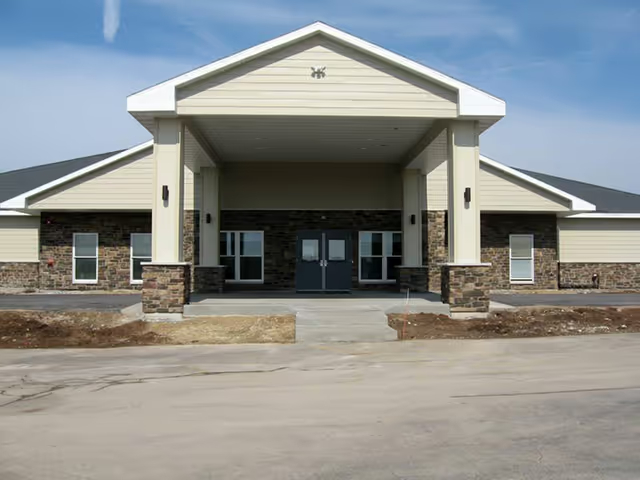
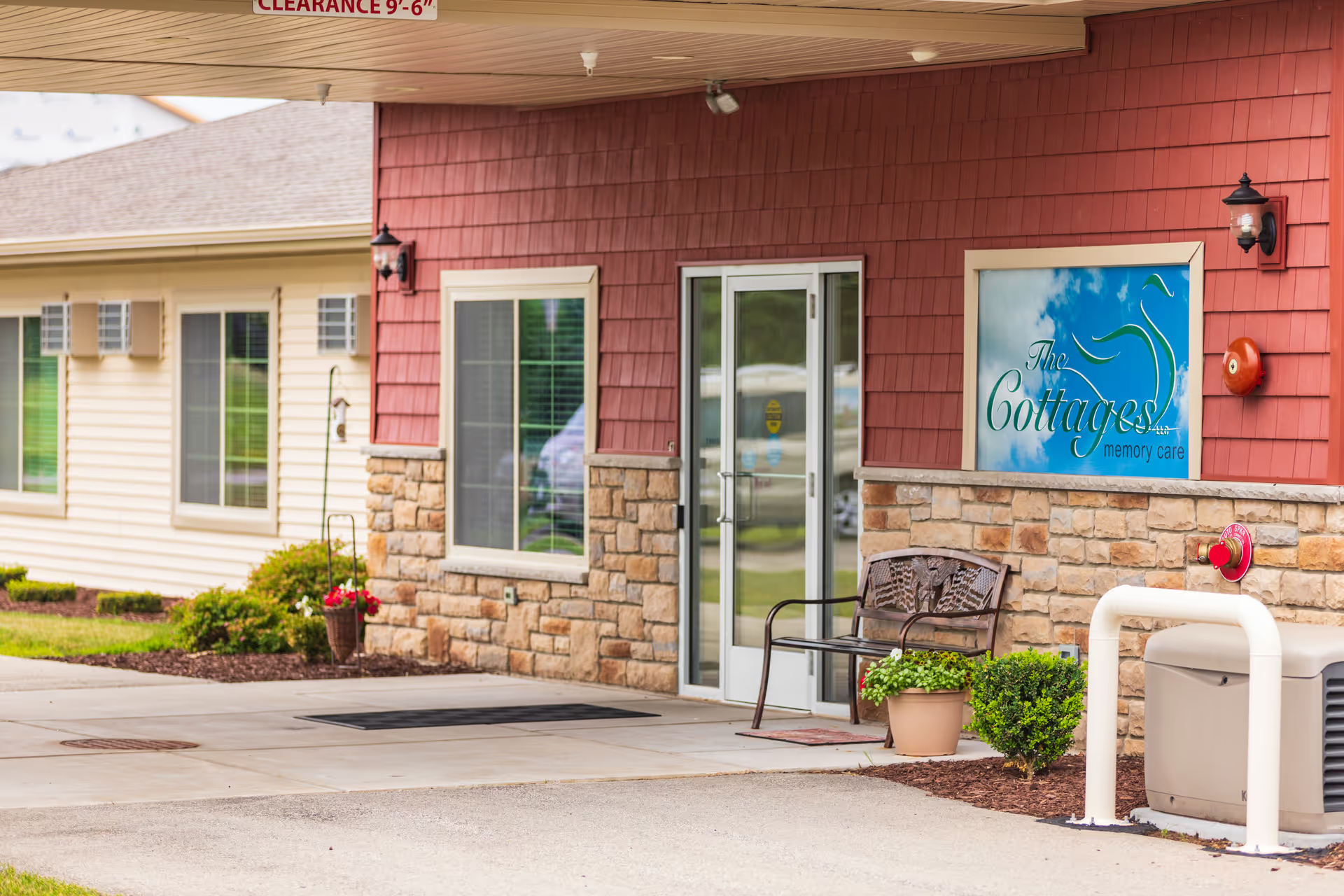
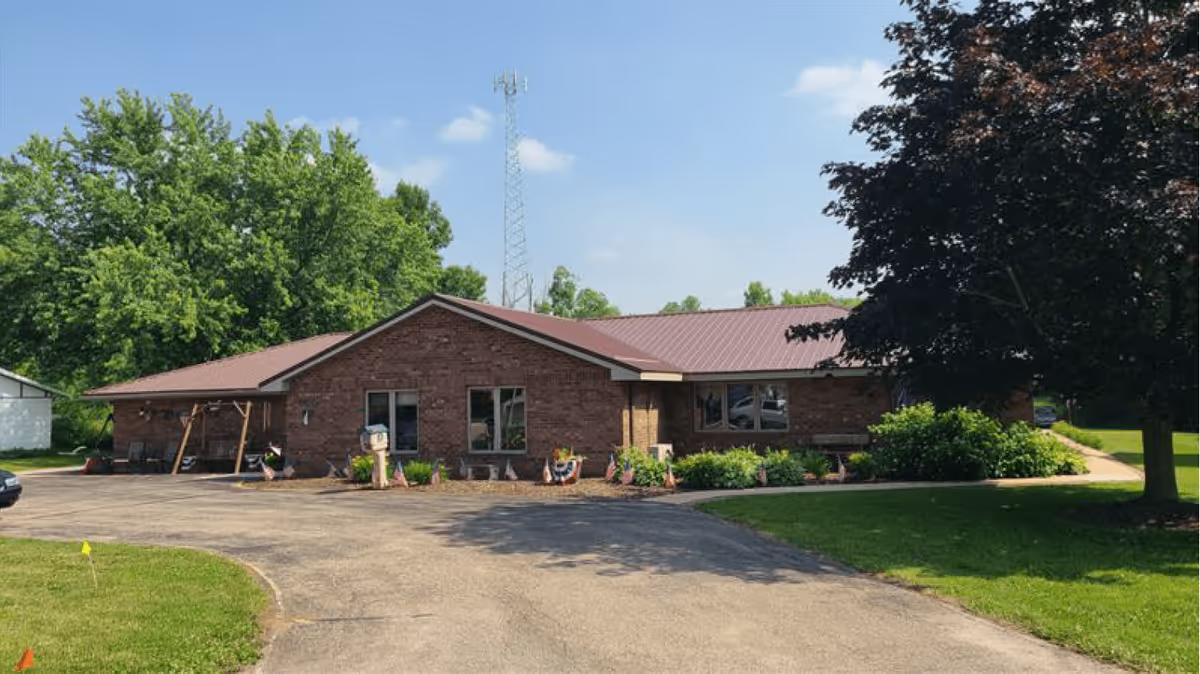
The reviews present a divided picture of care at Alpha Senior Concepts - Howard Property, with clear strengths alongside recurring operational concerns. Positively, many families describe compassionate, dedicated direct-care staff and individualized attention that preserved dignity and privacy. The community offers memory-care programming and access to formal dementia-care training sessions (including Positive Approach to Care/Teepa Snow), and some administrators and caregivers received specific praise for responsiveness and family partnership. Resident rooms and facility layout are often described as spacious and well-appointed, and housekeeping and dining staff were helpful and appreciated in numerous accounts.
At the same time, a consistent pattern of operational weaknesses emerges. Staffing levels and schedule stability were frequent concerns: reviewers described staff as overwhelmed, shifts with limited coverage, and service gaps when core positions (for example, cooks or aides) were unavailable. These staffing pressures were linked to delayed responses to call lights, inconsistent bathing and personal-care schedules, and delays in detecting falls or behavioral incidents. Several reviews also pointed to medication-administration and documentation gaps and to inconsistent laundry and personal-item management.
Dining and nutrition are mixed: some families found the food acceptable or better than alternatives, while others described reliance on convenience items, high-sodium preparations, and a lack of healthy snacks or active encouragement at mealtimes. Activity programming shows a similar split—there are examples of structured memory-care and family events, yet other accounts describe activities tapering to largely passive options such as television.
Facility-level hygiene and maintenance were another recurrent theme. While rooms and common areas are sometimes praised, other reviewers raised sanitation and cleanliness concerns in parts of the building, indicating variability in environmental upkeep. Communication and administrative transparency also varied: some families noted proactive, helpful administrators, while others experienced unreturned phone calls, restricted mail/gift handling, and difficulty obtaining timely answers. A few accounts described financial-administration conflicts that affected bed assignments and placement stability.
Notable patterns to weigh when evaluating this community: positive experiences tend to emphasize specific caregivers and administrators who go above and beyond, strong memory-care elements, and comfortable physical accommodations. Critical experiences cluster around understaffing, inconsistent clinical and personal-care processes, nutrition limitations, environmental-cleanliness variability, and communication or financial-administration issues. A small number of accounts contained allegations concerning restricted mail/gift handling and POA disputes that families felt warranted further inquiry. Prospective residents and families should visit at different times of day, ask about staffing ratios and dementia-behavior training, review medication and incident-response protocols, and confirm financial/placement policies before making a placement decision.