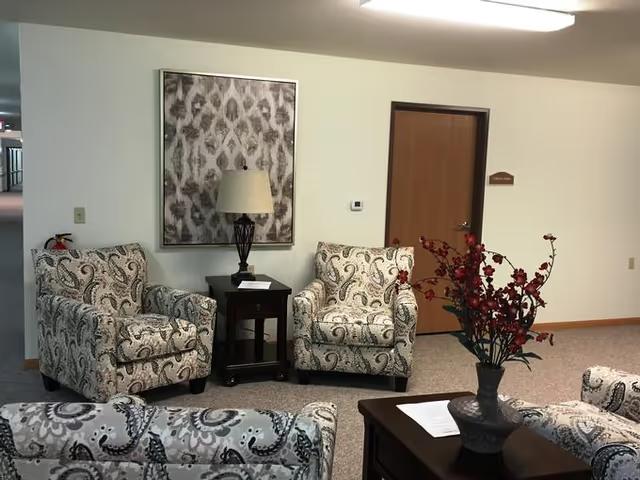
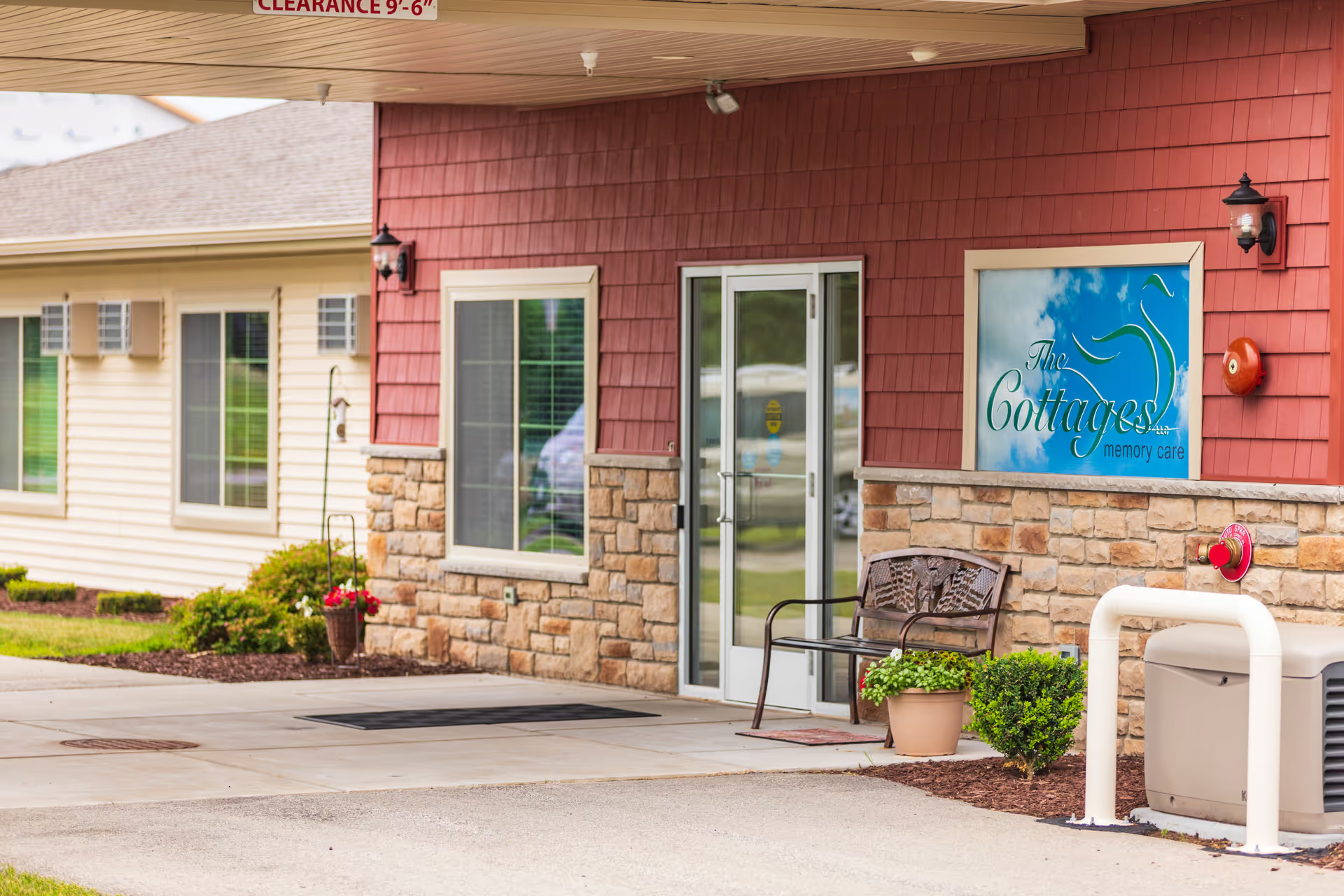
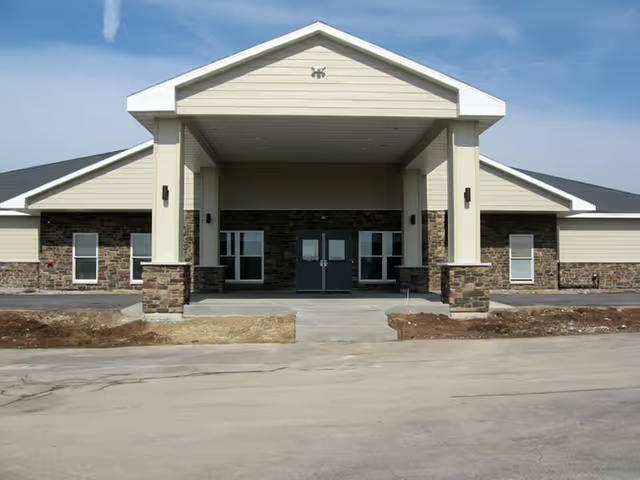
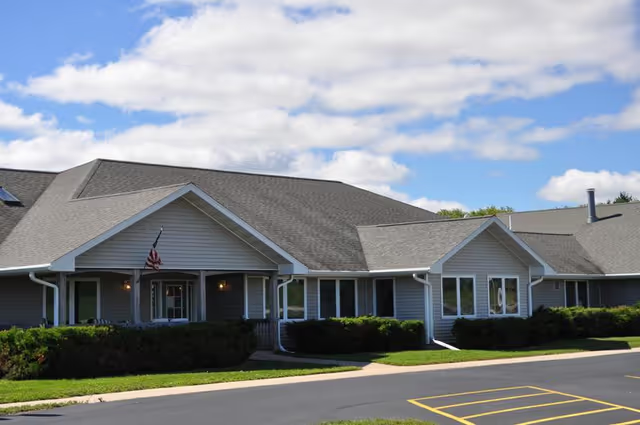
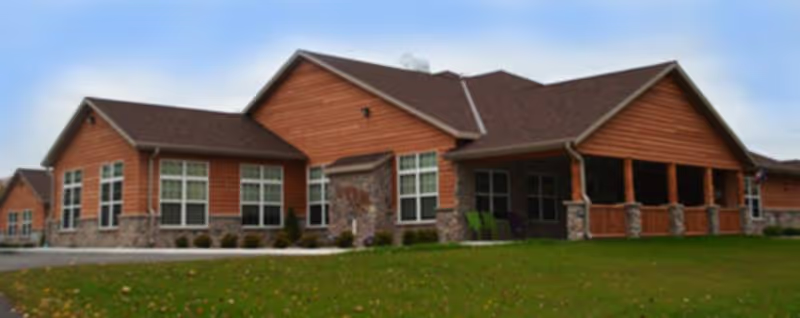
Overall impression: Feedback about The Cottages at Lake Park Senior Living & Memory Care is predominantly positive, with recurring praise for its dementia-focused programming, staff demeanor, and homelike environment. Many family members and visitors describe staff as caring, respectful, and supportive, and they highlight active efforts to involve families during difficult transitions. The facility’s atmosphere is frequently characterized as warm and comfortable, with decorated common areas, cozy amenities (fireplace, comfy chairs), and permission for residents to bring or display personal memorabilia, which contributes to a resident-centered environment.
Care and staff: The dominant theme across comments is strong interpersonal care. Reviewers emphasize compassionate, dignity-preserving interactions and a staff culture that appears engaged with residents’ emotional needs. Open communication and timely responses from staff and management are noted in multiple accounts, along with explicit appreciation for guidance and support provided to families. At the same time, there is a pattern of variability: some comments point to inconsistent responsiveness and uneven helpfulness from individual staff members. Additionally, there is at least one serious allegation concerning care and safety; while this appears to be an outlier relative to the volume of positive notes, it signals a need for prospective families to inquire directly about staffing ratios, supervision practices, and incident follow-up protocols.
Facilities and activities: The physical environment receives favorable remarks. Common areas are described as attractively decorated and comfortable, and individualized room touches such as mini-fridges and personal furniture are permitted, supporting a home-like experience. Social interaction with friendly fellow residents and staff-organized décor suggest active engagement in communal life. Specific activity programming details are limited in the available comments, but the décor and amenity descriptions imply attention to creating a pleasant living space that can stimulate comfort and familiarity for residents, particularly those with memory-care needs.
Dining, management, and operational patterns: Direct commentary on dining quality and meal service is sparse in the current summaries, so assessment in that domain is limited. Operationally, the facility appears to place emphasis on family communication and supportive transitions, which families valued. However, recurrent notes about variability in staff helpfulness and responsiveness point to potential inconsistency in day-to-day operations. Prospective residents and families would be well served to ask targeted questions about staffing levels, staff training in memory care, protocols for monitoring resident safety, and how management addresses and documents incidents or family concerns.
Notable patterns and recommendations: Strengths include dementia-specific focus, empathetic staff, and a homelike atmosphere that encourages personalization. The primary operational concern is inconsistency—both in responsiveness and in perceived care quality—which manifests as occasional safety and supervision worries for some families. When evaluating the community, consider requesting recent staffing schedules, examples of care plans for memory-care residents, incident-response policies, and references from current families to confirm the consistency of care and oversight.