Overall impression: Reviews for Prescott Nursing & Rehab are markedly polarized. Many families and residents describe positive daily interactions, good food, active programming, and attentive clinical leadership; others describe significant operational problems that they feel affected care quality. The pattern suggests a facility with clear strengths in hospitality and therapy services but with recurring operational gaps that can materially affect some residents' experience.
Care quality and staff: Numerous comments praise individual caregivers, nurses, CNAs, and therapy staff as caring, attentive, and competent; a number of reviewers also single out the head of nursing and certain administrators for proactive problem-solving. At the same time, there are consistent concerns about staffing levels and responsiveness. Reviewers cite short-tempered or dismissive interactions, delays in attending to resident needs (including toileting and bathing assistance), and occasional clinical lapses that preceded rehospitalization for some residents. These mixed impressions point to variability in frontline performance—strong when staffing and leadership are present and stressed when coverage is limited.
Dining and therapy: Dining receives favorable mentions across many reviews — meals are described as good and well received. Therapy and rehabilitation services are also frequently noted as effective and attentive, and several reviewers reported positive outcomes from short-term stays and therapy programs.
Activities and accessibility: The facility offers a broad activities calendar (bingo, concerts, arts & crafts, movies, casino night) that many residents enjoy and that contributes to a home-like atmosphere. However, several reviews note limitations in participation for residents with mobility restrictions; this suggests activity planning may not consistently include adequate adaptations or staffing to enable full participation by mobility-limited residents.
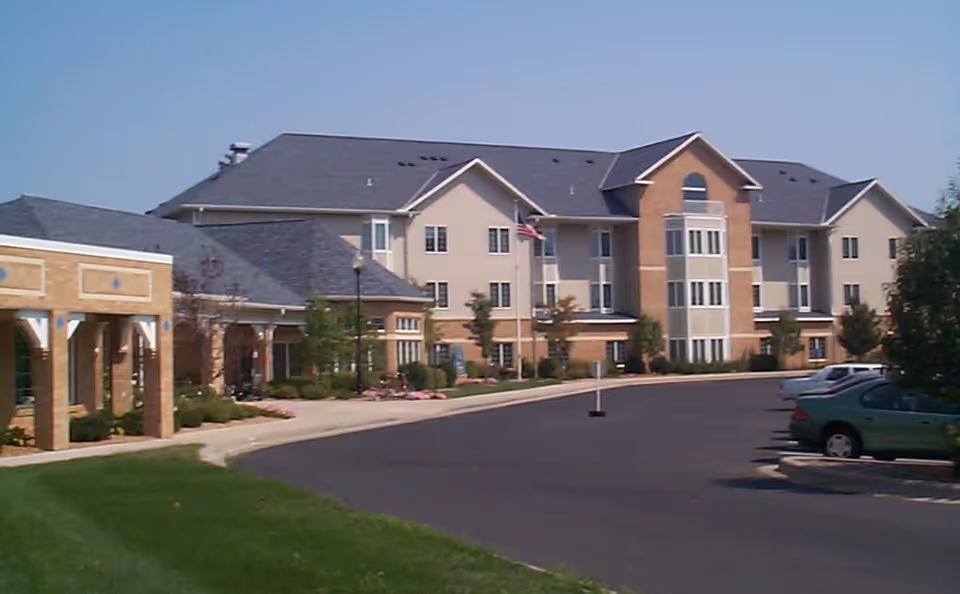
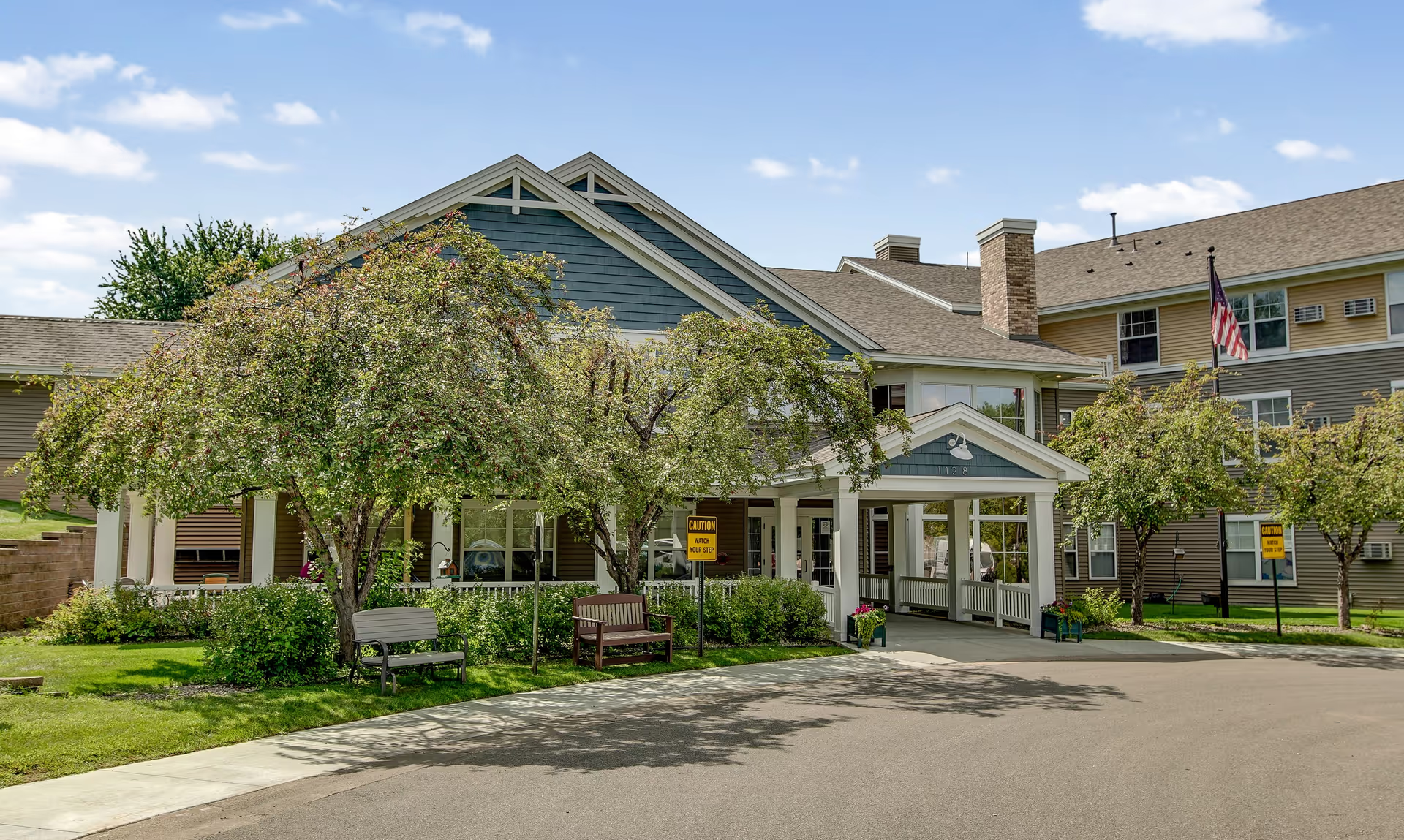
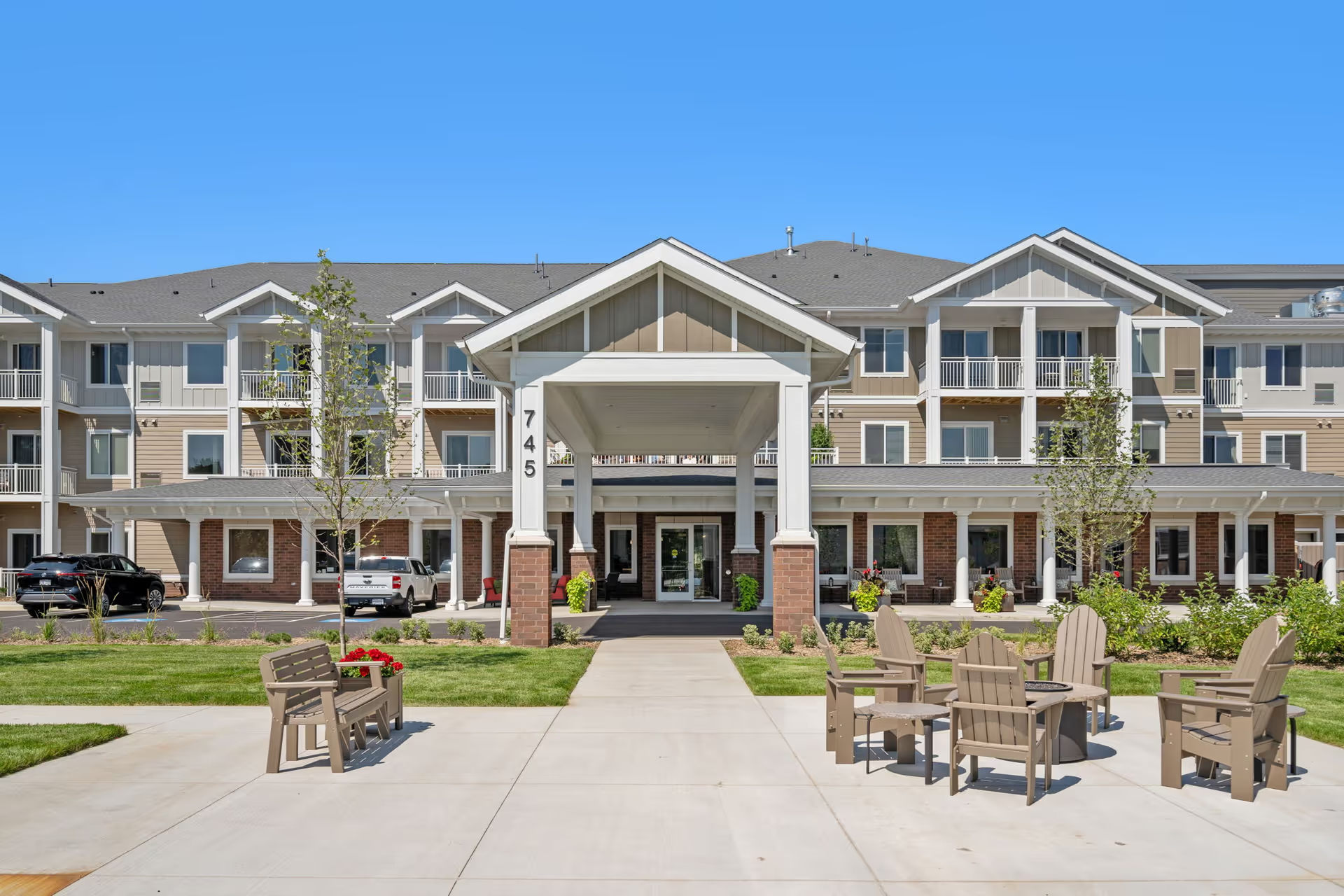
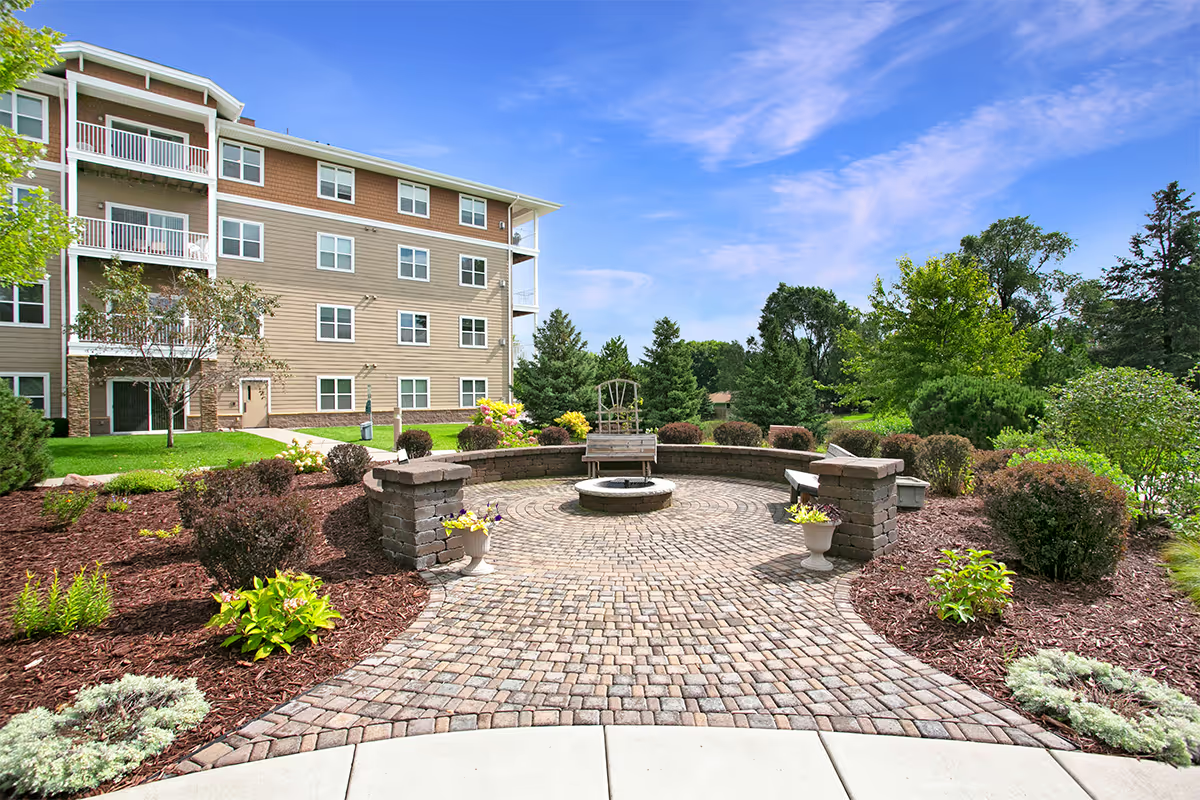
Facilities and cleanliness: Common areas are often described as clean and odor-free, and the small, home-like setting is a repeatedly cited strength. Conversely, some reviewers reported lapses in room-level housekeeping and sanitation (for example, stains or incomplete cleaning following incidents), indicating inconsistent execution of housekeeping processes in some units or rooms.
Management, professionalism, and privacy: Management impressions are mixed—some families praise engaged directors and an excellent director of nursing, while others report uneven leadership responsiveness and an unwelcoming environment. Several reviewers raised concerns about staff professionalism and breaches of privacy or confidentiality, including inappropriate staff conversations and sharing of personal material. These issues point to weaknesses in staff conduct standards, training reinforcement, and HR/quality oversight in certain cases.
Notable patterns and guidance for families: The dominant themes are polarized experiences and operational variability. Positive experiences emphasize compassionate caregivers, enjoyable activities, good meals, and effective therapy. Negative experiences focus on understaffing, inconsistent personal-care delivery, room-level housekeeping lapses, privacy/professionalism issues, and management inconsistency. Prospective residents and families would benefit from an in-person tour and direct questions about current staffing levels, housekeeping protocols, privacy/confidentiality policies, mobility accommodations in activities, and recent clinical outcomes or rehospitalization rates. Asking to meet the director of nursing and observing mealtime and activity sessions can help assess whether the facility's current operational state aligns with a family's expectations.