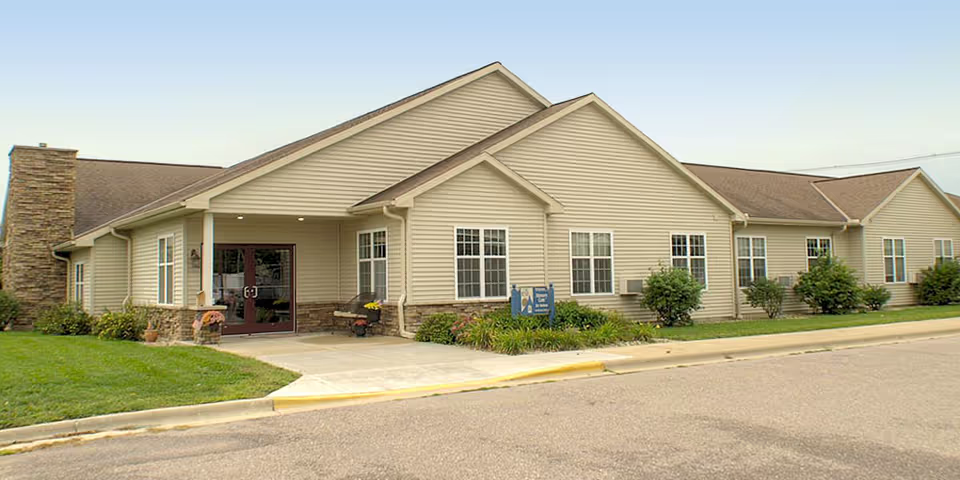
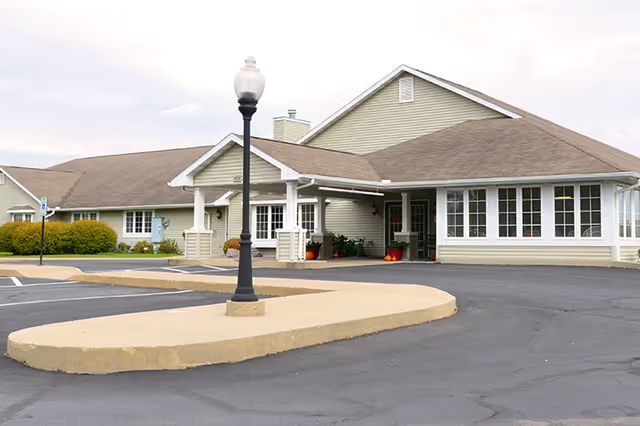
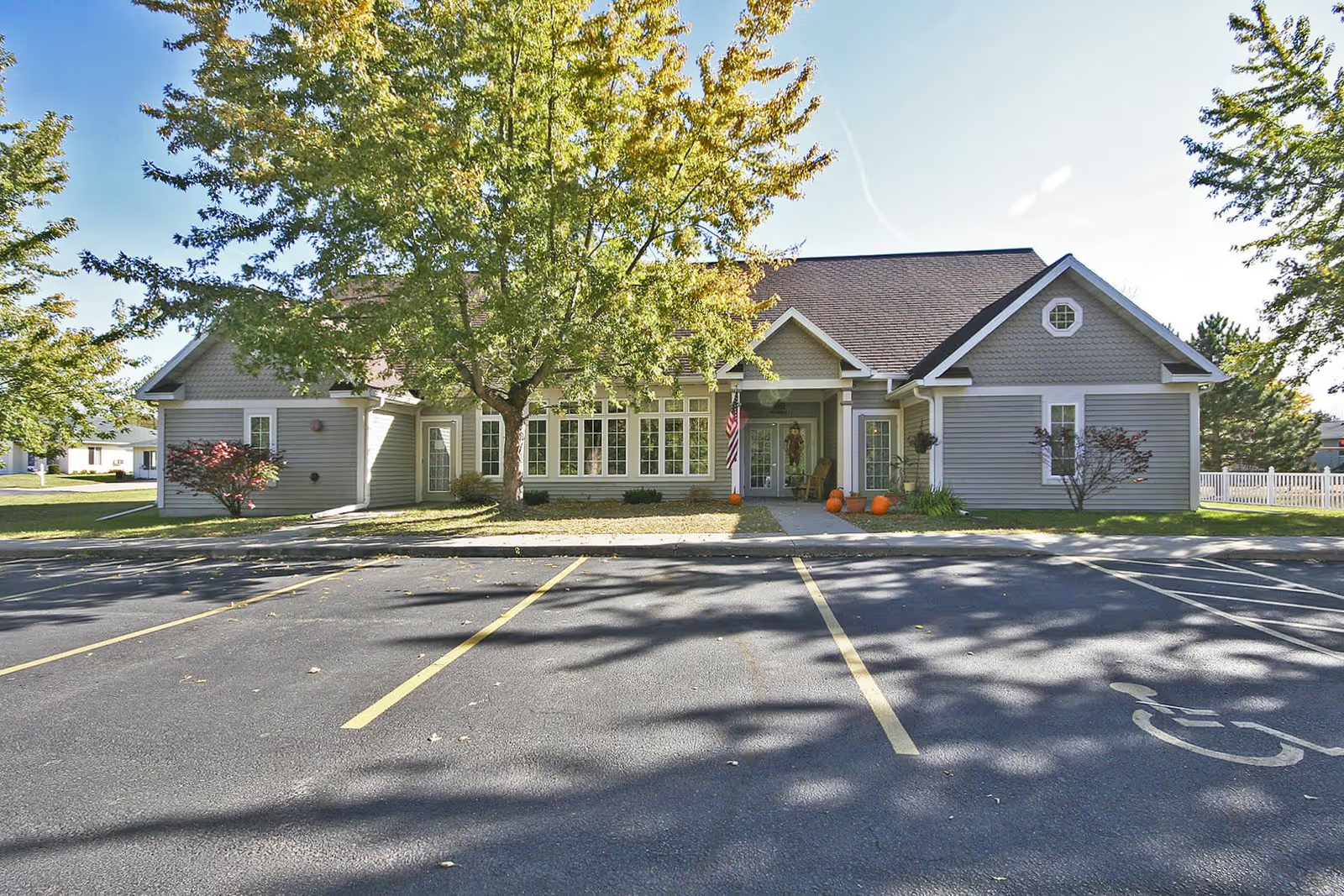
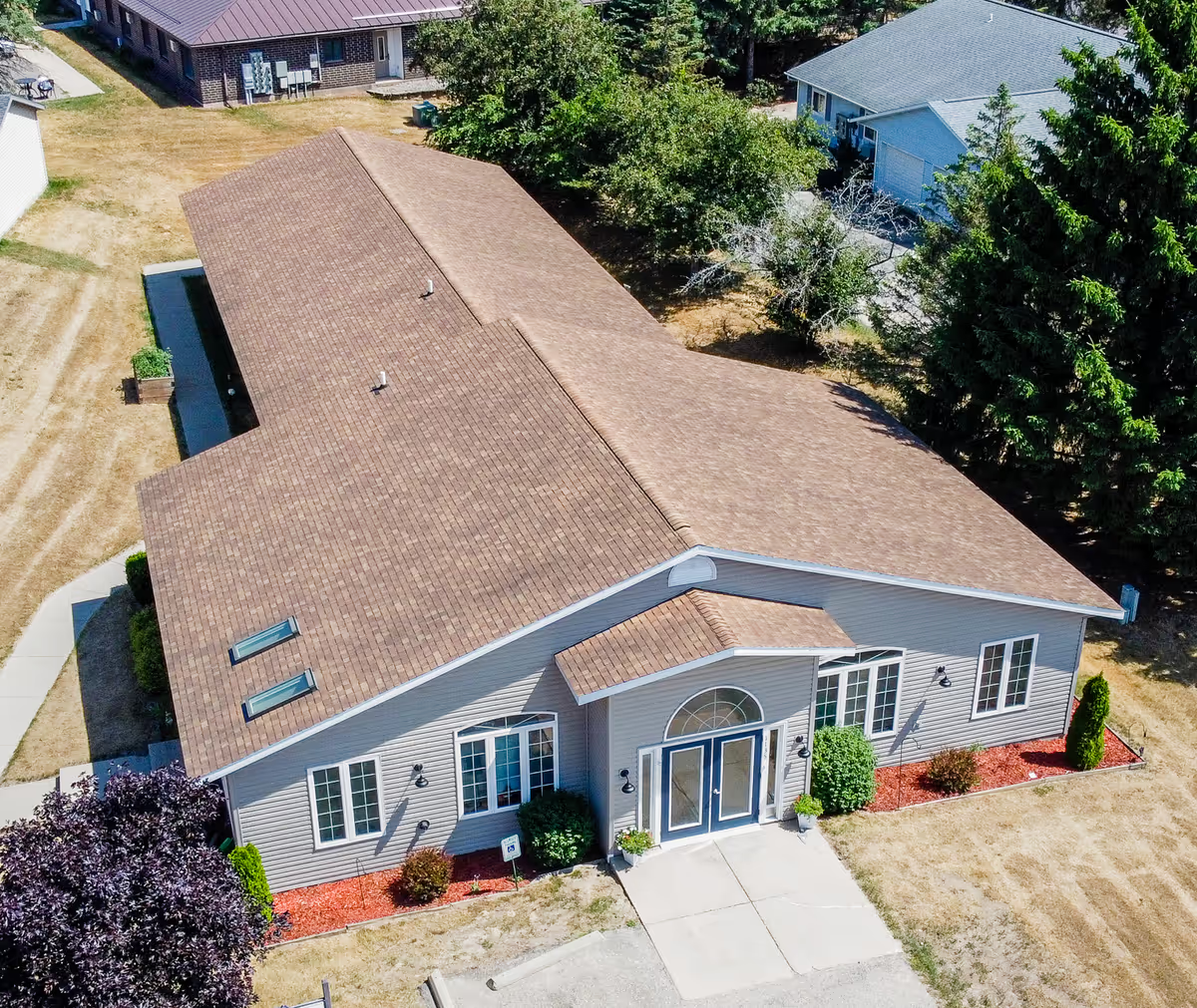
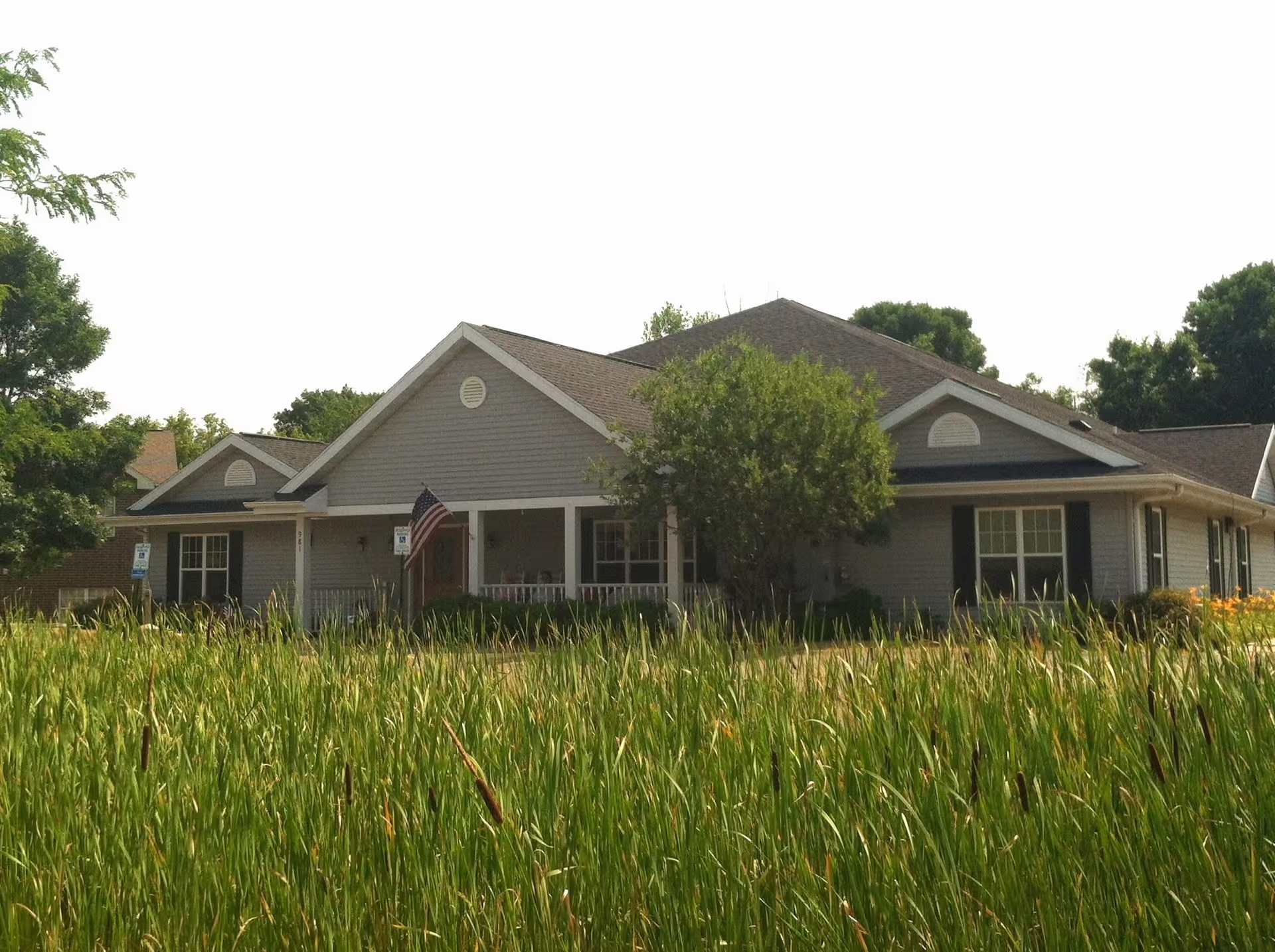
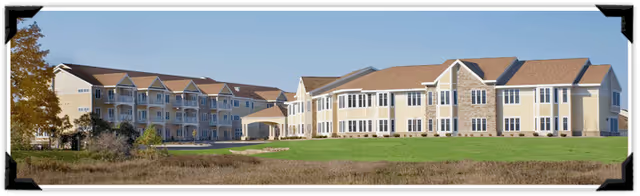
Schmitt Woodland Hills Retirement Community receives consistently positive comments on atmosphere, physical environment, and day-to-day services. Reviewers emphasize a clean, well-maintained campus with bright, spacious rooms and pleasant outdoor views. The facility is described as attractive and comfortable, with safe apartment features such as grab bars and nonslip mats and convenient proximity to a hospital and clinic. Transportation to medical appointments is available, which families view as a useful operational feature.
Staff and clinical services are a frequent strength in the feedback. Many families and residents describe staff as caring, courteous, and respectful; individual clinical staff and support workers are often singled out for helpfulness. The community offers a rehabilitation focus with effective walker training and home-visit planning to facilitate safer transitions home, and it provides a continuum of care spanning independent living, assisted living, and skilled nursing. These elements suggest the facility has resources and programming to support recovery and ongoing clinical needs for many residents.
Daily life and programming are similarly well regarded. Reviewers report a broad activities schedule (bingo, cards, music and dance, and other social events) and generally positive dining experiences — hot meals with variety and choice are highlighted. Families also note strong communication in routine matters and express satisfaction with the overall attentiveness of caregiving staff.
Despite broadly favorable impressions, there are isolated but significant concerns that prospective families should probe. A small number of accounts describe shortcomings in how the facility handled a resident’s final care and family communication during that time; these raise questions about consistency in end-of-life coordination and responsiveness in critical situations. In operational terms this appears as variability in clinical responsiveness and family communication during acute events rather than a pervasive trend in day-to-day care.
Recommendations for prospective residents and families: during a visit, ask specifically about end-of-life care protocols, escalation procedures for acute events, staffing levels across shifts, and examples of how the facility communicates with families during clinical changes. Confirm rehabilitation and discharge-planning practices if recovery services are an important need. Overall, Schmitt Woodland Hills presents as a clean, well-run community with compassionate staff and a robust activity and dining program, but families seeking assurances around critical-event responsiveness should discuss those expectations with management before placement.