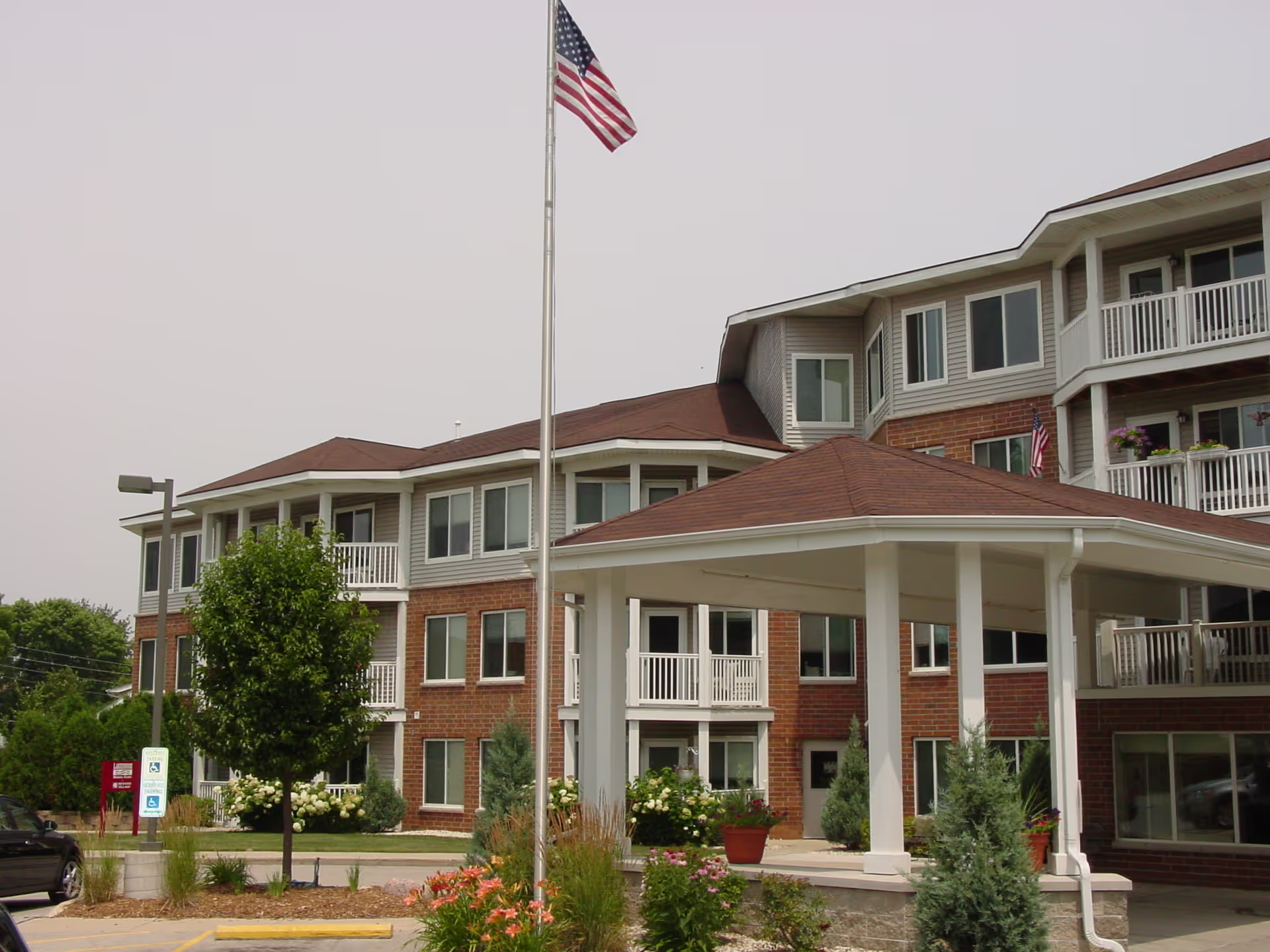
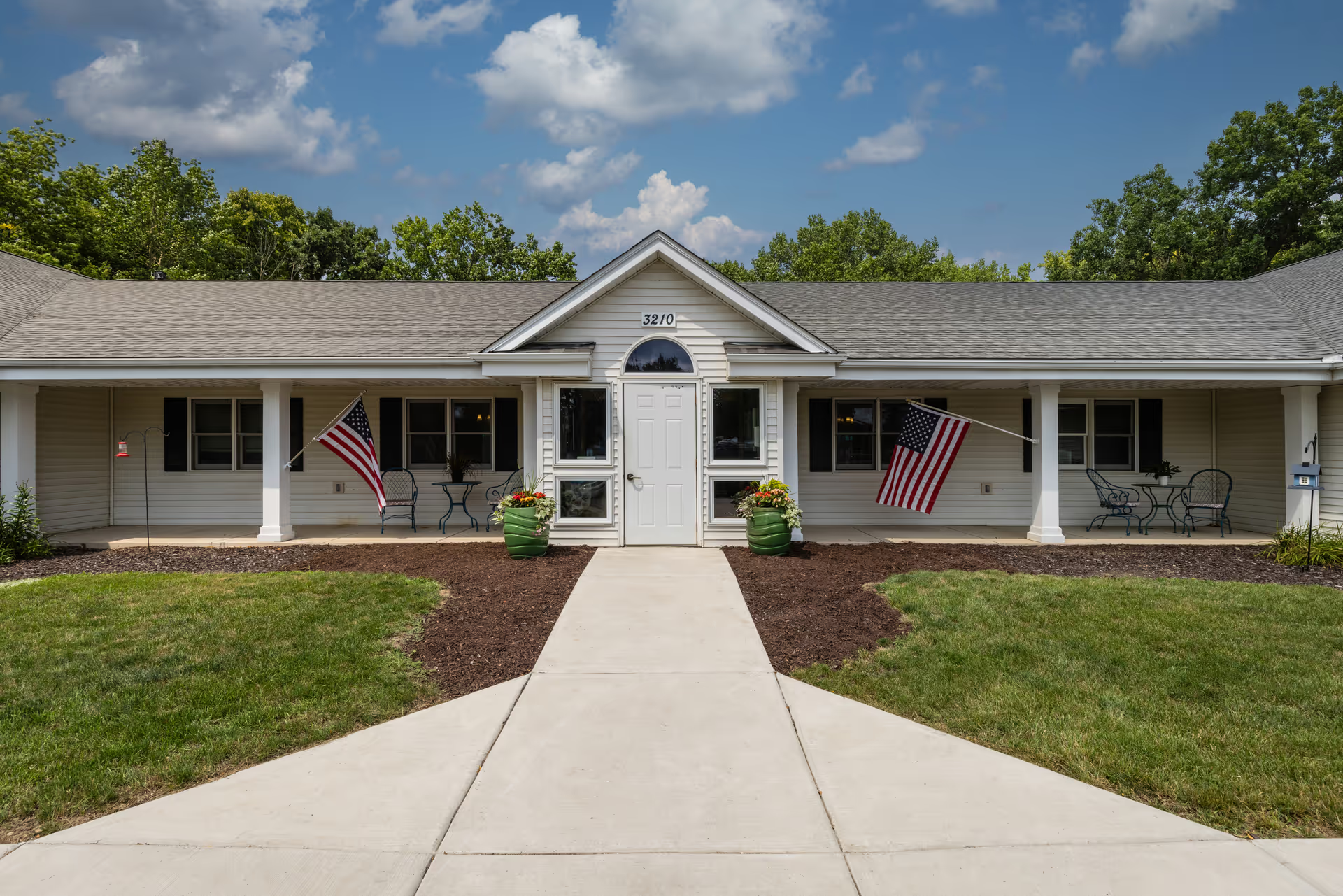
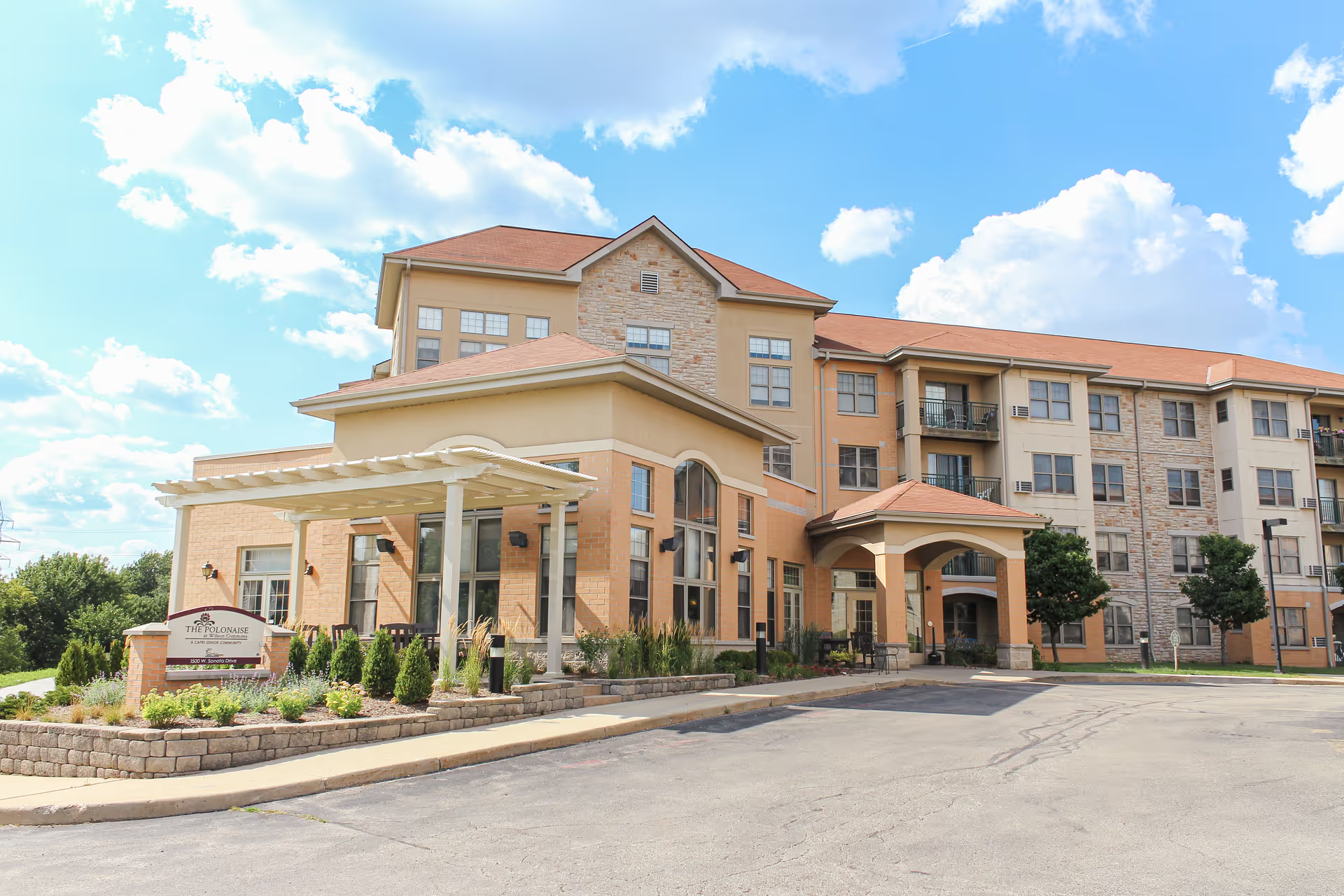
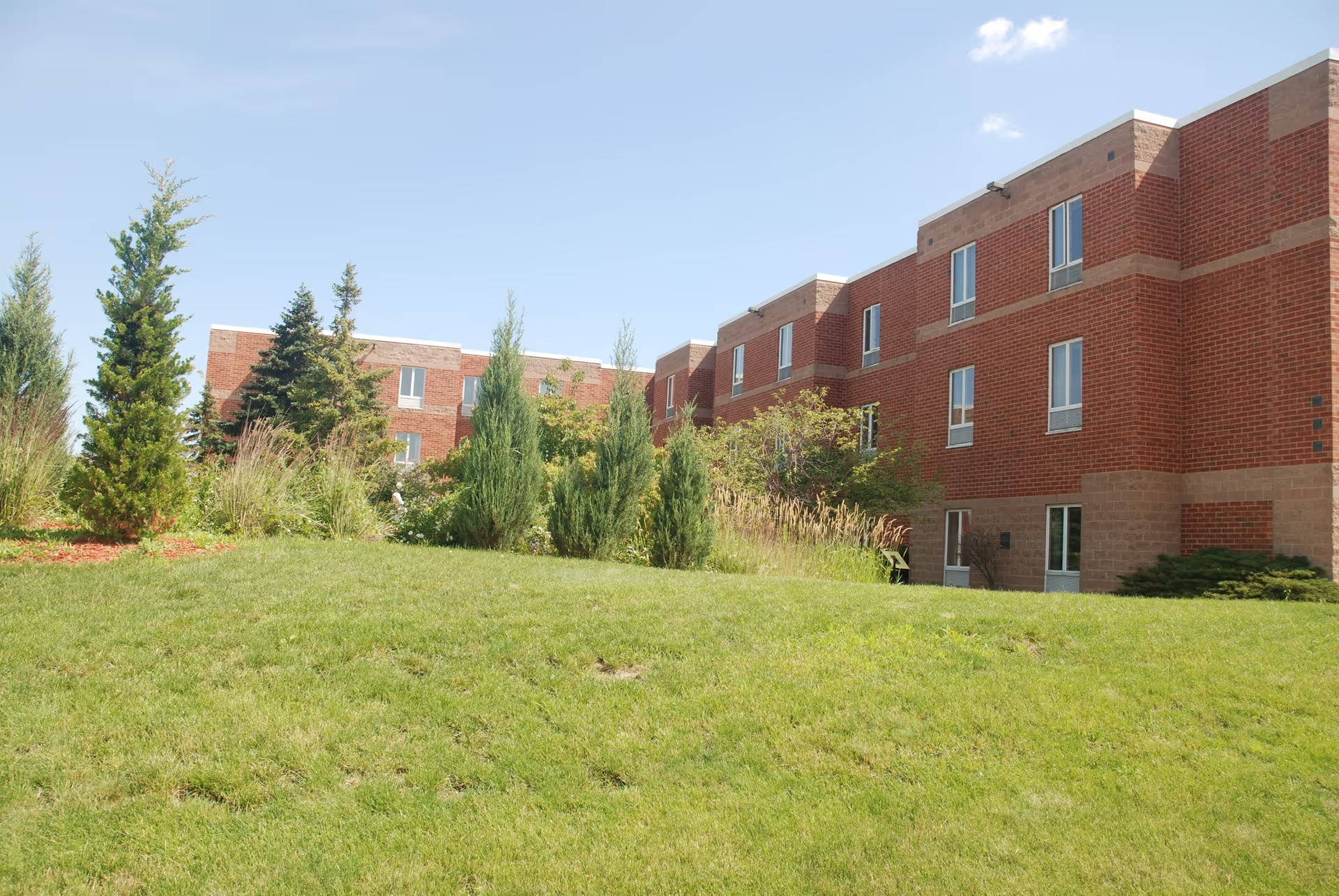
Thompson Meadows presents a mixed picture: many reviewers praise the physical environment, social amenities, and basic value proposition, while others describe operational and management shortcomings that could affect resident experience. The property is repeatedly described as clean, quiet, and well-maintained, with spacious, attractive apartments and reasonably priced units. Outdoor amenities such as private garden plots, a gazebo and pleasant landscaping, plus indoor shared spaces — game and activity rooms and a community room for family gatherings — are clear strengths for residents seeking a modest, active 55+ community.
Staff impressions are uneven. Several comments highlight helpful maintenance and leasing personnel and a warm, friendly manager who creates a welcoming atmosphere. These staff strengths appear to support day-to-day living and community activities. At the same time, reviews note limited staffing overall (often only a manager and a maintenance person), occasional slow responsiveness, and variability in professionalism. Management turnover and the presence of newer staff unfamiliar with processes were mentioned, contributing to inconsistent experiences across prospective and current residents.
Operational issues are a recurrent theme. Pest-control concerns and inconsistent remediation efforts were raised, including complaints that treatments were not applied consistently to all units and common areas. Reviewers also pointed to inconsistent lease and utilities administration — for example, conflicting information about utilities included in rent and disputes over charges — and at least some serious-sounding allegations about move-out handling and property disputes. Emergency readiness is another gap: power outages with limited emergency lighting and elevator reliability issues were described, suggesting weaknesses in backup systems and facility safety preparedness.
Community life and resident fit are areas to consider. Activities such as bingo, keno, Wii bowling, and other social programs are active and noted positively, but some reviewers described an intrusive peer culture, frequent monitoring of other residents, and a tendency toward tattling that can reduce privacy. Visitor and pet policies (small dogs and cats permitted; time-limited visitor-dog rules mentioned) appear to be a source of frustration for some residents when rules feel restrictive or inconsistently enforced. Prospective residents should assess whether the social dynamics and policy enforcement align with their expectations for privacy and independence.
Notably absent from reviews is consistent information about clinical care or formal dining services; this community appears oriented toward independent living with emphasis on housing, activities, and ground-level supports rather than medical or nursing services. For families and prospective residents, the most important considerations are the facility’s strengths in building upkeep, affordability, and social amenities, weighed against operational risks: pest-control practices, emergency preparedness, administrative consistency, and the variable quality of management and staff responsiveness. A site visit that asks specific questions about pest-control protocols, emergency power and lighting, staffing levels and turnover, and written policies for leases, utilities, visitors and pets is recommended before committing.