Wellington Place at Whiting is described most often as a small, homey assisted living community with a strong, family-like staff culture. Many families and residents highlight compassionate, attentive caregivers, low staff turnover, and visible teamwork; these characteristics underpin a generalized sense of safety and continuity. Clinical competence is noted in areas such as catheter care, emergency response, and successful mobility support following falls, and several accounts reference supportive hospice and transition services for residents approaching end of life.
Dining and programming are frequent strengths. Reviewers consistently praise home-cooked meals served in a bright dining room, and the activity calendar includes holiday gatherings, themed parties, live entertainment, and a variety of social options that promote engagement and socialization. The small community size and multiple common spaces — including a library, beauty salon, chapel, indoor garden, and outdoor patio with pond or river views — reinforce a residential, non-institutional atmosphere that many families find welcoming.
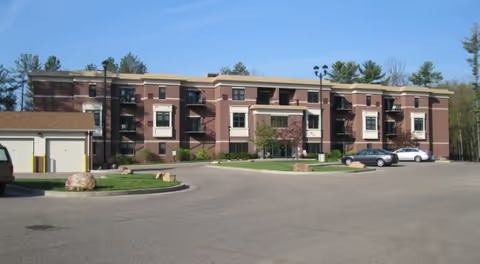
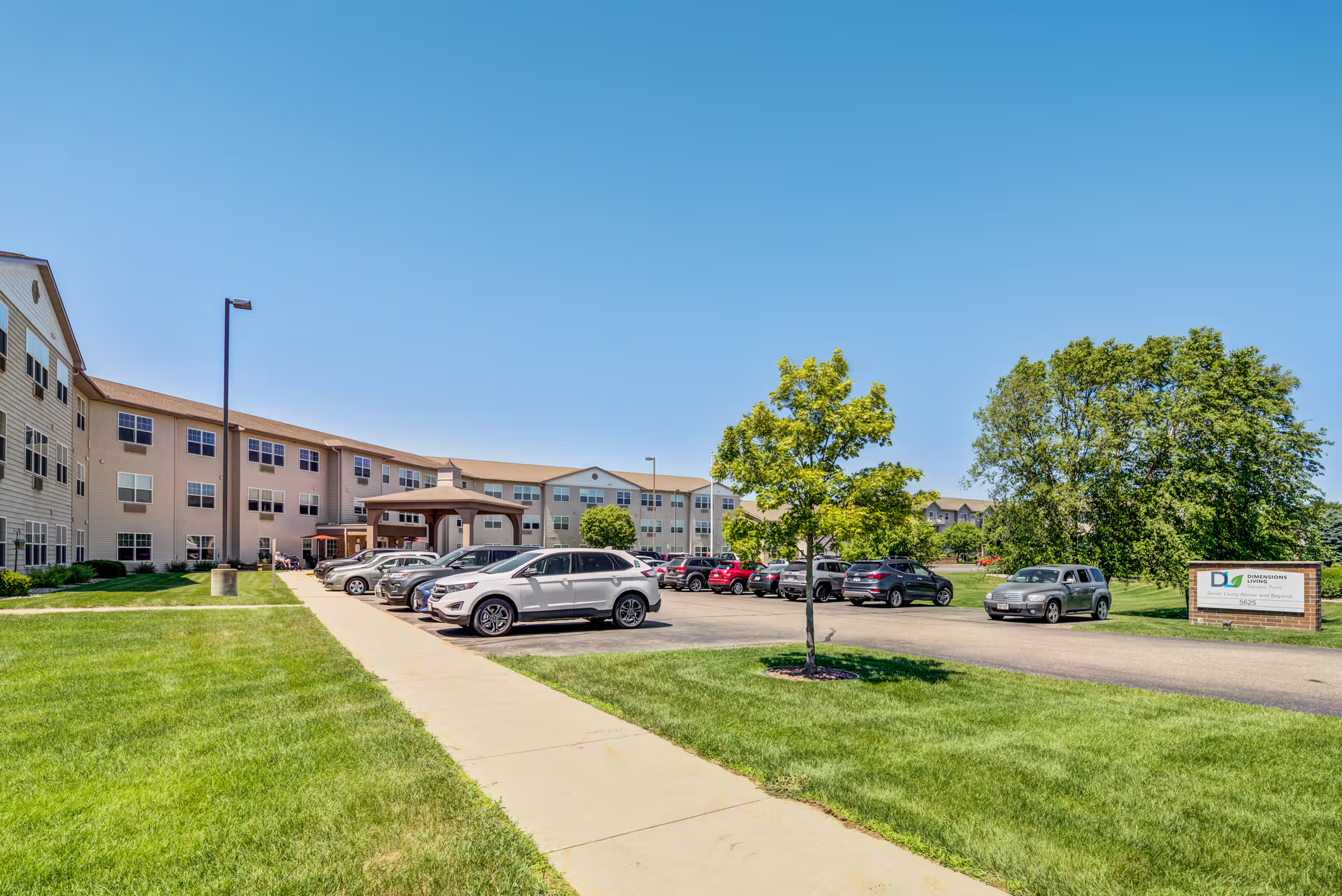
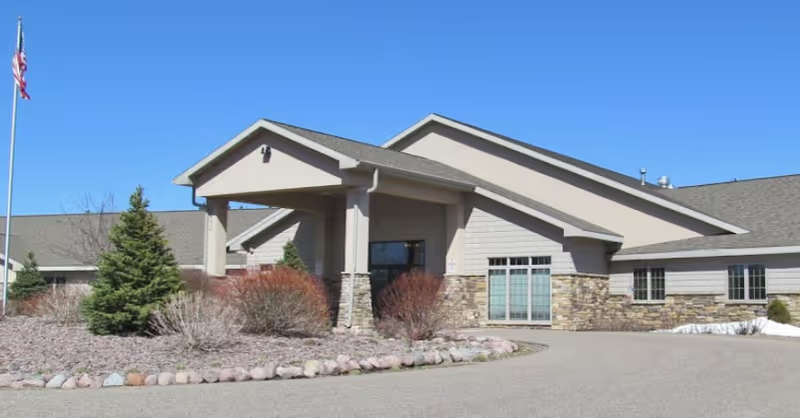
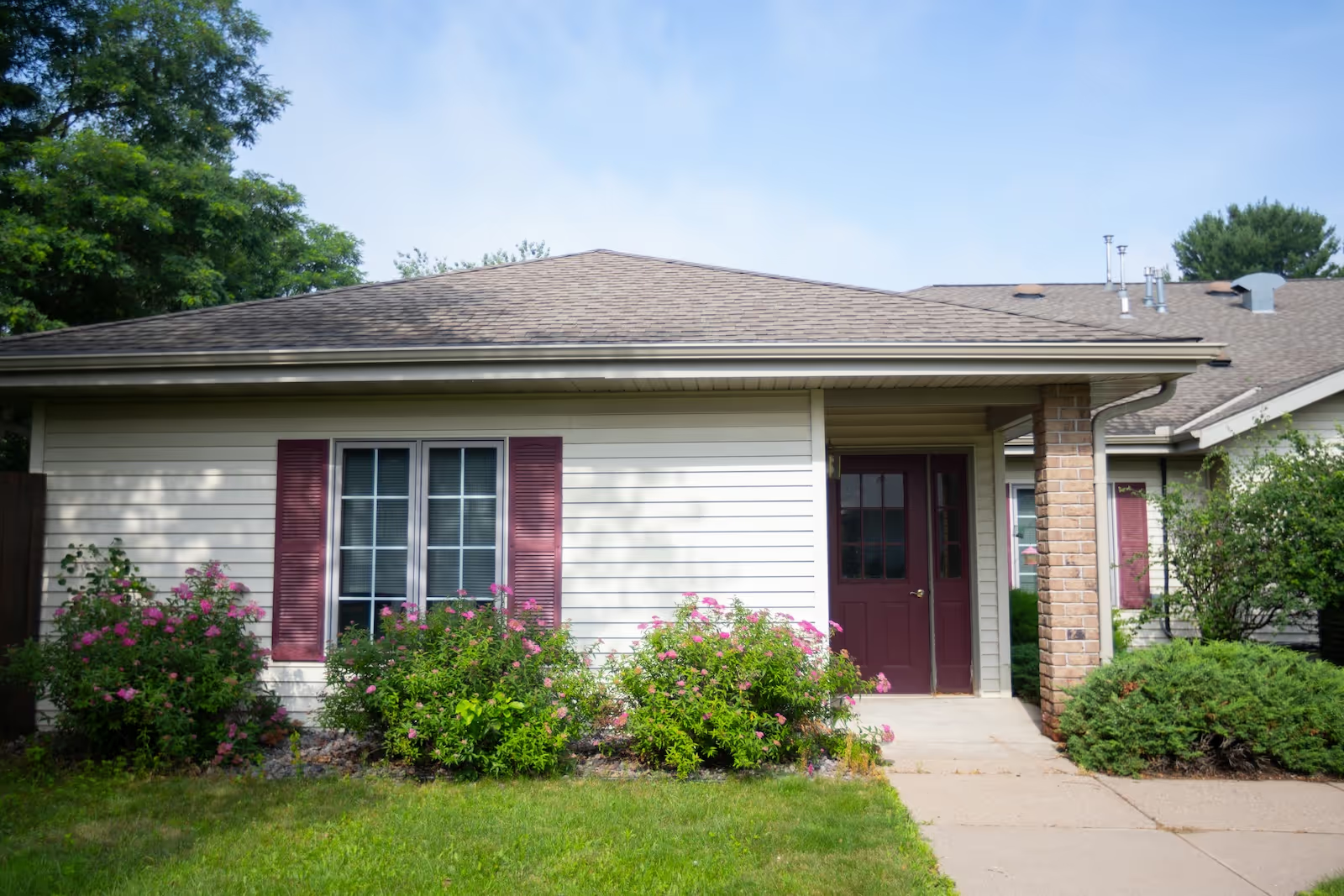
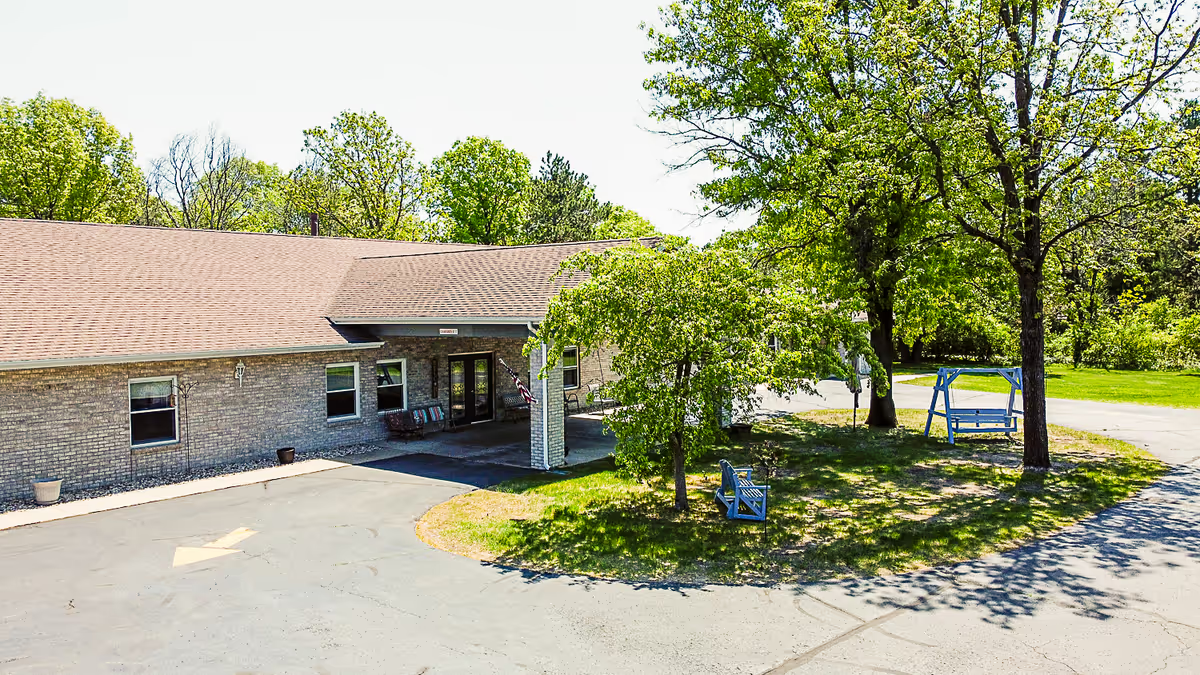
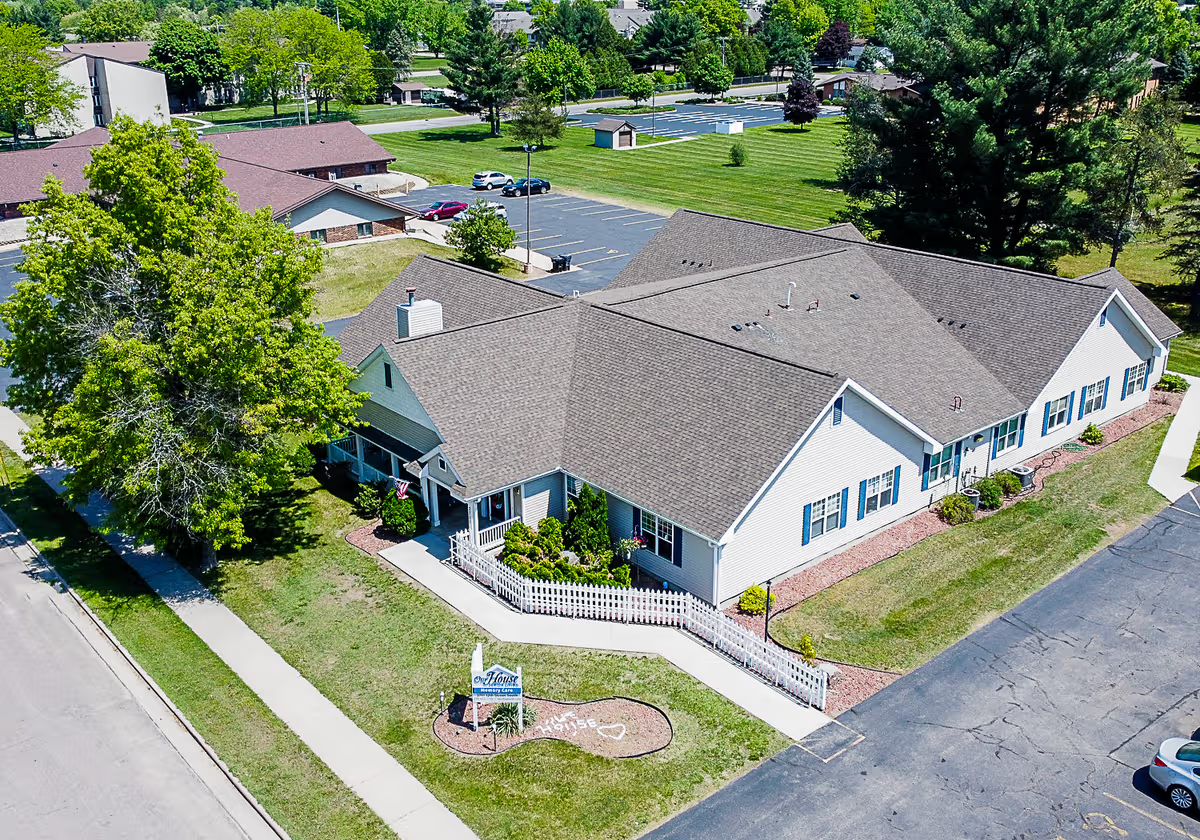
Facility condition and accessibility show a mixed picture. Grounds and public areas are generally described as pleasant and well-maintained, but the building includes older sections and some accessibility limitations: bathroom and shower layouts may not meet all mobility needs and some units lack adequate grab-bar placement or low-threshold shower access. A small number of reviews cite sanitation and odor concerns in common hallways, indicating intermittent maintenance and housekeeping gaps in specific areas.
Management and communication present inconsistent patterns. Several families commend clear, compassionate communication and helpful admissions or care-coordinator support during transitions, while others cite unreturned phone calls, unanswered emails, and delays or lack of clarity during the admissions process. These communication lapses sometimes coincide with concerns about the timeliness of clinical issue identification and follow-up, suggesting gaps in family notification and clinical-incident response processes.
Overall, Wellington Place at Whiting appears to offer a supportive, socially active environment with many strengths in caregiving, meals, and community life. Prospective residents and families should weigh those positives against the facility-level operational issues noted above — particularly in admissions communication, consistency of clinical responsiveness, bathroom accessibility, and intermittent housekeeping concerns — and visit the property to assess individual apartment accessibility and to discuss family communication expectations and care protocols with leadership before making a placement decision.