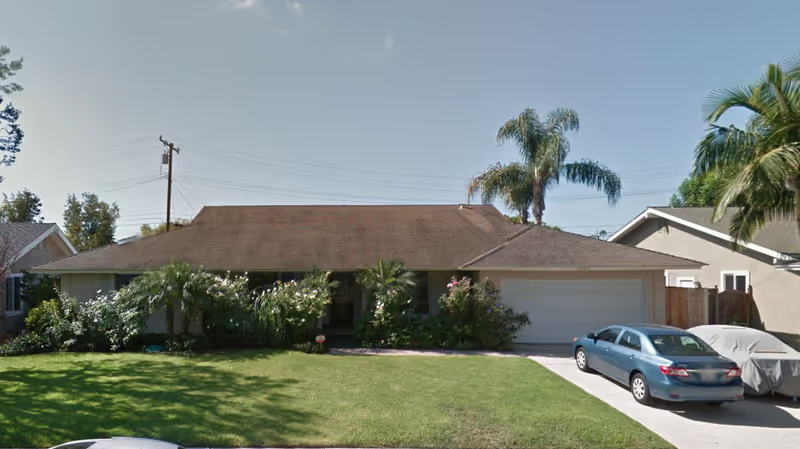
The Seraphim is presented in these summaries as a small, home-like residential setting with a strong emphasis on personalized, respectful care. Reviewers consistently highlight compassionate and attentive staff, close family-style interactions, and a high level of cleanliness and grooming. Several accounts describe long-term residency with evident resident satisfaction and positive social integration — residents becoming friends and participating in regular activities.
Staffing and clinical oversight are portrayed as strengths: families praised proactive communication, staff advocacy, and attentive medical attention. Management involvement is notable — an engaged administrator and owner who participates directly in daily life (including preparing fresh meals) contribute to a hands-on culture. That engagement appears to support individualized care plans and a dignified approach to residents’ needs.
Dining and activities receive positive mention. Owner-prepared, fresh meals are described, and the program includes daily walks and structured social opportunities such as weekend poker for veterans. These routines support physical activity and social engagement, which reviewers associated with residents’ wellbeing and contentment.
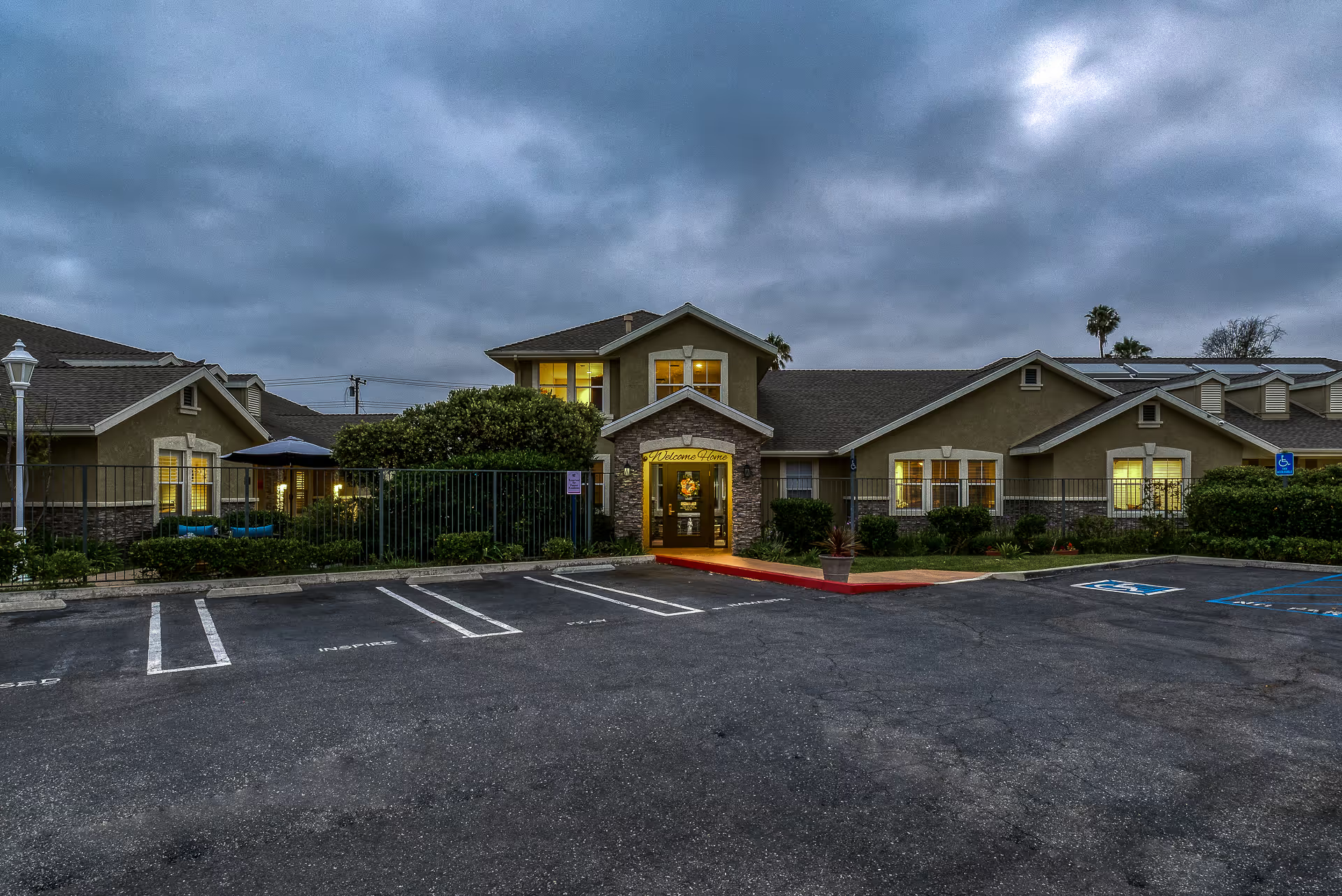
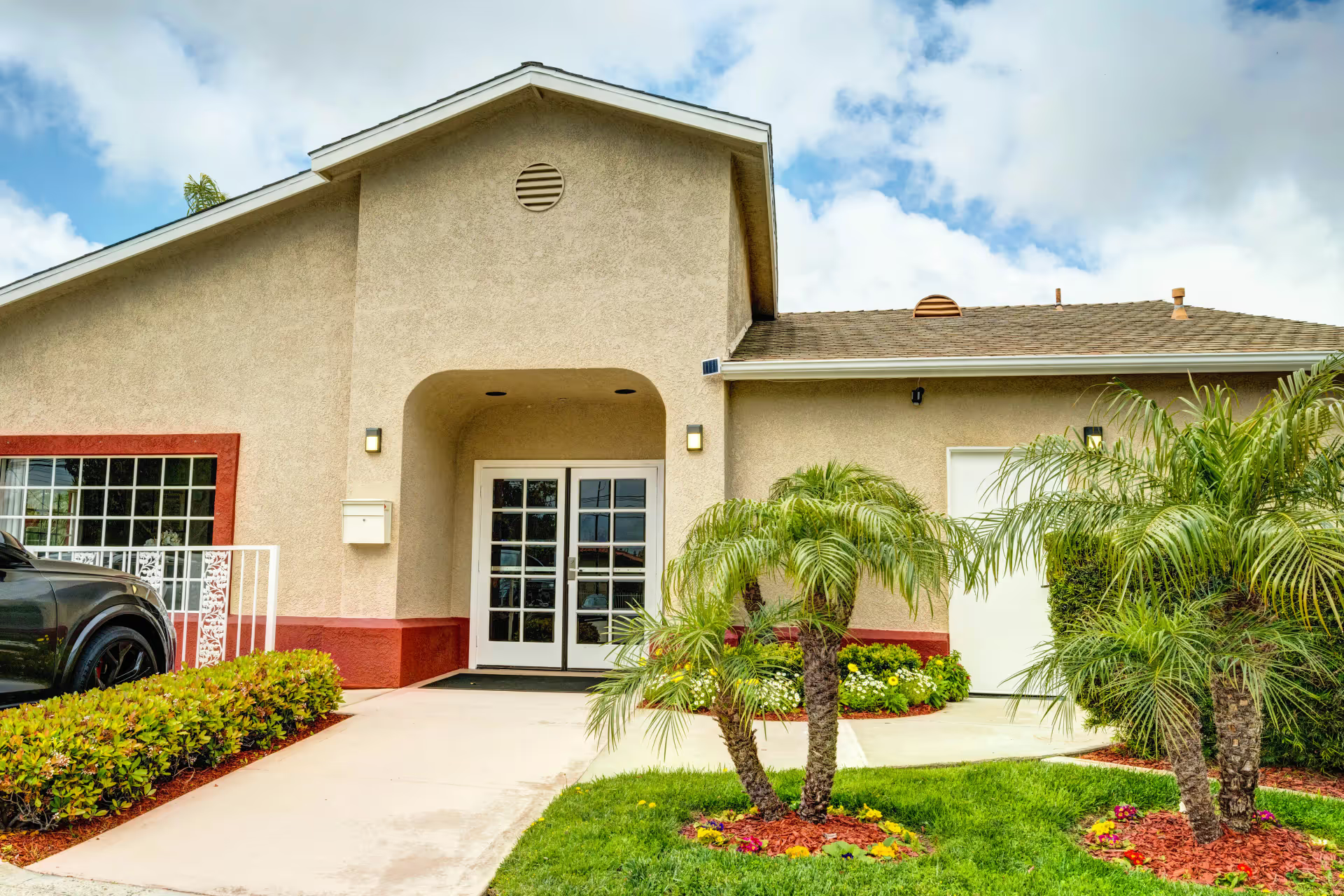
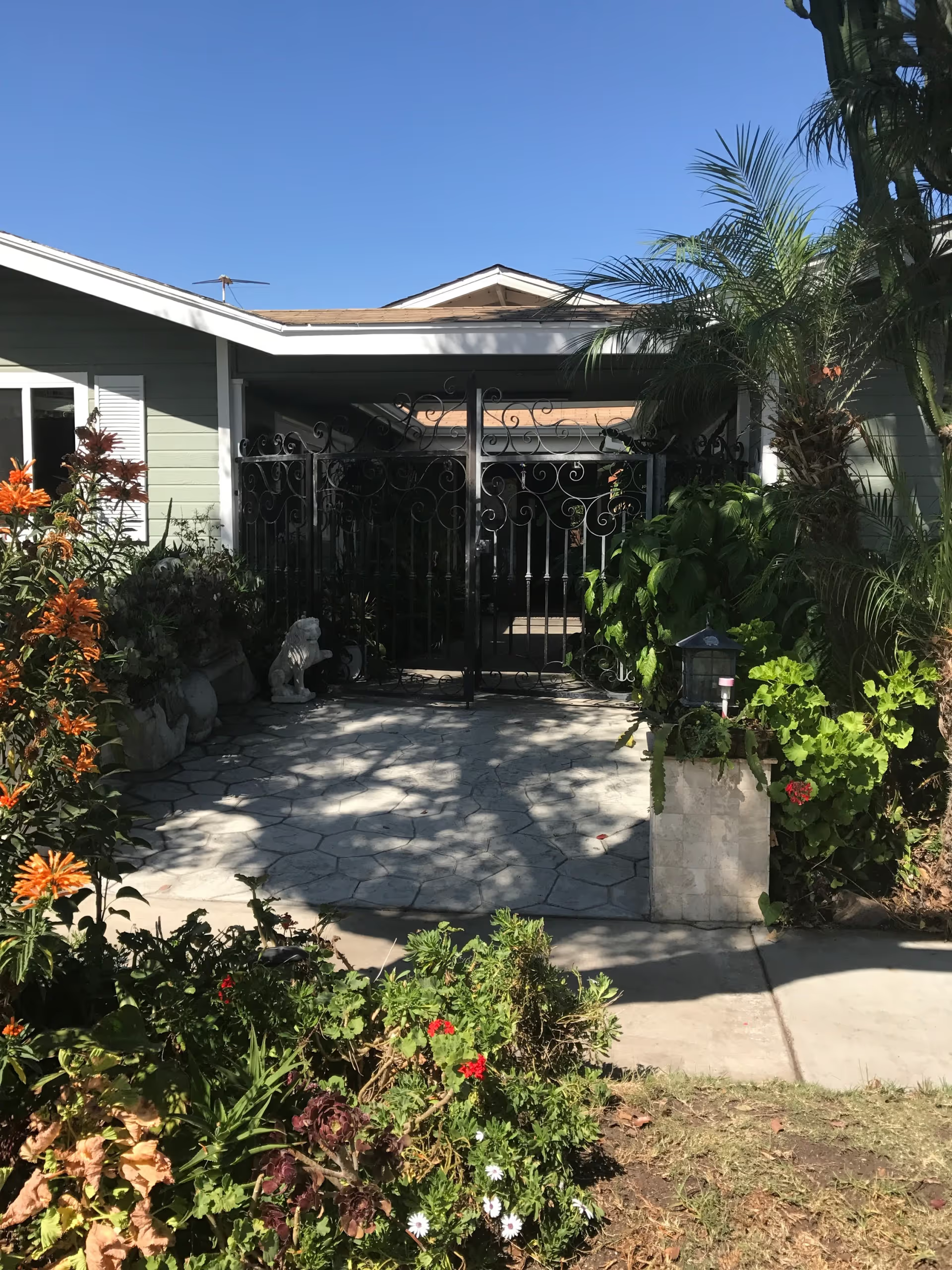
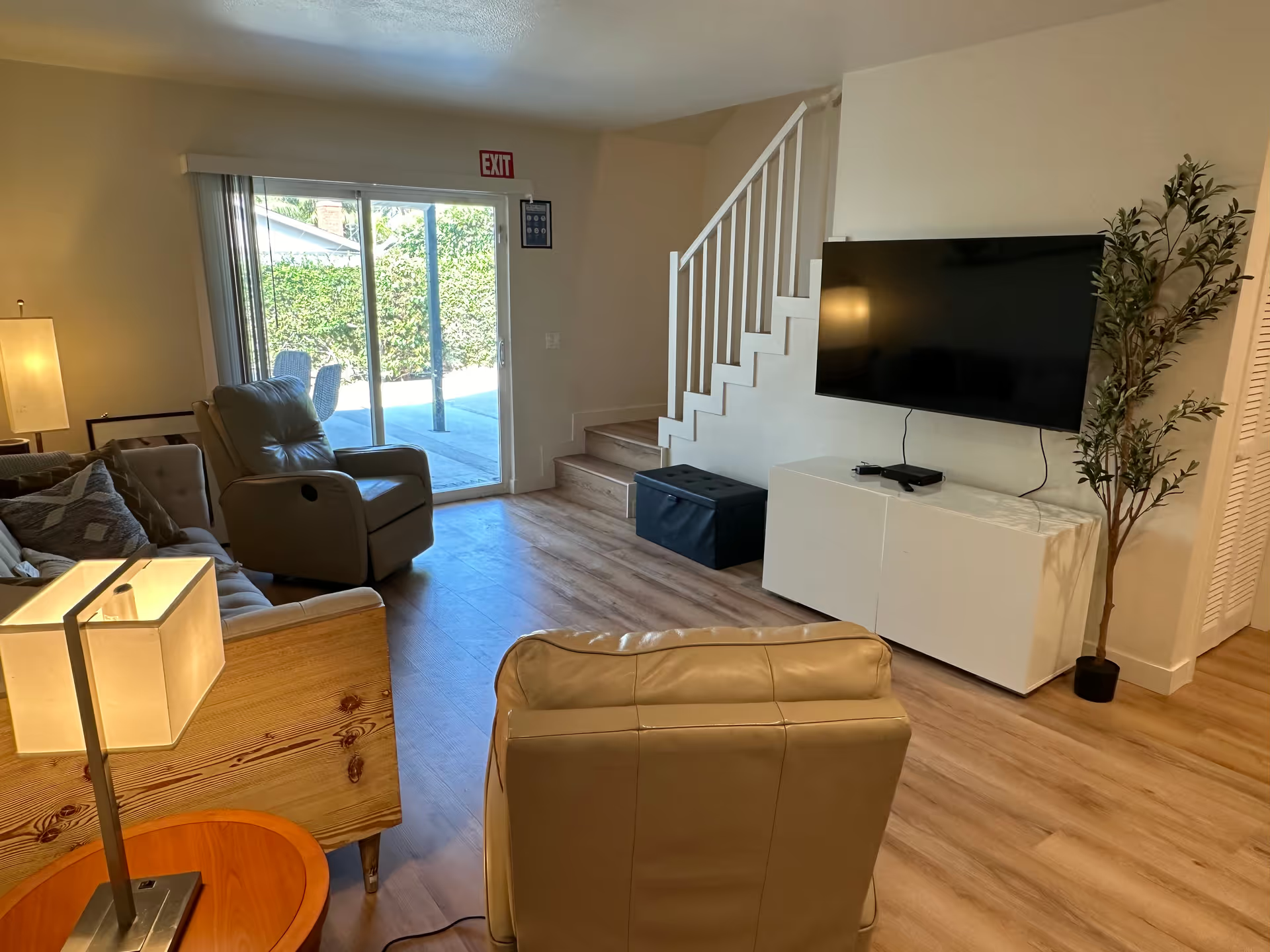
Facilities are characterized as well-maintained and clean, reinforcing the home-like atmosphere. At the same time, summaries indicate operational limits related to mobility support: the facility does not appear to have mechanical lift equipment (for example, a Hoyer-style lift) and relies on two-person transfer protocols. This suggests a potential gap in capacity for residents who require mechanical lifts or higher-acuity mobility assistance. Prospective families should confirm the facility’s transfer equipment, staffing ratios for transfers, and care plans for residents with significant mobility needs.
Overall, The Seraphim is depicted as a tightly run, family-oriented residence that delivers personalized attention, strong communication, and meaningful social programming. It appears well suited to residents who benefit from a small, engaged environment and do not require advanced mechanical transfer equipment. Families considering placement should verify specific transfer and high-acuity care capabilities during their tour and care-planning discussions.