The reviews indicate mixed experiences at Castlewood Personal Care Home. Families praise administrative staff for practical support during placement: staff assisted with move-in logistics and arranged medical appointments. That responsiveness during the transition process is a notable operational strength and may ease initial placement for some residents.
Care-quality signals are uneven. Positive comments focus on administrative coordination rather than on sustained clinical care. Reviewers expressed concerns about delays in obtaining higher-acuity care when needed; this suggests gaps in the facility’s escalation pathways and coordination with hospitals. Combined with indications of insufficient staffing, these patterns point to potential variability in timely clinical response and hands-on care coverage.
Staffing and staff conduct are recurring themes. Several notes describe limited staffing levels and an absence of regular activities programming, which can reduce opportunities for engagement and social stimulation. There are also concerns about the tone of staff–resident interactions; reviewers described episodes that reflect communication issues and inconsistent conduct. These items suggest the facility may need clearer behavioral and communication expectations, along with improved staff training and oversight.
Dining and food-service quality were not specifically addressed in the available feedback, so no definitive assessment can be made in that domain. Activities programming, by contrast, is explicitly described as minimal or absent; prospective families should verify the current activity schedule and enrichment offerings directly with management.
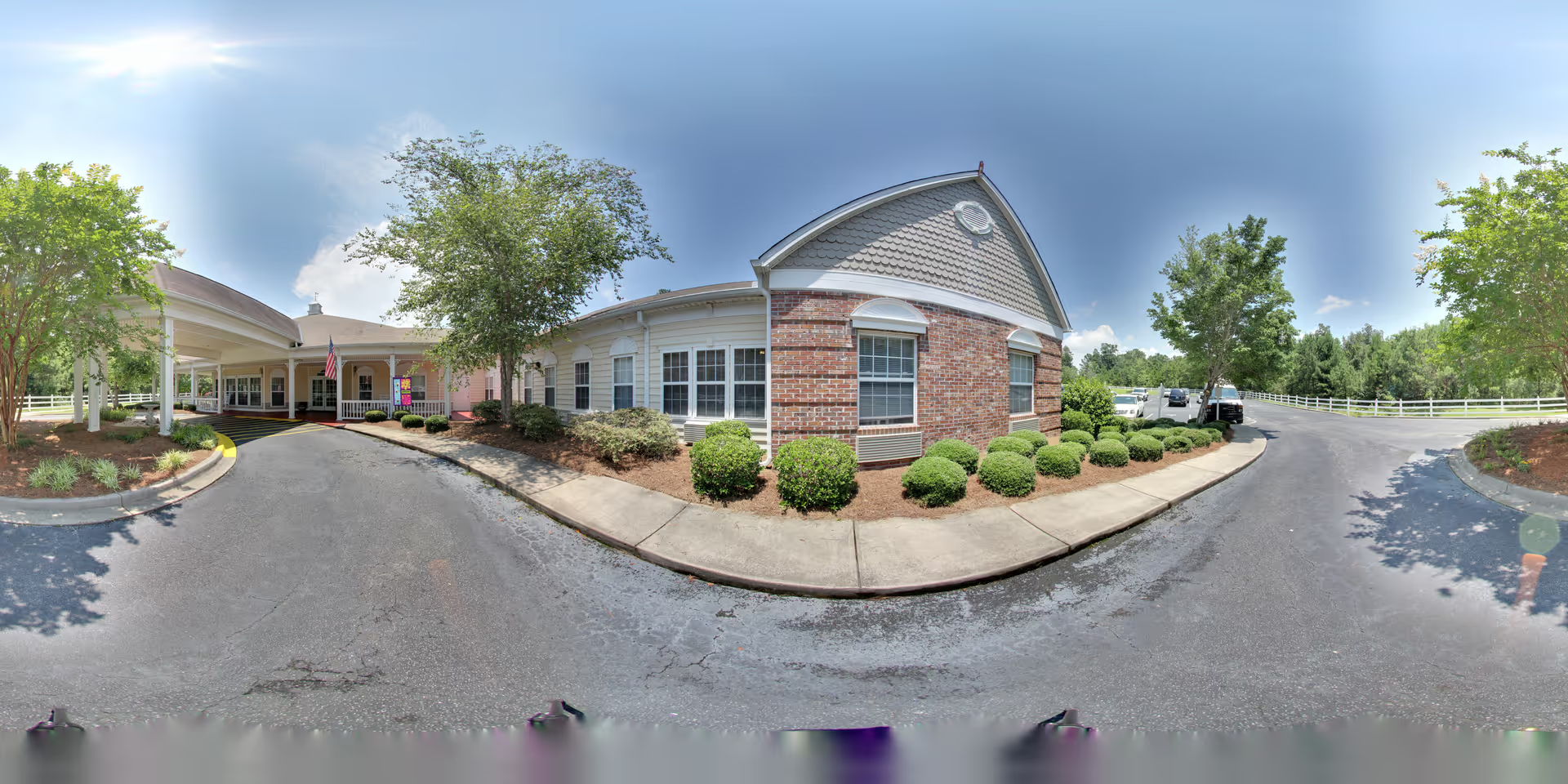
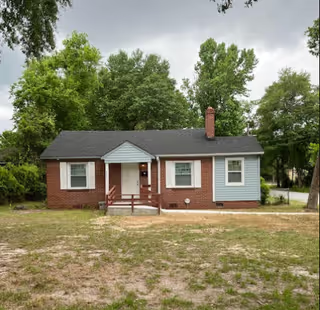
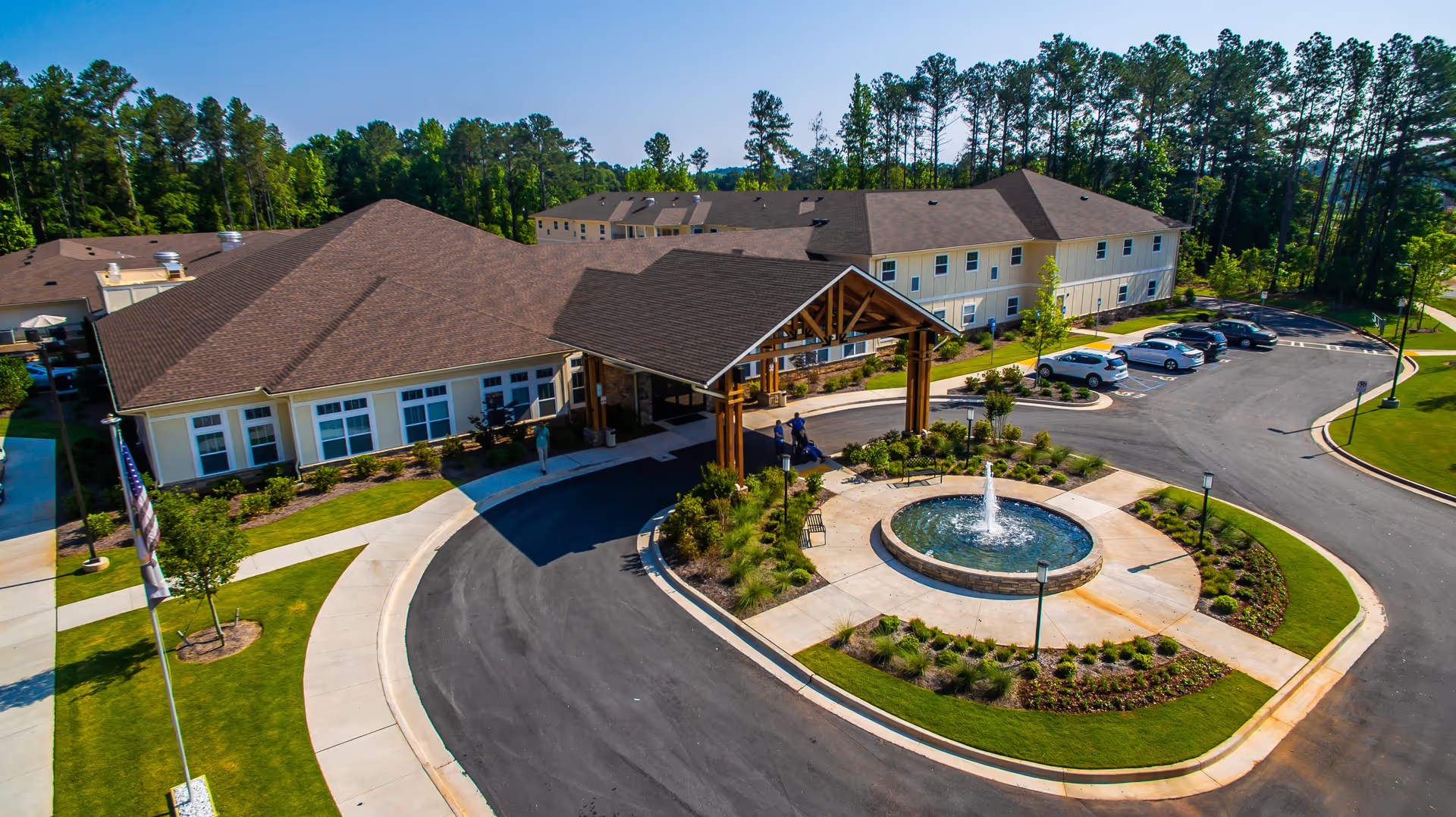
Physical facility and readiness for new residents drew criticism in a few accounts: reviewers described instances where the home was not prepared for arrival or where the environment did not match resident preferences. While management has demonstrated an ability to coordinate appointments and assist with logistics, there are simultaneous reports of broken promises and inconsistent operational follow-through that can erode family trust.
Notable patterns suggest a facility that can provide helpful administrative support during placement but may struggle with day-to-day staffing, programming, and escalation processes. Prospective residents and their families should ask targeted questions about current staffing ratios, overnight coverage, clinical escalation procedures for acute changes, activity schedules, and examples of how the facility addresses communication or conduct concerns when they arise. Visiting in person during different times of day and speaking with current families or the director about recent improvements will provide additional context for decision-making.