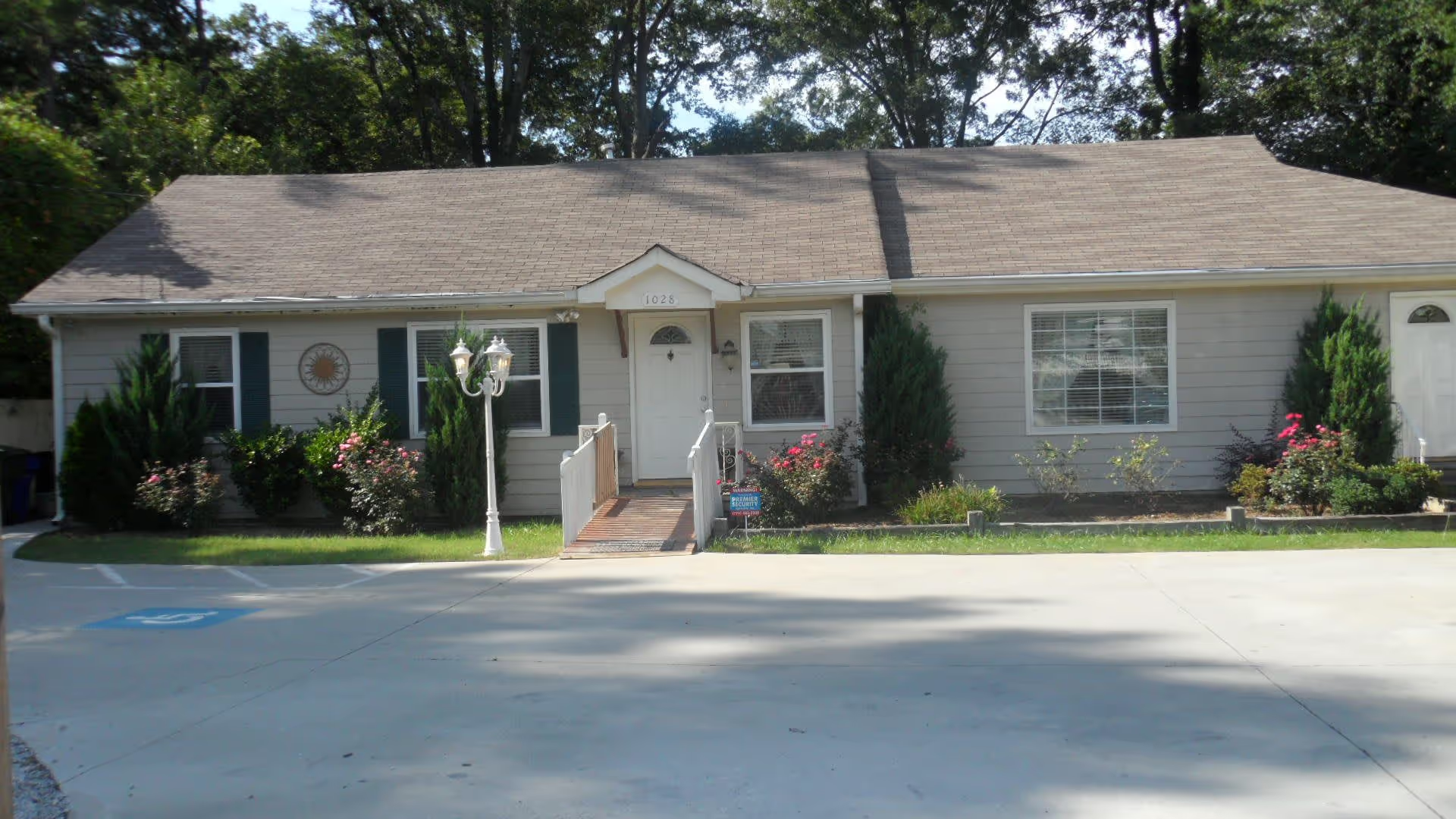
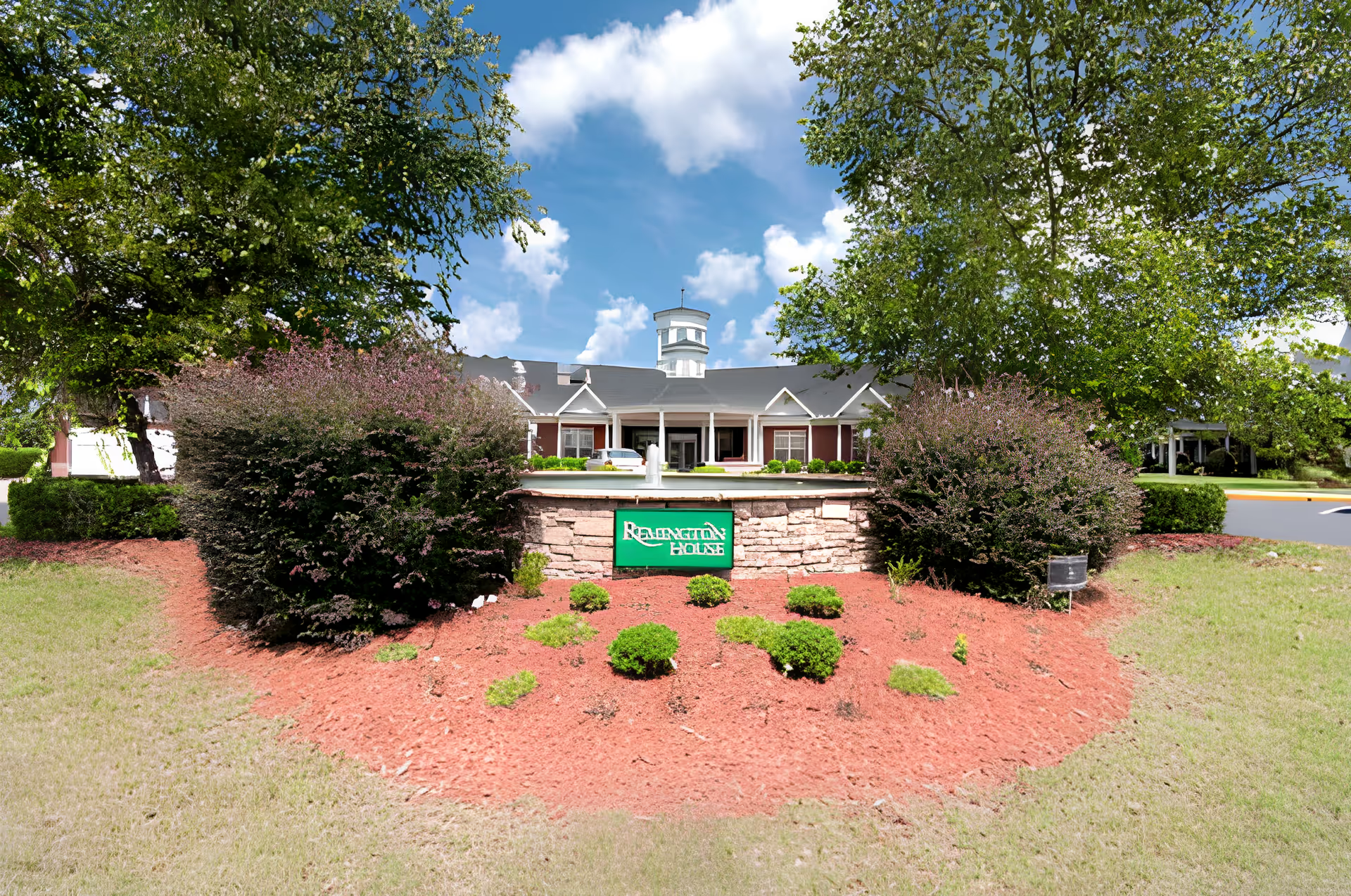
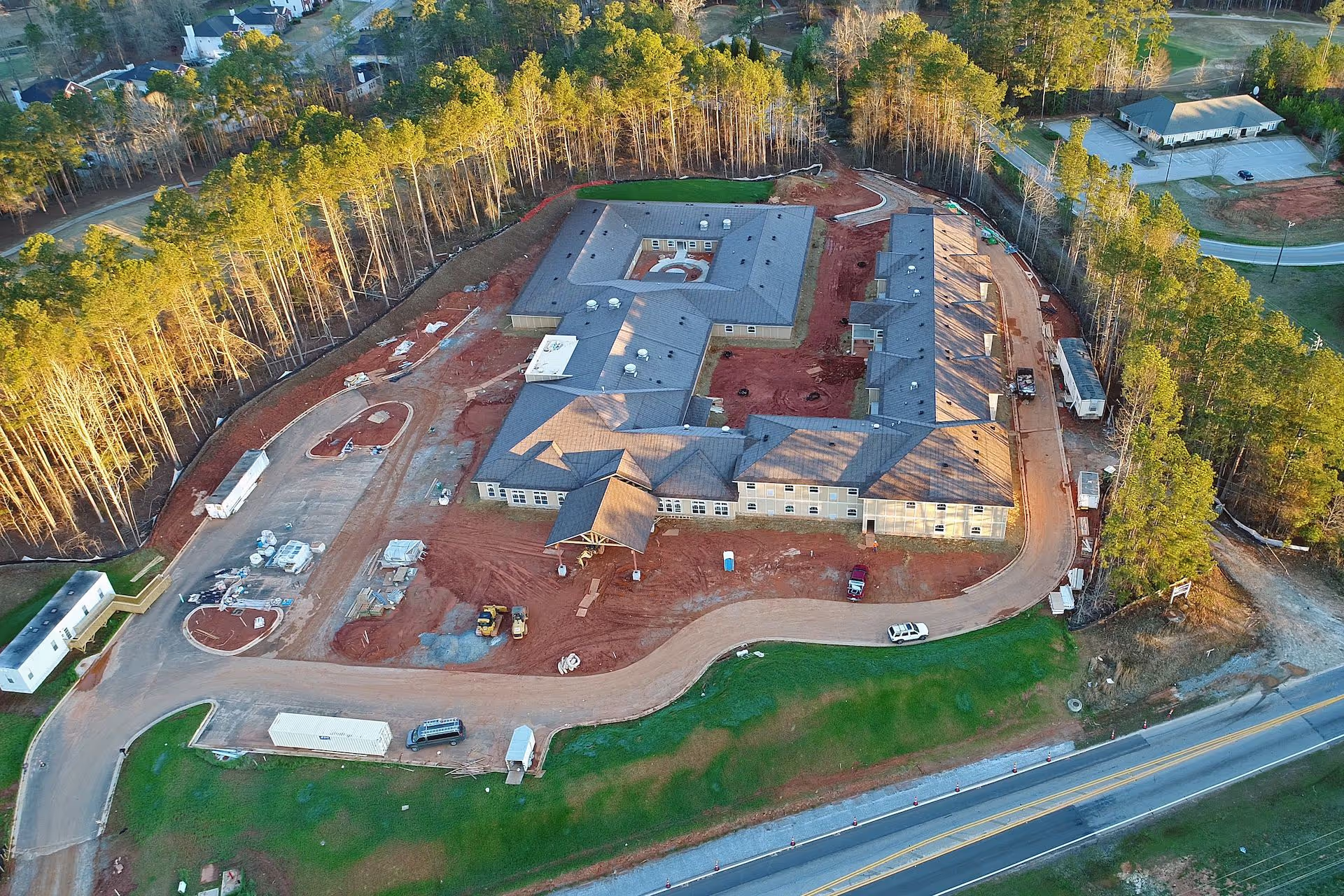
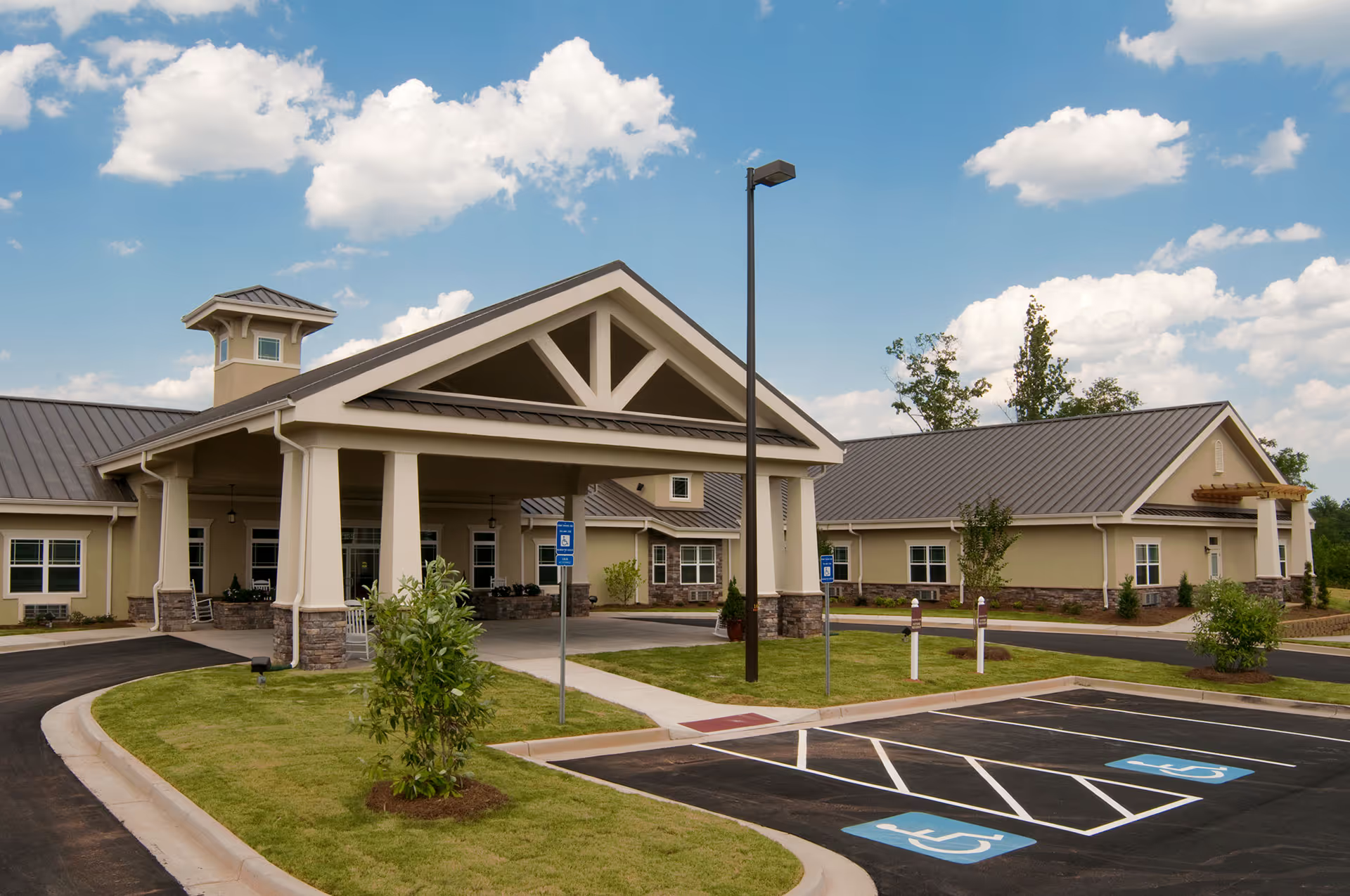
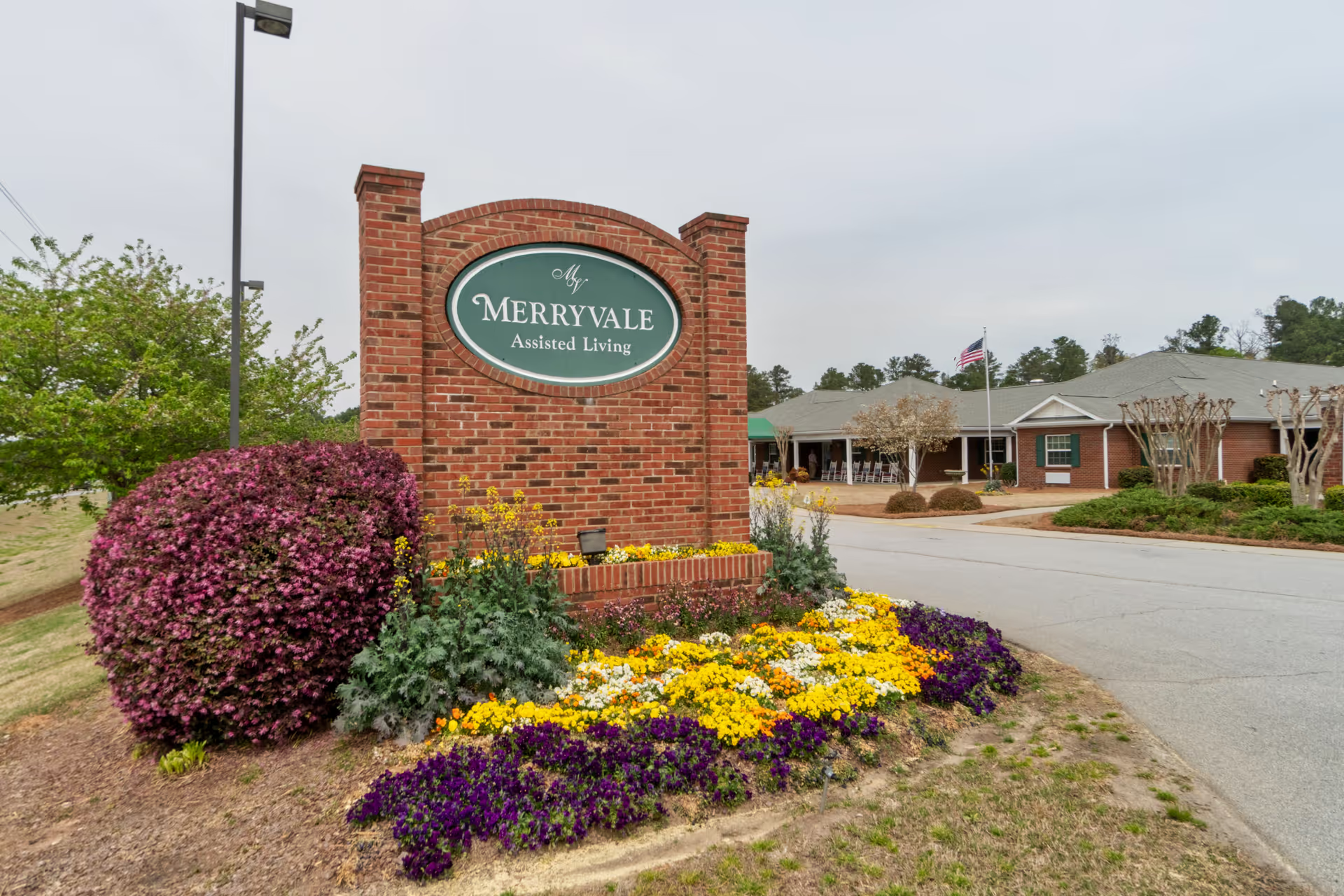
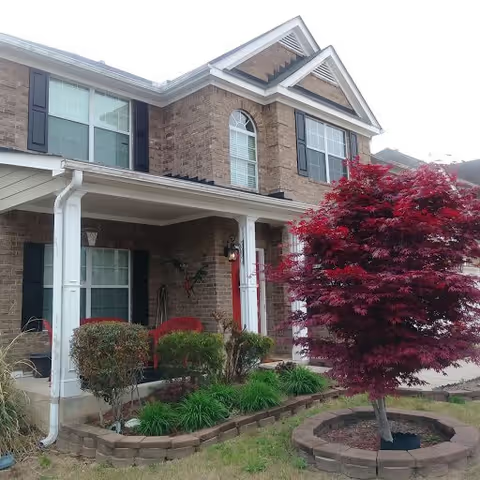
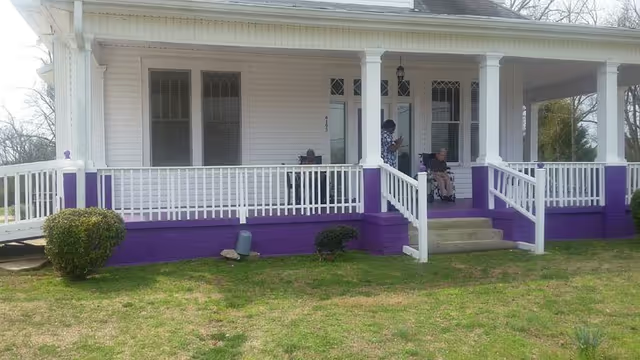
Overview: The facility presents a generally positive physical impression: visitors described a clean, well-maintained interior and an attractive presentation during tours. These aspects may appeal to families prioritizing environment and curb appeal. However, qualitative concerns about operations and care appropriateness temper the favorable first impression.
Care and staff: Review information indicates cleanliness and an orderly appearance, but also raises questions about the facility's ability to meet higher-acuity needs. There are explicit concerns that the setting may not be prepared to manage residents with Alzheimer's disease or advanced dementia; this suggests potential gaps in staff dementia training, specialized programming, or staffing patterns suitable for memory-care challenges. Separately, reviewers described problematic interactions with management characterized by a confrontational communication tone; this points to a possible disconnect between family expectations and staff/management communication practices.
Dining and activities: Review excerpts contain little specific information about dining quality, menu variety, or the breadth and frequency of activities. Prospective families should request details on meal planning, dietary accommodations, and activity calendars, and observe meal service and programming during a visit to determine fit, particularly for residents who require memory-support programs or structured engagement.
Facilities and management: Physically the facility appears well kept, but operational concerns center on management conduct and transparency. One review raised an allegation that staff were asked to misstate fee information; coupled with reports of abrasive communication, this suggests families should closely review financial disclosures and contract language. The noted lack of diversity may affect community composition and cultural fit for some families.
Notable patterns and recommendations: The pattern in the feedback is a contrast between a clean, attractive facility and operational or programmatic weaknesses that could affect residents with dementia and families seeking clear, respectful communication and transparent billing. Before making a placement decision, families should: verify dementia-specific training and staffing ratios; request written fee schedules and billing policies; observe staff–family interactions during an unannounced visit if possible; ask for sample care plans for memory-care residents; and review state inspection reports or licensure history. These steps can help determine whether the facility's strengths align with an individual resident's clinical and social needs.