Across the collected reviewer summaries, Fox Den Homes Bannock House is characterized primarily as a small, home-like memory-care provider with a strong emphasis on personalized attention. Families repeatedly described staff as compassionate, attentive, and accessible; management and administrators are portrayed as responsive and communicative. The facility’s low resident-to-staff ratio is highlighted as a key strength that supports close supervision, individualized care plans, and a generally safe environment for residents with dementia or higher-acuity needs.
Clinical and caregiving elements receive consistently positive mentions. Medication administration is described as proactive and well monitored, and care teams are noted for encouraging eating and maintaining personal grooming and cleanliness. Reviewers emphasized that the setting feels residential rather than institutional, which many families found reassuring for loved ones who require memory support. Several comments framed the home as a place where residents smile and interact positively with staff and peers.
Dining and daily living support are generally viewed favorably. Meals are described as appealing in presentation, with staff assistance available when needed; families noted that loved ones eat well and that efforts are made to encourage intake. That said, operational limits are evident in meal-service staffing at peak times, particularly lunchtime, which can constrain continuity of service during those periods.
Activity programming includes structured groups, exercise classes, and opportunities for outdoor time in landscaped seating areas. The small scale of the facility supports tailored interactions but also limits the breadth of programming and the variety of social contacts available. Reviewers specifically indicated that residents with advanced dementia may have limited ability to participate in some activities, suggesting a need for more specialized engagement strategies for higher-need residents.
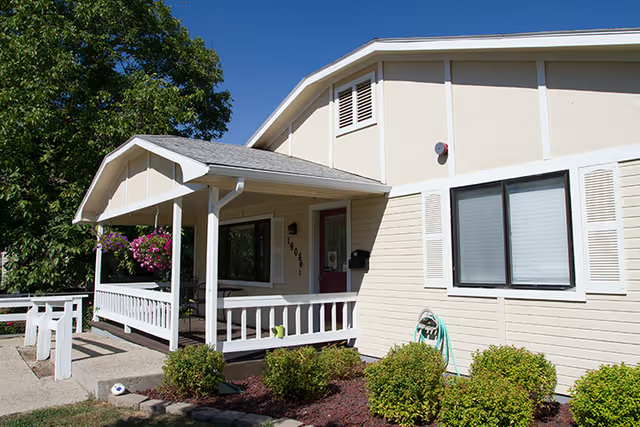
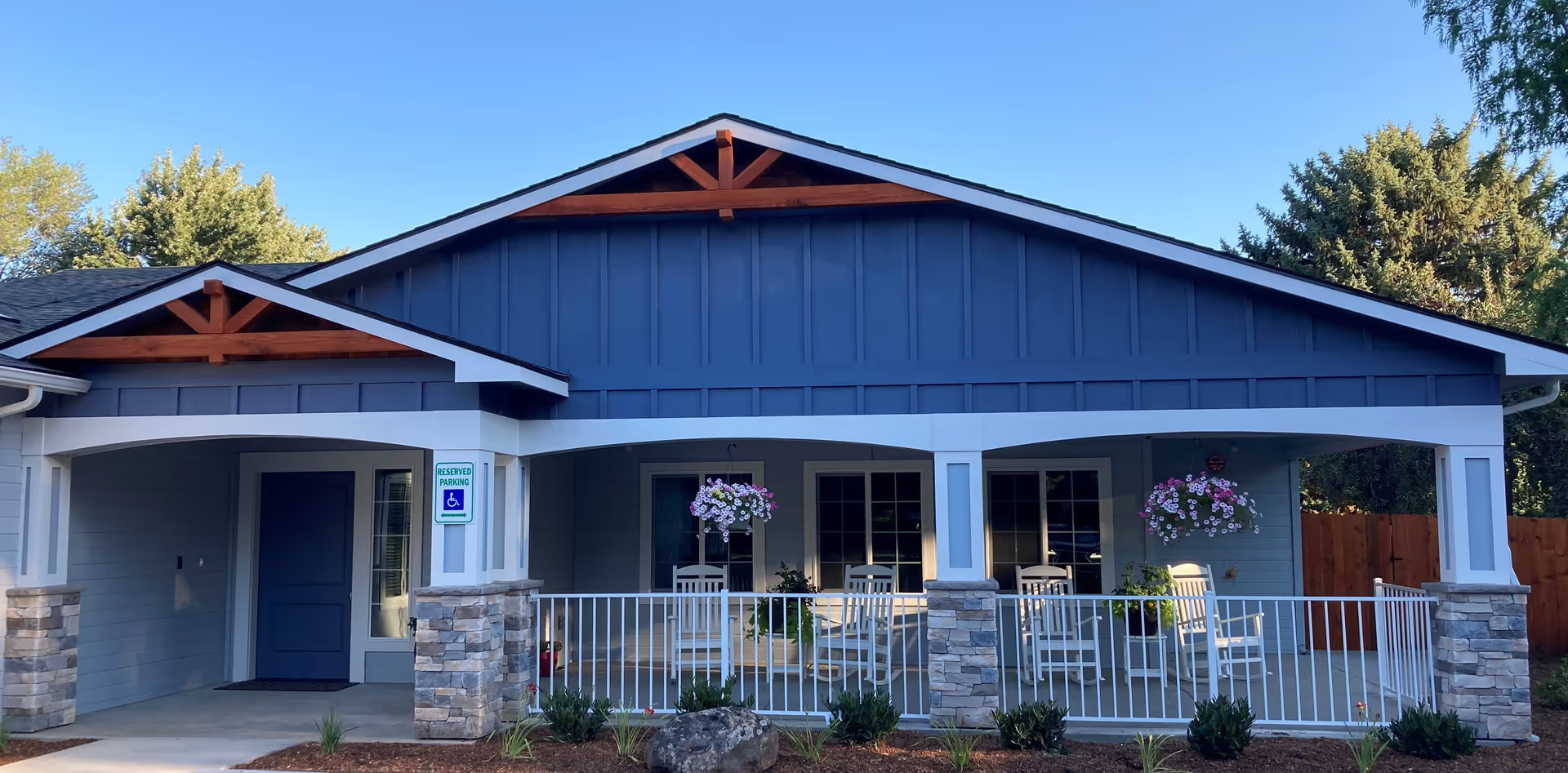
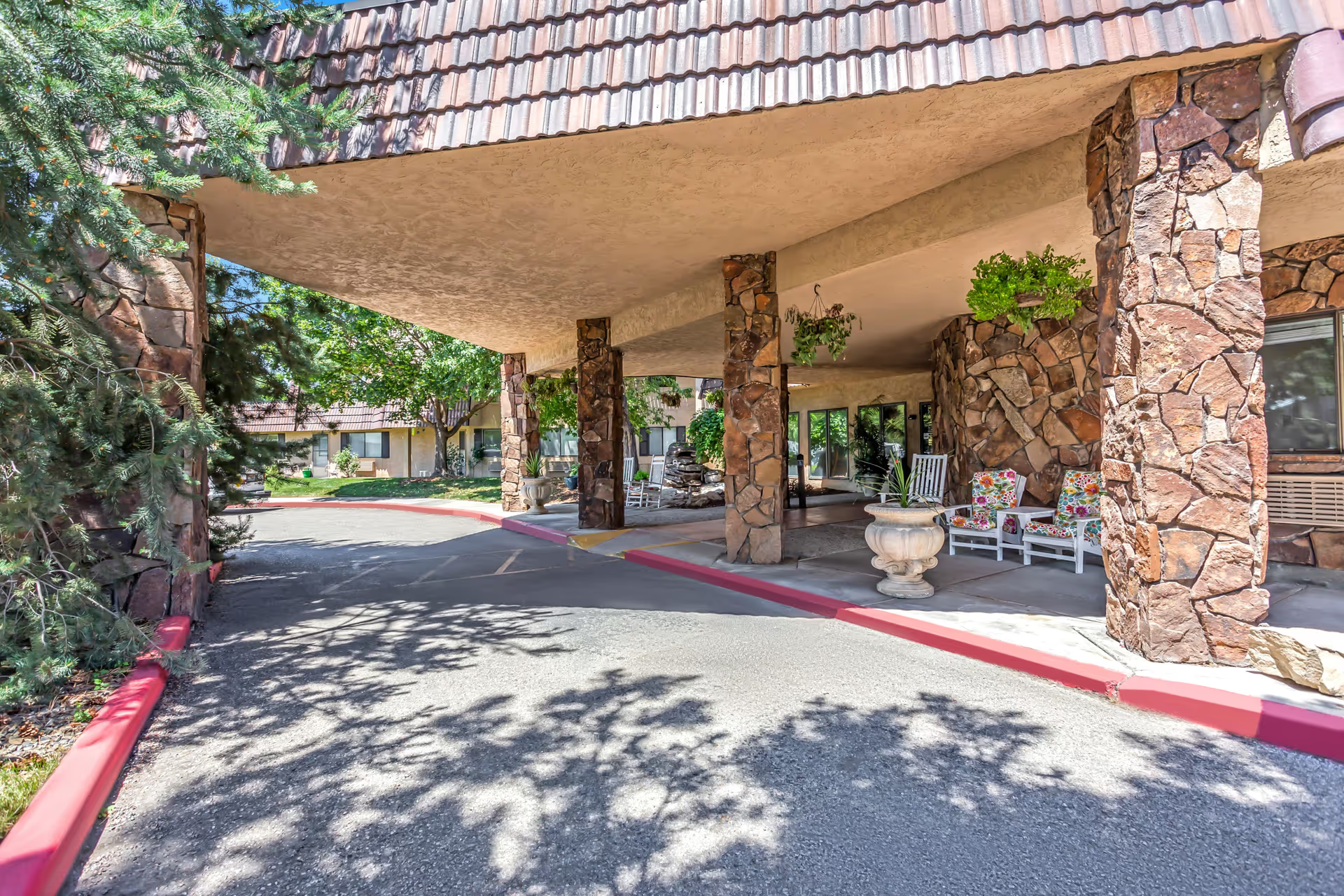
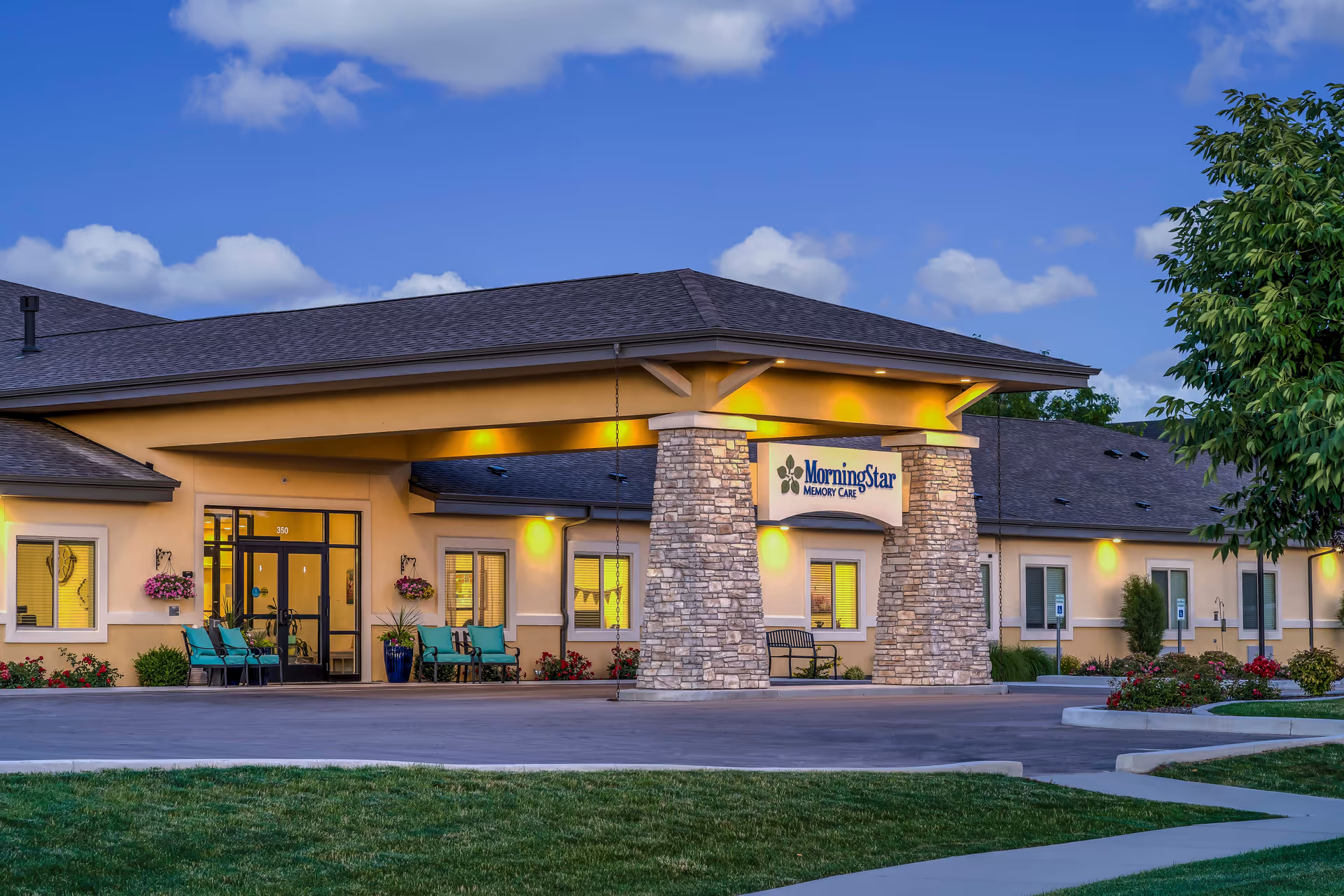
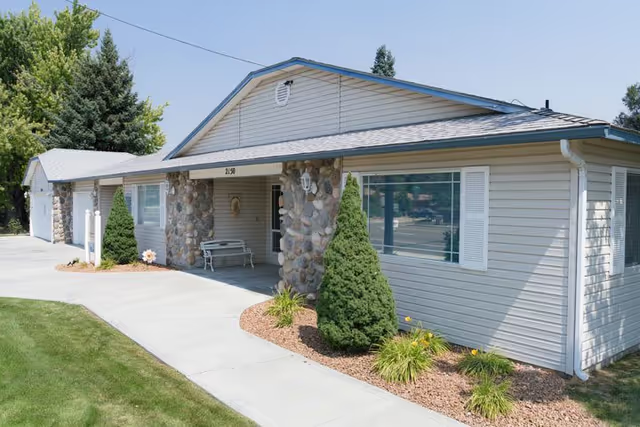
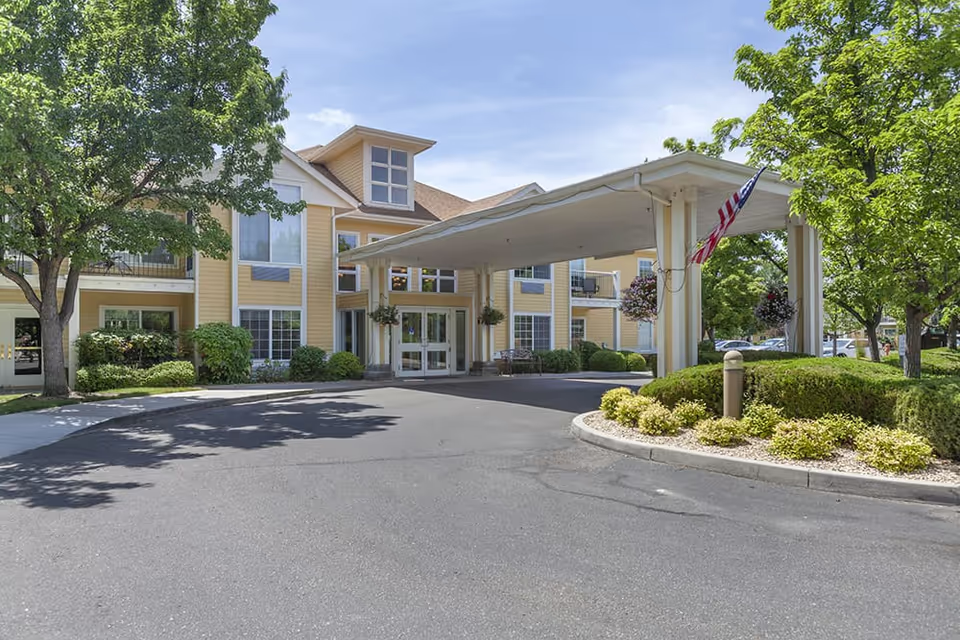
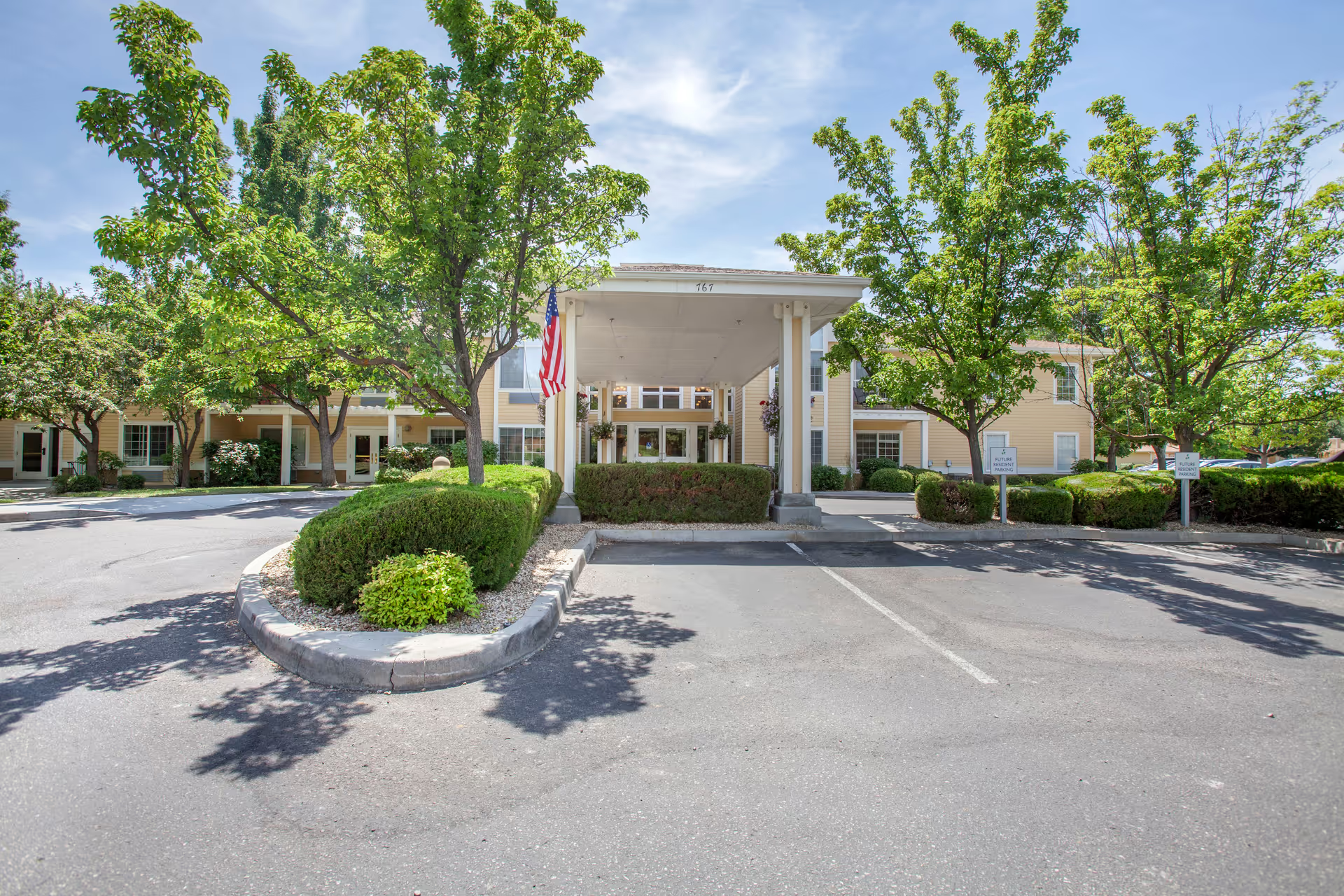
The physical plant and amenities show mixed signals: the facility is described as clean, well-kept, and recently refreshed in outdoor landscaping, but several notes point to dated interior infrastructure and a lack of a dedicated enclosed courtyard. These characteristics suggest a generally maintained environment that could benefit from targeted updates to improve comfort and accessibility.
Notable operational patterns include strong family communication—daily website updates and regular staff contact—and generally smooth admission transitions. The primary operational concerns are intermittent staffing shortages and constrained meal-service coverage at peak times, along with limitations imposed by small capacity on program variety and outdoor amenities. Overall, the facility is portrayed as a small, family-oriented memory-care option with attentive staff and good medication and dining practices, balanced against structural and resource limits that prospective families should weigh relative to their loved one’s level of need.