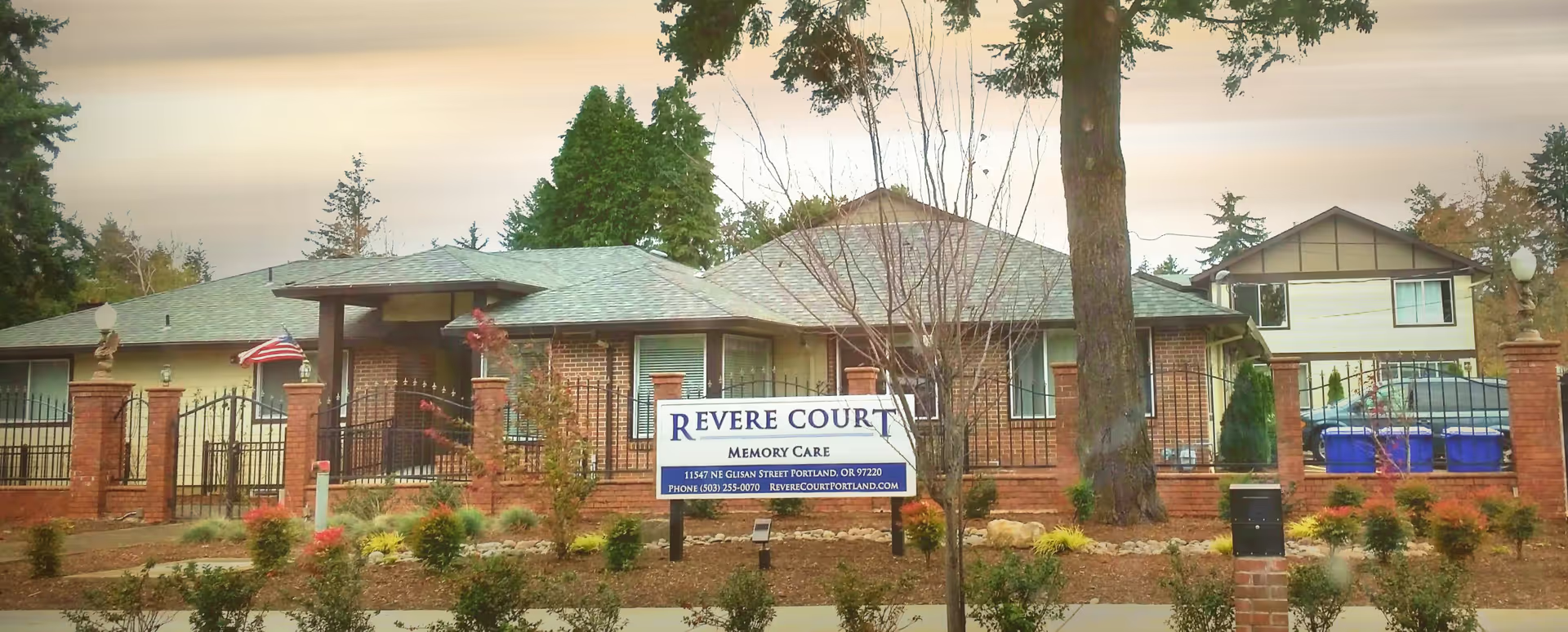
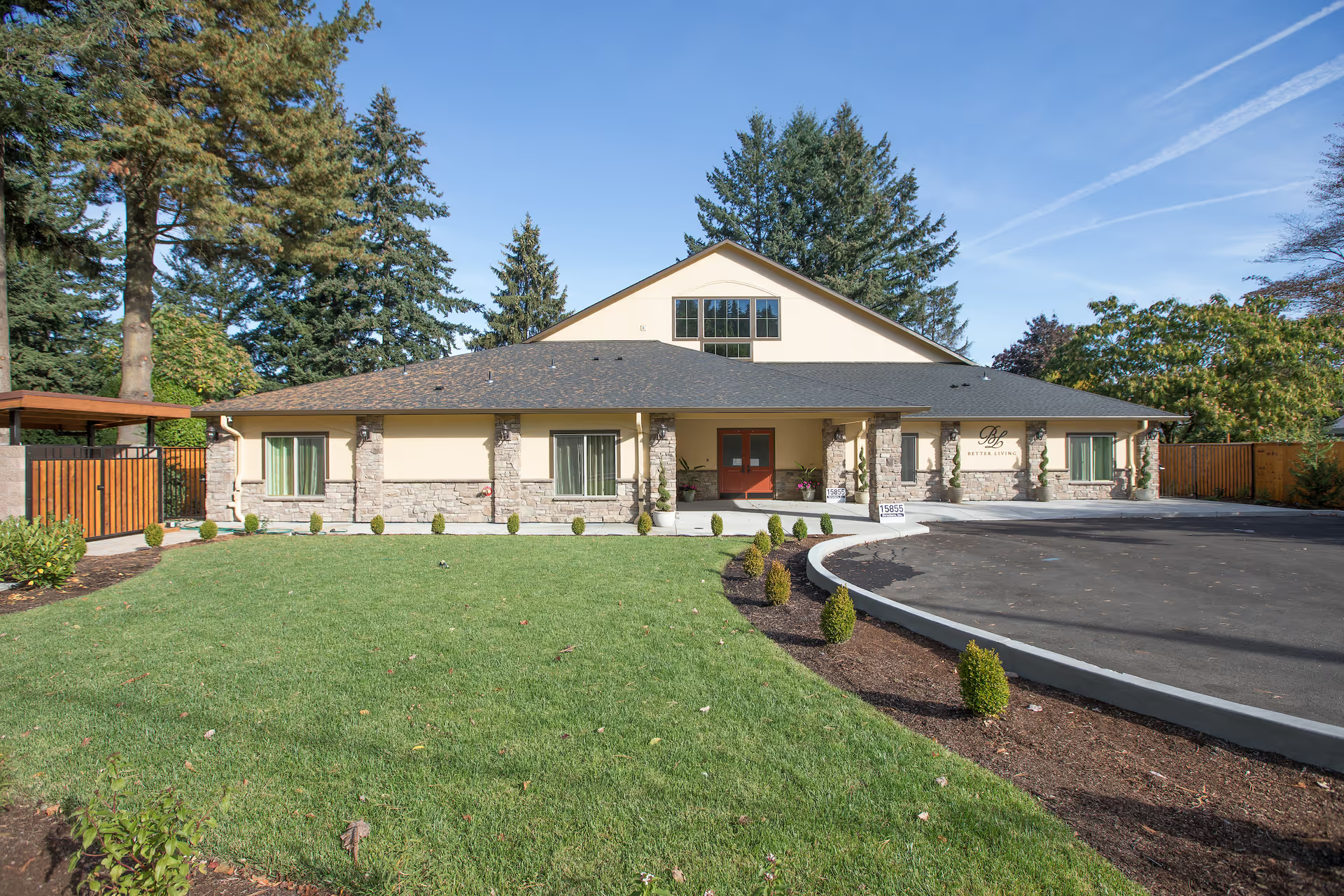
The reviews present a mixed portrait of the facility. Positive descriptions emphasize a small, home-like environment with attentive caregivers, on-site meal preparation, and well-documented care for residents — including supportive end-of-life services. Several comments characterize the atmosphere as quiet and quaint, and some families expressed satisfaction with cleanliness of floors and the overall homelike setting.
Care quality and staff: Experiences with caregiving are polarized. Positive notes describe compassionate, attentive staff and clear care documentation that provided families with peace of mind. Conversely, other accounts raise concerns about staff training and competence, communication challenges related to language differences, and instability when leadership or the owner was not present. There are also statements indicating gaps in emergency-response preparedness, specifically the absence of staff with current CPR certification.
Dining and activities: Strengths include meals prepared in an on-site kitchen and reports of nutritious, wholesome food when the kitchen is functioning as intended. However, there are also descriptions of inconsistent meal quality, with some families perceiving food as reheated rather than freshly prepared. The available information provides limited detail about structured activities; the small, quiet setting may suit residents seeking low-stimulation daily routines rather than an activity-rich program.
Facilities and cleanliness: Reviewers gave conflicting impressions. Some praised cleanliness and a well-maintained interior, while others identified sanitation and odor-control issues and inconsistent housekeeping. These divergent reports suggest uneven implementation of cleaning and incontinence-care protocols across shifts or rooms.
Management and operations: Multiple comments point to disorganization in operational practices and documentation, along with uneven oversight when the owner or primary caregiver is not on-site. Pricing was described by some as high relative to perceived care quality. Family communication and responsiveness to changing resident needs also emerged as an area of concern; a few accounts describe serious health-safety concerns that prompted relocation of a resident to another facility.
Notable patterns and guidance: The overall pattern is one of variability — some families report high satisfaction and recommend the facility, while others describe operational and clinical gaps significant enough to require a move. Prospective residents and families should prioritize an in-person visit focused on staff qualifications and training, emergency-preparedness documentation (including CPR certification), current cleaning protocols, sample menus and meal preparation practices, and examples of recent care plans and documentation. If continuity of ownership or on-site management presence is important, confirm leadership availability and oversight practices. Comparing care and operational practices directly with alternative local facilities may help identify the best fit for individual needs.