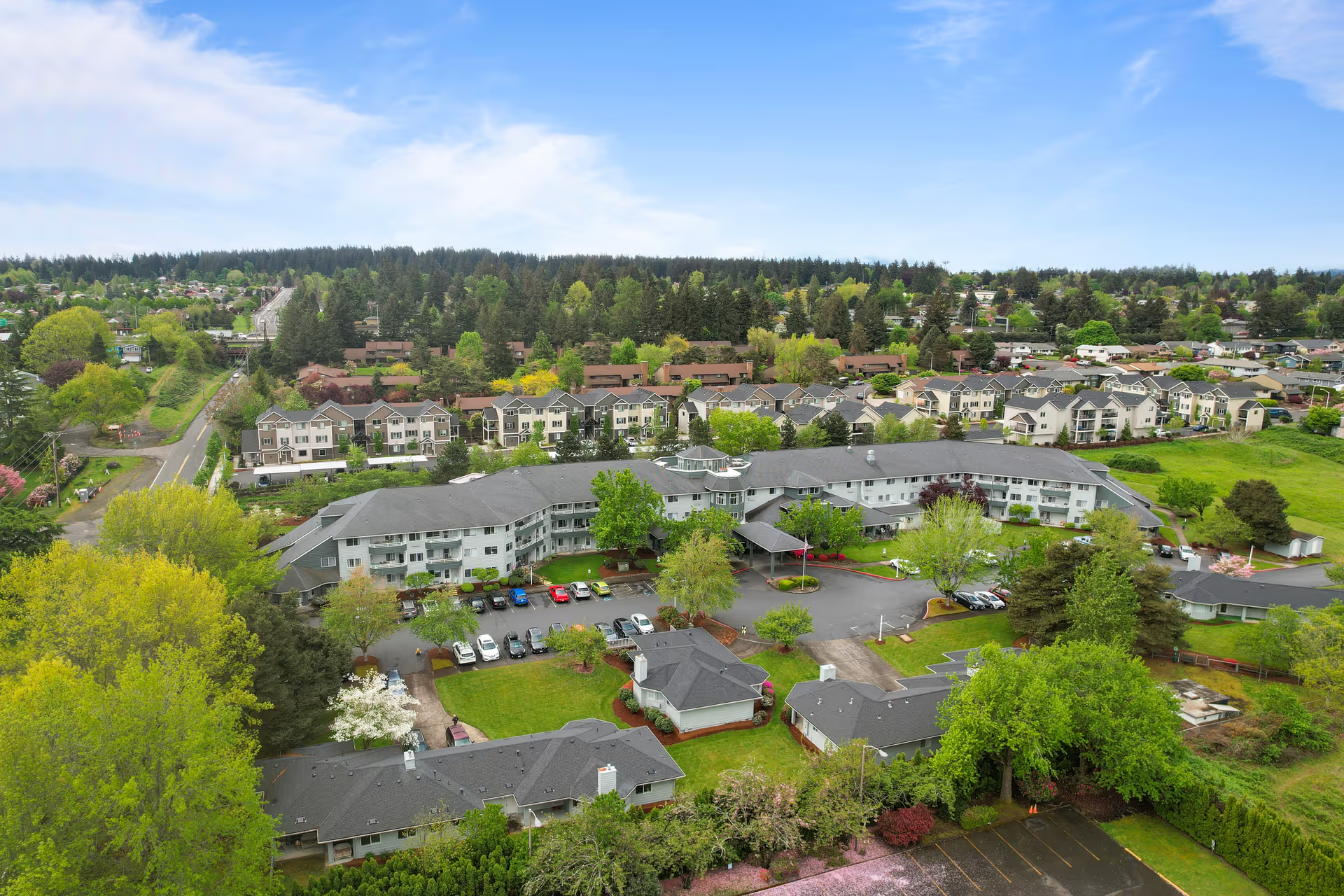
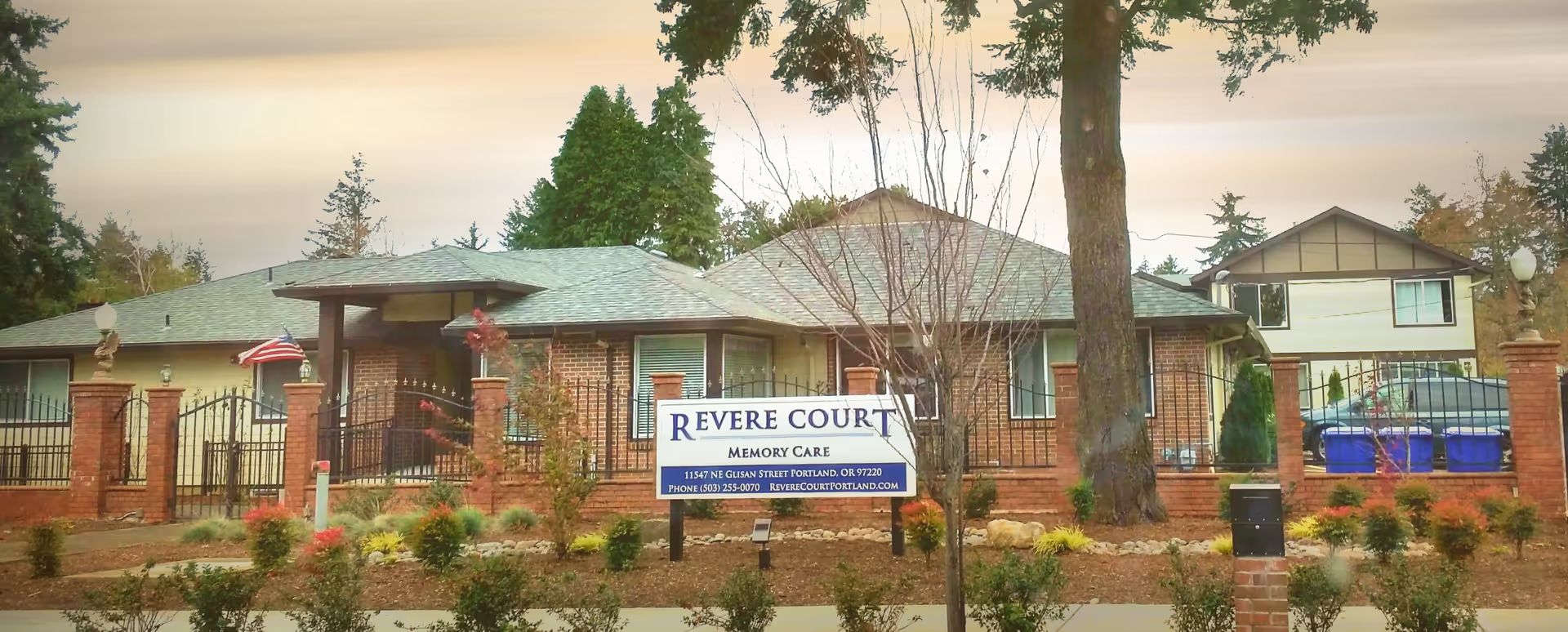
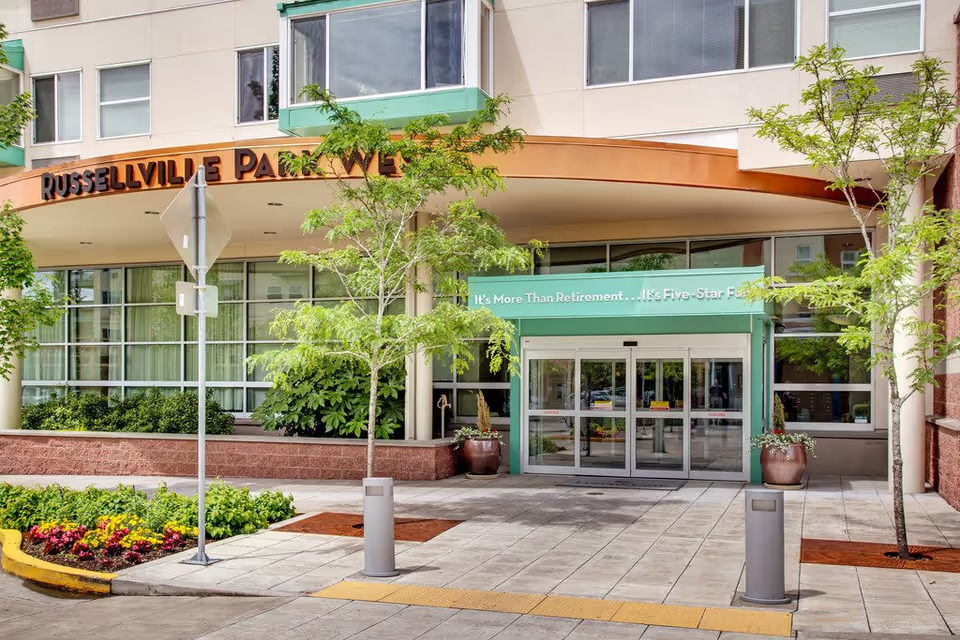
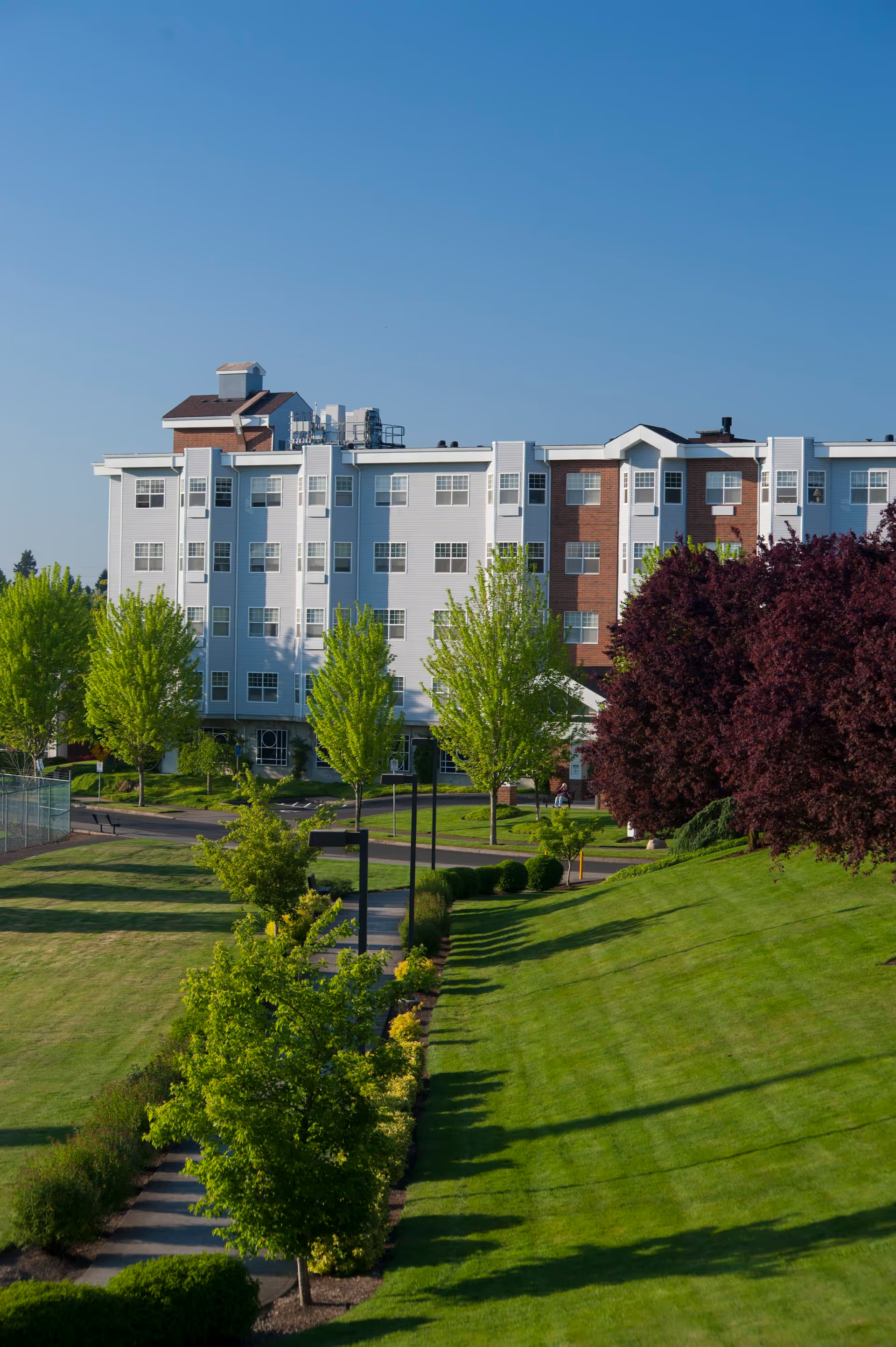
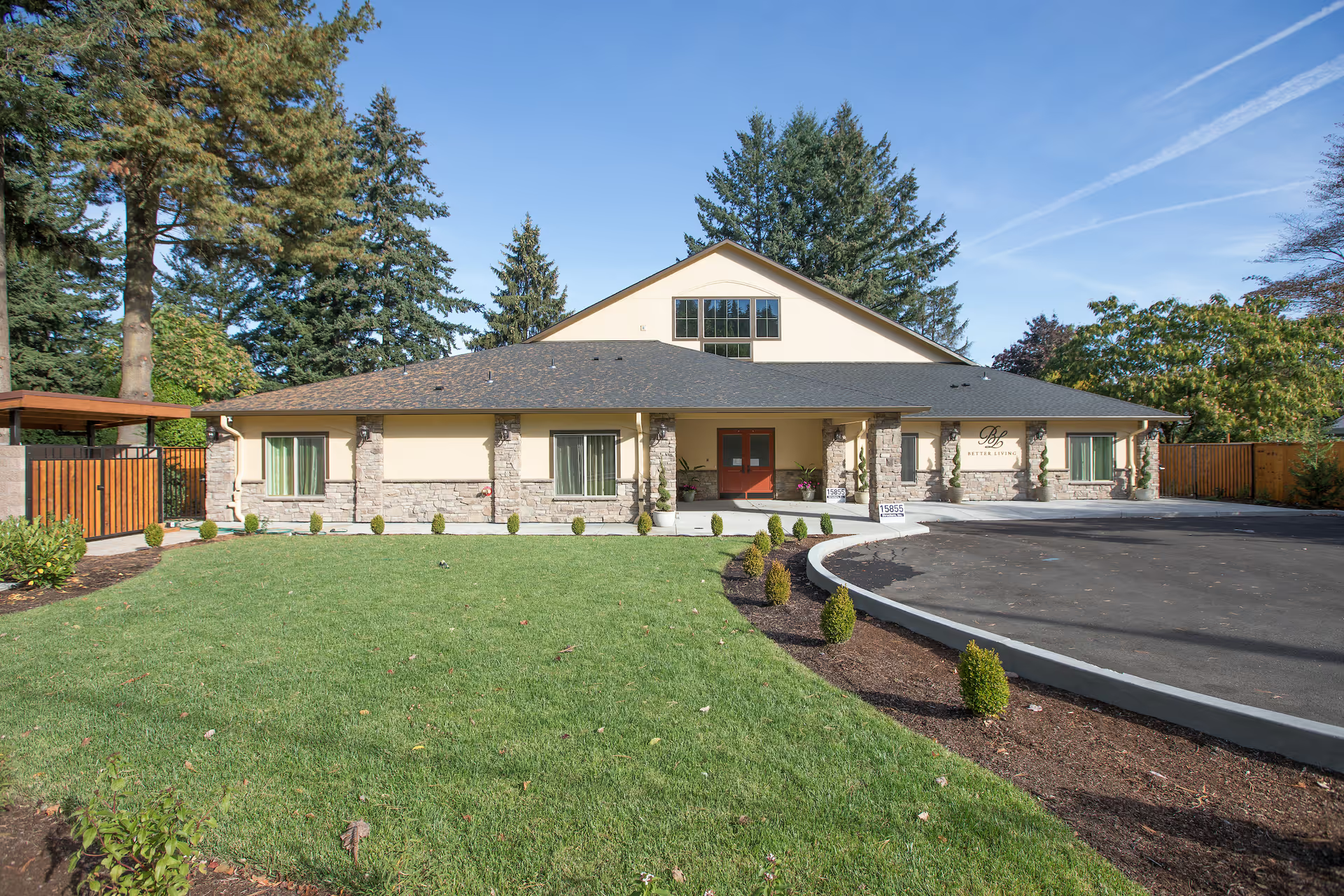
Overall impression: The facility presents as a physically attractive, well-maintained home with spacious private rooms, an appealing outdoor area, and staff who at times are personable and attentive—particularly during family visits. However, these favorable features coexist with recurring operational concerns that affect families’ confidence in day-to-day care and administration.
Care quality and staff: Accounts describe variable caregiving quality. When family members are present, staff behavior is often described as convivial and supportive; when families are not present some accounts describe less-considered communication tone and responsiveness. Several reviewers raised serious concerns about staff conduct and one review referenced an allegation of improper conduct. There are also recurring comments about delayed medical attention and challenges lifting or transferring residents, indicating limited capability for higher-acuity or 24-hour nursing needs. Weekend staffing is frequently characterized as less experienced or uneven, which contributes to inconsistent care continuity.
Dining and daily living: Multiple accounts describe inconsistent meal quality and preparation practices, including reliance on prepackaged or frozen entrées at times and variability in how meals are presented. These inconsistencies have contributed to dissatisfaction with dining. There are also notes about unpredictable changes to monthly fees and limited transparency around billing, which has affected families’ trust in administrative practices.
Activities and social environment: Several reviewers described limited or diminishing activity programming; examples include the removal of puzzles and a general sense of decreased engagement among residents, with some families noting depressive mood changes among residents and feelings of isolation when visitation is restricted. The facility’s physical spaces (patio, backyard) are seen as strengths for socialization, but programming and staffing patterns appear insufficient to reliably support ongoing therapeutic or recreational activities.
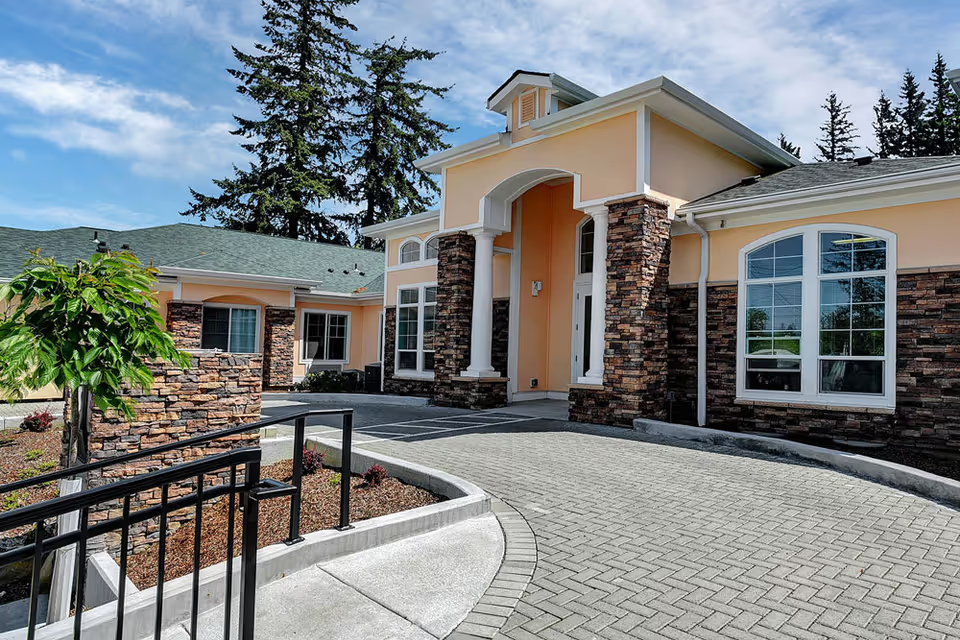
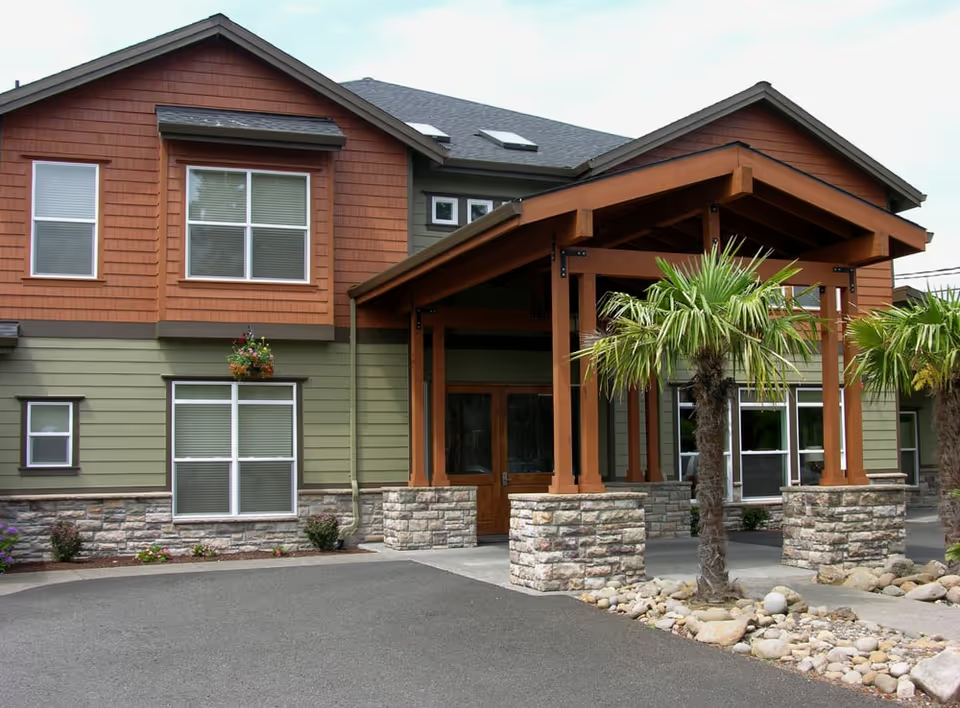
Facilities and cleanliness: The home is repeatedly described as clean and attractively maintained, with large bedrooms and en-suite bathrooms. The physical environment is a clear positive relative to the operational issues.
Management, licensing, and patterns: Concerns cluster around management and oversight—specifically, inconsistent communication about illnesses and medical events, uncertainty about in-charge licensed supervision during some shifts, and questions about adherence to county regulations. Owners are described as present during visits, which some families view positively, but the facility also shows patterns of unexpected policy changes (for example, reduced visiting hours and frequent fee adjustments) that have caused distress for residents and families. These administrative inconsistencies, combined with staffing variability, form the primary pattern that prospective families should evaluate.
What to ask during a tour: Clarify current visitation policies and how they are enforced; confirm the facility’s scope of nursing and transfer capability (including how transfers are handled and what equipment/staffing is available); request documentation of licensing and who is the licensed in-charge during each shift; ask for details on staffing levels (particularly weekends), sample menus and meal-preparation routines, a copy of the fee schedule and change-notice policies, and the activity calendar. If family involvement will be intermittent, ask how the facility ensures consistent resident oversight when visitors are not present.
In summary, the facility offers a well-maintained, pleasant physical environment and some staff strengths, but families should weigh those positives against recurring operational weaknesses in staffing consistency, clinical oversight, meal-service reliability, activity programming, and administrative transparency before making a placement decision.