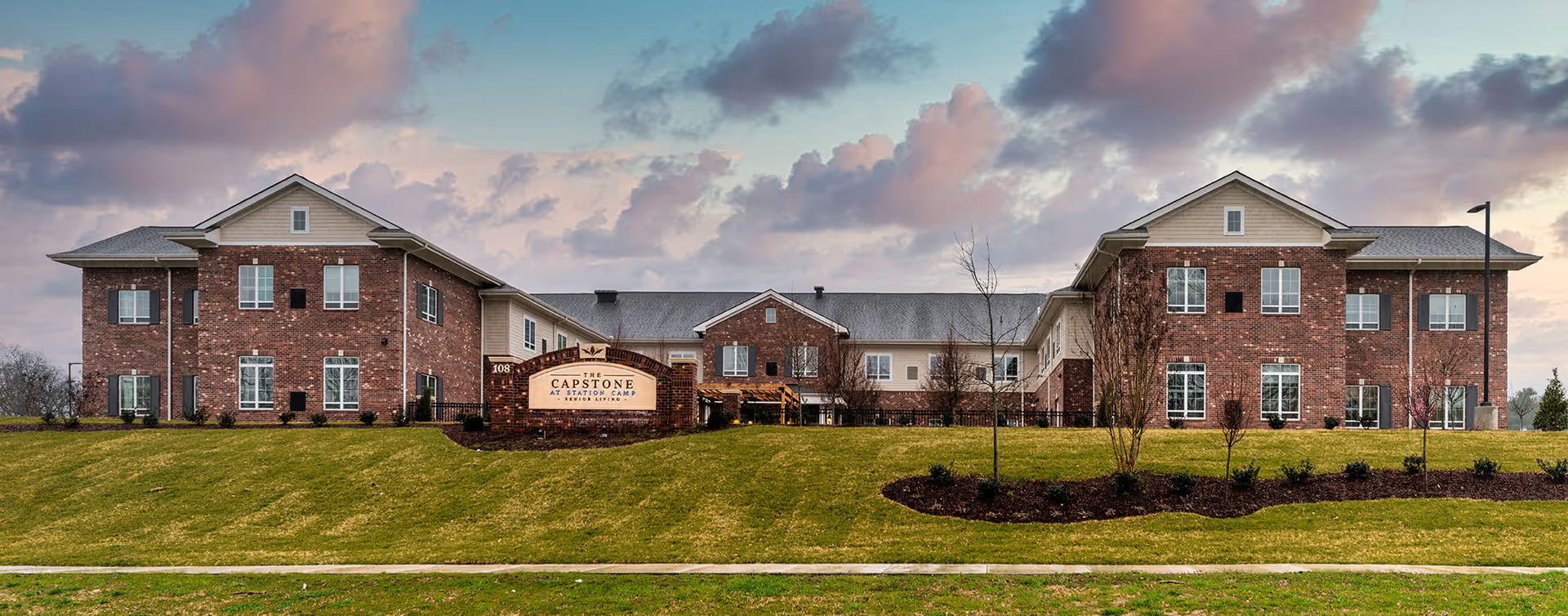
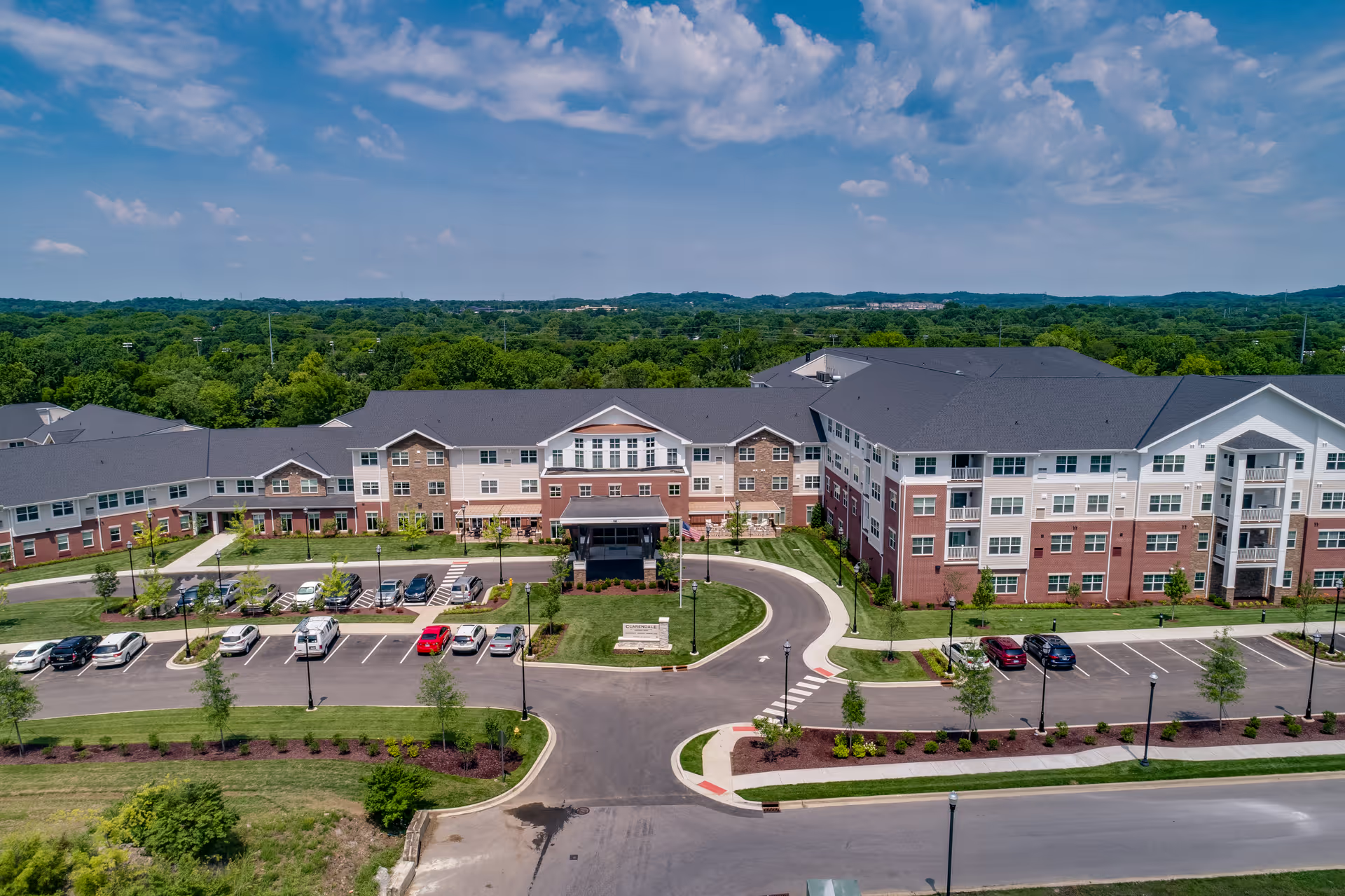
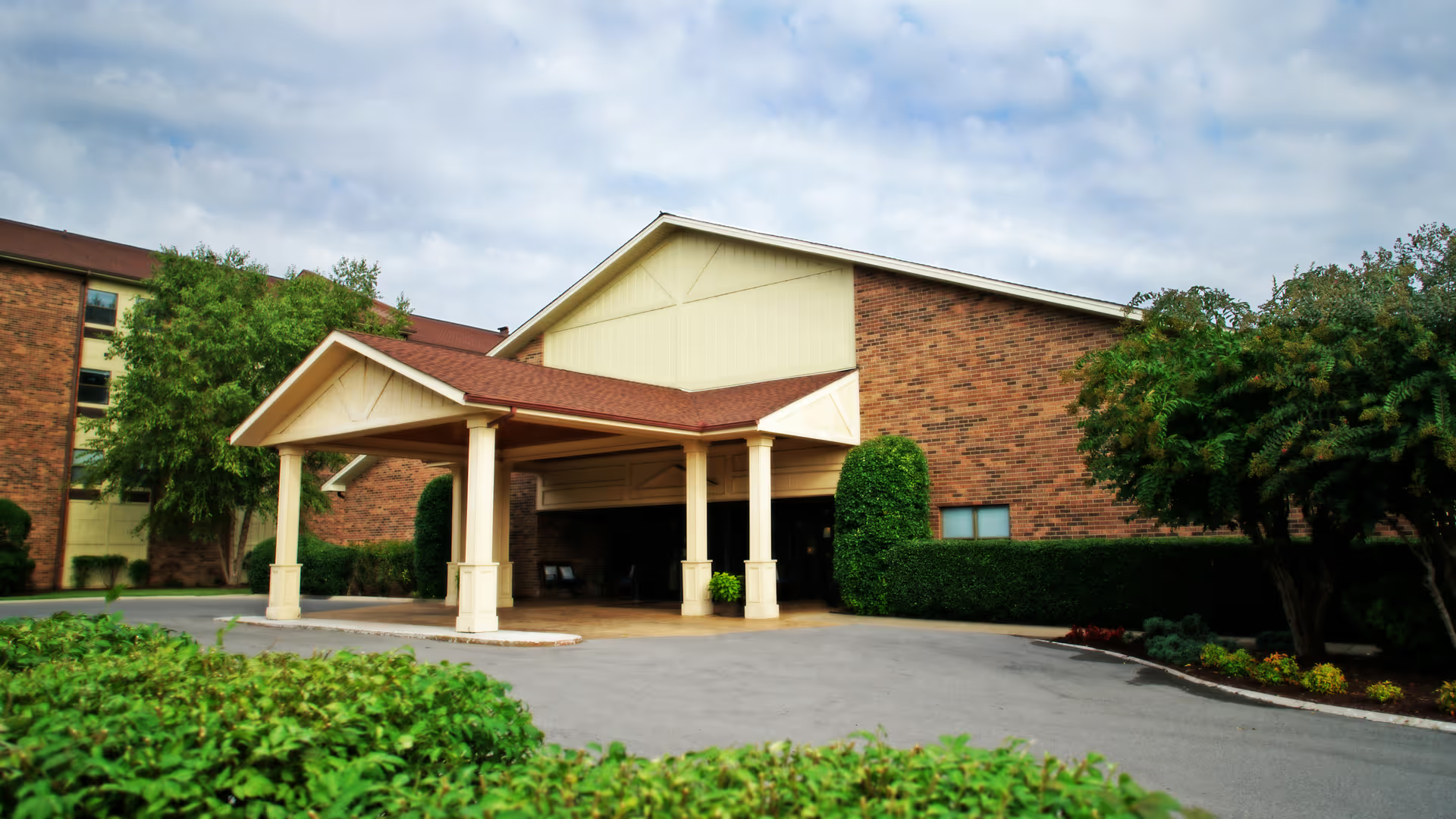
The reviews for Mighty Hearts Home Care present a mixed picture. Many families describe a clean, bright, home-like environment with well-maintained interiors and a welcoming first impression. At the same time, other visitors raised sanitation and odor concerns and described conditions that did not match prior positive impressions. This pattern suggests variability in the resident experience that prospective families should probe when evaluating the community.
Care quality and staff behavior are described in polarized terms. Positive feedback highlights patient, attentive caregivers who communicate well with families and allow flexible visitation; those experiences include consistent reassurance that loved ones are well cared for. Conversely, some accounts describe variable staff responsiveness and a lack of attentiveness at certain times. Together these statements indicate staff performance may fluctuate by shift or leadership influence, rather than reflecting a single consistent standard.
Dining receives similar mixed commentary. Several reviewers praised home-style, scratch-cooked meals and reasonable pricing. Others reported occasions when meals were minimal or served cold, and described simple alternatives such as cereal or sandwiches. These contrasting observations point to inconsistent meal preparation or service continuity rather than an absolute absence of cooked meals; families should ask about menu rotation, staffing in the kitchen, and meal-temperature/service protocols.
Comments about facilities emphasize strengths (spotless interiors, bright common areas, hardwood floors, and a home-like décor) but also note sanitation and odor inconsistencies. Recreational activities are not frequently detailed in the reviews; instead, reviewers referenced staff–resident interactions and the facility atmosphere as indicators of daily engagement. Where reviewers observed attentive staff and cheerful residents, the social environment was described positively; where staff appeared less engaged, families expressed concerns about residents’ emotional well-being and a reduced sense of safety.
Management and operational issues are recurring themes behind several negative observations. Reviewers described unclear leadership arrangements, sometimes involving individuals who were not formal employees and uneven follow-up with prospective families after visits. There were also references to limited oversight of non-staff activity on-site. These operational traits correlate with the reported inconsistencies in cleanliness, meal service, and staff responsiveness. Prospective families may wish to clarify leadership structure, staff credentials, and policies for visitors/non-staff during a visit.
Notable patterns: opinions are polarized—some families report strong satisfaction and recommend the facility, while others advise caution and recommend seeking alternatives. This suggests that quality may depend on timing, staffing patterns, or recent management changes. For decision-making, families should schedule multiple visits at different times, ask for references from current families, request written policies on meals, staffing ratios, visitor oversight, and follow-up procedures, and observe cleanliness and resident engagement across shifts. Doing so will help determine whether the facility’s strengths are consistent with a prospective resident’s needs.