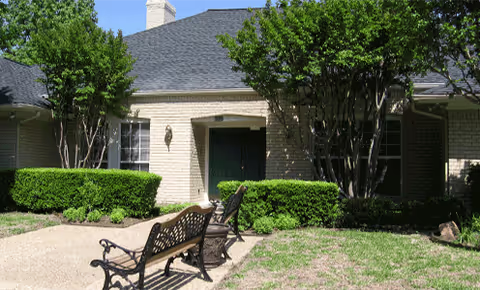
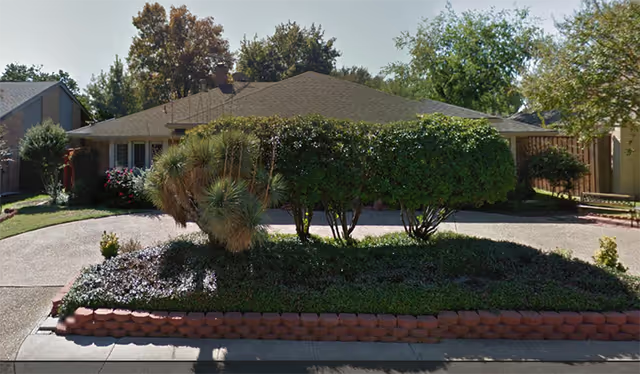
The available reviews portray The Family's Choice II as a small, home-style assisted living with a strong emphasis on personalized caregiving and family communication. Families consistently highlight compassionate, well-trained staff, a high staff-to-resident ratio, and active owner involvement; these factors are credited with smooth transitions and improved resident mood and well-being. The facility is described as clean, bright, and calm, with a predictable daily routine and attention to residents' medical needs.
Care and staff: Reviewers emphasize attentive, engaged caregivers and an owner who is a registered nurse and remains involved in day-to-day oversight. Staff tenure and ongoing training are cited frequently, and communication with families is described as clear and responsive. The combination of tenured caregivers and close clinical oversight appears to support continuity of care and confidence among families, particularly for residents requiring dementia-capable support.
Dining and activities: Dining receives generally favorable comments—meals are shared in a communal setting and are viewed as a source of social engagement. A minority of comments describe food as merely acceptable, suggesting some variability in meal satisfaction. Activity descriptions emphasize staff-driven engagement and a predictable schedule rather than an extensive formal activity program; social interaction and caregiver attention are the primary drivers of daily stimulation.
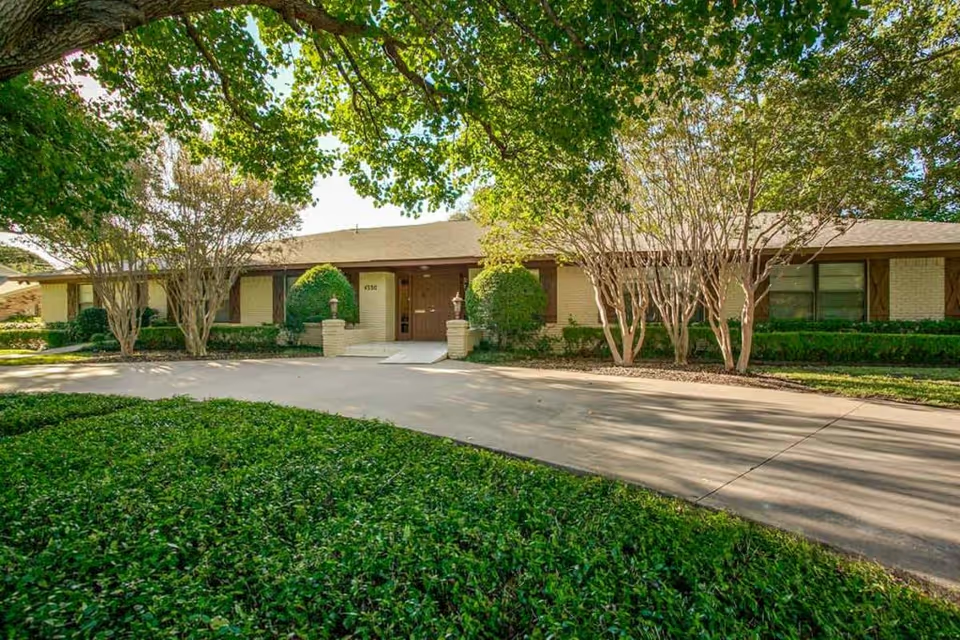
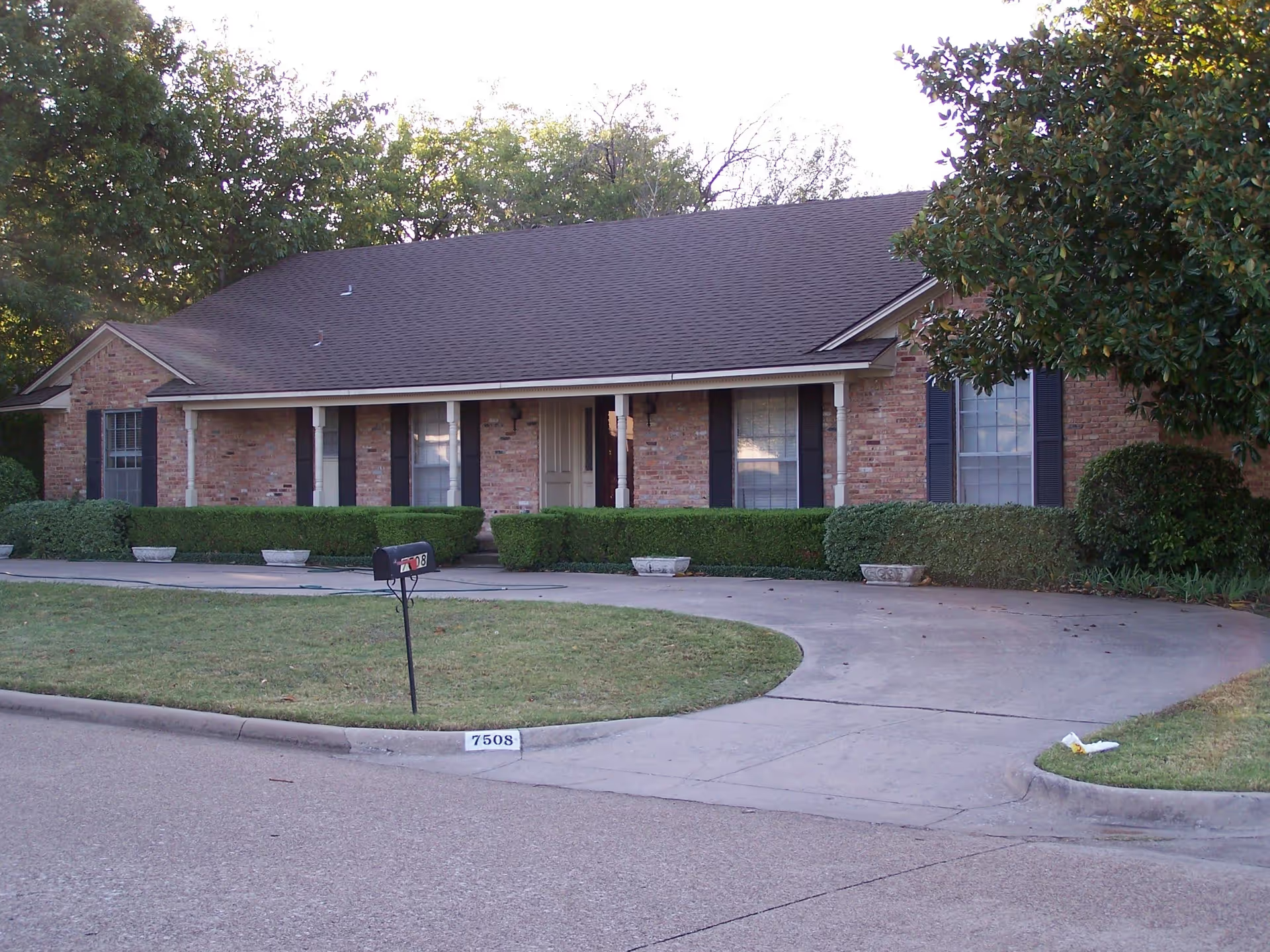
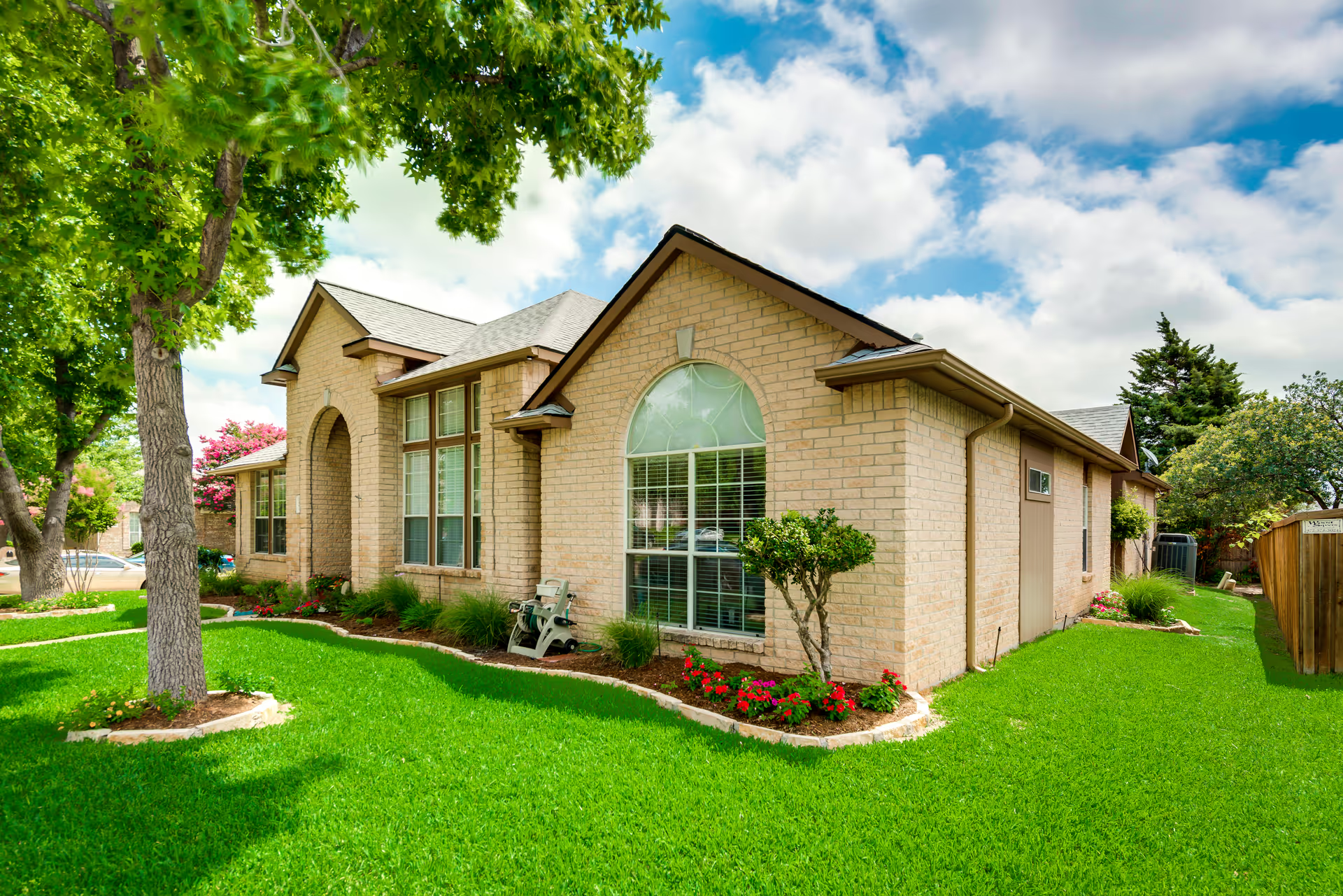
Facilities: The home-like environment is repeatedly noted: bright rooms with large windows, personalized décor, and a well-maintained interior. Cleanliness and a calm atmosphere are consistent themes. The small-house footprint creates a welcoming, inclusive setting, but it also means space and amenity options are more limited than larger facilities; shared-room arrangements are used and are described as adequate by families who experienced them.
Management and notable patterns: Management appears hands-on, with the owner providing both clinical leadership and active communication with families. That direct oversight is a clear strength for clinical consistency, but prospective families should consider the operational implication of reliance on a single clinician-owner for oversight and ask about contingency plans. Reviews repeatedly note successful placements and improvements in resident happiness, and the facility's infection-control practices were viewed positively during the pandemic period.
Recommendations for prospective families: The facility may be a good fit for people seeking a small, intimate, clinically attentive home with strong family communication and dementia-capable care. Ask about private-room availability, sample menus and dining planning, the structure of activity programming beyond staff interaction, and contingency plans for clinical oversight if ownership or leadership changes. These targeted questions will help determine whether the small-home model aligns with a prospective resident's preferences and clinical needs.