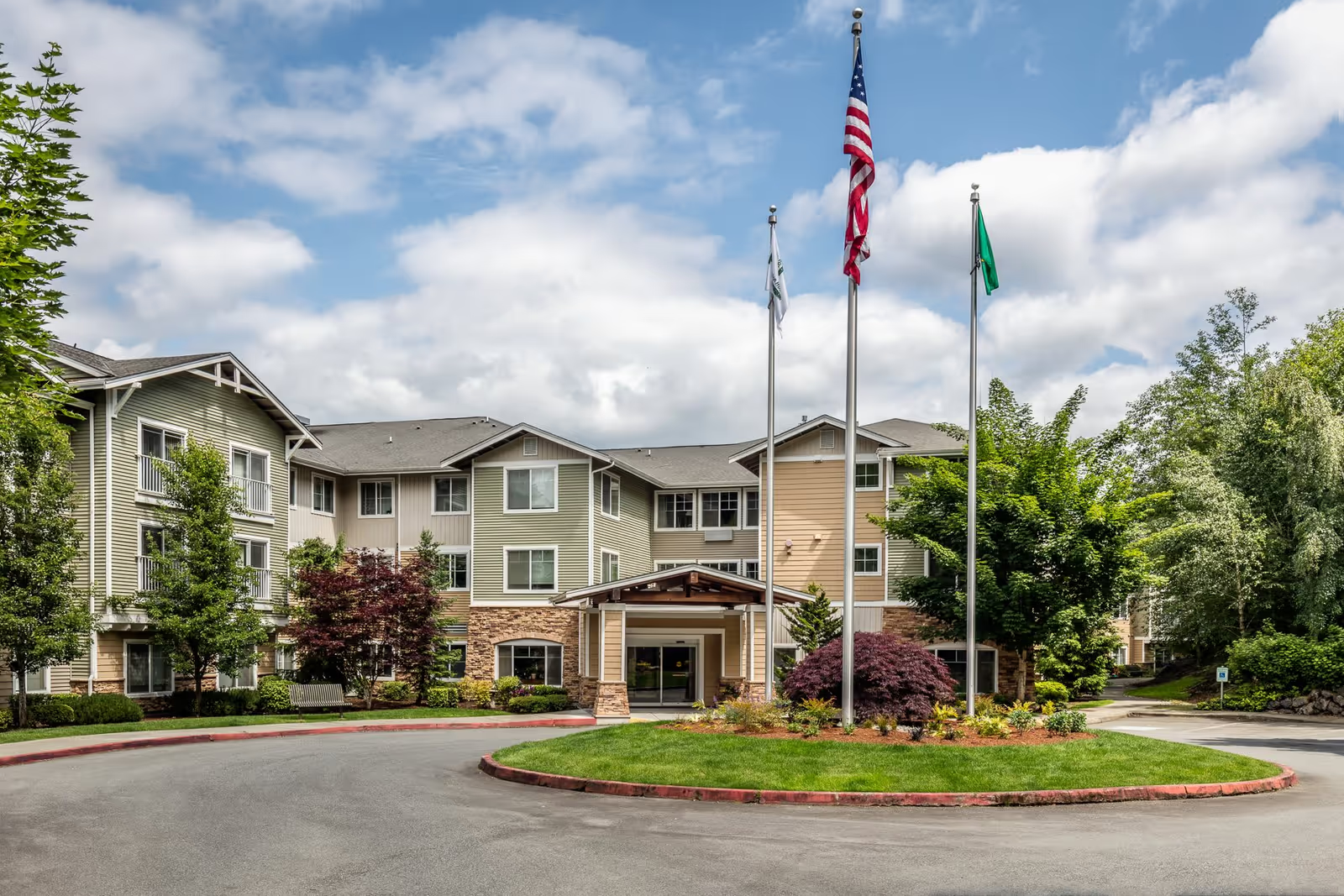
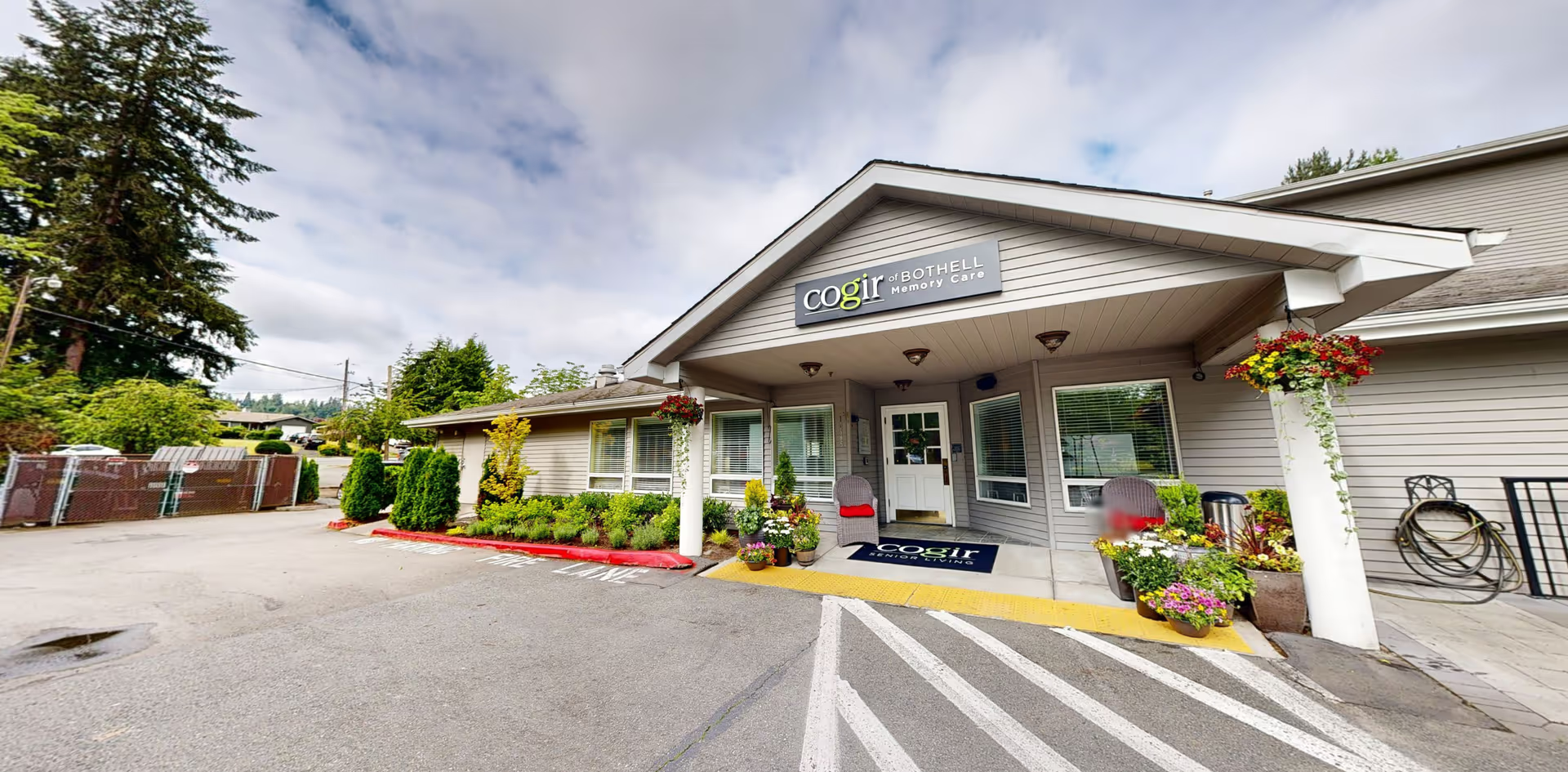
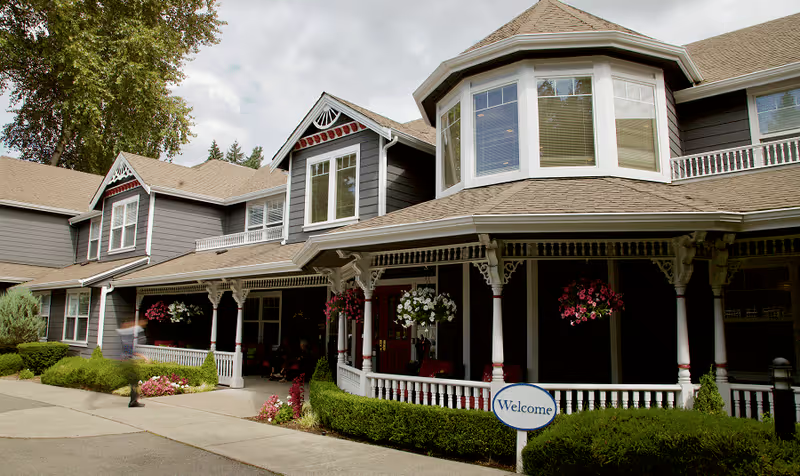
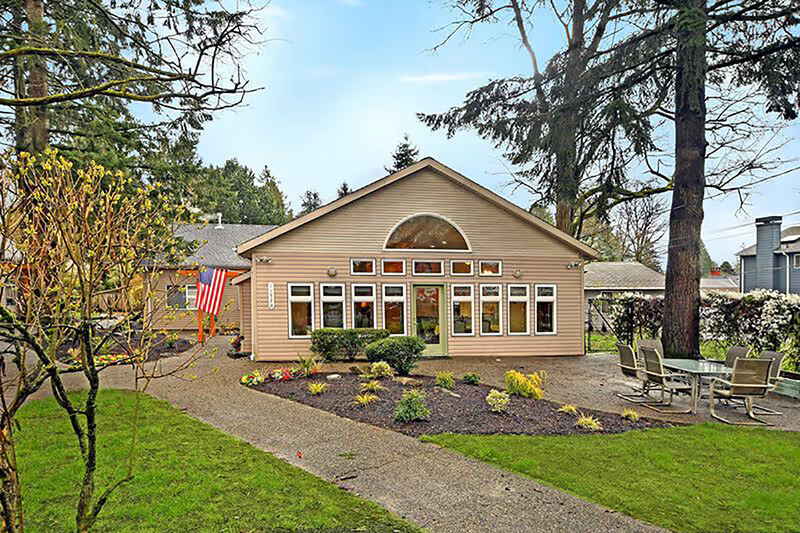
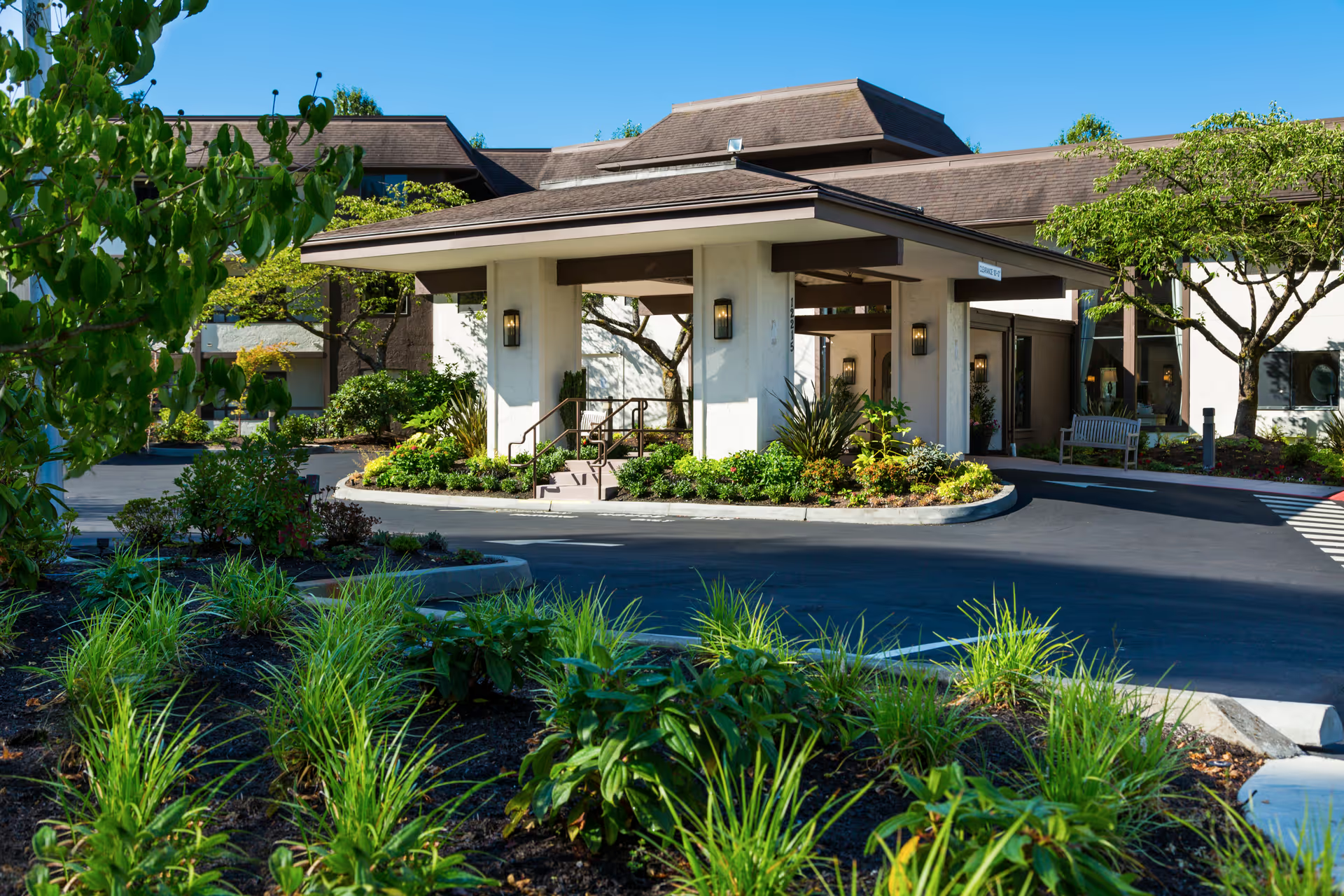
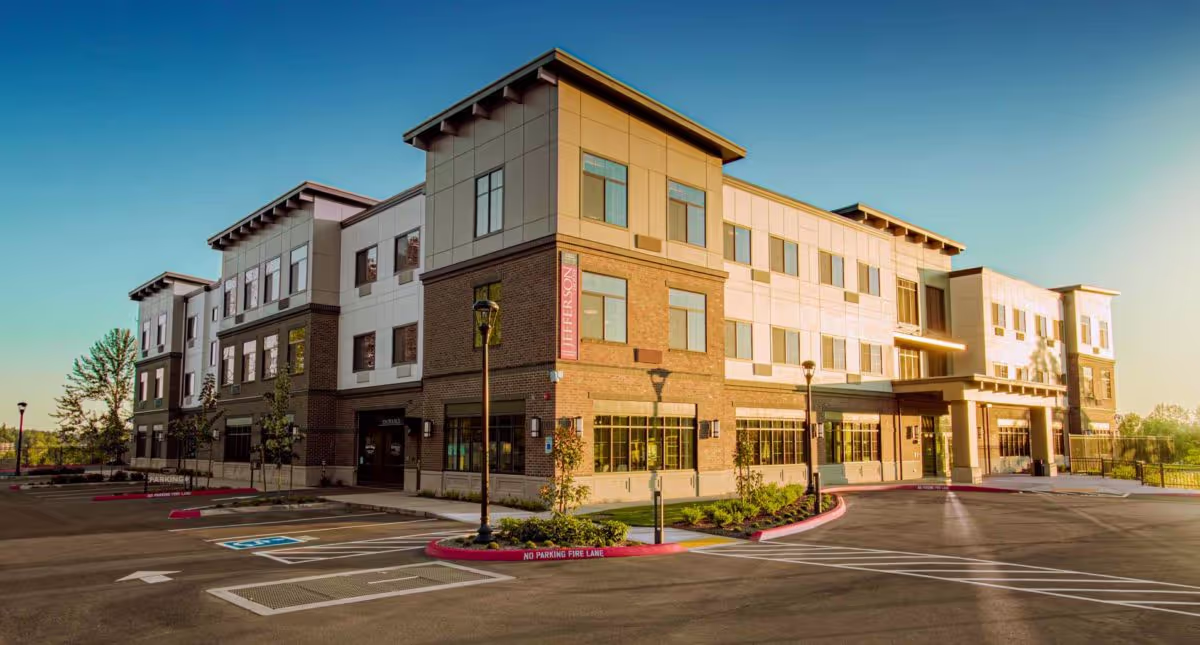
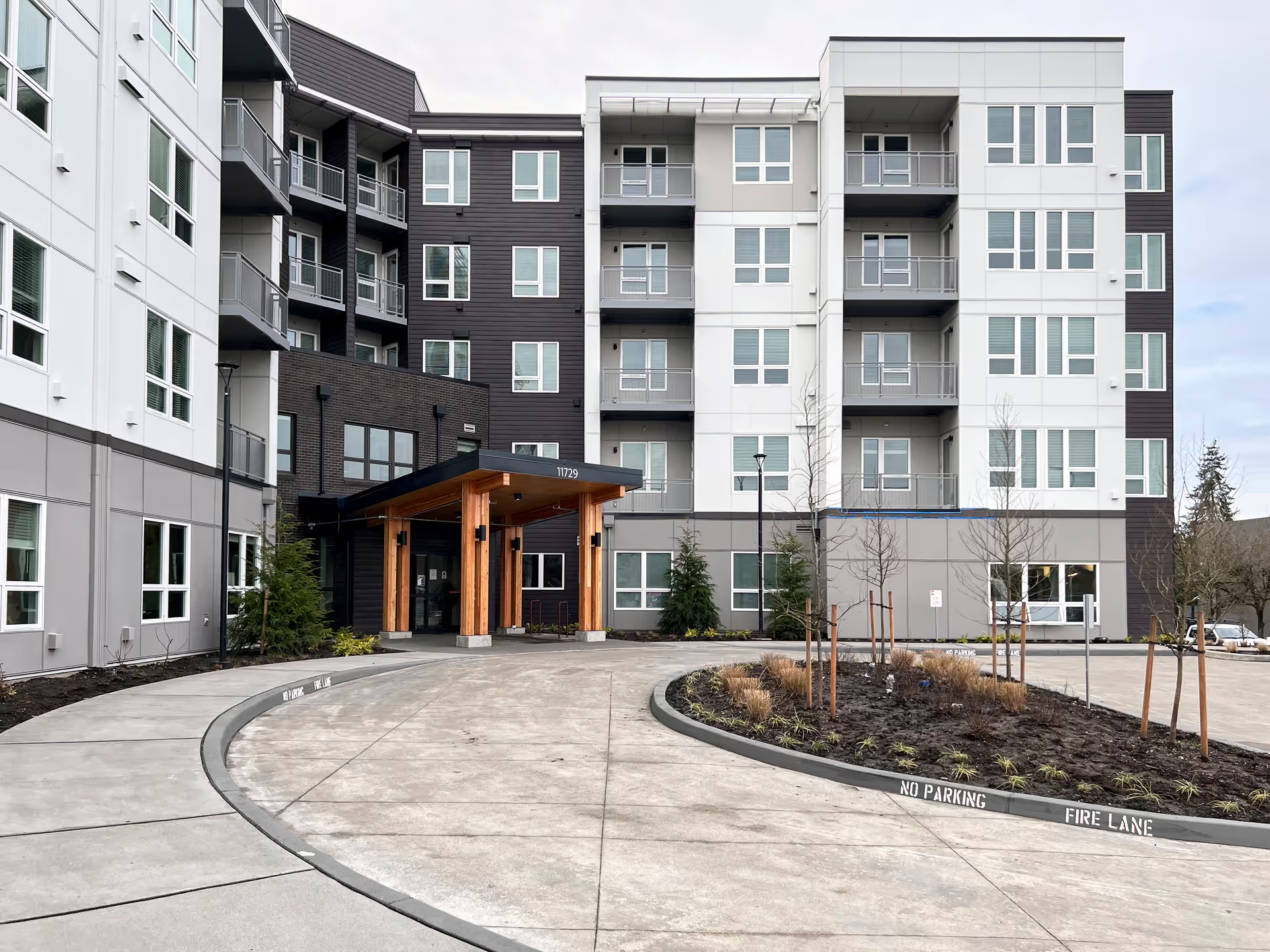
The reviews portray a small, well-maintained residential care home that emphasizes personalized, compassionate caregiving. Families repeatedly highlight attentive and professional staff, a higher caregiver-to-resident ratio, and around-the-clock coverage that together contribute to a sense that residents are closely monitored and supported. The home-like scale (typically six to seven residents) and an emphasis on cleanliness, easy navigation for limited mobility, and comfortable private rooms and common areas recur as positive themes.
Staff and care practices are described as hands-on and family-oriented. Reviewers cite compassionate interactions, an owner who is actively involved (including hospital visits), and staff who communicate openly with families by providing regular updates and photos. These elements are linked to reported outcomes such as greater resident comfort, happier family members, and positive end-of-life experiences in the facility. The caregiving team is also credited with organizing engaging activities — music, dancing, birthday celebrations, and outdoor outings — that help residents feel at home and socially connected.
Dining and daily life reflect a small-household model: reviewers note home-cooked meals, a generally favorable response to food quality, and perceived affordability. The physical environment is described as tidy, well managed, and peaceful, with accessible outdoor spaces such as covered porches that support comfortable excursions and fresh-air time.
Notable operational patterns and trade-offs emerge. The facility’s intimate size supports personalized attention but also implies limits: on-site specialized clinical services, rehabilitation programs, and the broader range of amenities typically found in larger assisted-living communities are likely reduced. Several comments imply that the resident experience depends substantially on the continuity and availability of key staff and the owner, which can be a strength while those people are present and a potential vulnerability if staffing changes occur. Prospective residents and families should weigh the benefits of close, homelike care and active family communication against possible constraints in specialized medical services and program variety when evaluating fit.