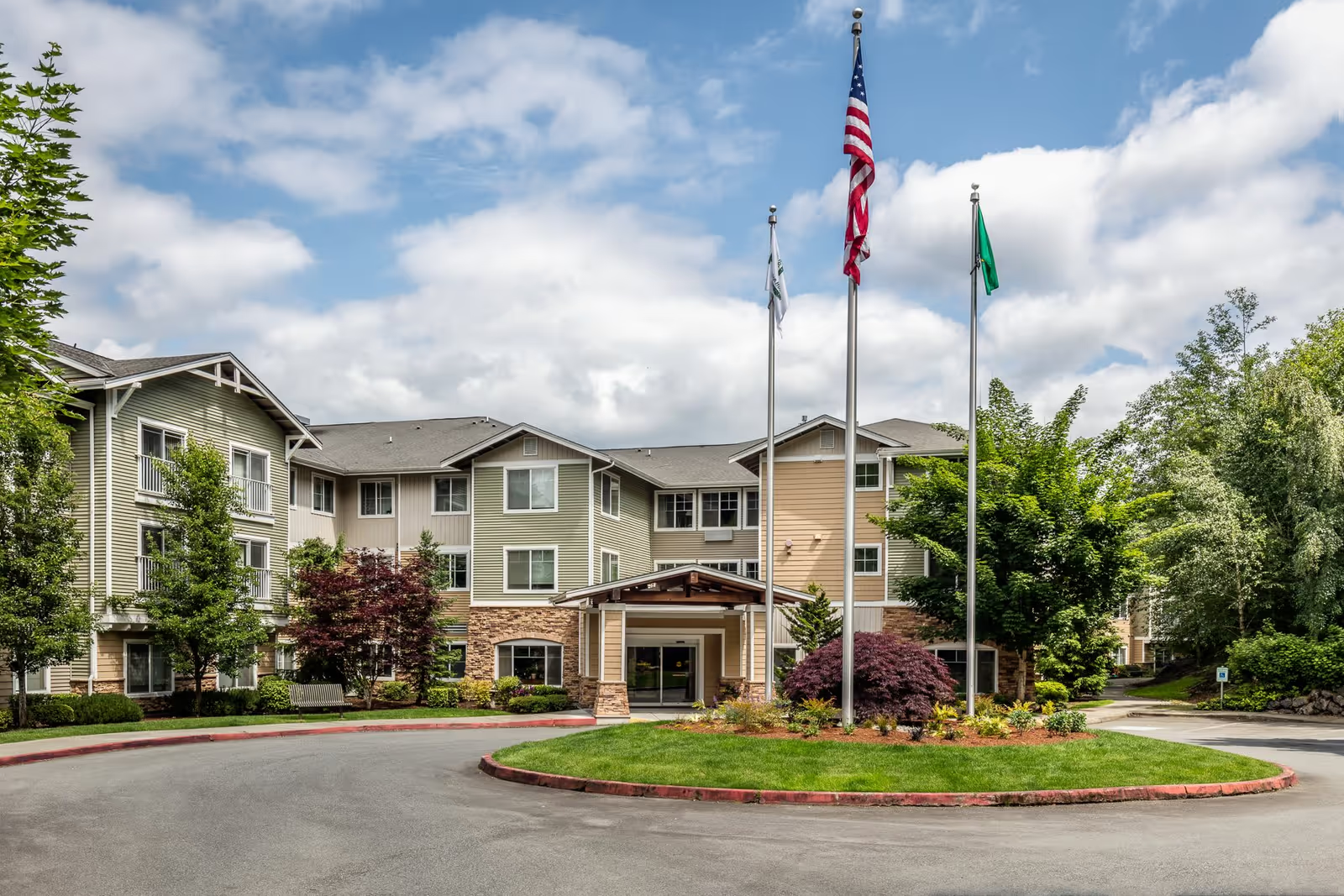
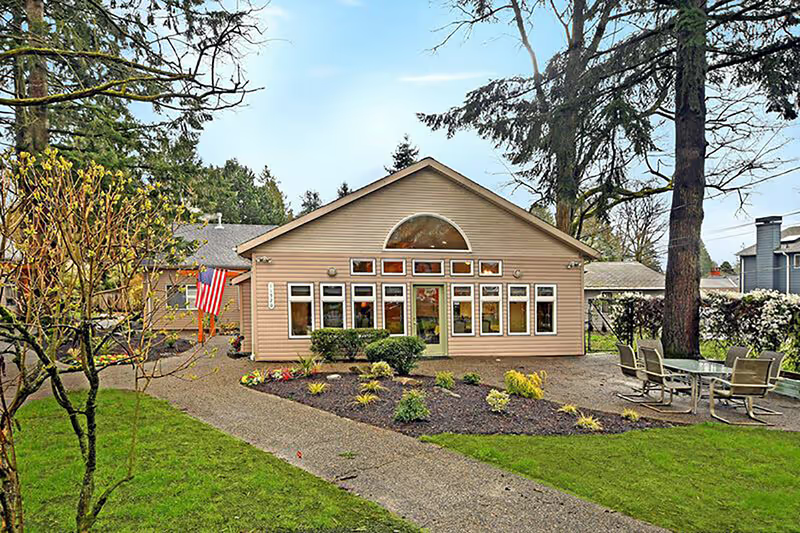
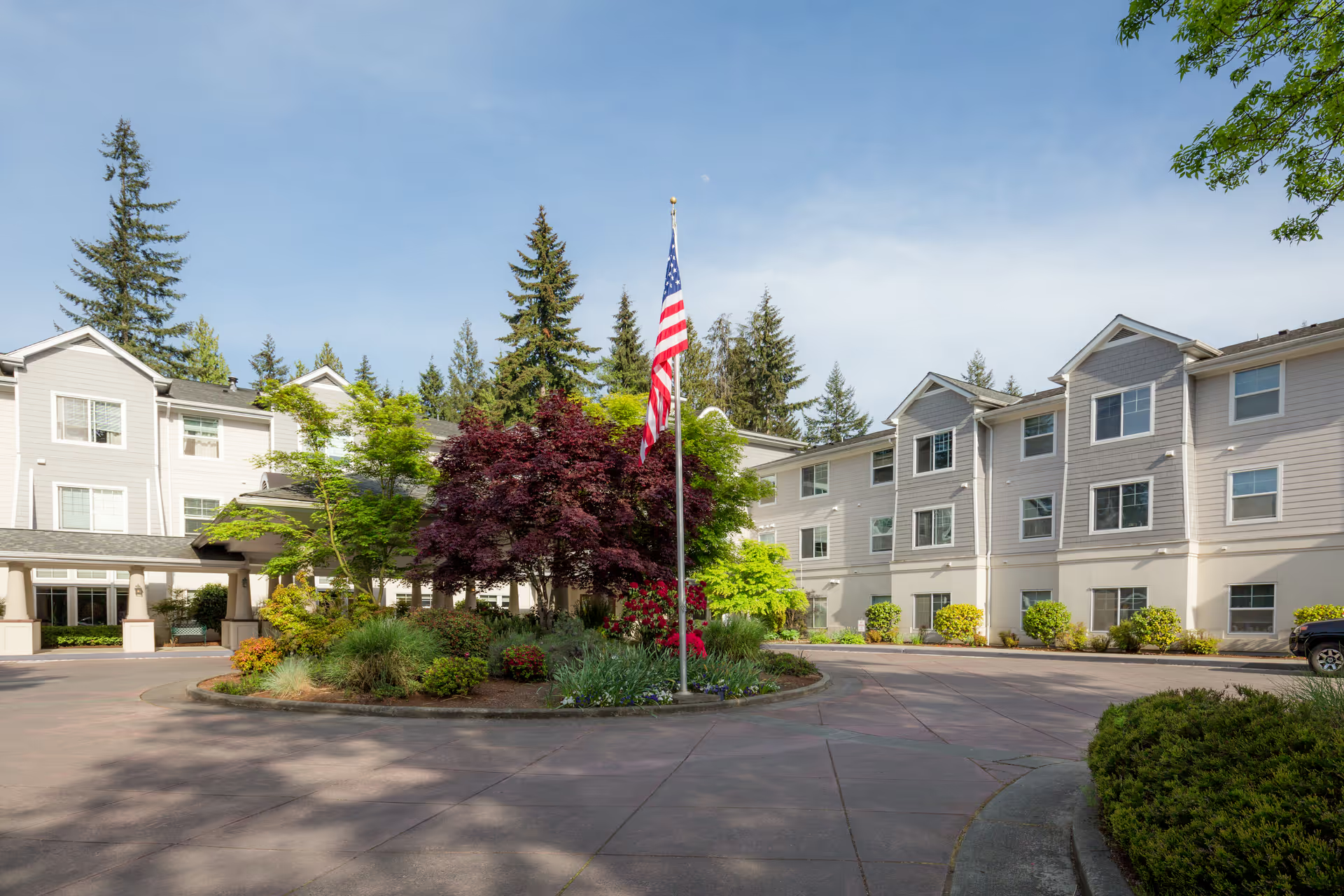
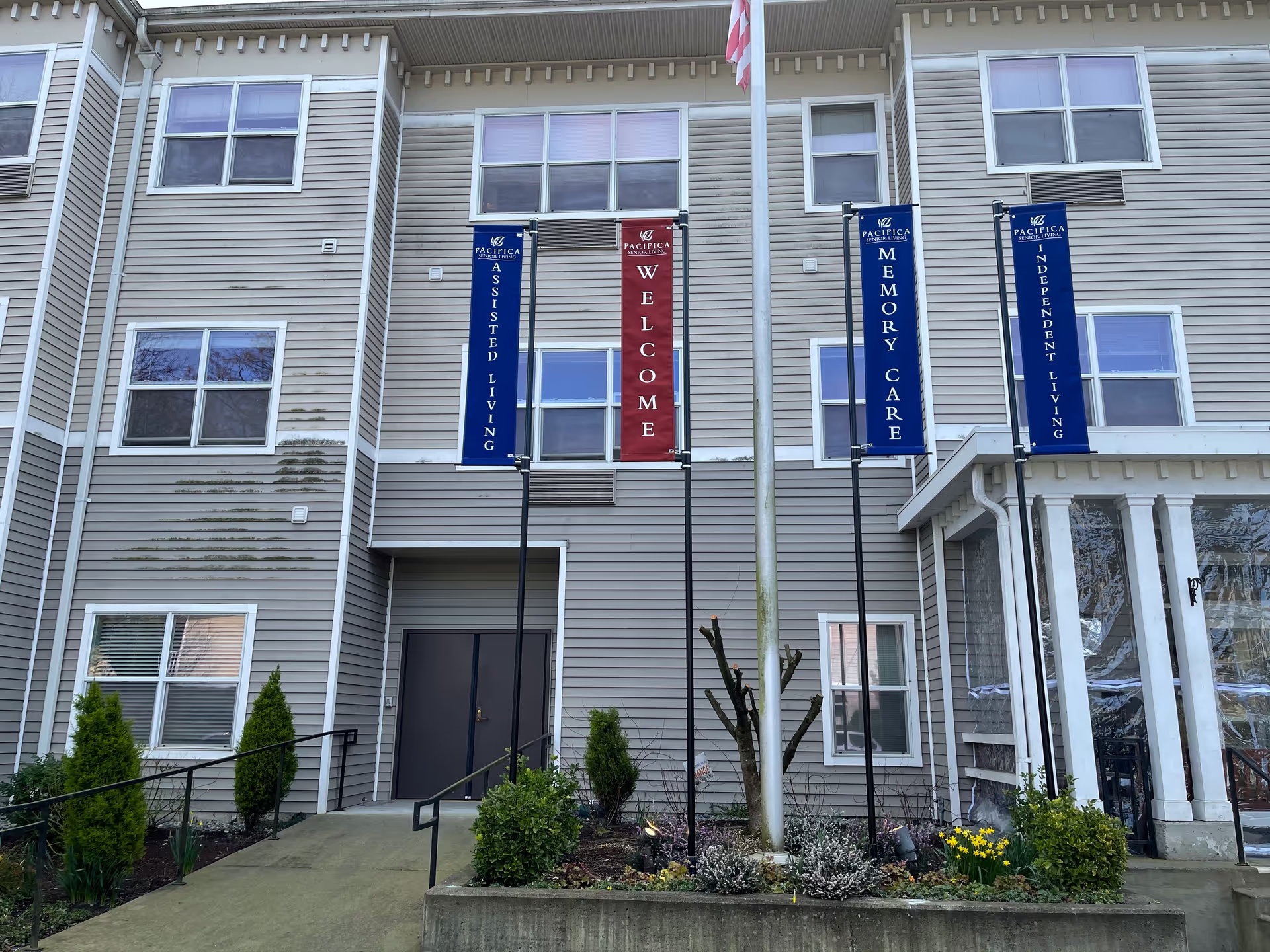
Reviews indicate a facility with several clear operational strengths alongside notable variability in resident experience. Positive descriptions emphasize clinical leadership by a nurse-owner and the presence of on-site RNs, which reviewers associate with knowledgeable care and personalized attention. Dining is repeatedly cited as a strength: a nutrition-focused monthly menu, high-quality meals, and family-style dining where residents eat with staff contribute to a home-like atmosphere. The physical environment is described as spacious and accessible, with large living areas, four-foot hallways with handrails, multiple accessible bathrooms, and in-room sinks. Social opportunities such as organized activities, a bus for outings, and family-invitation events for dinners or movies are present, although participation levels are sometimes questioned.
Contrasting accounts raise operational concerns that prospective residents and families should evaluate carefully. Several narratives point to inconsistent care delivery and staffing fragility — in particular, a heavy reliance on the owner/RN and a small core team that can lead to gaps in direct supervision. One reviewer alleged a delayed emergency response and limited follow-up communication during a hospitalization; this highlights broader facility-level issues such as gaps in emergency-response protocols, inconsistent family communication during incidents and transitions, and inconsistent admission/retention practices. Activity and social-stimulation offerings are adequate in scope but were described as insufficient by some families who wanted more regular programming.
Taken together, the pattern suggests Royal Manor AFH offers strong clinical leadership, good food, and a comfortable, accessible setting, resulting in many positive day-to-day experiences. At the same time, the variability in reports about responsiveness, supervision, and communication points to operational areas that can affect outcomes in higher-acuity situations. Prospective families should ask targeted questions about staffing levels and backups, written emergency-response procedures, protocols for notifying families during hospitalizations, admission and discharge policies, and the regularity of activity programming. Observing a mealtime and meeting the nurse-owner and on-site RNs can help clarify whether the facility’s strengths are a good match for a prospective resident’s clinical and social needs.