Highlander Elderly Care is described overall as a small, home‑style facility that emphasizes individualized, compassionate care. Review content highlights around‑the‑clock availability and hands‑on caregiving: staff are characterized as hardworking, respectful, and attentive, and families note regular personal‑care services (daily bathing and occasional massages). Several comments express that the facility provided comfort‑focused support during residents' final stages of life.
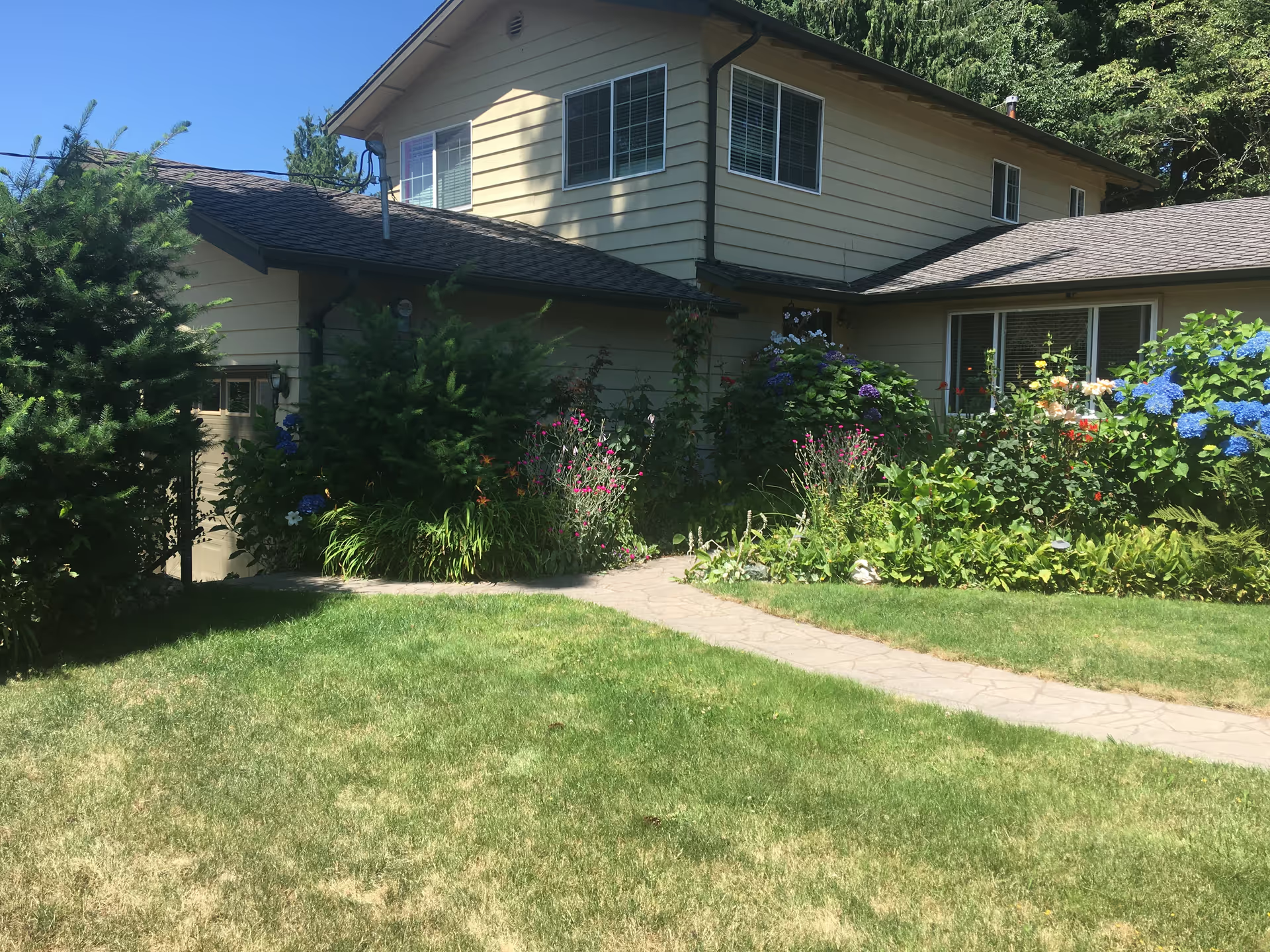
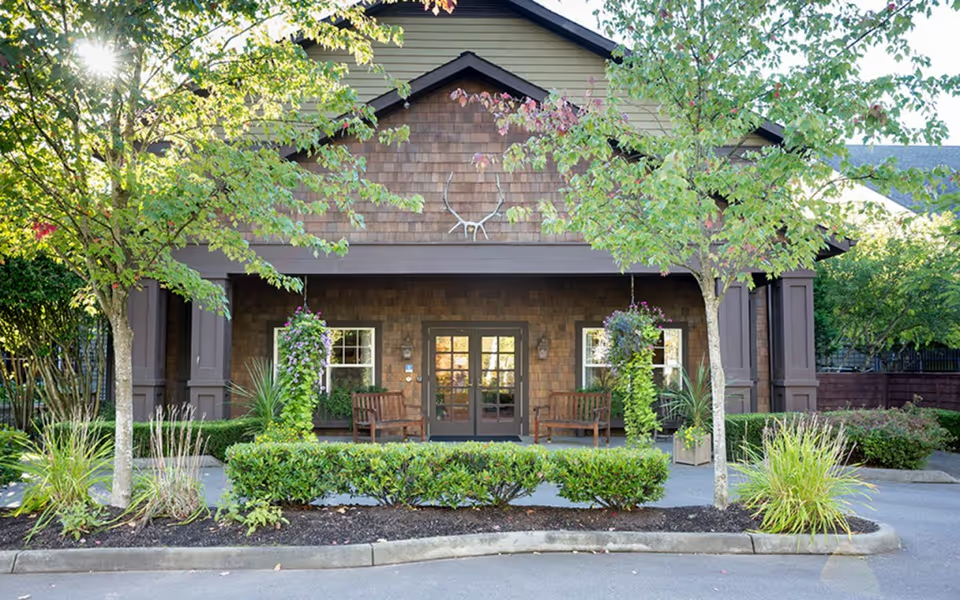
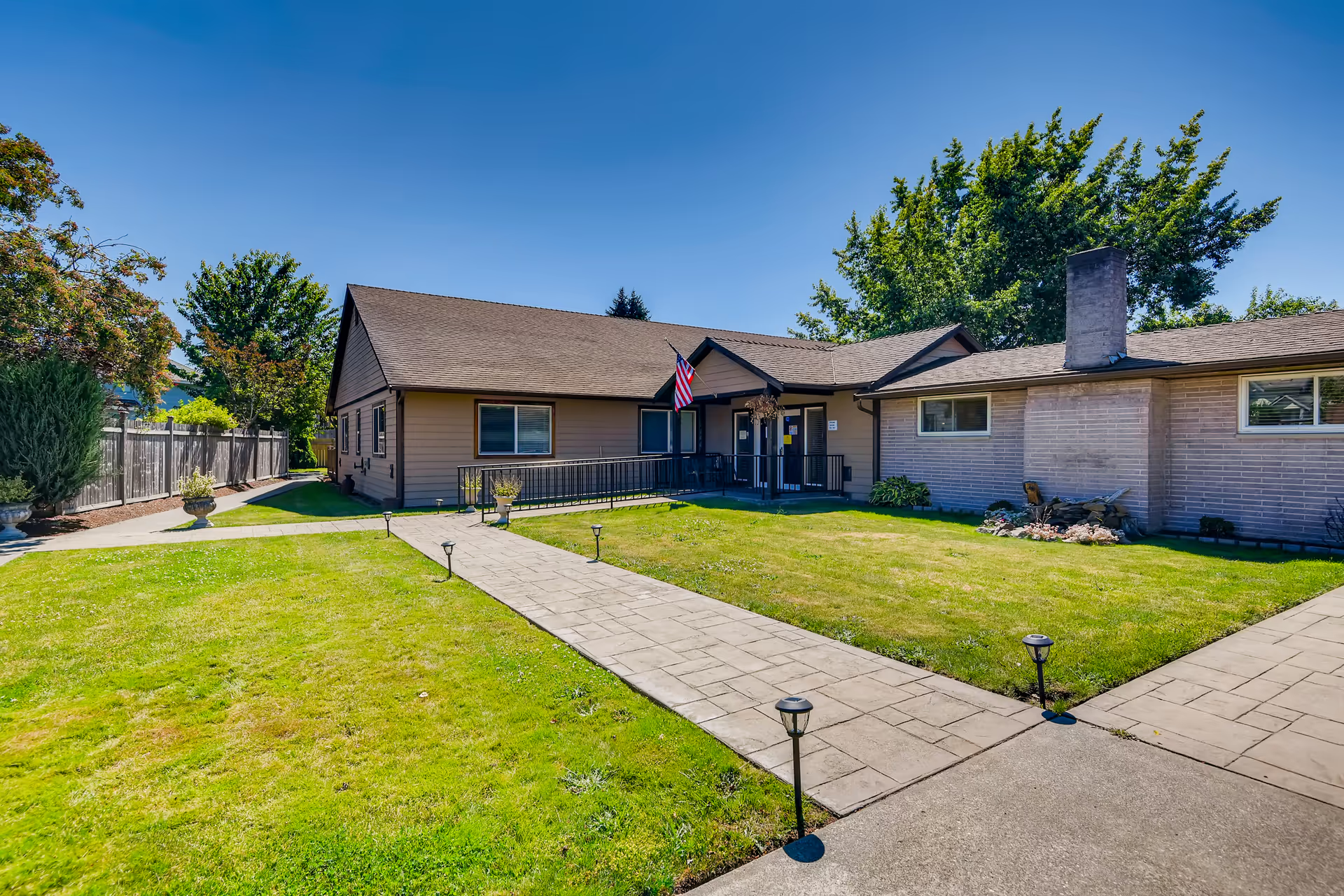
The physical environment and dining are repeatedly framed as strengths. The home is described as neat, clean, and well laid out, and meal service is characterized as appetizing and home‑style. The scale and layout appear to support a homelike atmosphere that many families find comforting. Ownership and management are noted as personable and engaged in the day‑to‑day.
Activity offerings appear variable. Some residents benefit from organized social options—examples include weekly poker and family‑style gatherings—contributing to the family‑like feel. However, other comments indicate minimal programming beyond television, suggesting that activity frequency and variety may be uneven and could depend on occupancy, resident preferences, or staff availability.
The principal operational concern suggested by the reviews is staffing consistency. While many accounts praise attentive caregivers, at least one comment points to a scarcity of caretakers and limited resident presence; this pattern can translate into uneven coverage and fewer opportunities for social interaction when census is low. Prospective residents and families should clarify current staffing levels, the daily activity schedule, and typical occupancy when evaluating suitability.
In summary, Highlander Elderly Care presents as a small, clean, and personally managed home that delivers compassionate, attentive care and comforting meals in a family‑oriented setting. The tradeoffs to assess are the facility's small scale and potential variability in staffing and activity programming—factors that can affect social engagement and the consistency of nonmedical services. Families seeking a homelike environment with strong interpersonal caregiving may find this setting appropriate, provided they confirm current staffing patterns and activity offerings meet their expectations.