Overall impression: Reviewers present a mixed but patterned view of Silverstone AFH. Many families and long-term residents praise the home for its organized, compassionate caregiving, clean and comfortable interior, and an active program of outings and activities. At the same time, a smaller but serious set of accounts describe operational and communication shortcomings that prospective families should evaluate during a tour and before admission.
Care quality and staffing: Positive comments emphasize attentive, loving caregiving, knowledgeable staff, and round-the-clock availability that made residents feel safe and comfortable. Reviewers noted an efficient staff workflow and well-organized rooms. Conversely, some families experienced a decline in responsiveness as residents' needs increased; these accounts point to inconsistency in how the facility adapts care levels over time. In addition, a few reports raise incontinence-care concerns and delays in attention, indicating potential gaps in basic personal-care practices when acuity rises.
Activities and daily life: The home receives consistent praise for its social programming. Reviewers cited engaging outings, activities, and individualized attention to residents' lives, which contributed to resident satisfaction and a homelike atmosphere. Multiple comments describe the facility as spacious, well laid out, and spotless inside, which supports a comfortable daily environment for residents.
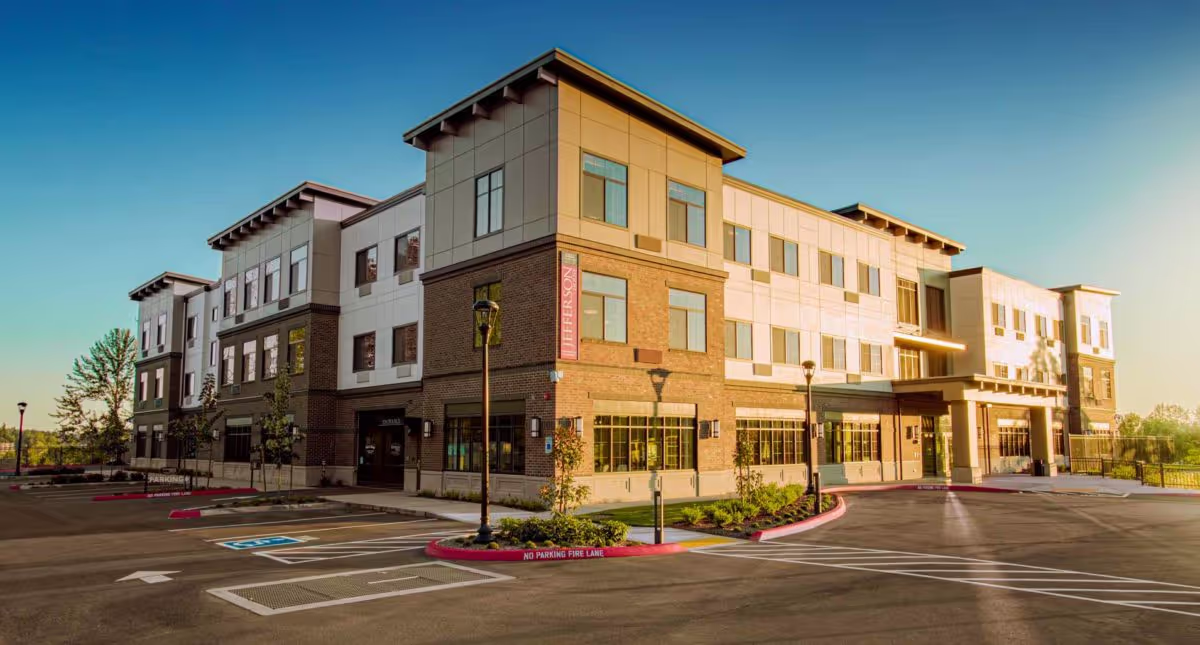
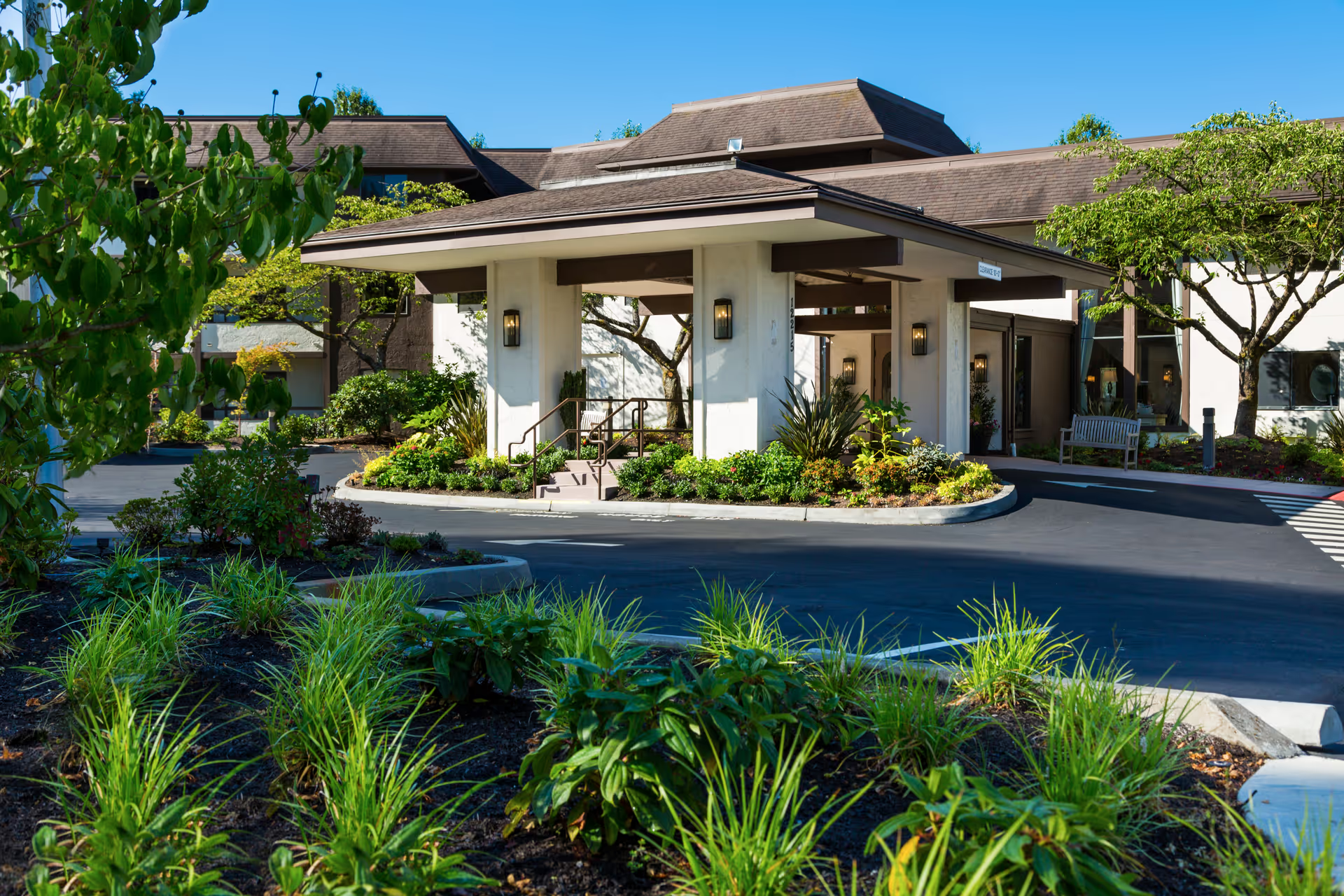
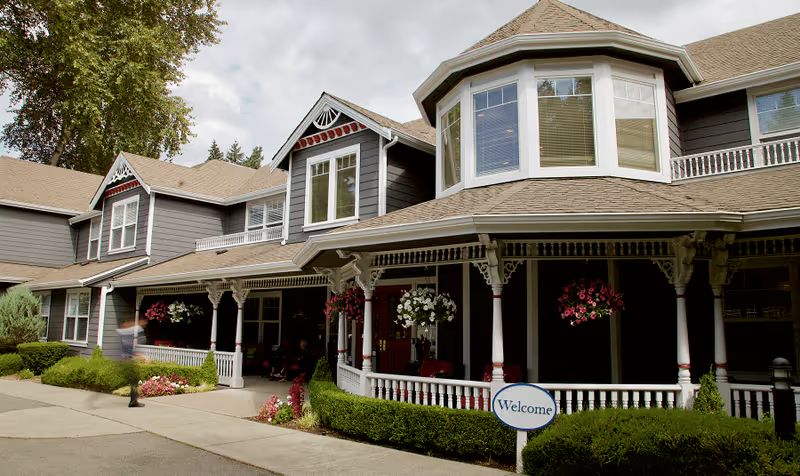
Facilities and amenities: Internally the facility is described as clean, well-maintained, and pleasantly scented, with well-appointed rooms. Outdoor amenities appear limited; reviewers specifically noted a lack of lawn, trees, or landscaped green space, which may be a consideration for families who prioritize outdoor access.
Management and communication: Experiences with management are mixed. Some families felt grateful and able to collaborate effectively with staff; others described confrontational interactions and abrupt resident transitions. The most serious operational pattern is a lack of consistent communication and follow-through around changes in care needs and transitions out of the home. There are also mentions of inconsistent use or application of supplies and individualized care plans, which suggest procedural gaps rather than uniformly poor intent.
Notable patterns and recommendations: The dominant positive pattern is strong day-to-day caregiving, cleanliness, and active programming that satisfies many long-term residents. The dominant concern pattern is variability—particularly when a resident's care needs escalate—manifesting as responsiveness gaps, inconsistencies in care-plan implementation, and family–management communication problems. Prospective residents and families should ask targeted questions during tours: how the facility assesses and responds to increasing care needs, how incontinence and other personal-care tasks are managed and documented, what the discharge/transition policy is, and how families are notified and involved in care changes. Requesting recent care-plan examples, staffing ratios for higher-acuity needs, and references from current families can help clarify whether Silverstone AFH's strong day-to-day practices will meet an individual resident's longer-term needs.