Overall impression: The reviews describe a facility with notable strengths in interpersonal caregiving but consistent operational shortcomings that affect clinical reliability and daily living conditions. Families and visitors frequently mention warm, attentive direct-care staff and instances of effective director communication; however, these positives coexist with repeated accounts of systemic issues such as staffing shortages and gaps in clinical oversight.
Care and clinical oversight: Care quality appears mixed. Several accounts praise individual caregivers for compassion and relationship-building, and dementia care is described as stable for some residents. At the same time, reviewers identify important clinical gaps: missed or incorrect medication doses tied to outdated records, limited regular nurse presence, and shortcomings in pressure-area prevention and repositioning. These patterns point to inconsistent clinical monitoring and the need to confirm nursing schedules, medication reconciliation processes, and protocols for pressure-area and mobility care before placement.
Staffing and responsiveness: Staffing levels emerge as a recurring concern. Understaffing is linked to slower response times to resident calls and family requests, and to the need for families to check on loved ones frequently. Night staff are noted as compassionate in some accounts, but overall staffing variability appears to affect timeliness of care and consistency of routine assistance.
Dining and activities: Feedback on dining is inconsistent—some reviewers praise the food, while others describe poor meals—indicating variability in meal quality or service. Activity programming is described as limited or absent in some accounts, suggesting the facility may have constrained engagement options for residents. Prospective residents should request current menus, sample meals if possible, and an activities schedule during a tour.
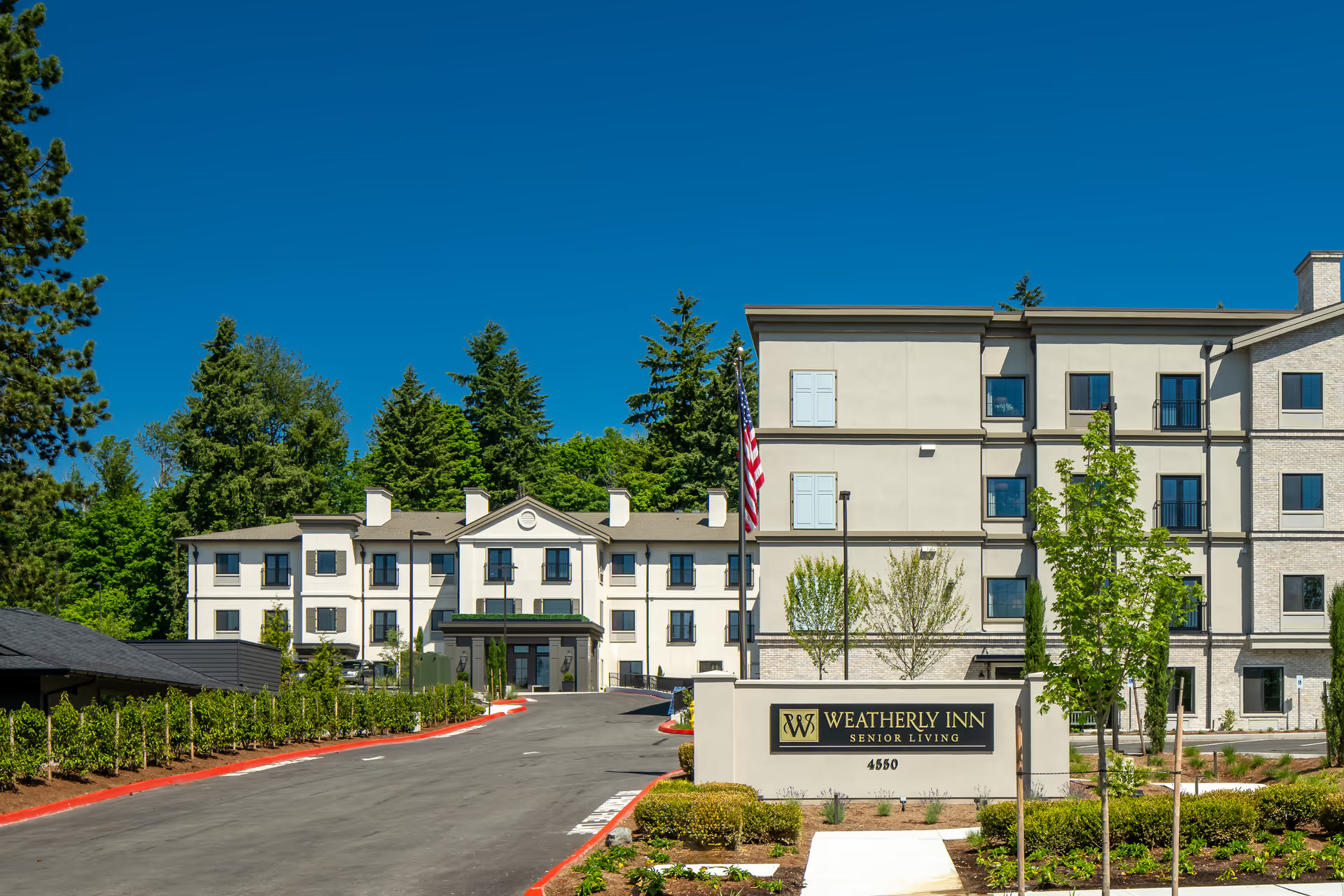
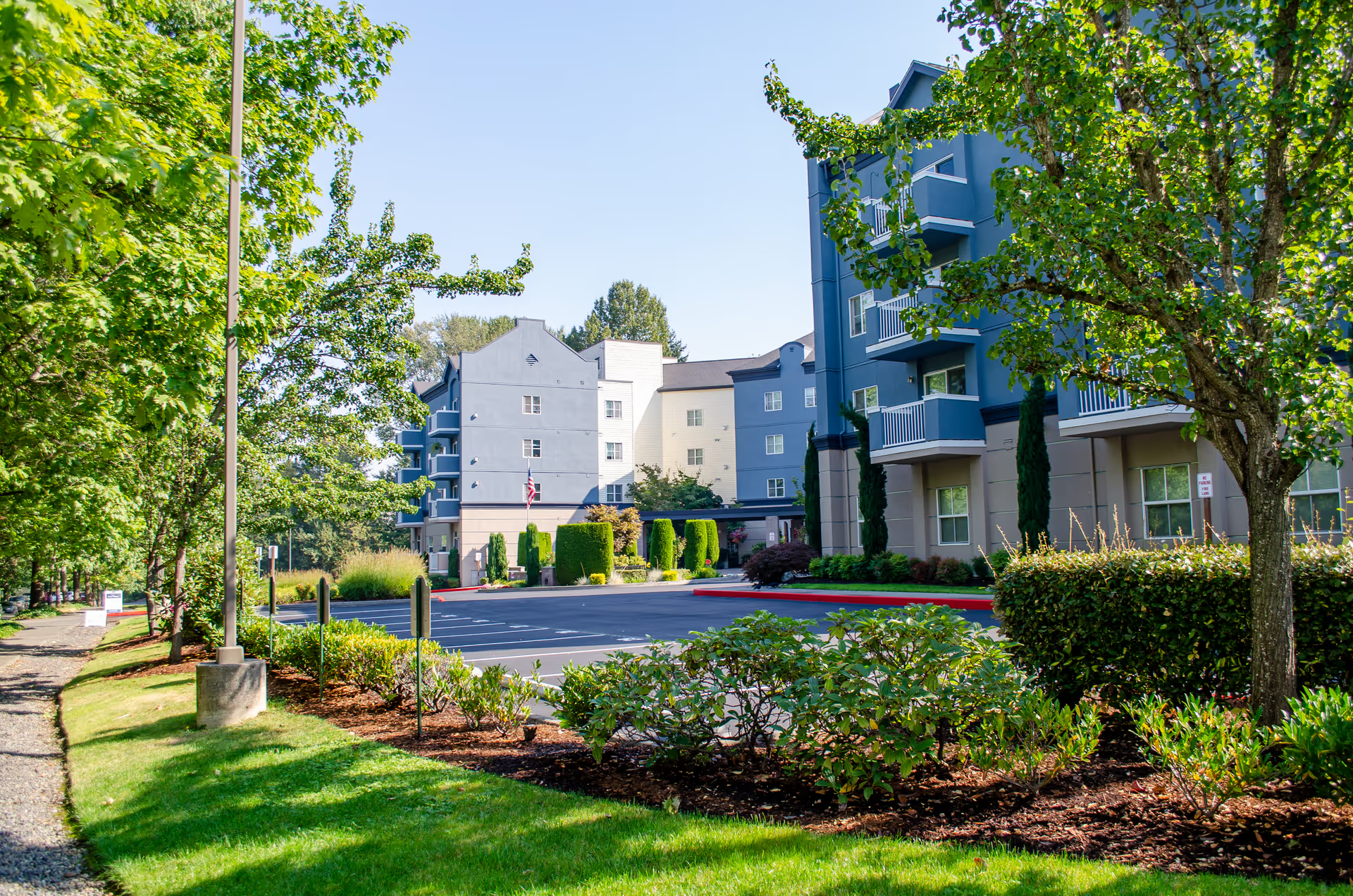
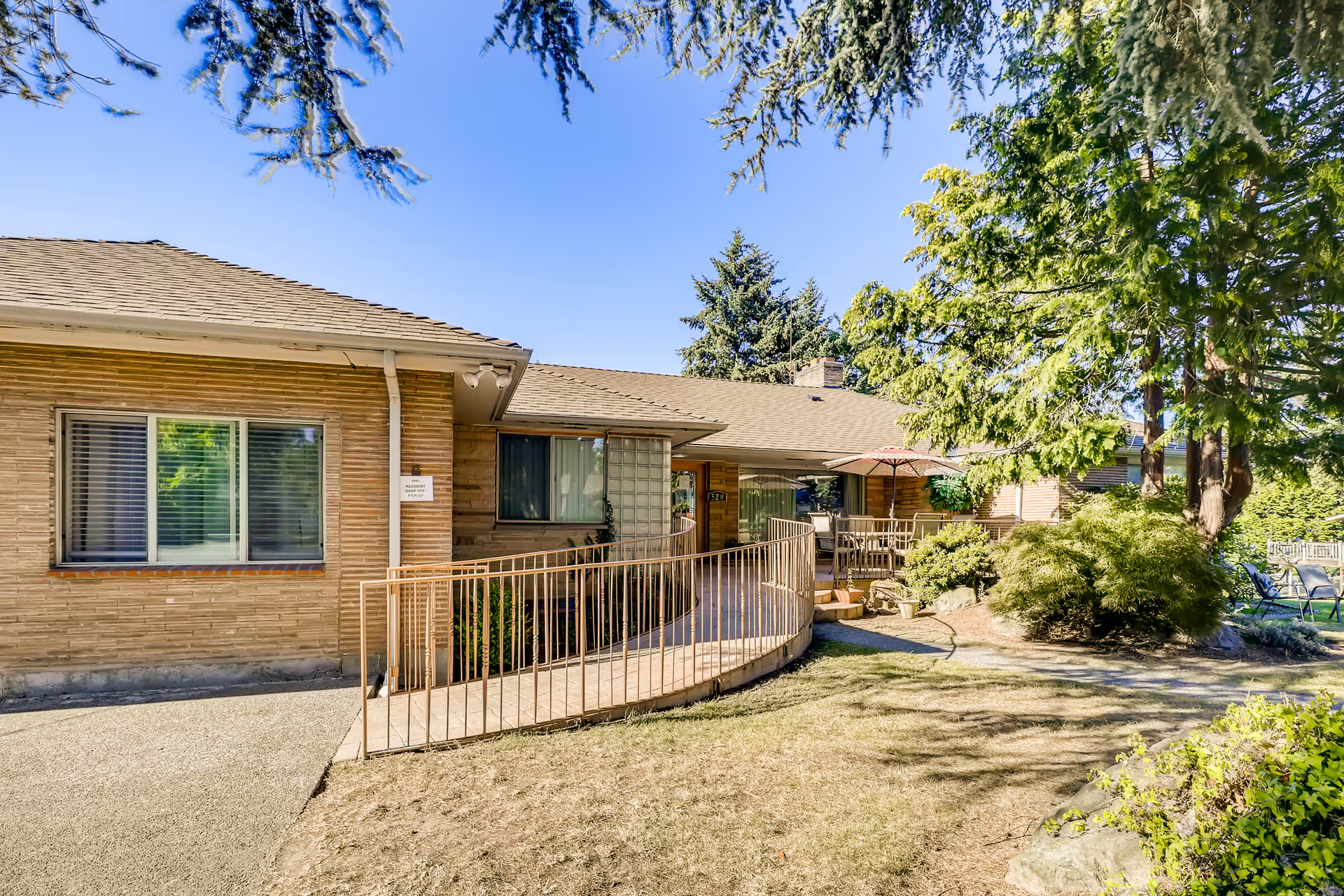
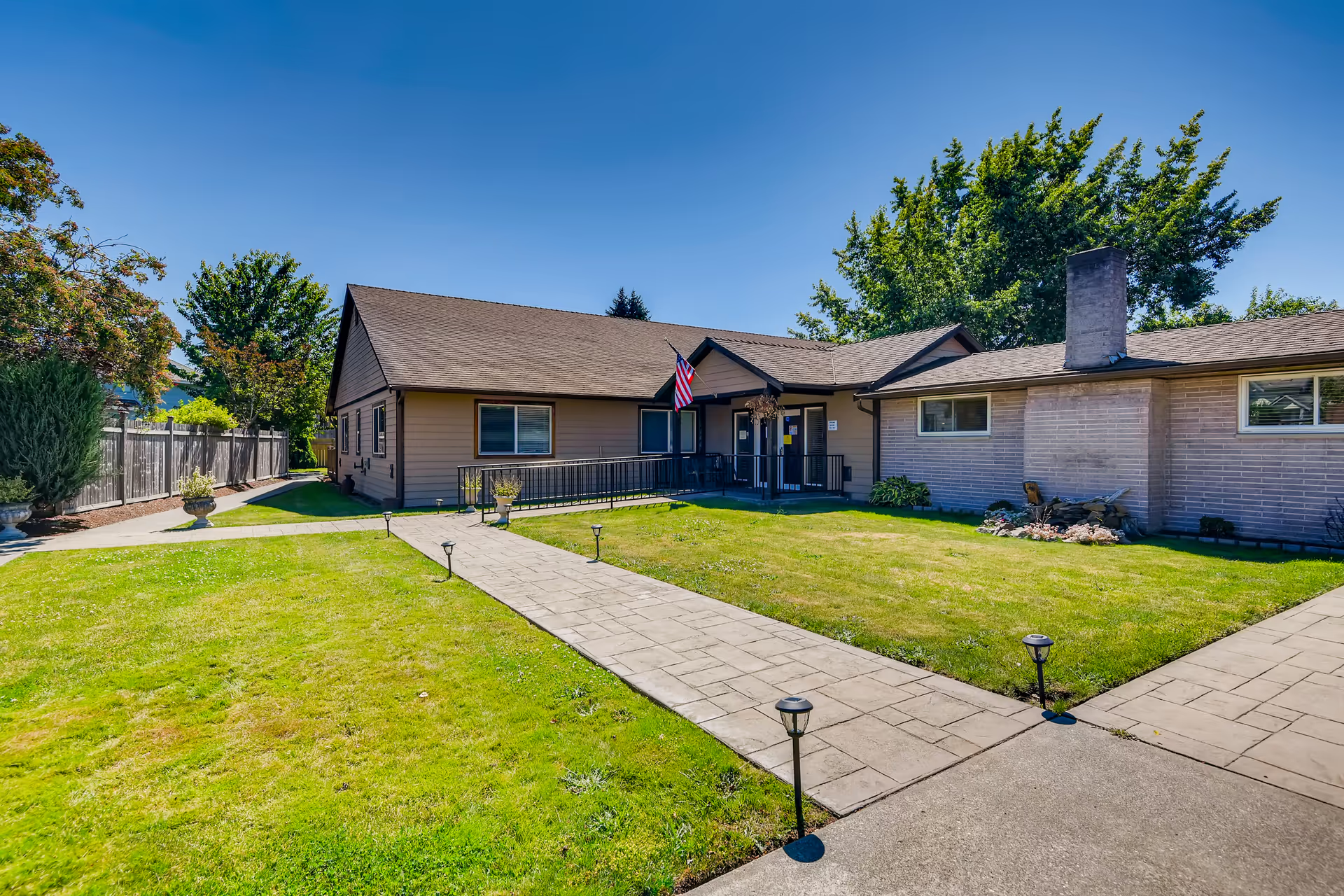
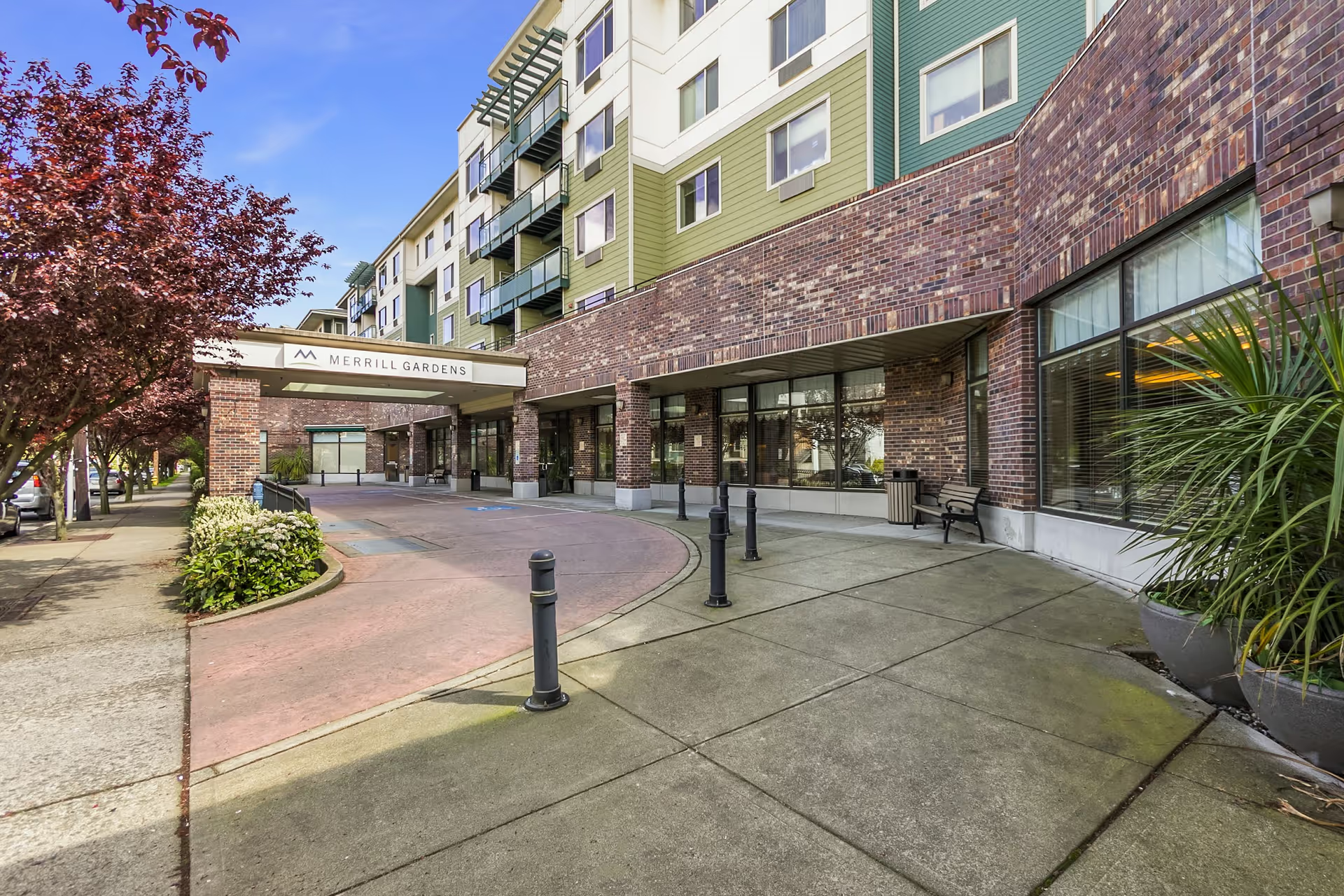
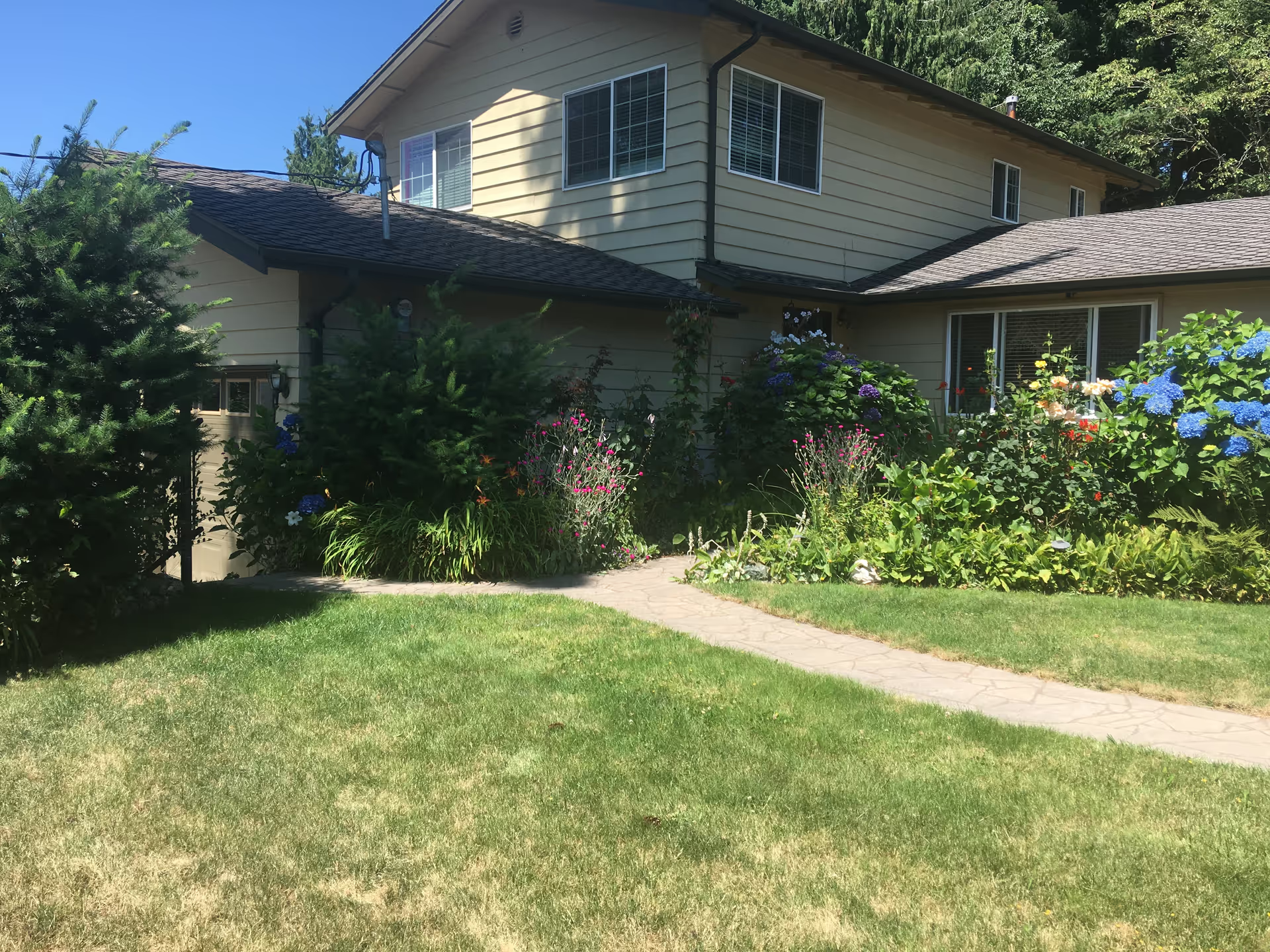
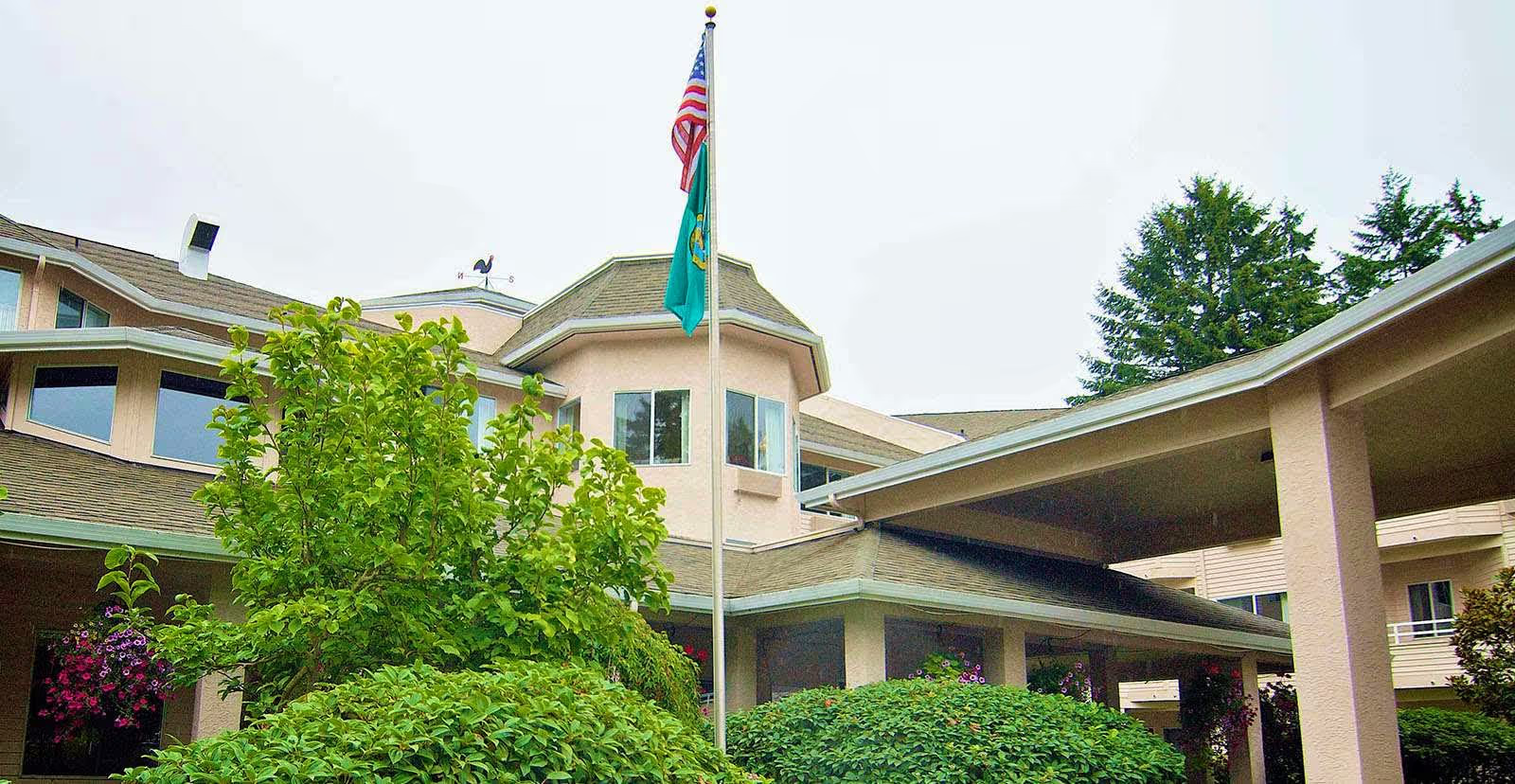
Facilities and housekeeping: The site offers positive features for visitors, including outdoor spaces and private visiting areas, and some families appreciate options such as shared-room arrangements and assisted laundry with clothing checks. However, there are cleanliness concerns in resident areas (for example, carpeting and general housekeeping), which point to uneven environmental maintenance. Confirm cleaning schedules and inspect resident rooms and common areas during a visit.
Management, contracts, and communication: Management responsiveness has mixed reports: the director is described as reachable by text in some accounts, yet there are consistent complaints about unclear room-assignment practices and contracts that did not specify actual room configurations. Families also describe frustration with visitation scheduling and movement of residents between rooms. Prospective families should obtain a written room assignment policy, clarify contract language about room type and roommate arrangements, and ask how visitation is scheduled and communicated.
Notable patterns and recommendations: The dominant patterns are strong individual caregiver relationships combined with systemic operational weaknesses—primarily understaffing, gaps in medication and nursing oversight, cleanliness inconsistencies, and limited activities. When evaluating this facility, it would be prudent to verify current staffing ratios, nurse coverage, medication-administration protocols, pressure-area prevention procedures, recent housekeeping audits, activity schedules, and contract terms. Observing a mealtime, touring resident rooms, and speaking with families currently using the facility can help assess whether the positive caregiving culture is supported by reliable operational practices.