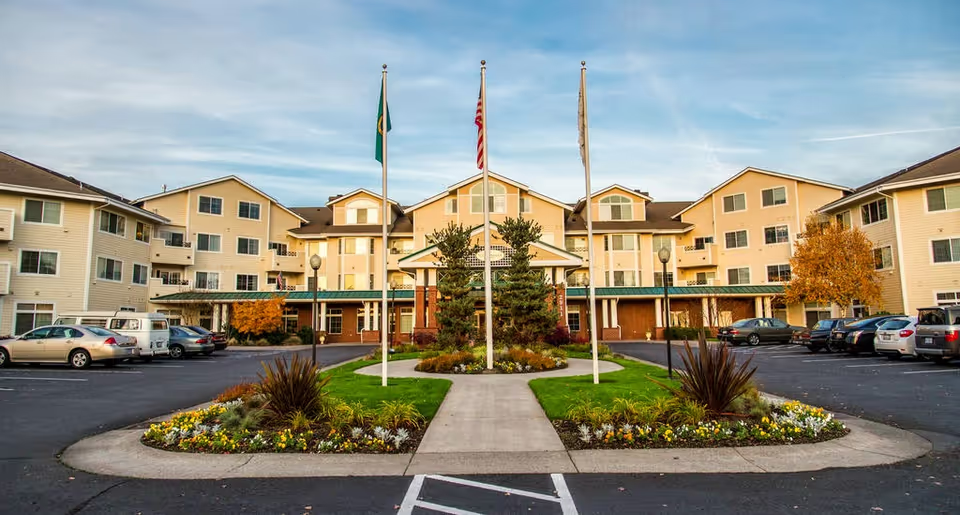
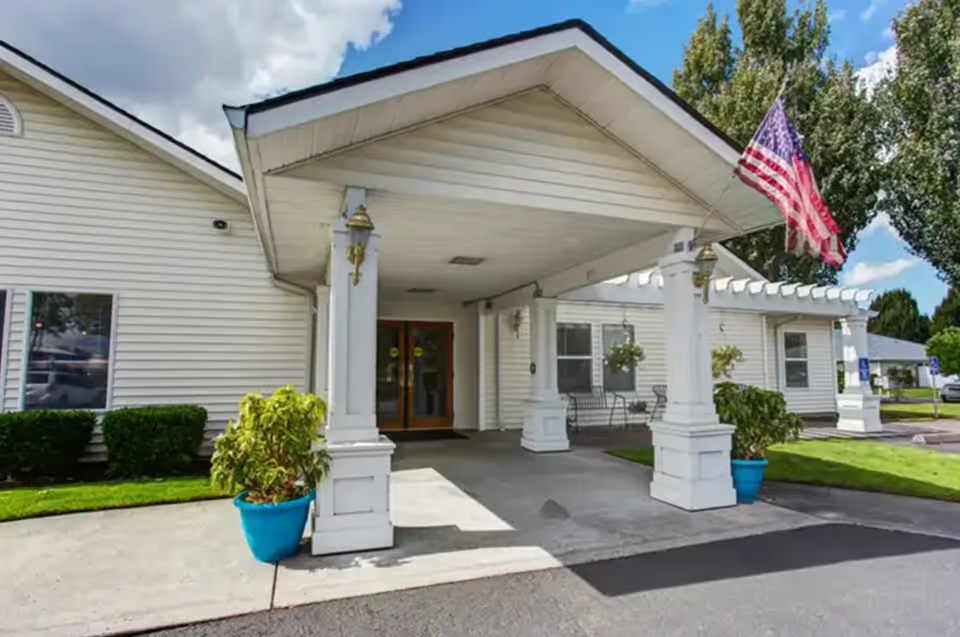
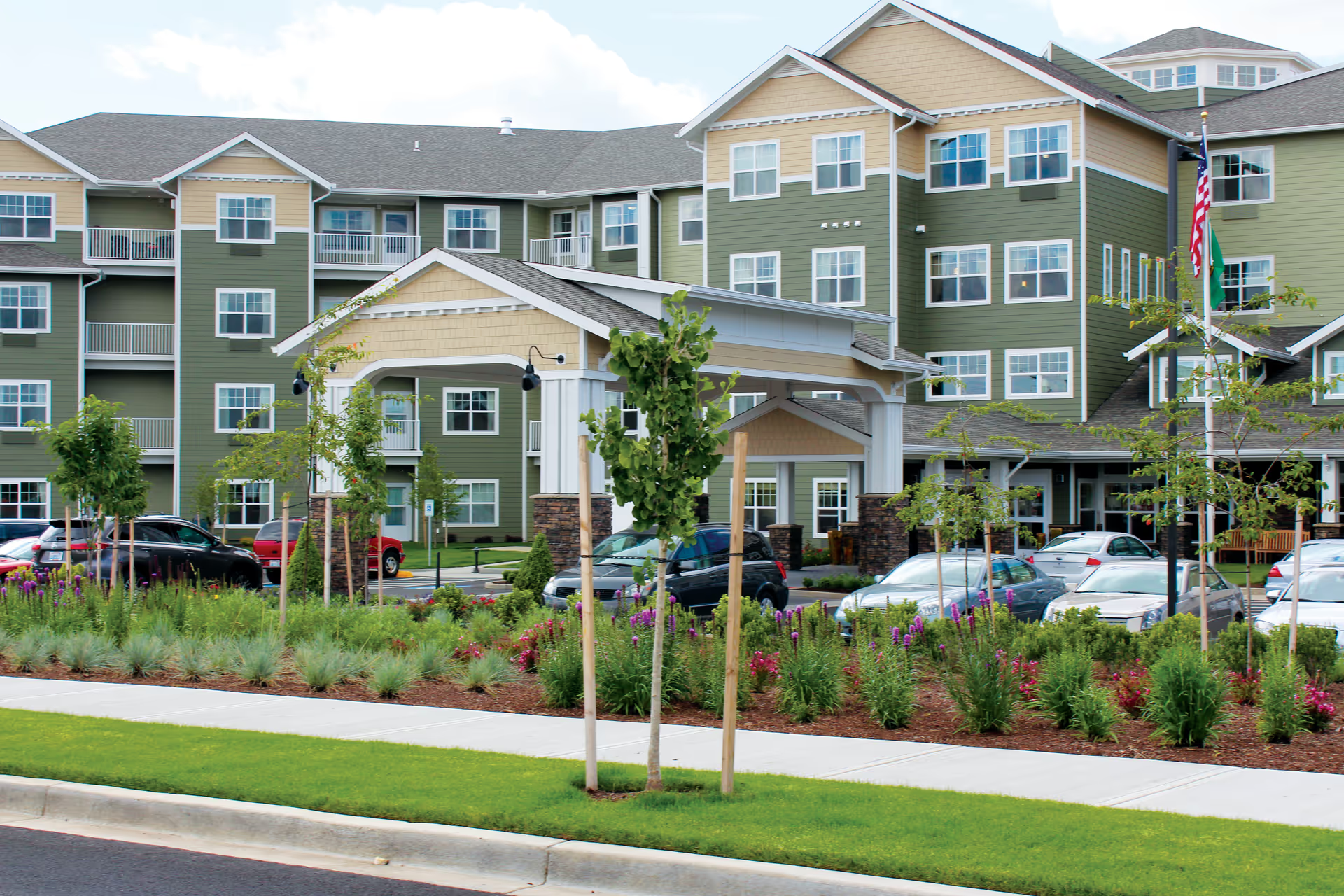
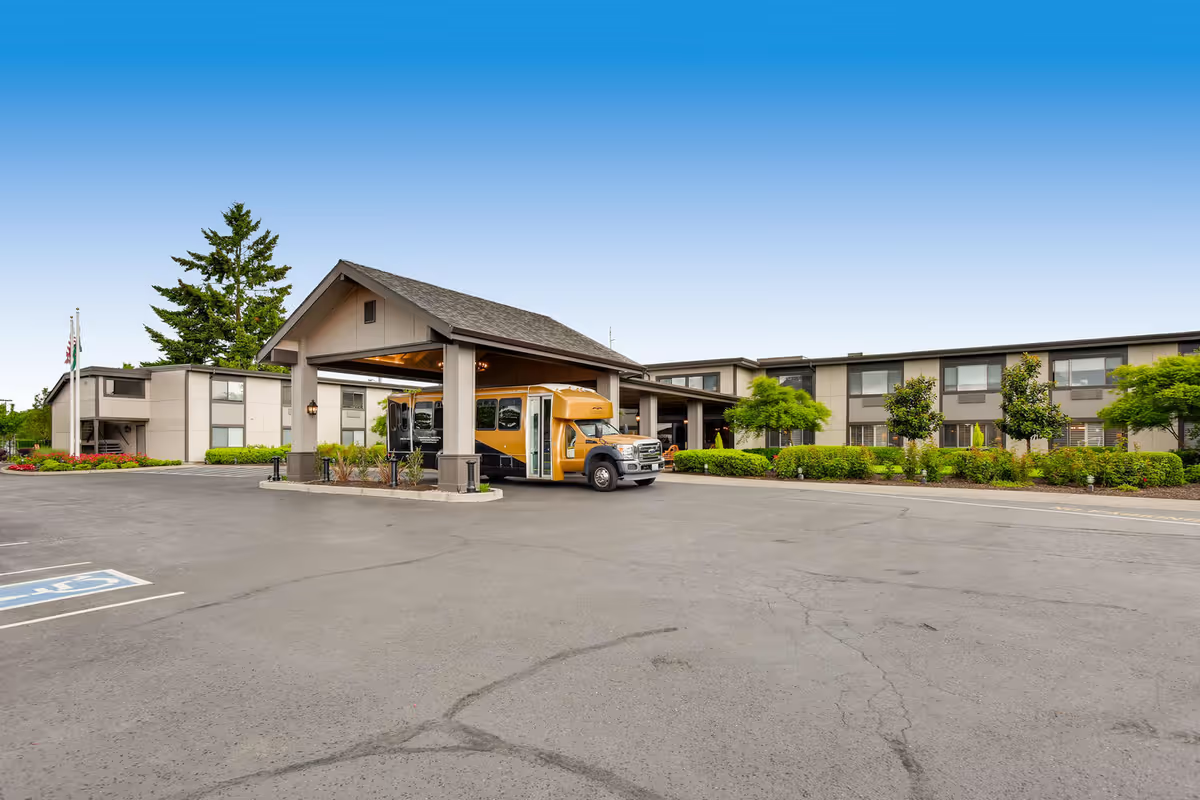
Orchid Adult Family Home presents a mixed but clearer-than-average profile: several reviewers praised the physical environment and daily-life experience while others raised operational concerns. The facility is described as a beautiful, well-kept home with clean rooms, pleasant common areas, and residents who appear content and engaged. Families highlighted a positive move-in experience, accessible guidance about placement and care options, and an ability to coordinate clinical needs — including on-site nursing assessments and collaboration with physicians — particularly for memory-care residents.
Care quality and staff behavior emerged as a central theme. Positive comments emphasize compassionate, kind caregivers and the value of 24/7 on-site staffing and clinical coordination. These strengths suggest an orientation toward personalized, family-facing care and effective clinical collaboration in many situations. At the same time, multiple accounts point to operational strain: caregiver staffing levels appear insufficient at times, producing high workloads that can delay service and reduce responsiveness. Reviewers also described instances of unprofessional handling of workload and challenges reaching staff by phone, indicating inconsistent family communication during busy periods.
Dining, activities, and facilities attracted favorable remarks. Meals were described as flavorful and well-prepared, and the home’s upkeep contributes to a pleasant residential atmosphere. Memory-care needs were specifically cited as well managed in several experiences, and staff members were noted to provide transparent guidance about care options and placement advantages, making the home a useful resource for families navigating placement decisions.
Taken together, the pattern is one of solid environmental and interpersonal strengths tempered by operational weaknesses tied to staffing and communication systems. Prospective families should weigh the facility’s positive care culture, clinical coordination, and living environment against the potential for delays and inconsistent responsiveness during peak workload periods. When evaluating the home in person, consider asking about current staffing ratios, typical response times for phone and in-person requests, nurse coverage and clinical oversight, and examples of how the team manages busy shifts. Observing the home during a meal or shift change and speaking with the administrator and current families can help determine whether the facility’s strengths align with a prospective resident’s needs.