Overall sentiment in the reviews is sharply mixed, with a substantial number of reviewers praising the staff, cleanliness, amenities and rehab services, while other reviewers report serious clinical, administrative and financial problems. The most consistent positive themes are the presence of caring, friendly and compassionate staff (several reviewers name individual employees positively), a clean and well-kept campus, and good rehabilitation/therapy outcomes for some residents. Multiple reviewers emphasize the small, community-like atmosphere, accessible grounds (walking trails, birdfeeders, courtyard), and on-site amenities such as a pool, gym, dining area and occasional social activities (summer concerts, bus trips). Several families reported proactive communication, attentive nursing and aides, and a smooth admission or rehab experience; a long-tenured resident (nearly 20 years) and multiple "highly recommend" comments indicate satisfaction and continuity for some long-stay residents.
However, serious negative themes recur across reviews and cannot be overlooked. A number of reviewers describe understaffing, rushed or irritable frontline caregivers, and delayed responses to resident needs (one example cited a 45-minute wait). There are specific clinical complaints including delayed pain medication administration, unaddressed constipation leading to ER visits and invasive interventions, and alleged neglect of basic toileting and hygiene needs (bed pans, diaper changes). Several accounts describe staff behaving differently when family is present, and some families felt complaints were disregarded or met without empathy. The skilled nursing side receives mixed commentary: a few reviewers laud the clinical team and rehab services as outstanding, while at least one described the skilled side as "hospital-like" and often smelly.
Financial and administrative concerns form another prominent negative cluster. Multiple reviewers report severe billing and discharge problems: insurance or Medicaid issues (claims not filed, unclear MA status), delayed or poor discharge planning, and in extreme cases allegations of predatory behavior—lies to families, liens on homes, unaffordable bills and the risk of foreclosure. These are serious accusations that suggest families should scrutinize contracts and billing procedures carefully. Several reviewers characterize management as profit-driven, misleading during tours, or untrustworthy; some go as far as calling the facility corrupt or warning others strongly against placement. Pricing and perceived value are also a concern for some: several reviewers called the community overpriced for the services received.
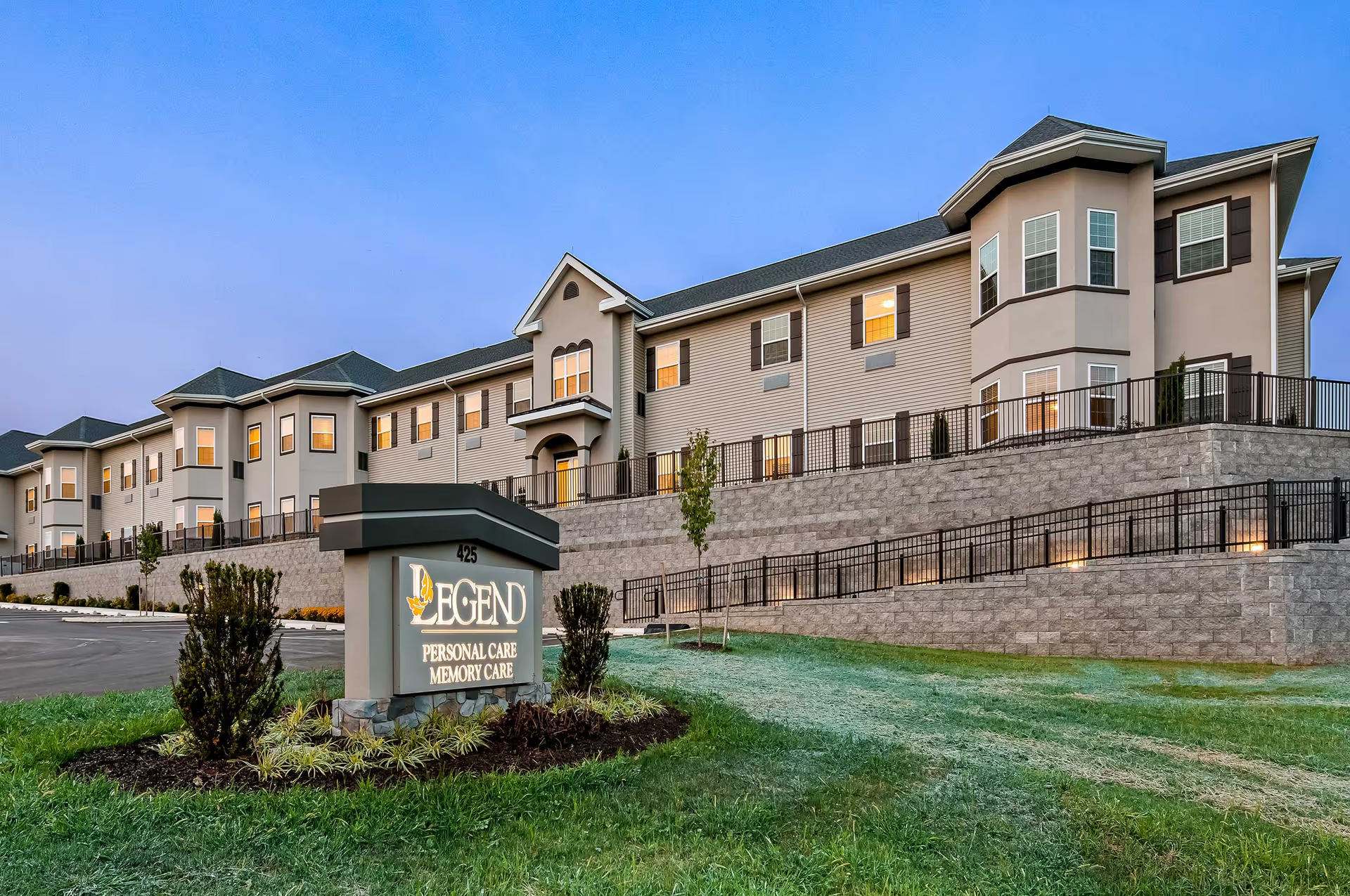
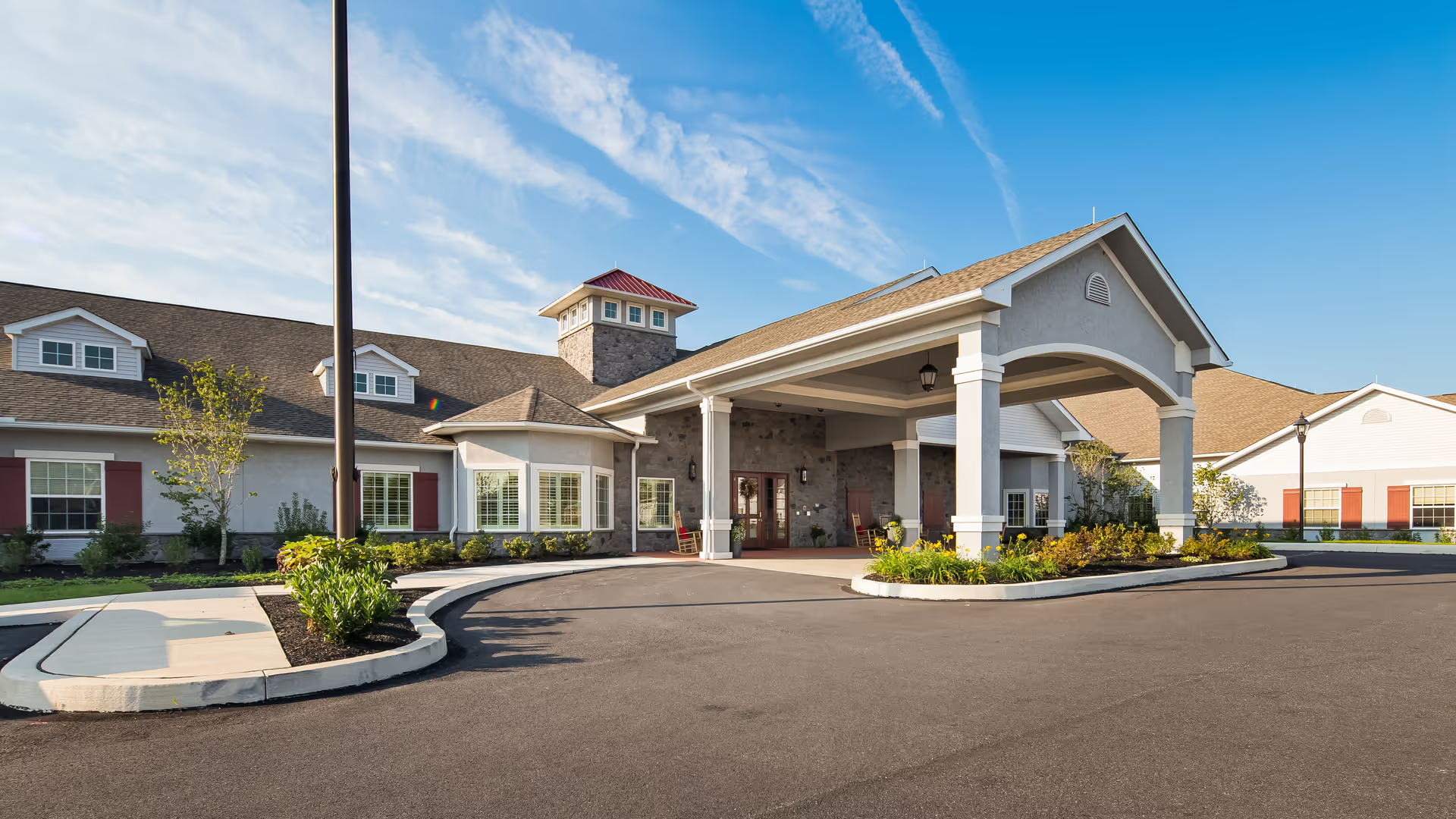
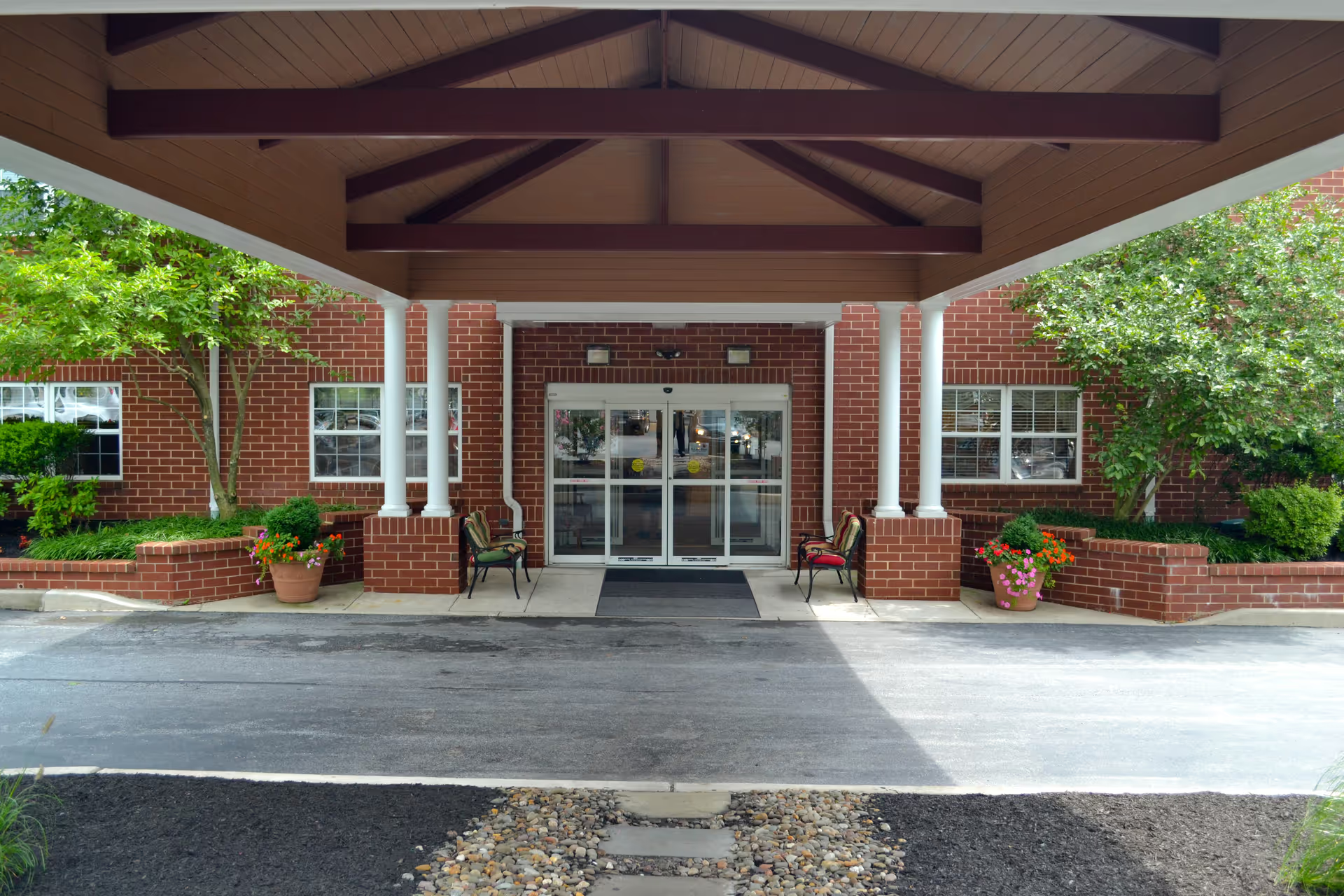
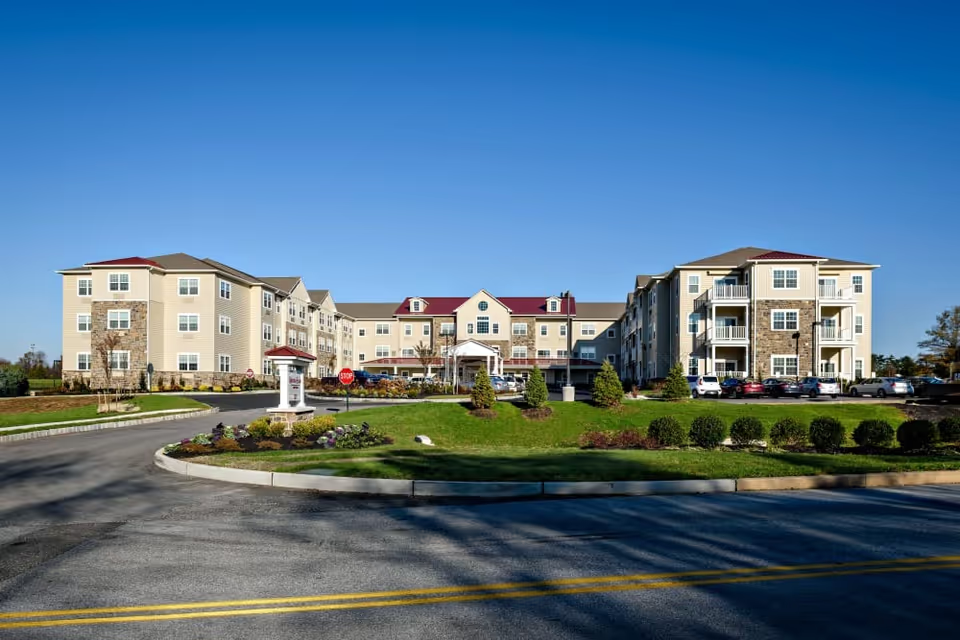
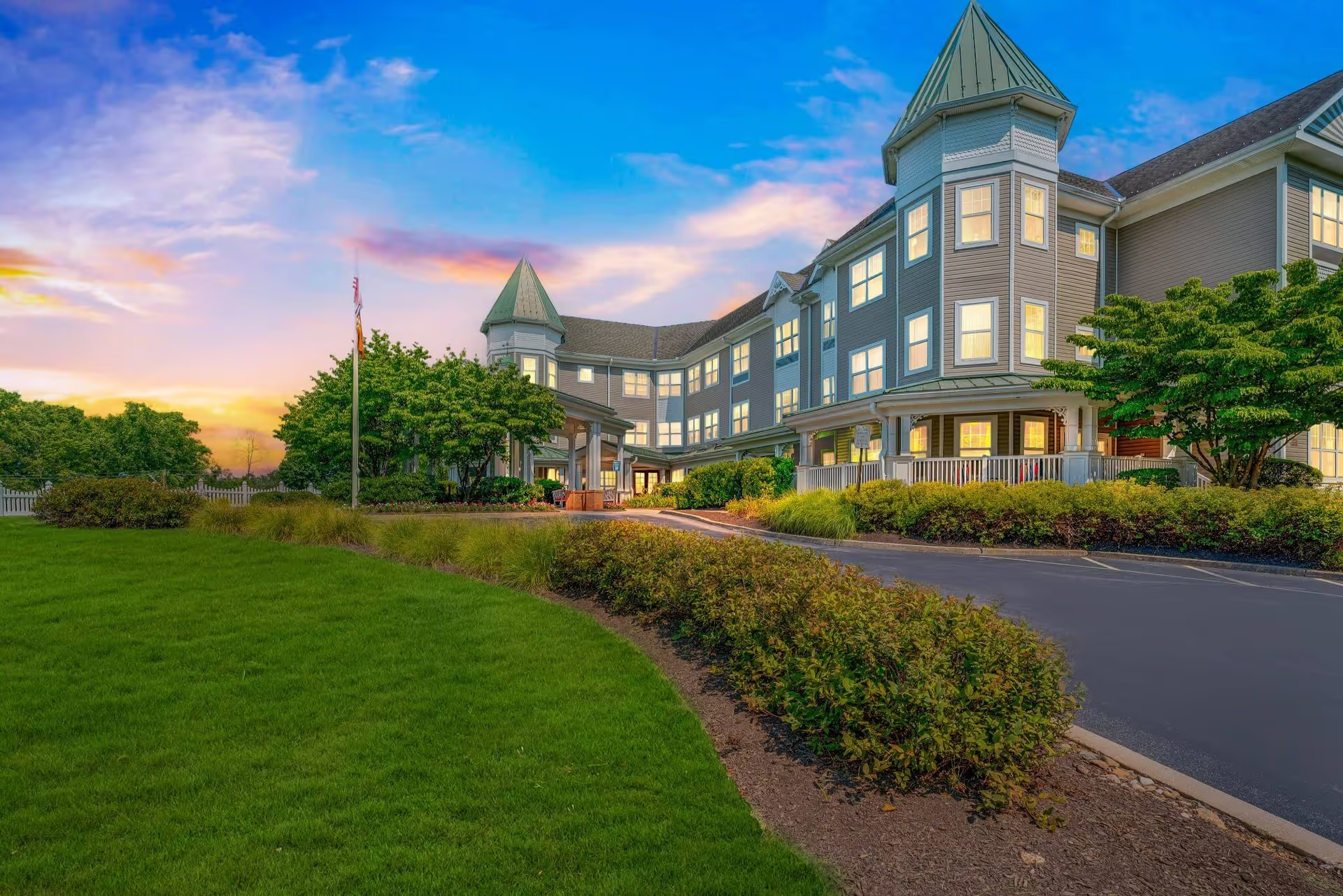
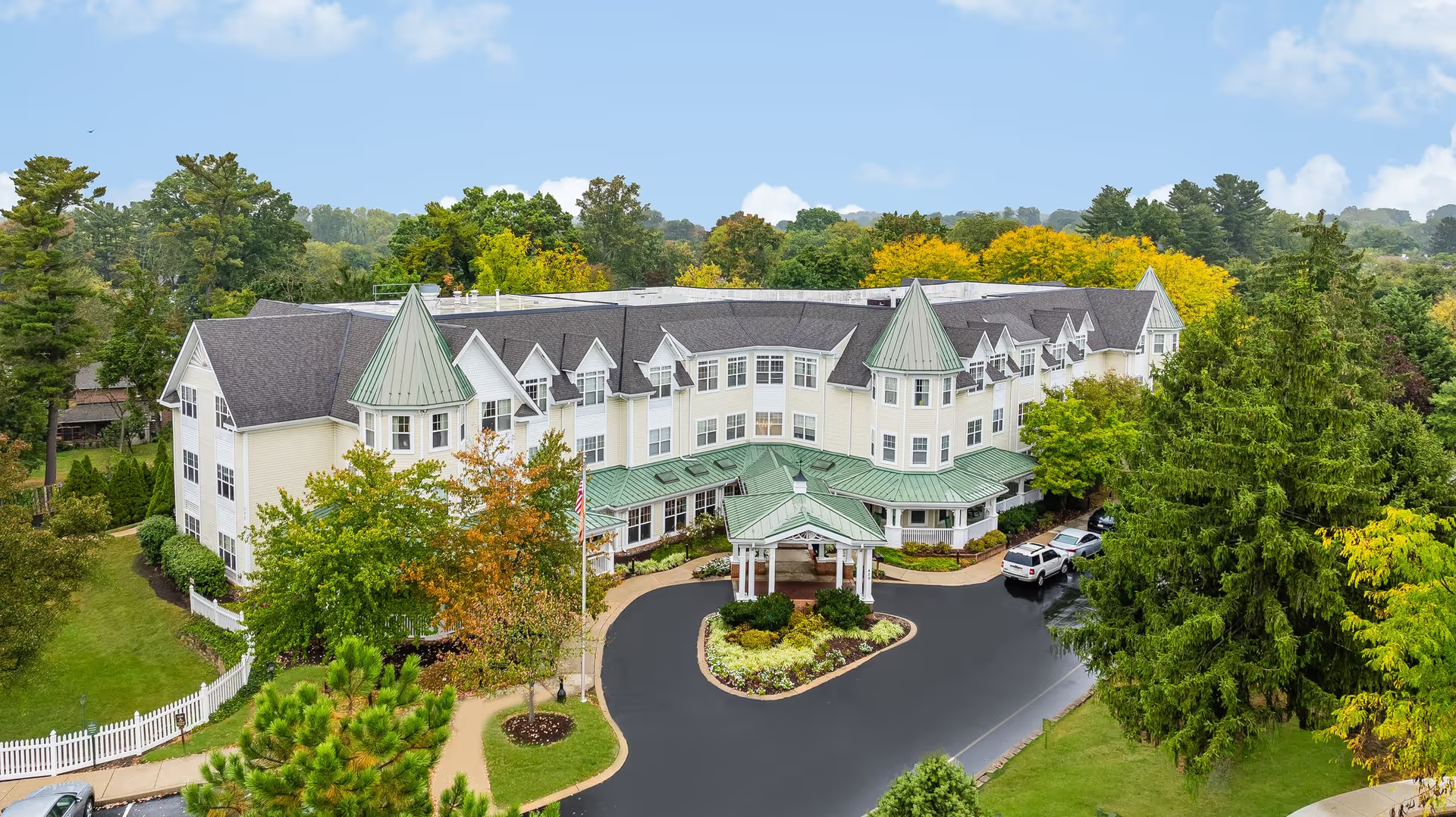
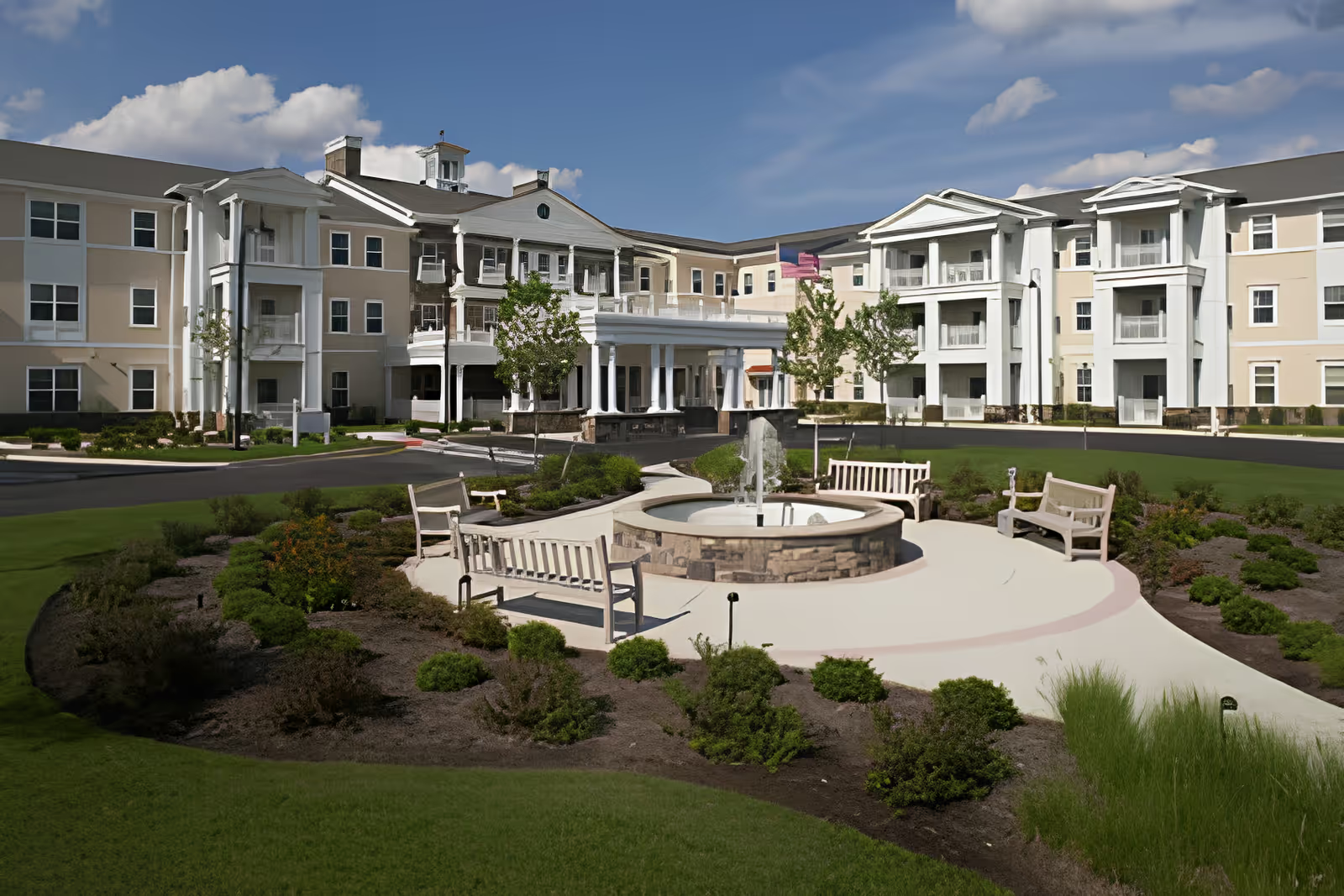
Facility and programmatic observations are mixed but specific. The campus is generally described as clean, bright and well-maintained, with positive notes about the kitchen and dining from some reviewers, while others report limited dining choices (one restaurant, no in-unit kitchens) and cold meals. Activity programming is described as limited by some (small facility, few offerings) but adequate by others (bus trips, concerts, social activities); a desire for more exercise-focused programming was mentioned. The community appears to focus on assisted living and continuing care with a relatively small independent living offering; reviewers noted there is no memory care unit. Pets are allowed in at least one cottage and the environment is sometimes described as dog-friendly, though one reviewer disliked cats.
A clear pattern is the wide variability of individual experiences: many families praise specific staff members, the cleanliness, and the rehab outcomes, while others report neglect, disrespect, clinical lapses and financial harm. This divergence suggests that quality may depend heavily on specific units, shifts, or staff teams, and that administrative practices around billing and discharge may be inconsistent. For prospective residents and families, the reviews point to several areas to investigate during tours and decision-making: staffing levels and staff turnover, medication and symptom management protocols (response times and pain-control practices), the facility’s formal procedures for handling complaints and incidents, billing and contract terms (including any policies that could lead to liens or unexpected charges), how insurance/Medicaid claims are handled, the condition and oversight of the skilled nursing area, and availability of memory care or in-unit kitchen options if those are priorities.
In summary, EverTrue Cumberland Crossings receives strong praise from many for its compassionate frontline staff, clean grounds, and rehabilitation services, but also carries multiple serious warnings from other reviewers about understaffing, poor clinical care in certain cases, administrative opacity, and alleged financial abuses. The community appears to deliver excellent experiences for some residents and deeply problematic experiences for others. These mixed reports warrant careful, specific inquiry by any prospective resident or family considering placement—verify staffing and care protocols in writing, ask to speak with current families, review financial and discharge policies closely, and observe the skilled nursing unit and shift changes if possible to get a clearer sense of day-to-day care consistency.