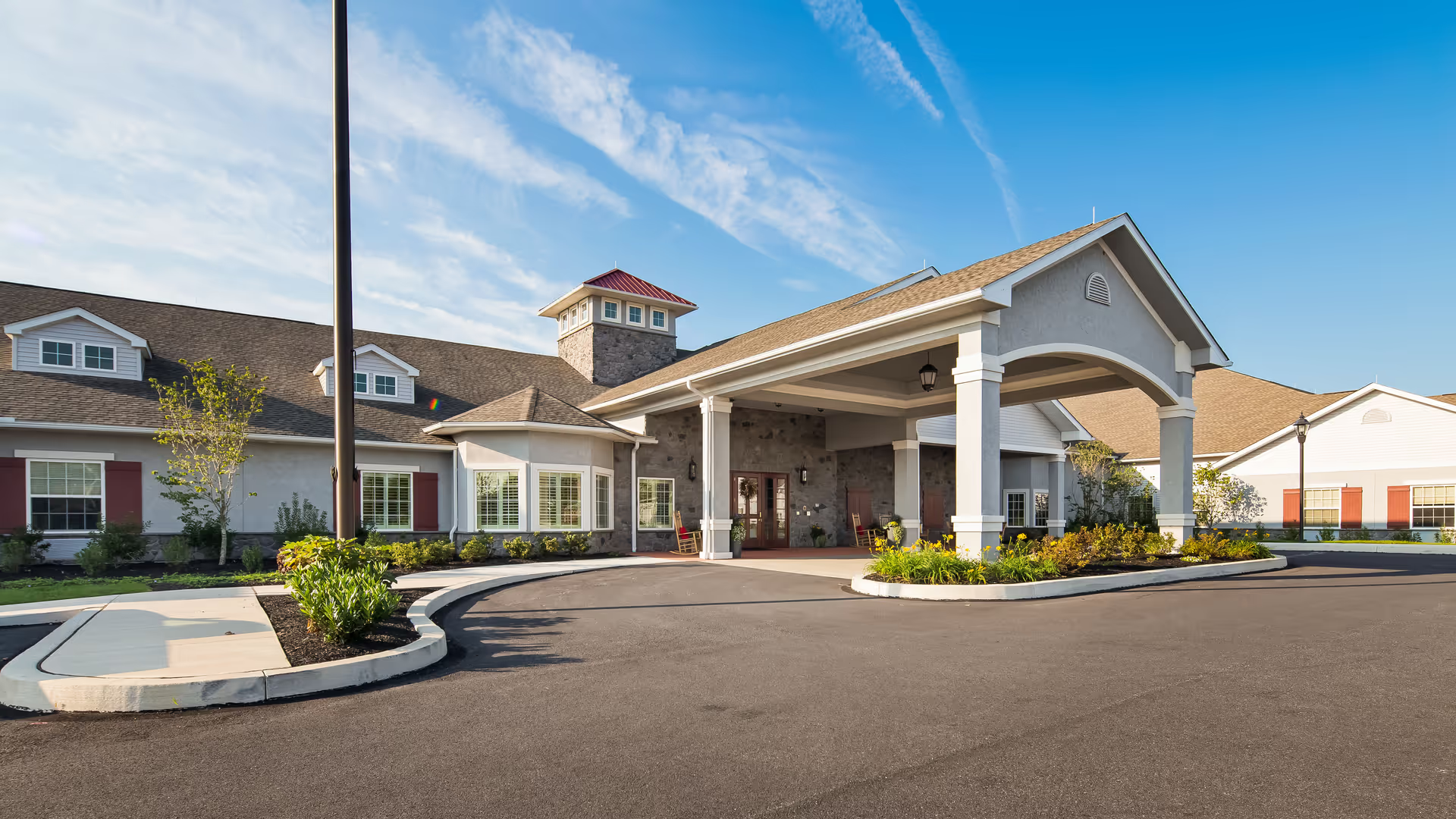
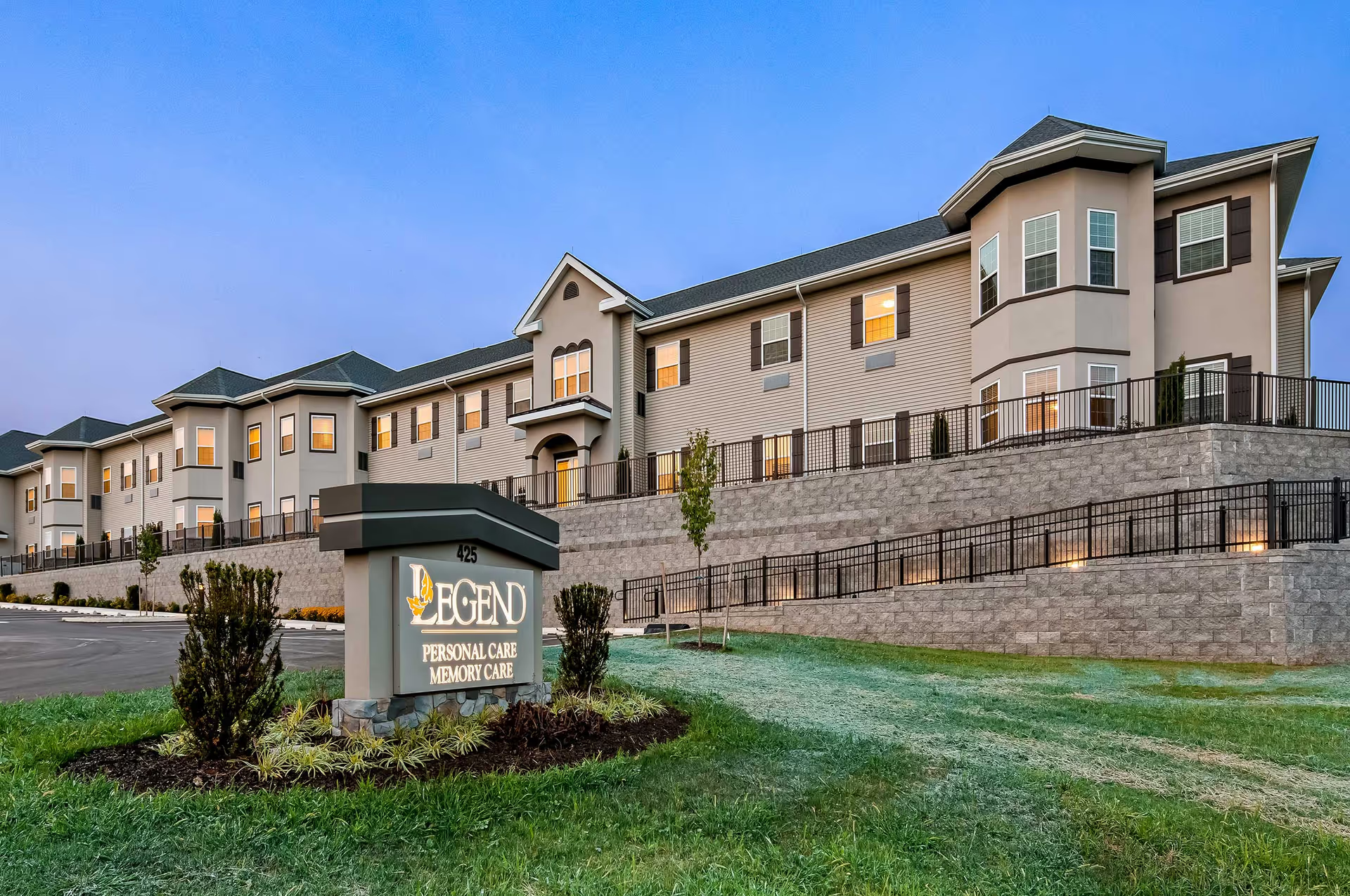
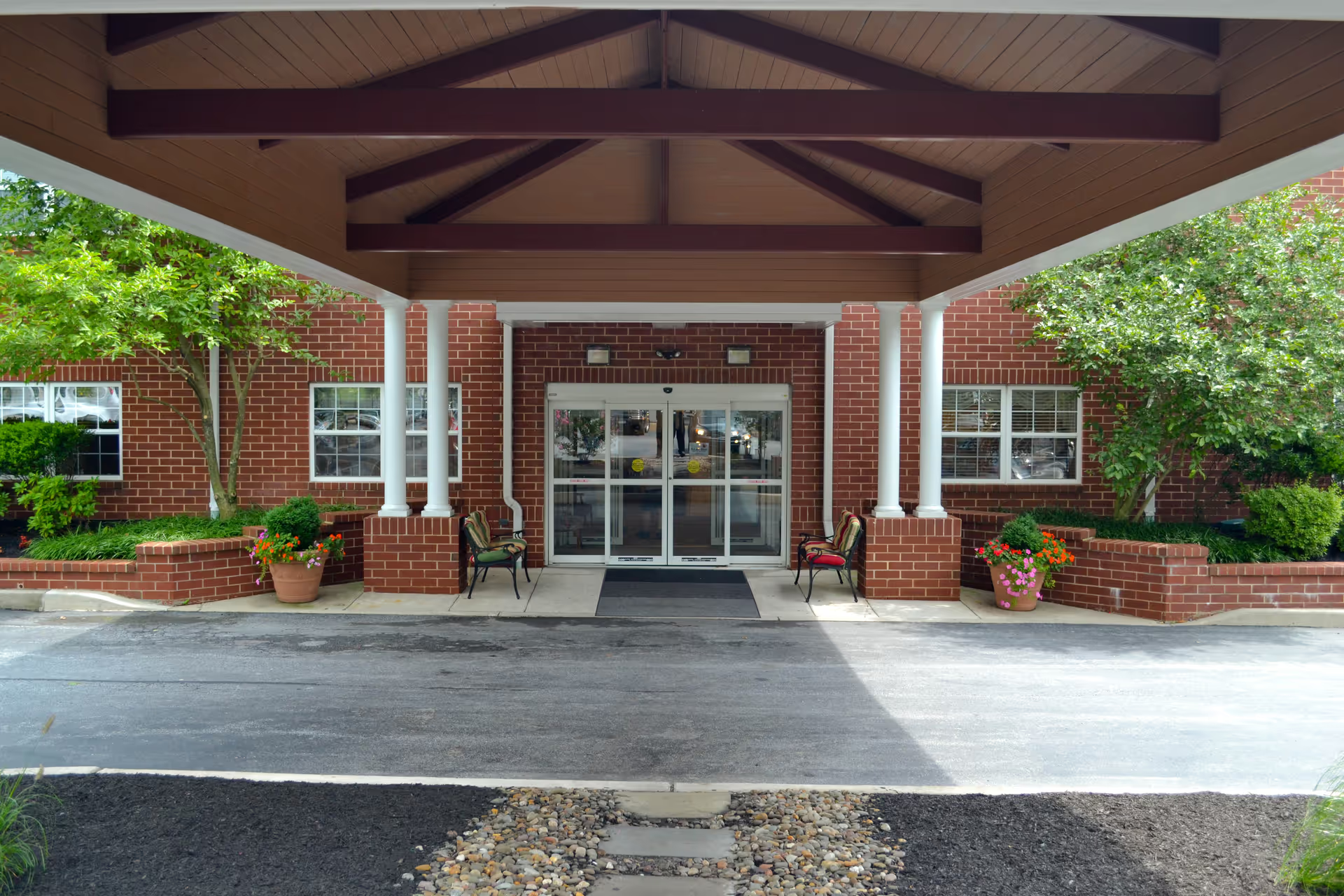
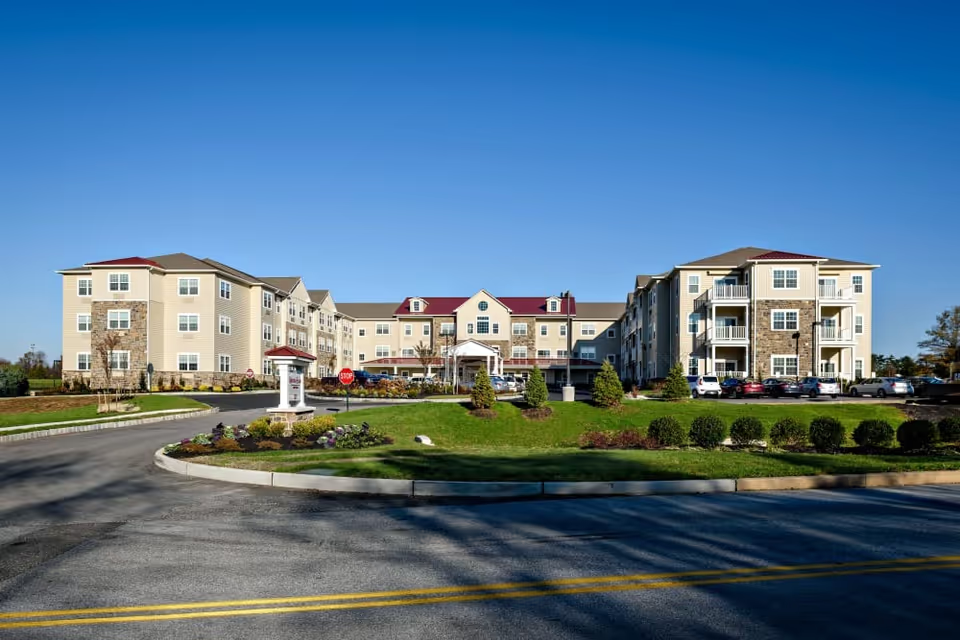
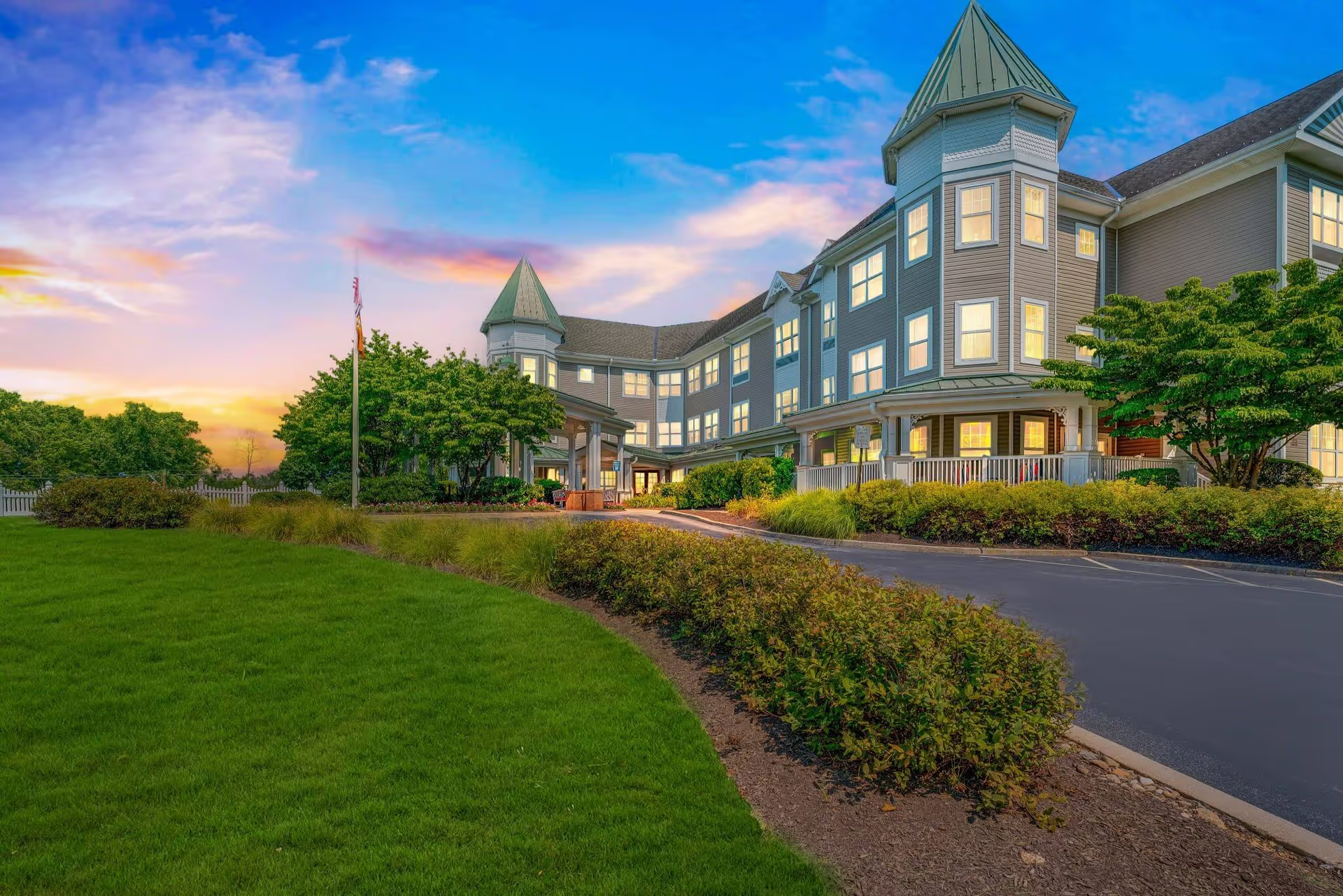
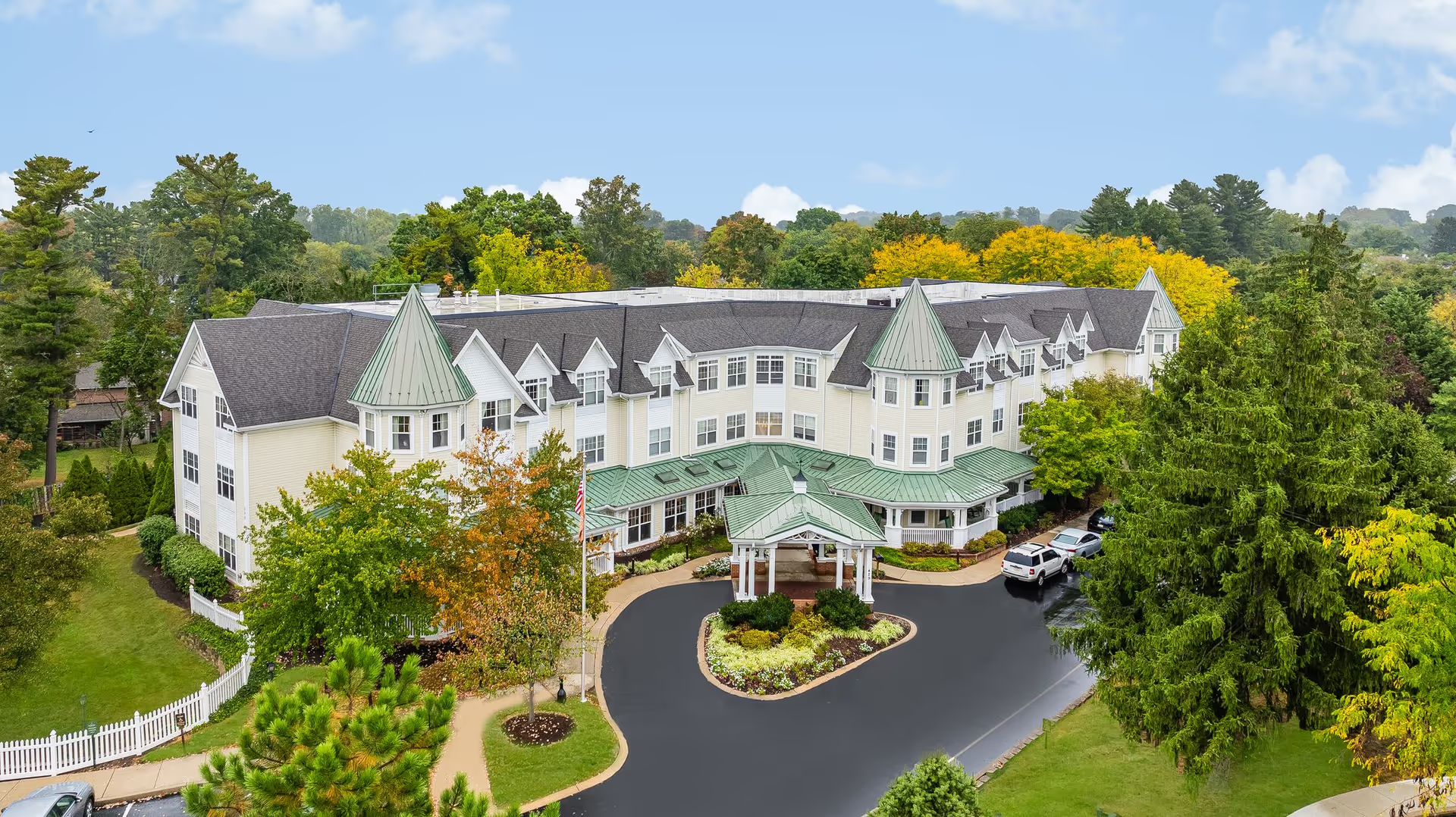
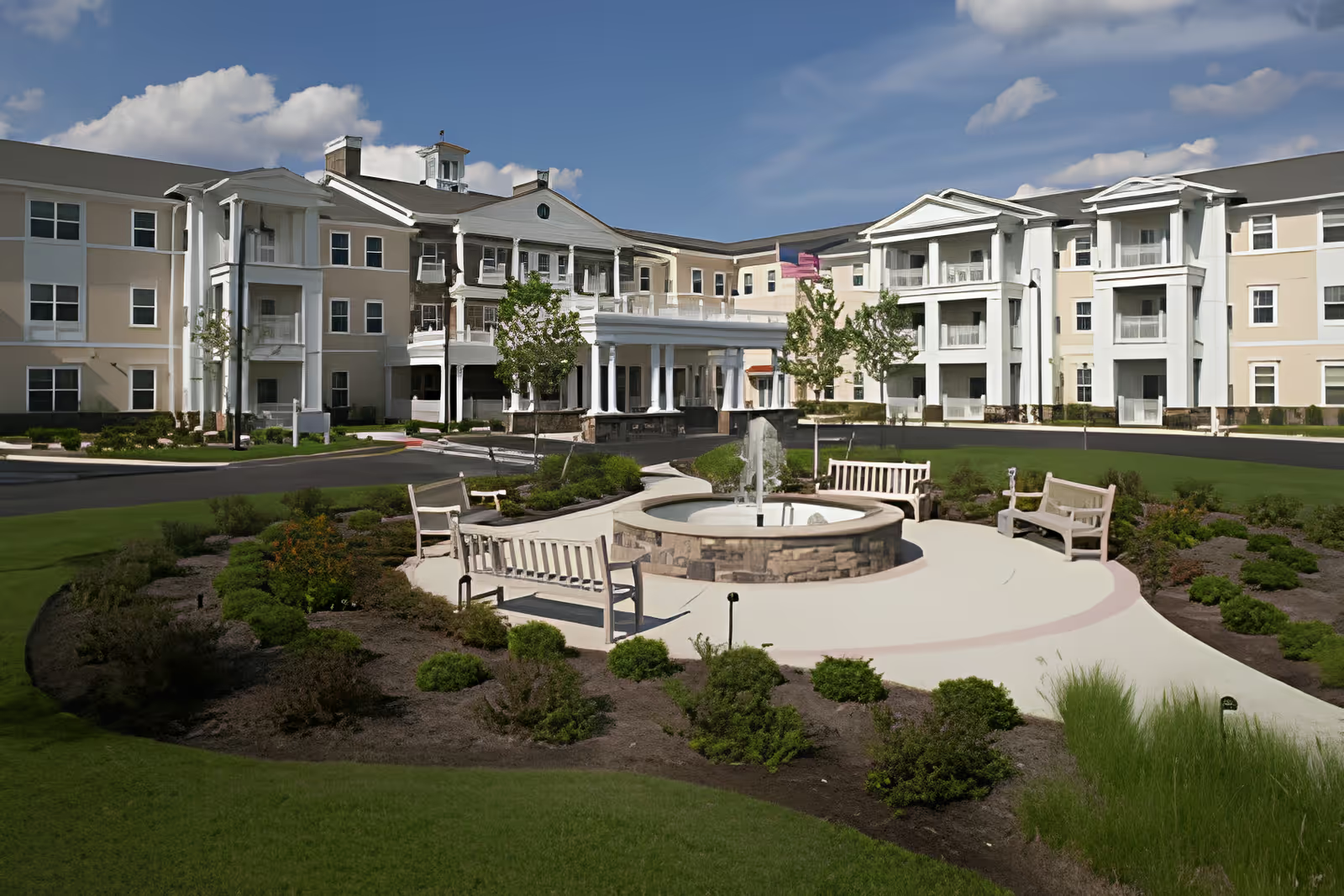
Overall sentiment in the reviews is mixed but leans positive on several core aspects: the location, facility upkeep, therapy services, and the interpersonal environment. Many reviewers praise Pleasant View Communities for its beautiful rural/countryside setting, easy access, low traffic, walking trails, outdoor spaces, pool, and fitness amenities. Multiple comments highlight clean rooms, well-maintained apartments, responsive maintenance, and attractive grounds. The community atmosphere receives frequent praise — residents and prospects frequently note a close-knit, vibrant community where people make friends, feel a sense of purpose and belonging, and appreciate intergenerational interactions including dog visits. Several reviewers explicitly recommend the facility and describe feeling confident or pleased about moving in, calling it the best option among alternatives.
Care quality and therapeutic services are often described positively. Several reviewers single out excellent nursing care, skilled PT and OT, supportive social work involvement, and good post-surgery or rehab outcomes (including potential benefits from pool-based therapy). Tour staff and many frontline caregivers receive strong compliments for being welcoming, knowledgeable, and caring. These strengths contribute to many residents' overall satisfaction and to repeated recommendations.
However, a consistent and important negative theme is staffing and operational reliability. Multiple reviewers report understaffing and short-staffing—particularly in skilled nursing—which manifests as slow response times to call lights, long waits for bathroom assistance, and at least one alarming report of a nurse starting a breathing treatment and not returning. These lapses are serious and have led to poor experiences for some residents. Related concerns include staff turnover, reports of low wages, resignation of long-tenured employees, and perceptions of management prioritizing finances. Several reviewers urge caution specifically regarding Pleasant View’s home health services and external vendor management: there are reports of a terminated home health arrangement with only ten days’ notice, leaving families scrambling to find replacement services.
Dining and food service receive mixed reviews. Some visitors praise the on-site bistro or restaurant and say the dining experience is very good; others describe the food as horrible or subpar and complain about small dining rooms. A recurring practical issue is that some dining options or services are not included in the quoted price, which contributes to perceptions of higher cost. Related physical/operational issues include reports that buildings are not always internally connected, requiring outdoor travel between facilities in some areas and exposing residents to weather, though others mention indoor walkways for winter protection. This suggests variability across campus locations or differences in expectations communicated during tours.
Administrative processes and prospect engagement show room for improvement. Reviews note delays in application acknowledgement (one reviewer waited a year), delayed entry or slow door opening at admissions, financing reviews that lead to denials, and an expressed need for more thorough, proactive engagement with prospective residents and families. These issues can create frustration and uncertainty during the decision-making and move-in process.
In summary, Pleasant View Communities has many strengths: an appealing rural location, attractive grounds and amenities, clean and well-maintained living spaces, solid therapy and nursing services in many instances, and a warm, community-focused resident culture. The primary areas requiring attention are staffing levels and reliability (especially in skilled nursing), consistency and transparency around dining and fees, stronger vendor/home-health continuity management, and clearer, more timely administrative communication with prospects and families. Addressing these patterns—improving staff staffing and pay/retention, standardizing dining quality and connectivity between buildings, and tightening admissions and vendor processes—would likely convert many of the mixed reports into uniformly positive outcomes.