Overall impression Reviews for Phoebe Wyncote are strongly polarized: a large number of reviewers praise the facility for its rehabilitation services, caring nursing staff, cleanliness, and activities, while a nontrivial subset report serious clinical and operational failures including dehydration, medication mistakes, theft, pest problems, and poor communication. The dominant positive themes center on therapy outcomes and the compassion of many front‑line staff; the dominant negative themes focus on understaffing, inconsistent aide performance, communication and transparency failures, and a few alarming safety incidents.
Care quality and clinical safety Many reviewers report excellent clinical outcomes, especially for short‑term rehabilitation: PT/OT and speech therapy are repeatedly described as effective, responsive, and skilled, with several accounts of residents improving quickly and being discharged earlier than expected. Nursing (RNs and LPNs) also receives frequent praise for professionalism and competence. However, there are multiple, specific reports of serious safety concerns — severe dehydration requiring hospitalization, changes in mental status, medication errors (wrong blood thinner for a week, contraindicated medication changes), and at least one reported C. diff outbreak. These serious incidents create a conflicting picture: strong capabilities in therapy and nursing are present, but lapses in monitoring, medication management, and basic care have occurred for some residents. Families should probe clinical oversight, medication reconciliation, and hydration/feeding protocols during tours and admissions.
Staffing, attitudes, and variability A recurring operational issue is understaffing. Many reviewers link delays in responding to call lights, long waits for assistance, and variations in personal care frequency to staffing shortages and stressed staff. Attitudes and performance of aides are inconsistent across reports: some families describe aides as caring and attentive, while others report aides being rude, unhelpful, or lacking initiative. Several commenters noted that getting things done sometimes requires direct intervention via the nurse’s station, and that shift changes and weekends can produce noticeable drop‑offs in service. There are also strongly worded accusations from a few reviewers (theft, cultural insensitivity, discriminatory remarks, staff smoking/tobacco odor) — while not representative of every account, these allegations underscore the importance of asking about staff training, background checks, and cultural competency.
Communication, management, and transparency Communication and management practices receive mixed reviews. Many families appreciate consistent updates, a helpful admissions director, and staff who remember residents’ names and preferences. Conversely, others report poor communication from social work or nursing leadership — unreturned calls, refusal to disclose information, inaccurate information supplied to insurers, and a sense that incidents were not reported promptly to families. At least one reviewer alleged problematic billing practices (being charged approximately $10,000 for a month during which the resident spent significant time hospitalized) and insurance miscommunications. Prospective families should clarify the facility’s incident reporting, billing policies, social work responsiveness, and procedures for family communication during admission.
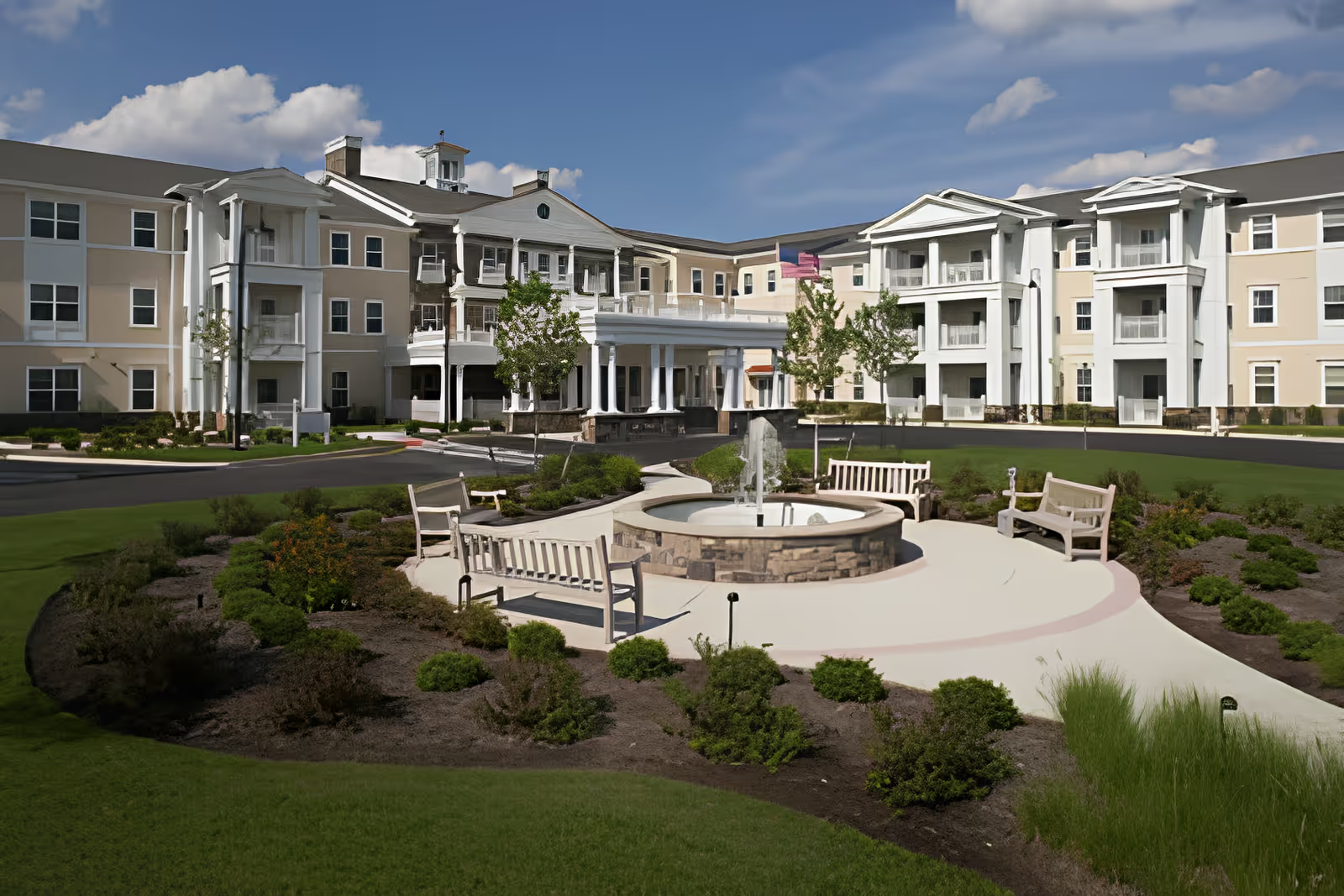
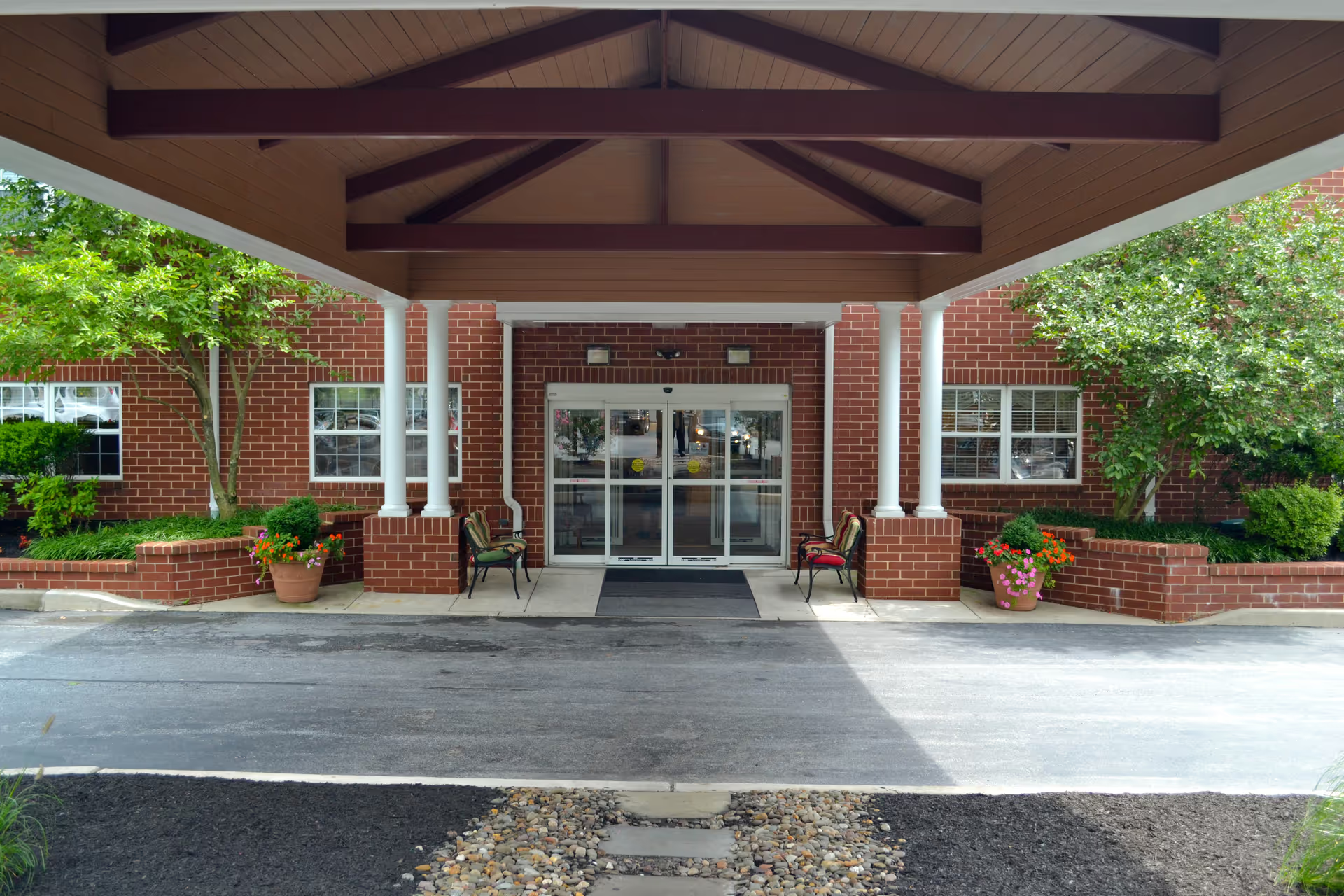
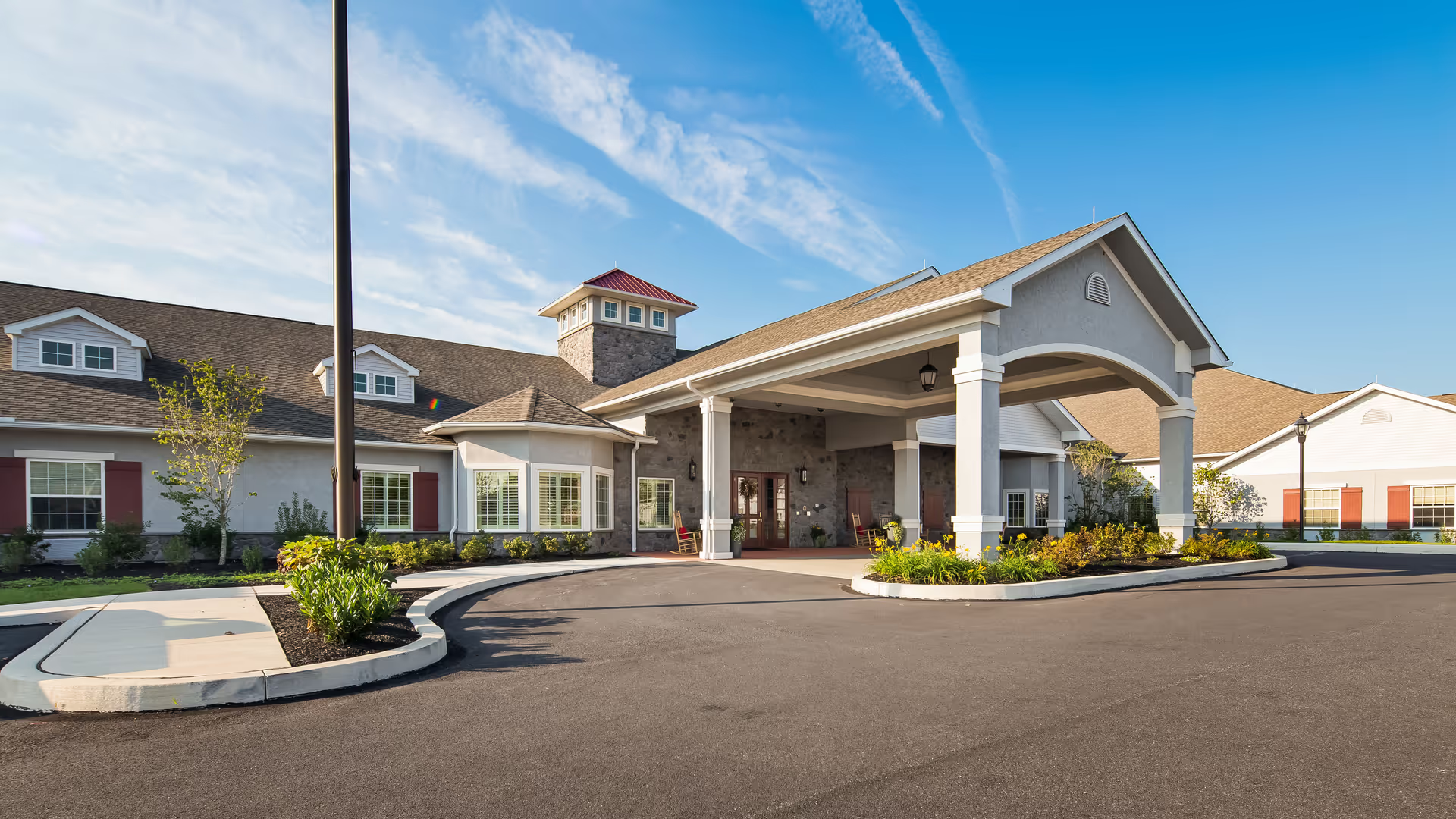
Facilities, cleanliness, and environment The facility’s exterior and grounds are often praised as attractive and well‑kept. Interior assessments are mixed: many reviewers describe the facility as very clean, with daily housekeeping and tidy common spaces, while others note outdated decor, sticky floors on some units, and maintenance lapses such as rooms without air conditioning, small elevators, or slow cleanup after pest reports. Room size and layout are a common practical concern: rooms described as small and with bathrooms located outside rooms in certain units. Security concerns are raised repeatedly — comments about the front desk being unstaffed after 5pm and a perception of ‘‘zero security’’ suggest families should ask about visitor controls, after‑hours staffing, and resident safety measures.
Dining and activities Dining receives generally favorable comments: many reviewers report attractive, hot, and well‑proportioned meals, accommodation for dietary restrictions, pleasant desserts, and a tendency for residents to gain appetite and even weight. That said, meal quality is inconsistent for some: reports of cold food, starch‑heavy or processed menus, and limited variety appear alongside strong praise. The activities program is frequently viewed as a positive asset with an active calendar, bingo, church services, reading rooms, and exercise offerings; however, some reviewers characterize the outings as limited (e.g., short trips to local stores or churches) and note that many residents tend to remain in their rooms.
Value and recommendations Many reviewers describe Phoebe Wyncote as affordable and good value for short‑term rehab or long‑term care, especially when therapy and nursing are strong. Several families explicitly call the facility a ‘‘godsend’’ or ‘‘phenomenal’’ for rehab. At the same time, serious negative reports (clinical harm, theft, pest issues, billing disputes) mean the facility may carry higher risk for some residents, particularly those with complex medical needs or who require intensive oversight. The overall pattern suggests that care quality is highly dependent on staffing levels, specific shifts, and particular staff members.
What to watch for and final takeaways If you or a loved one are considering Phoebe Wyncote, weigh these polarized experiences carefully. On the positive side, expect effective rehabilitation, many compassionate nurses and staff, a clean environment in much of the building, and a robust activities program. On the cautionary side, ask direct questions about staffing ratios (nurse and CNA coverage by shift), protocols for hydration/medication reconciliation, incident reporting, security and after‑hours coverage, pest management, laundry/housekeeping turnaround, billing practices, and how the facility handles coordination with outside physicians and families. Given the clear variability across units and shifts, an informed tour that includes meeting therapists, the nursing supervisor, the social worker, and a physician (if possible), plus follow‑up references from recent family members, will help determine whether the facility’s strengths align with a particular resident’s needs and risk profile.