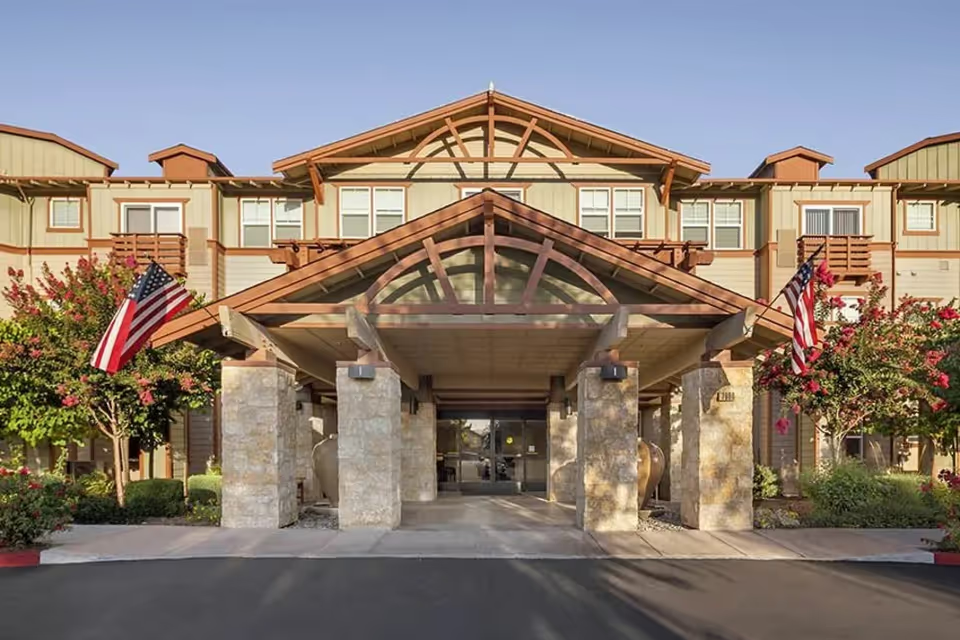
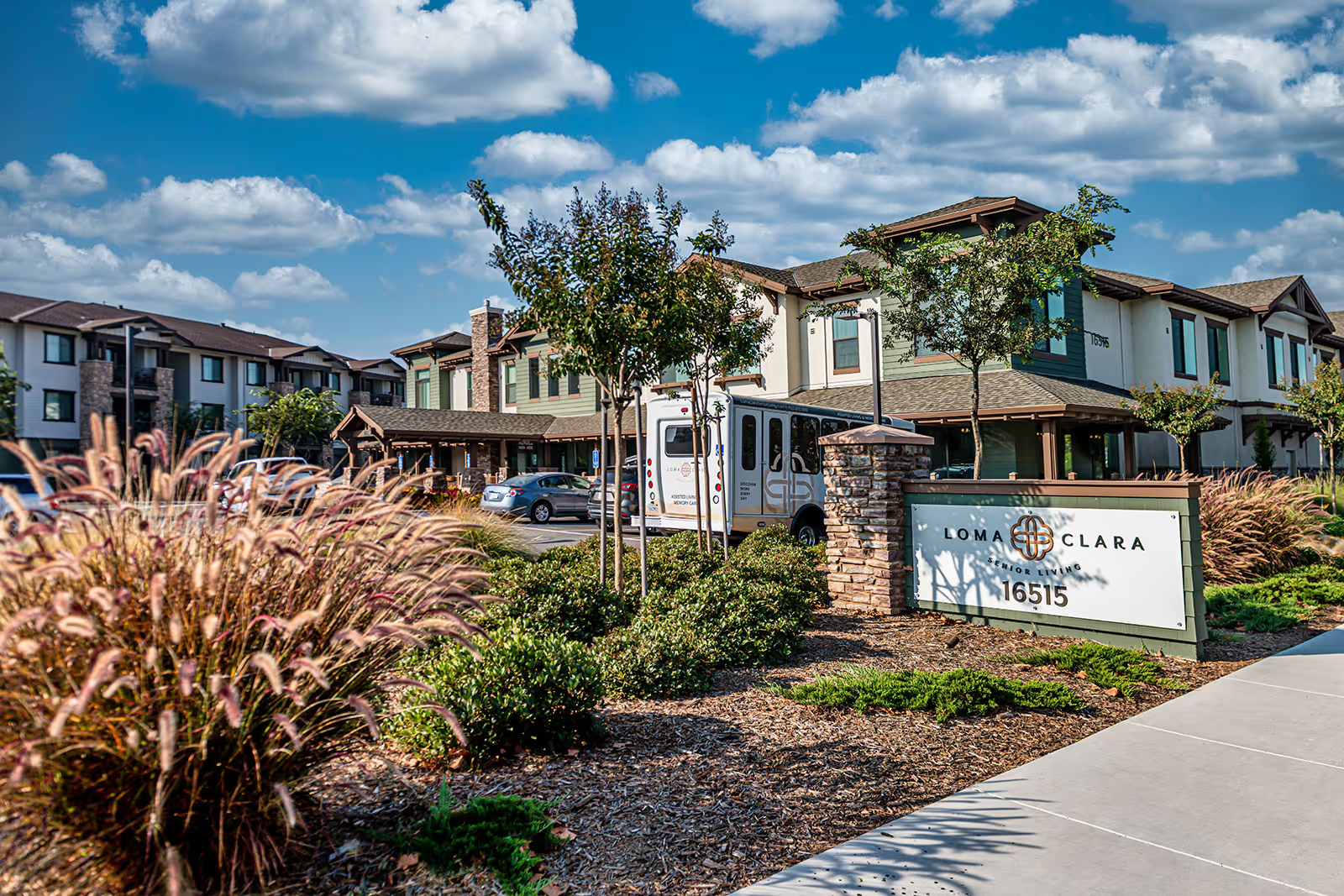
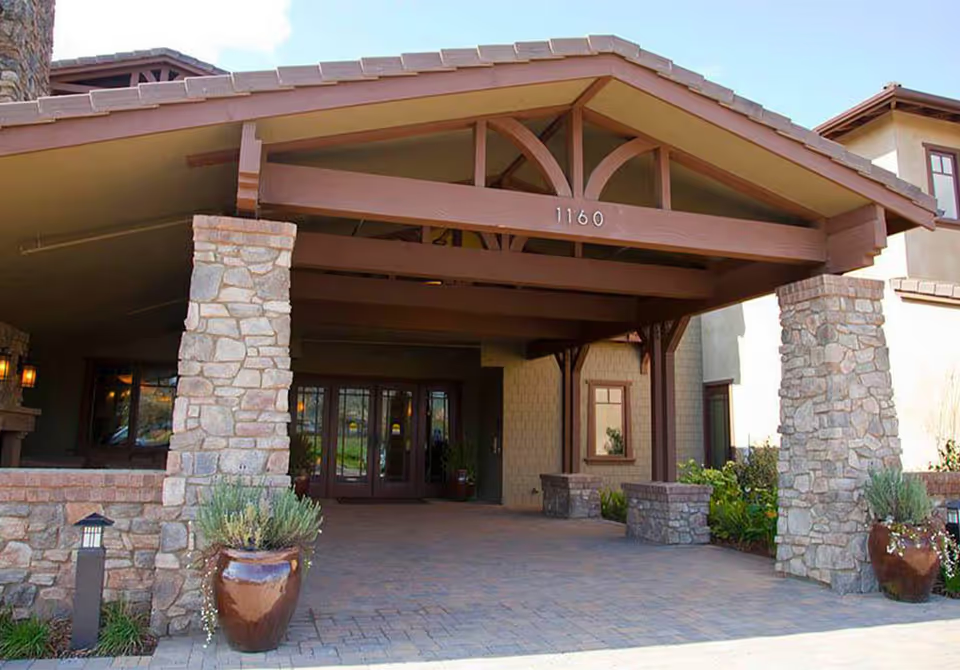
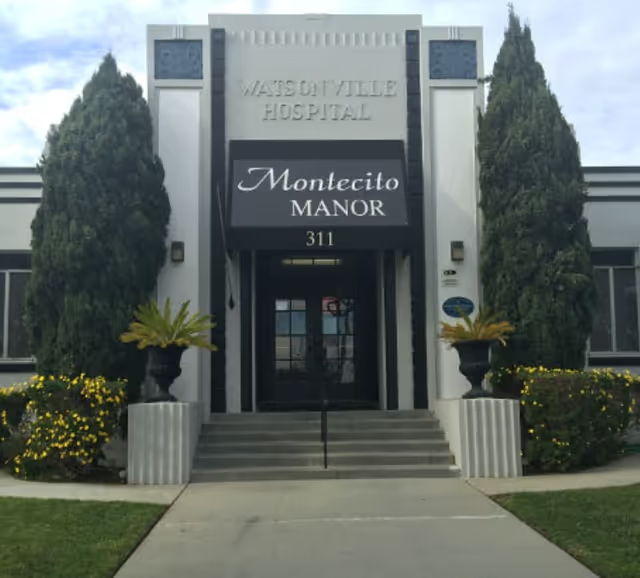
The reviews present a mixed picture in which certain operational strengths—most notably helpful frontline staff and a convenient location—are offset by a number of service and facility gaps. The community appears to function more like an independent-living property: there is no on-site meal service, no organized activity program, and no on-site clinical staff. These characteristics may suit residents who are largely self-sufficient, but they create clear limitations for people seeking assisted living–style supports or robust communal programming.
Care quality and staffing show a contrast between frontline and management levels. Frontline staff are described positively in some accounts, suggesting courteous day-to-day interactions. At the same time, reviewers describe inconsistent responsiveness from management and delays in addressing accessibility and maintenance needs (for example, prolonged wait times for assistive fixtures). There is also an allegation of an unresolved security-deposit dispute that proceeded to small-claims court, which points to weaknesses in the facility’s financial-dispute processes and escalation pathways.
Dining and activities are minimal to non-existent: reviewers note that no meals are provided and that there is little or no activity programming. Combined with a reportedly small tenant population, this contributes to a low level of communal engagement and fewer opportunities for resident socialization than would be expected at more activity-focused communities.
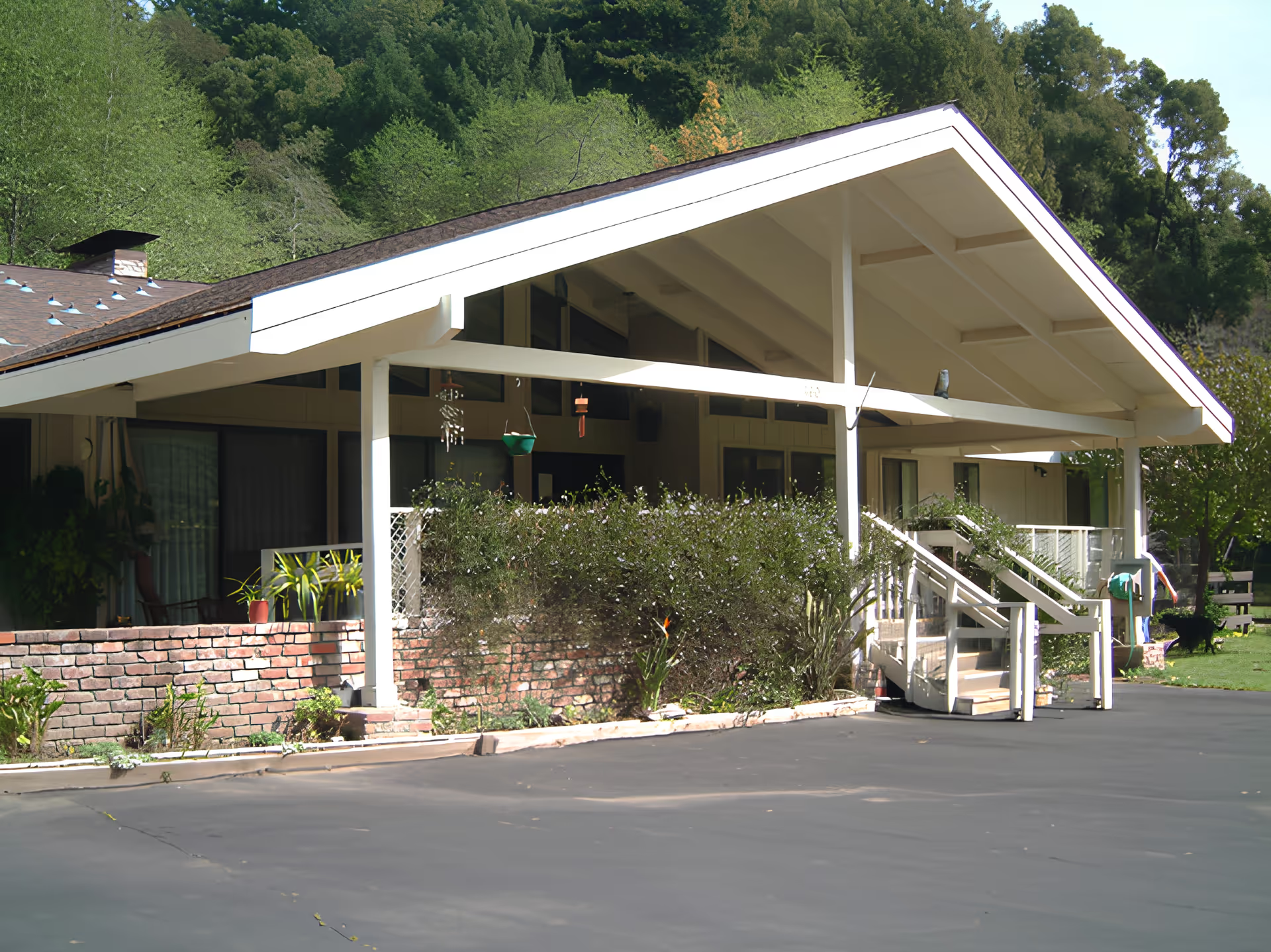
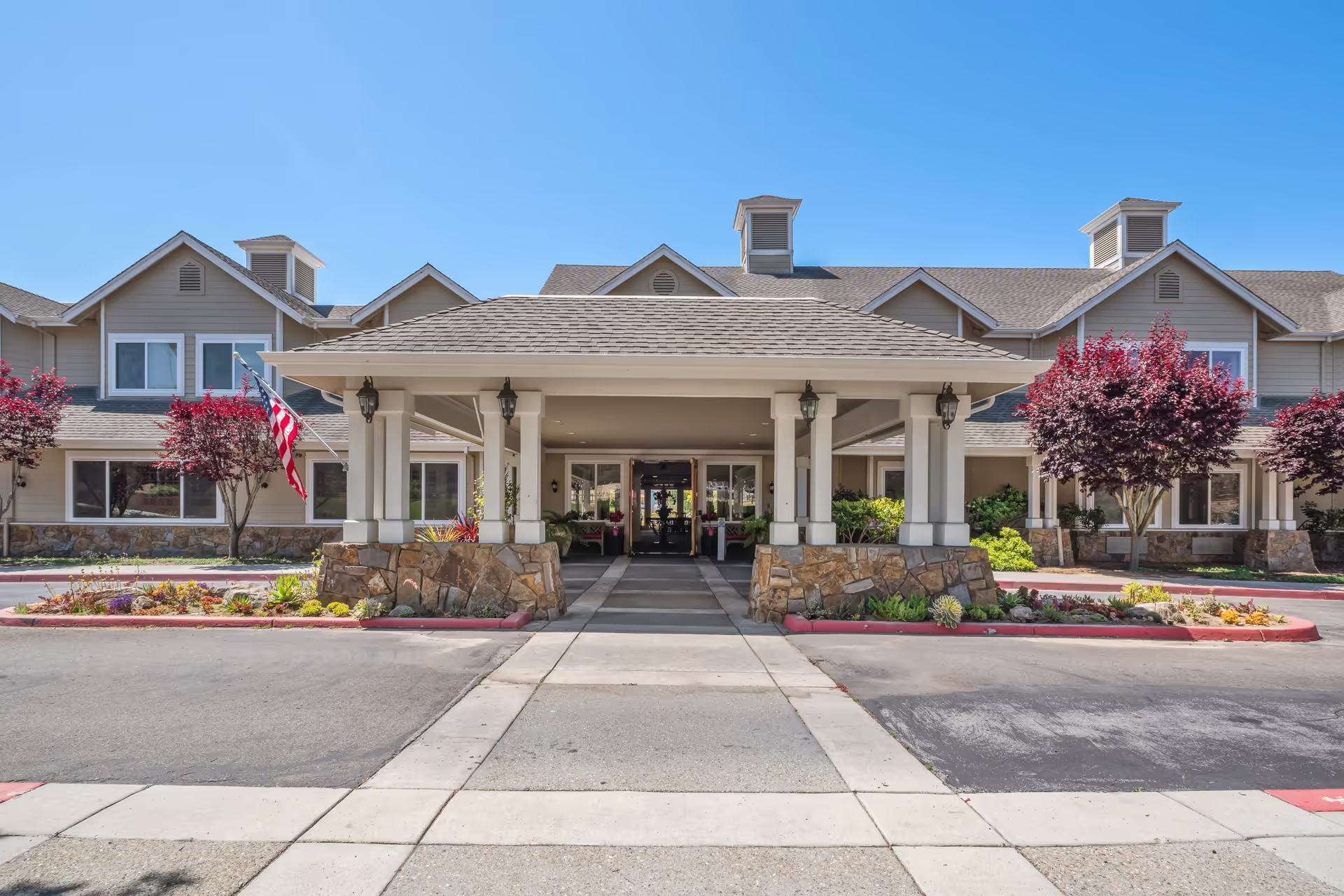
Facility and accessibility issues recur in the feedback. Parking capacity and guest parking are limited; some unit-to-parking allocations (for example, a single space for a two-bedroom unit) have been flagged as inadequate. Unit design complaints include constrained kitchen storage and only a single drawer in some apartments. Building-level safety and accessibility features were also noted as incomplete—examples mentioned include a missing elevator and absent door-safety controls—indicating potential obstacles for residents with mobility needs.
Management and financial practices are a significant area of concern. Reviewers cite delayed maintenance, opaque handling of fees and deposits, and notifications of rent increases (a 5% increase was specifically mentioned). These items suggest the need for clearer written policies on maintenance timelines, fee schedules, and refund procedures, as well as more consistent communication from leadership.
Overall, prospective residents and families should weigh the strengths—helpful frontline staff and a desirable location—against the operational weaknesses identified. The community may be appropriate for independent individuals who do not need on-site clinical supports or structured dining and activities, but families should verify parking arrangements, accessibility features, maintenance-response procedures, and written financial policies before committing. Asking for documented timelines for repairs, a copy of activity and service offerings, and clarification on deposit and rent-change policies will help clarify whether the property meets an individual’s needs.