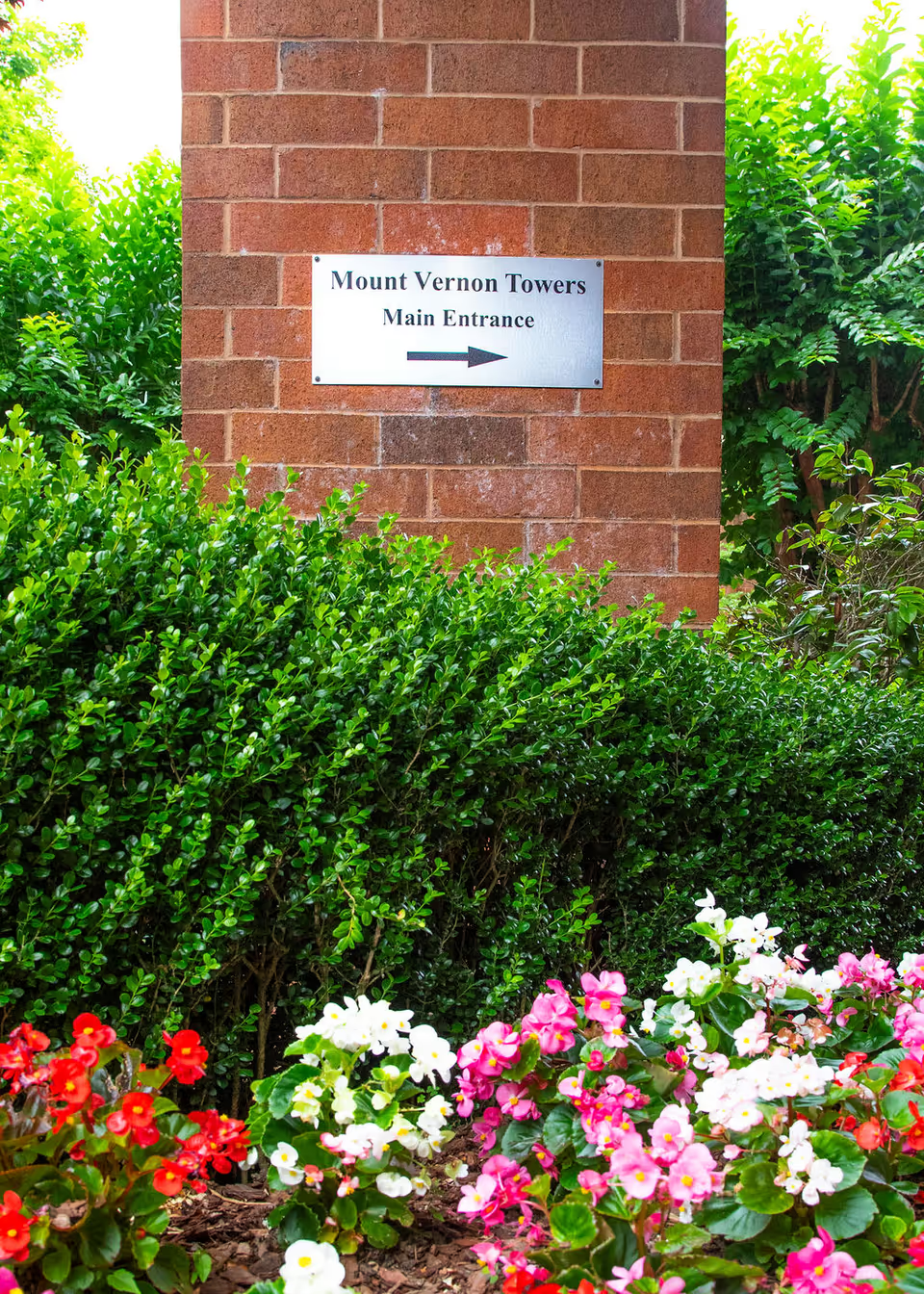
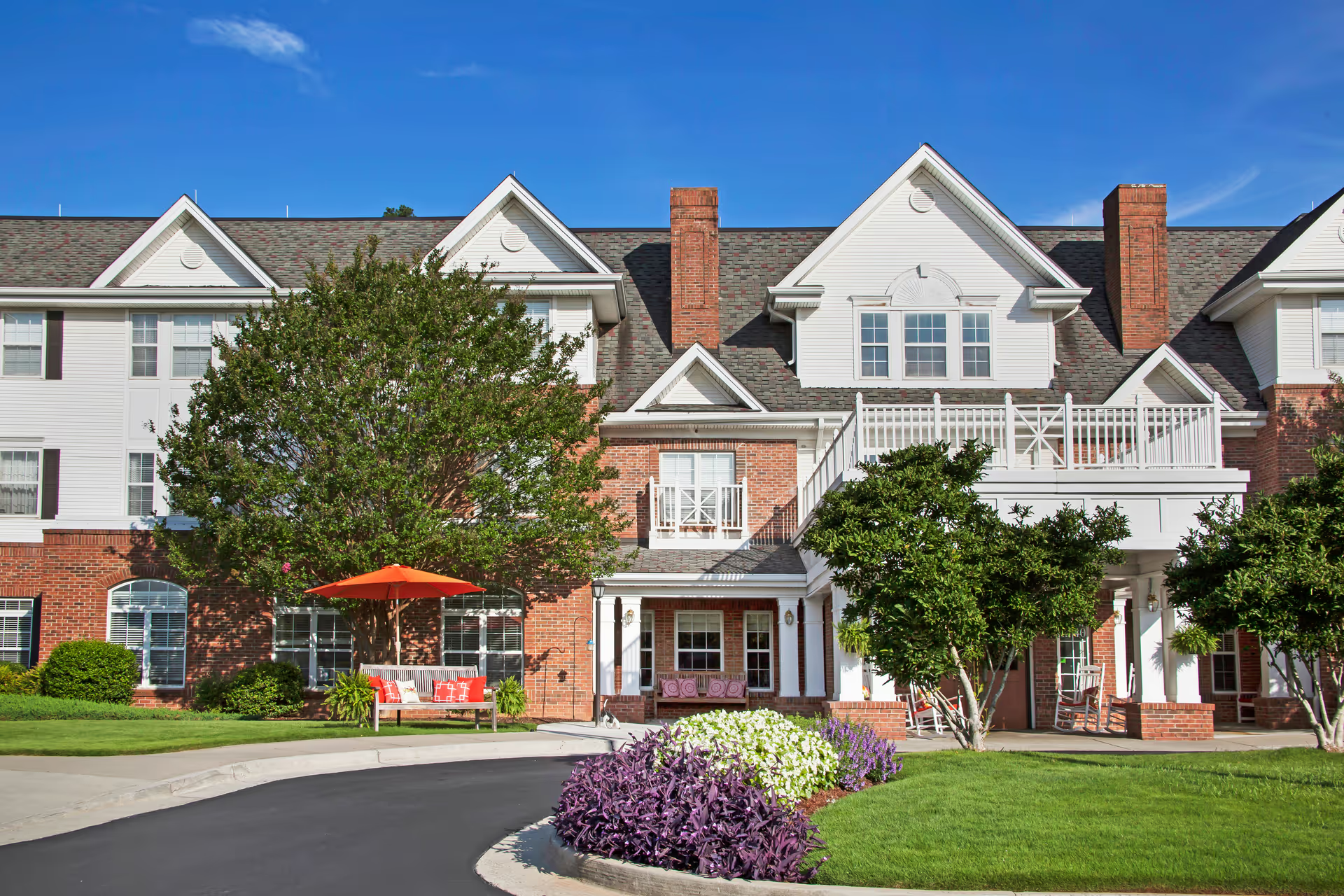
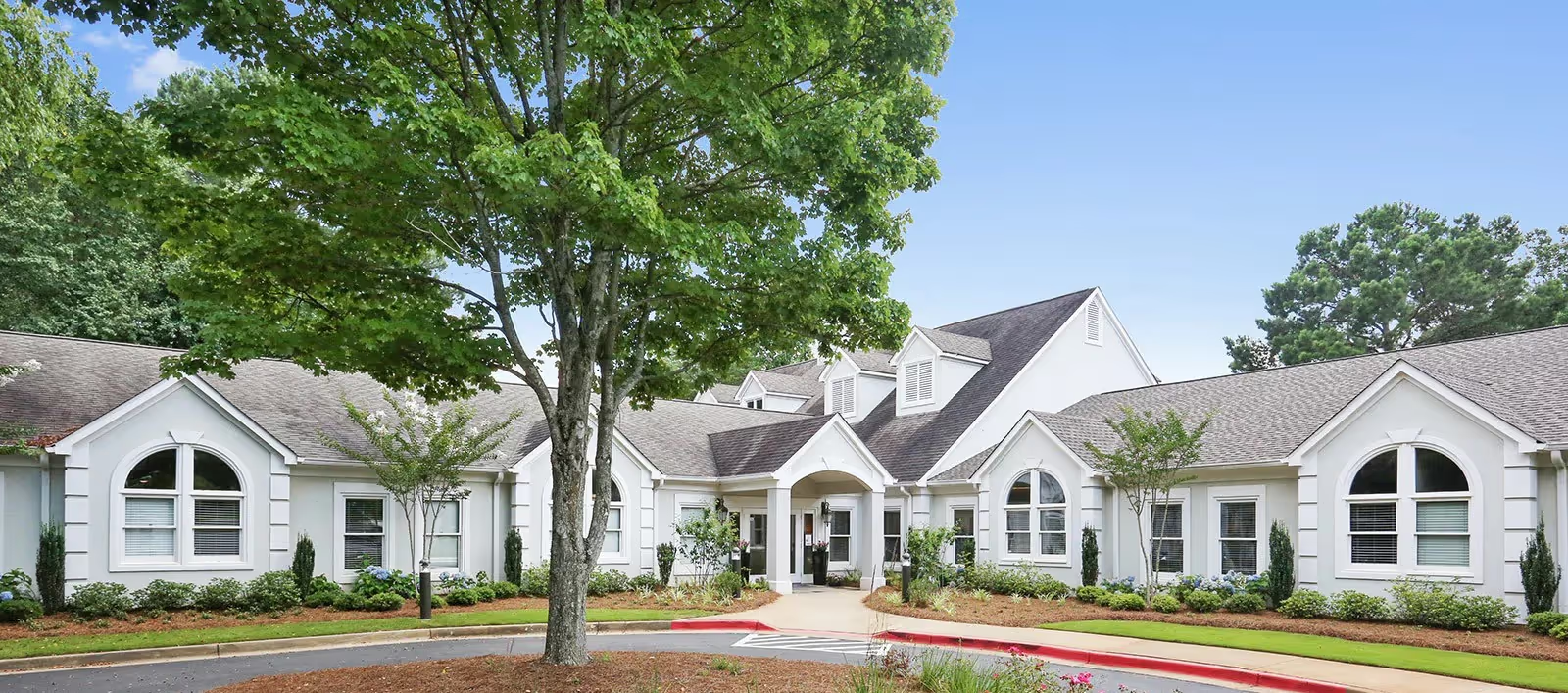
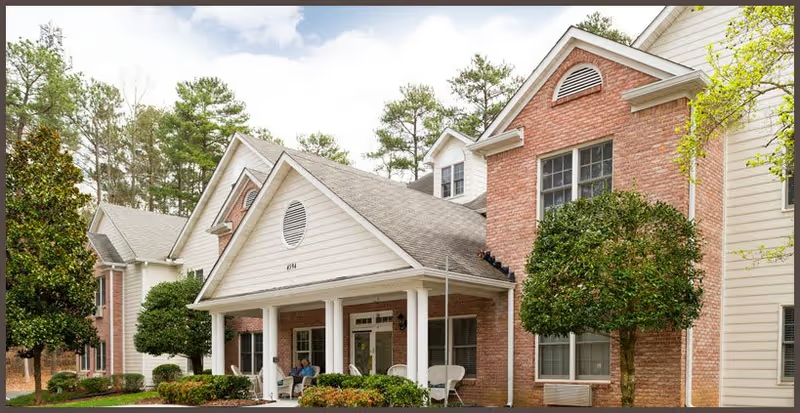
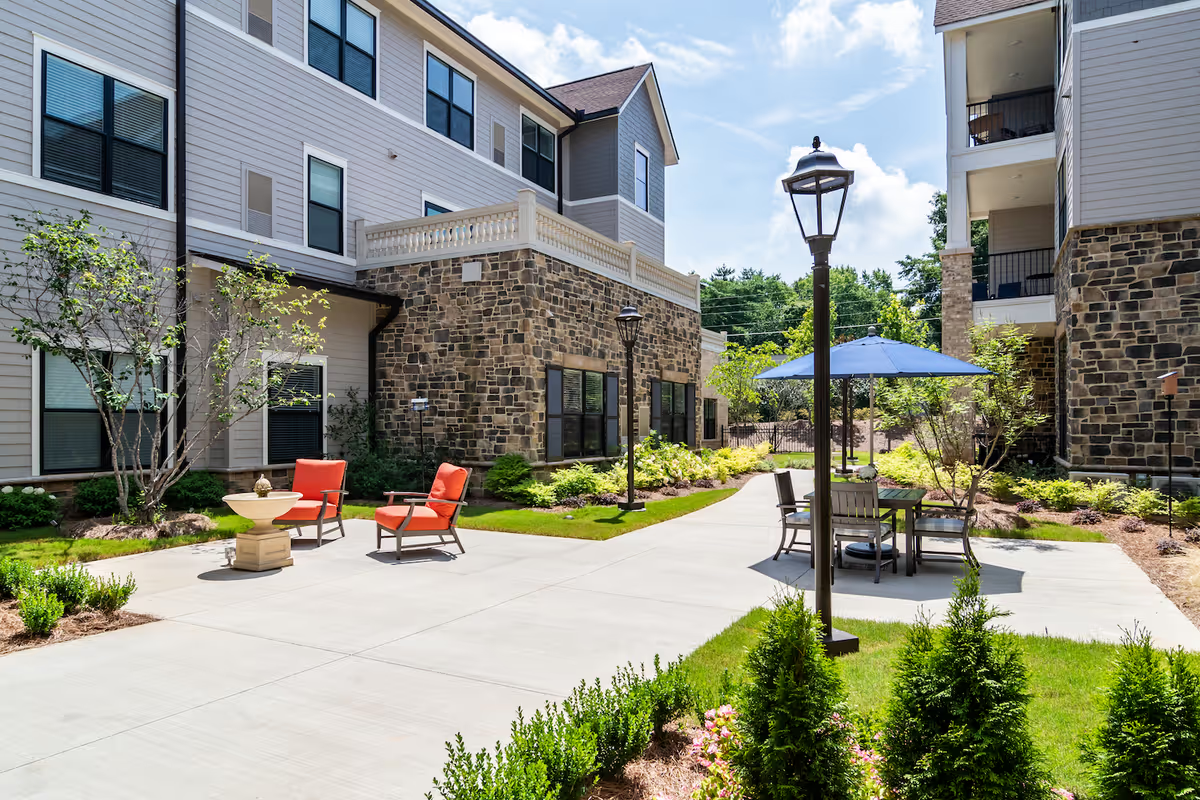
Mount Vernon Village presents as a small, service-rich independent living community with numerous operational strengths and a generally positive resident experience. Apartments are private and described as well-appointed, with accessible features such as walk-in showers, balconies or patios, and some units showing recent appliance updates or upgraded finishes. The community emphasizes convenience: many routine household costs and services are bundled into fees (cleaning, laundry, utilities, trash), and transportation, outings, and on-site personal services (hairdresser/beauty parlor) are available. Location and building scale are often cited favorably — quiet, walkable to local restaurants and arts, and easy to navigate for older adults.
Staff and care-related impressions are predominantly positive. Tours are described as informative and welcoming, and staff members are characterized as helpful and courteous; kitchen staff longevity and a chef-led menu are recurring positives. Resident interactions and the small-community atmosphere contribute to a sense of personalized socialization and community support. That said, there is a notable operational change referenced around overnight coverage: removal or reduction of night front-desk staffing has created a security perception concern for some residents and visitors. Prospective residents should confirm current staffing patterns and emergency-response protocols.
Dining is a central feature: the community provides three meals a day, with a cafeteria-style dining room and an on-site chef. Many reviewers praised the menu and food quality, while others described the dining as more modest or inconsistent in presentation. This suggests variability between expectations for upscale dining and the day-to-day experience. Kitchen continuity (long-tenured staff) is a strength that supports menu stability, but prospective residents may want to sample meals and review dining schedules during a visit.
Activities and social programming are offered across a range of interests — exercise classes, bingo, card games, arts, church services, weekly get-togethers, and special events such as retirement parties. Several reviewers noted active social calendars and regular small-group programming. Conversely, a few accounts indicated limited or inconsistent activity offerings at times; this points to variability in the breadth and frequency of organized programming rather than an absolute absence of activities.
Facility- and management-level considerations include higher HOA or maintenance fees, which are often justified by the inclusion of many services but remain a budgetary factor. The property shows signs of aging in places, with at least occasional outdated appliances and ongoing construction-related work that may produce temporary disruption. There is also pricing stratification between standard units and premium floor plans (e.g., hardwood floors), so comparing unit types and total monthly costs is important.
Overall, Mount Vernon Village is described as a clean, well-staffed community with strong meal-service infrastructure, included services that simplify daily living, and a quiet, walkable location. The most consistent operational caveats to assess in person are current overnight/front-desk staffing and security arrangements, the present state of construction or repairs, and the day-to-day dining and activities schedule. Prospective residents and families should request an updated tour, sample a meal, review a current activity calendar, and examine the fee structure for the specific unit types they are considering.