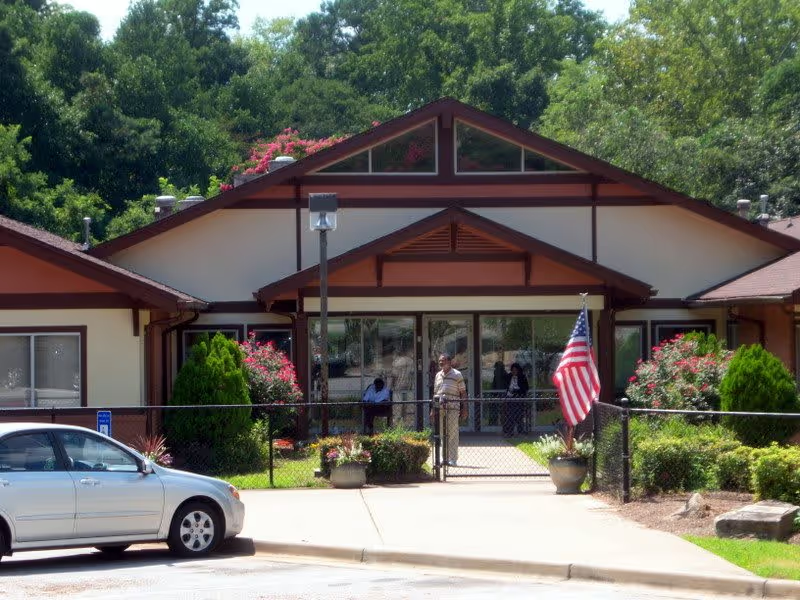
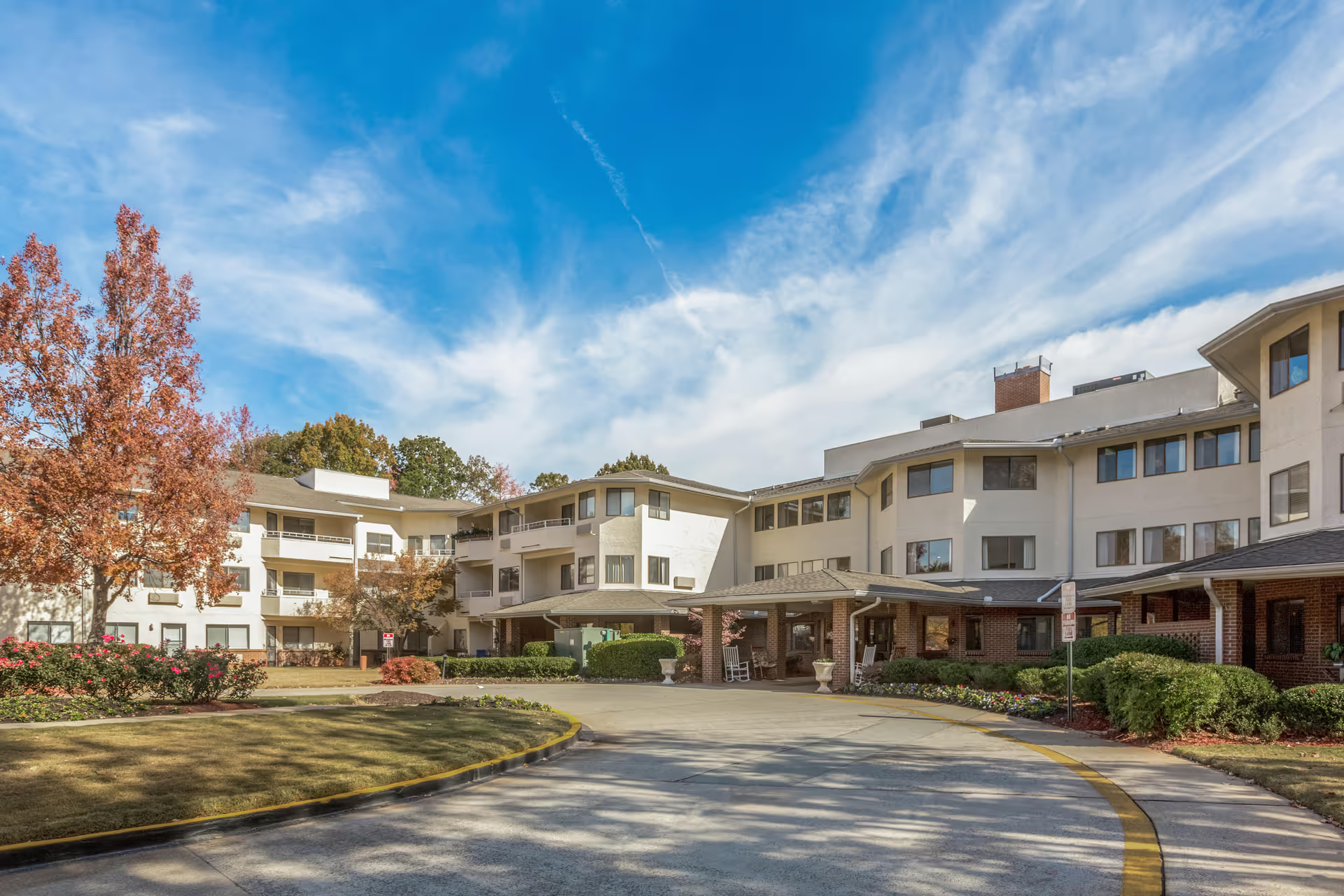
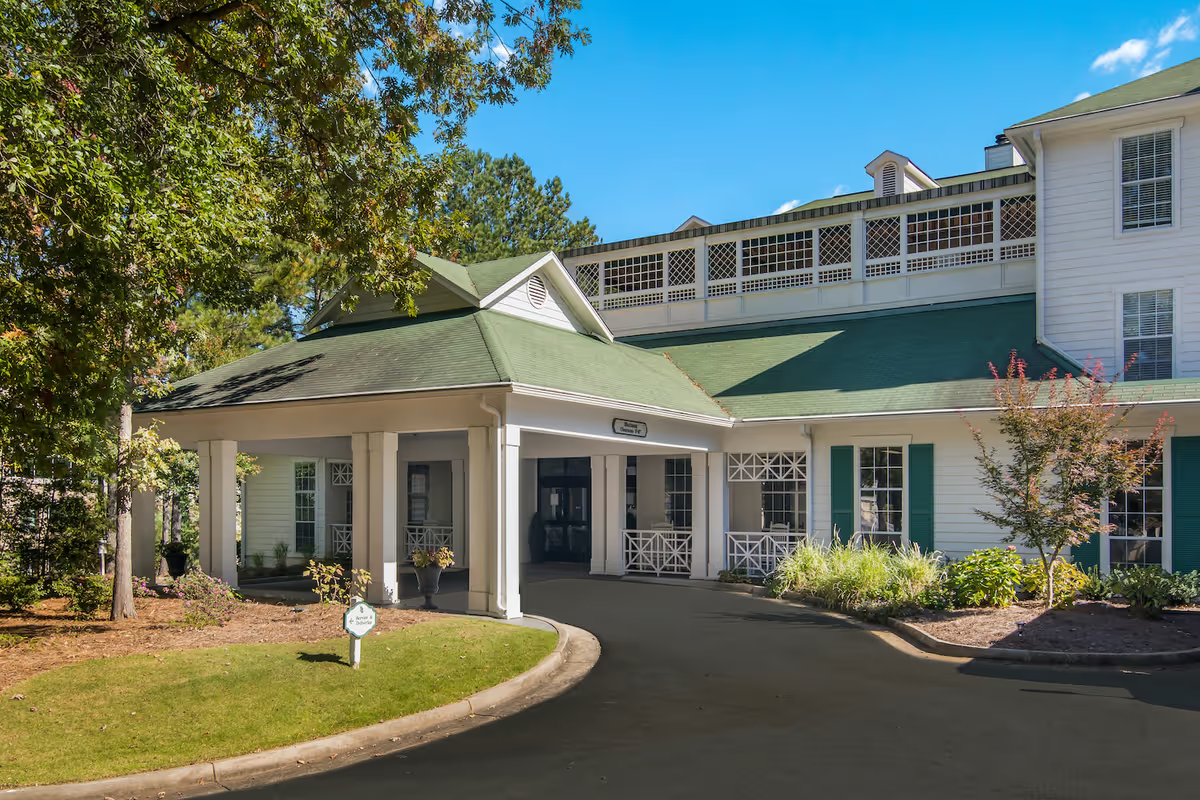
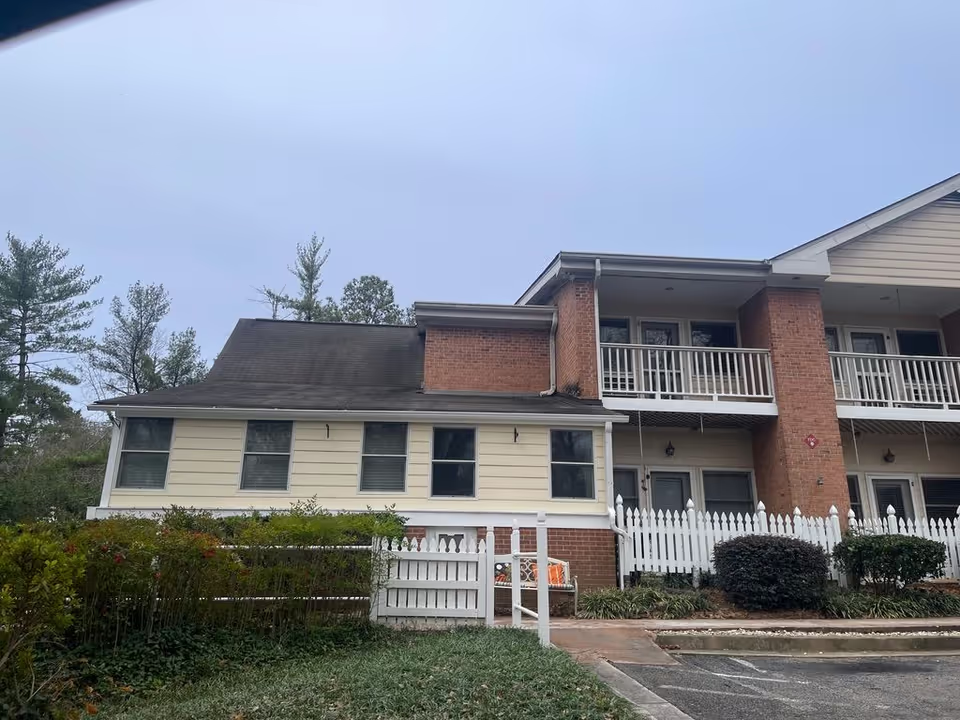
The Retreat at Madison Place presents a mixed picture. Positive observations center on the physical campus and independent-living lifestyle: reviewers consistently describe attractive, well-kept grounds, roomy apartment footprints with large kitchens and living areas, and a range of on-site amenities (fitness area, pool-table/recreation space, laundromat, and a community garden). The community appears to be active, with organized daily activities, staff wellness checks, and an overall environment that some residents and family members find welcoming and home-like. Several accounts highlight engaged leasing and assistant-manager staff and timely maintenance outcomes when issues are addressed promptly.
Operational and safety concerns form the other recurring theme. There are repeated accounts of unreliable building systems — including malfunctioning entry gates, keyless-entry cards, call boxes and out-of-service elevators — which raise accessibility and emergency-response worries for mobility-limited or medically vulnerable residents. Noise transmission between units is noted as a persistent quality-of-life issue due to thin walls and ceilings. Some reviewers cite inconsistent appliance maintenance and kitchen-safety problems, suggesting a need to confirm fire-safety procedures and equipment inspections for in-unit cooking.
Staffing and management present a polarized pattern. Many reviewers praise particular staff members for friendliness, check-ins, and responsiveness; conversely, others report rude or dismissive front-office interactions, unanswered phone lines, and a pattern of management turnover that undermines continuity. This variability has also affected perceptions of value, visitor support (notably during holiday periods), and the consistency of day-to-day operations. Because the community operates as an active-adult (independent living) setting rather than assisted living, clinical care and assisted services appear limited and should be confirmed by prospective residents who require higher-level supports.
For prospective residents and families: verify elevator and entry-system reliability, review emergency-response and appliance-safety protocols, ask about recent staffing changes and management stability, check how maintenance and cleanliness concerns are tracked and resolved, and clarify what health-support services are available on-site or via partner providers. An in-person visit during business hours — including speaking with current residents about day-to-day responsiveness and attending a community activity — will help assess whether the community’s strengths align with individual needs and expectations.